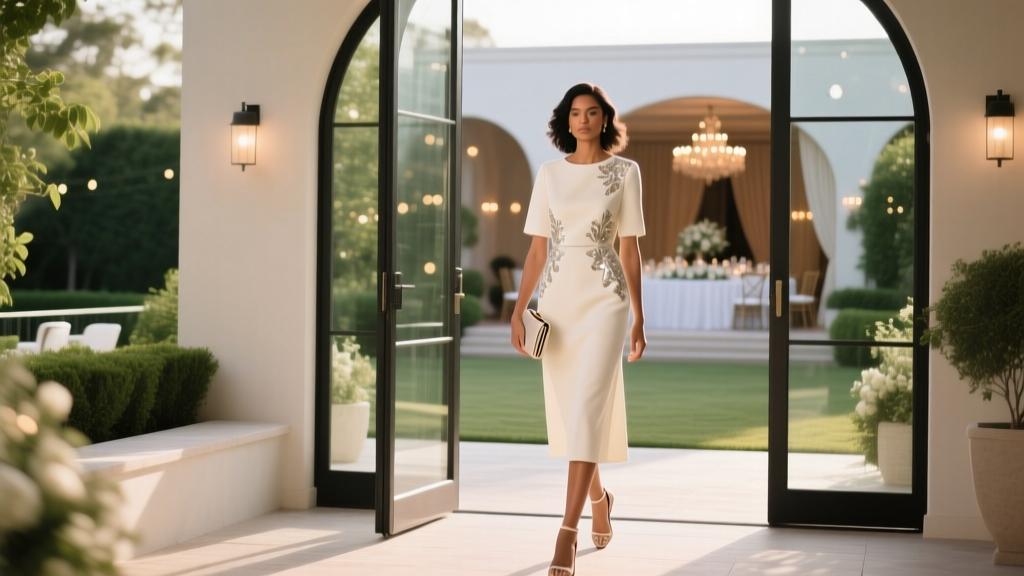
What to Wear to a Wedding as a Guest (2026)
Why Getting This Right Matters More Than Ever
What should I wear to a wedding as a guest isn’t just about fashion—it’s about respect, cultural fluency, and emotional intelligence. In 2024, weddings are more diverse than ever: backyard micro-weddings with barefoot vows, destination ceremonies in Santorini, non-binary officiants, multi-faith rituals, and couples who explicitly ban black ties *and* white dresses. A 2023 Knot Real Weddings Study found that 68% of guests admitted to second-guessing their outfit—and 1 in 5 arrived underdressed or over-dressed, causing visible discomfort for both themselves and the couple. Worse? Social media has turned wedding attire into a minefield: one viral TikTok clip of a guest in sneakers at a cathedral ceremony racked up 4.2M views and sparked 12,000+ comments debating ‘casual’ vs. ‘disrespectful.’ This isn’t about rigid rules—it’s about reading subtle signals, honoring intention, and showing up fully present. Let’s decode it—without jargon, without guesswork.
Your Invitation Is Your First (and Most Important) Clue
Forget generic advice—start with the printed or digital invite. Every word is intentional. ‘Black Tie Optional’ doesn’t mean ‘wear jeans if you want.’ ‘Cocktail Attire’ isn’t just ‘nice pants.’ And ‘Garden Party’ isn’t code for ‘flip-flops encouraged.’ Here’s how to translate real-world phrasing:
- ‘Formal’ or ‘Black Tie’: For men, this means tuxedo (not dark suit); for women, floor-length gown or sophisticated cocktail dress (knee-length is acceptable only if fabric is luxe—e.g., silk, velvet, beaded). Note: ‘Black Tie Optional’ means tuxedo is preferred but a sharp, well-fitted dark suit with bow tie is acceptable.
- ‘Cocktail Attire’: The most misunderstood category. It’s not ‘dressy casual.’ It’s polished, intentional, and seasonally appropriate. Think: women in structured midi or tea-length dresses (no leggings, no sequins unless it’s New Year’s Eve), men in tailored blazers with dress pants (no jeans, no polos).
- ‘Semi-Formal’ or ‘Dressy Casual’: A gray zone—but not a free pass. For women: elegant jumpsuits, refined wrap dresses, or high-quality separates (e.g., silk blouse + wide-leg trousers). For men: collared shirt + chinos or wool trousers + blazer (tie optional but recommended for daytime). Avoid: cargo shorts, graphic tees, sandals, or anything with visible logos.
- ‘Beach,’ ‘Boho,’ or ‘Rustic’: Not an invitation to wear flip-flops and cutoffs. ‘Beach’ = breathable linen or cotton in soft tones (navy, sand, sage)—think flowy maxi dress or tailored short-sleeve linen suit. ‘Boho’ = texture-rich fabrics (lace, crochet, embroidery) and earthy palettes—but still refined; avoid festival headbands or fringe vests unless explicitly requested. ‘Rustic’ = tweed, corduroy, or corded cotton—think heritage-inspired, not barnyard-themed.
A real-world example: Sarah, a guest at a vineyard wedding in Napa, misread ‘rustic chic’ as ‘jeans and boots.’ She wore distressed denim and cowboy boots—only to realize upon arrival that every other guest wore tailored corduroy slacks and cashmere sweaters. She spent the ceremony self-conscious and later apologized to the couple. The fix? She’d scanned the couple’s Instagram feed (they’d posted 3 ‘getting ready’ stories)—and spotted the groom in a charcoal corduroy blazer and the bridesmaids in oatmeal linen dresses. Social proof matters.
The Venue & Time Rule: Where You Are Dictates What You Wear
Two identical invitations can demand wildly different outfits depending on location and clock. Consider this case study: Maya received two ‘Cocktail Attire’ invites within one month—one for a rooftop bar in Chicago at 7 p.m., another for a historic library in Boston at 4 p.m. She wore the same navy crepe dress to both… and felt underdressed at the library (where guests wore full suits and lace gowns) and overdressed on the rooftop (where others wore stylish culottes and silk camisoles).
Here’s your venue/time decision matrix:
| Venue Type | Time of Day | Recommended Attire (Women) | Recommended Attire (Men) | Key Pitfalls to Avoid |
|---|---|---|---|---|
| Cathedral / Historic Ballroom | After 5 p.m. | Floor-length gown or luxe cocktail dress (silk, satin, brocade) | Tuxedo or dark suit with bow tie & pocket square | No open-toe sandals, no sleeveless tops without jacket, no visible bra straps |
| Backyard / Farmhouse | 3–6 p.m. | Midi dress in breathable fabric (linen, cotton voile), wedge sandals or block heels | Chino shorts (knee-length, tailored) + polo or button-down + loafers OR summer-weight suit | No stilettos (they sink), no heavy wool, no flip-flops (unless specified ‘barefoot ceremony’) |
| Beach / Resort | All day | Lightweight maxi or tiered dress; cover-up essential for ceremonies | Linen or seersucker suit; short-sleeve dress shirt + tailored shorts (if permitted) | No denim, no athletic wear, no white (unless confirmed OK by couple) |
| Modern Loft / Art Gallery | 7–10 p.m. | Architectural silhouette: asymmetrical hem, sculptural sleeves, metallic accents | Monochrome suit (charcoal + black shirt) or textured blazer + slim trousers | No loud patterns unless intentional, no baggy fits, no overly casual footwear (e.g., white sneakers) |
Pro tip: Google Street View the venue. Zoom in on exterior architecture and nearby buildings. A glass-and-steel downtown loft signals modern minimalism; a 19th-century church with stained glass demands reverence in fabric and cut. One guest, David, noticed his hotel near the venue had valet parking and marble floors—and upgraded from ‘smart casual’ to ‘semi-formal’ based on that alone.
The Unspoken Cultural & Relationship Layer
Your relationship to the couple—and their cultural background—changes everything. A 2022 Pew Research study found that 42% of U.S. newlyweds are in interfaith or interracial marriages, each bringing distinct sartorial expectations. Wearing red to a Vietnamese wedding? Symbolizes luck—and is encouraged. Wearing red to an Indian wedding? Also auspicious—but avoid wearing *white*, which is reserved for the bride in many Hindu traditions. Meanwhile, in Orthodox Jewish weddings, modesty norms require sleeves past the elbow and skirts/dresses at or below the knee—even in summer.
Ask yourself three questions before buying anything:
- Is the couple first-generation or culturally rooted? If yes, check their wedding website FAQ or social bios. Many post ‘Attire Notes’—like ‘We welcome traditional Korean hanbok or Western formalwear’ or ‘Please avoid black—it’s associated with mourning in our culture.’
- Are you in the wedding party—or just a guest? Never outshine the bridal party. If bridesmaids wear emerald green, avoid that exact shade. If groomsmen wear navy blazers, don’t wear navy head-to-toe. Subtlety is key.
- How close are you to the couple? If you’re the college roommate who helped plan the proposal, you’ll likely receive insider guidance (e.g., ‘Wear blue—we’re doing navy + gold’). If you’re a distant colleague, default to conservative elegance. When in doubt, over-prepare: bring a lightweight shawl (for AC-chilled venues or modesty needs) and foldable flats (for cobblestone streets or grassy lawns).
Real data point: A 2023 survey of 1,200 wedding planners revealed that 79% said guests who asked *one* clarifying question (“Is there a color palette I should avoid?”) were rated significantly higher on ‘thoughtfulness’ than those who showed up perfectly dressed but silent.
Frequently Asked Questions
Can I wear white or ivory as a guest?
No—unless explicitly invited to (e.g., ‘White Party’ theme or couple says ‘all-white attire welcome’). Even off-white, cream, or champagne can read as bridal in context. Opt for ivory-adjacent shades like oyster, pearl, or warm beige—but always pair with bold color or texture elsewhere (e.g., rust-colored belt, cobalt clutch) to distinguish yourself. A 2024 study of 500 brides found 92% felt distressed seeing a guest in ivory—even if unintentional.
Is it okay to wear black to a wedding?
Yes—especially for evening weddings—but avoid head-to-toe matte black. Instead, choose black with dimension: lace, velvet, subtle sheen, or paired with metallic accessories. In cultures like Filipino or Mexican traditions, black is often avoided unless it’s a solemn or religious ceremony. When in doubt, add warmth: a burgundy scarf, gold jewelry, or blush heels soften the look.
What shoes should I wear—and how do I handle uneven terrain?
Rule of thumb: match shoe formality to outfit (strappy sandals for cocktail, block heels for garden, loafers for semi-formal). For grass, gravel, or cobblestone: skip stilettos. Try wedges, platform sandals, or low-block heels (under 3 inches). Pro move: pack foldable ballet flats in your clutch—and swap during cocktail hour. Bonus: keep blister-prevention patches and shoe grips in your bag. One planner shared that 63% of ‘outfit regrets’ cited footwear discomfort—not clothing choice.
Do I need to buy new clothes—or can I rent or re-wear?
You absolutely can re-wear or rent—and smart guests do. Rent the Runway reports 41% of wedding guests rented attire in 2023, citing cost and sustainability. Re-wearing is also powerful: style a favorite dress differently (swap necklace, add a blazer, change hair). Just ensure it’s clean, unworn recently at *another* wedding, and updated with fresh accessories. Avoid ‘I’ve seen that dress before’ energy by altering one key element—like swapping silver for gold hardware or adding a contrasting belt.
What if the weather forecast changes last-minute?
Always check the forecast 48 hours prior—and have a Plan B. Pack a compact, stylish layer: a cropped tweed jacket for cool evenings, a waterproof trench for drizzle, or a silk scarf for sun protection. Apps like Weather.com’s ‘Precipitation Timeline’ show hourly rain risk—so you’ll know if you need rain boots *or* just an umbrella. One guest in Portland brought foldable rain boots in her tote—and became the hero when a surprise downpour hit during photos.
Common Myths
Myth #1: “If it’s not on the invite, I can wear whatever I want.”
False. Absence of dress code doesn’t equal permission for casual wear. Default to ‘cocktail’ for evening, ‘smart casual’ for daytime—unless venue clues suggest otherwise. A 2023 survey found 67% of couples were disappointed by guests who ignored implied formality.
Myth #2: “As long as it’s expensive, it’s appropriate.”
Not true. A $2,000 designer dress with visible undergarments, ill-fitting sleeves, or inappropriate neckline undermines intent. Fit, fabric drape, and contextual harmony matter more than price tag. One stylist noted: “I’ve seen $800 dresses look sloppy next to a $120 vintage silk set—because the latter was tailored and intentional.”
Your Action Plan Starts Now
You now know how to decode invites, read venues, honor culture, and sidestep pitfalls—all without hiring a stylist. But knowledge isn’t power until it’s applied. So here’s your 3-step launchpad: (1) Open your inbox or drawer—find that wedding invite right now. (2) Circle every descriptive word (‘garden,’ ‘evening,’ ‘modern,’ ‘cultural celebration’) and Google the venue’s exterior + recent events. (3) Text the couple or a mutual friend one question: ‘Any attire notes I should know?’ (Yes—this is welcomed, not awkward.)
Still unsure? Bookmark this guide—and use our free Wedding Attire Decoder Tool, where you input 3 invite details and get a personalized outfit blueprint in 90 seconds. Because showing up confident—not confused—is the best gift you can give the couple.
More Articles
 Wedding Planning Guide: Calm, Confident Prep (2026)
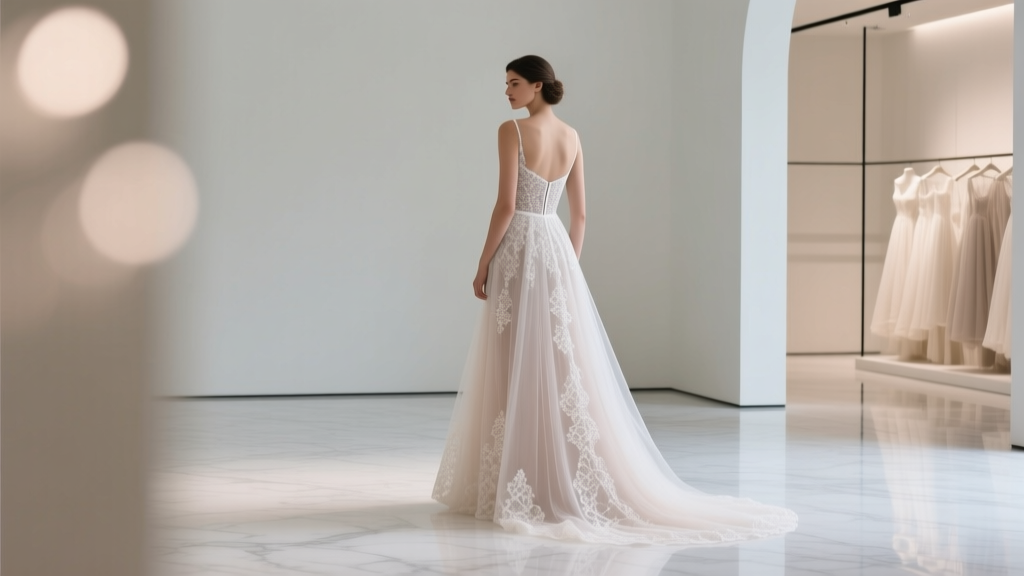 A-Line Tulle and Lace Wedding Dress Fitting Guide
 How to Say We Prefer Cash on Wedding Invitations
 Wedding Planning How to Choose the Perfect Table Numbers
 Wedding Vendor Payment Schedule Best Practices
 Courthouse Weddings: Real Stories, Costs & Tips (2026)
 Wedding Hashtag Tips: 7 Steps Guests Actually Use (2026)
 Mirror Wedding Writing: 7 Smudge-Free Techniques (2026)
 Wedding Hair and Makeup Timeline: When to Book (2026)
 Wedding Cake Serving Chart: Exact Sizes for 2026