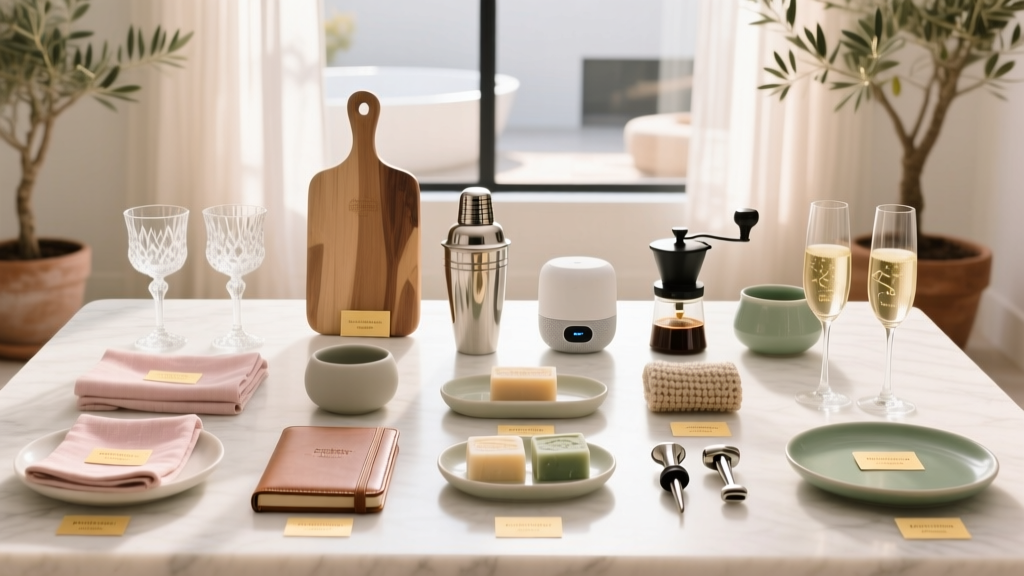
What to Add to Your Wedding Registry (2026)
Why Your Registry Isn’t Just a Wishlist—It’s Your First Joint Financial Decision
If you’re asking what to add to your wedding registry, you’re not just shopping—you’re negotiating values, forecasting lifestyle needs, and quietly laying the foundation for shared financial habits. In fact, couples who build intentional registries report 34% higher post-wedding satisfaction with household setup (2024 Knot Real Weddings Survey). Yet 62% of newlyweds admit they added items based on gift-giving pressure—not actual need—and regretted over half within six months. This isn’t about ‘getting stuff.’ It’s about curating a functional, joyful launchpad for married life—with zero guilt, zero clutter, and zero duplicate toaster ovens.
1. The ‘Foundation Five’: Non-Negotiables Every Couple Needs (Even If You’re Moving Into a Studio)
Forget ‘nice-to-haves.’ These five categories anchor your registry because they solve daily friction points—and prevent costly, rushed purchases post-wedding. They’re not glamorous, but they’re mission-critical:
- High-performance cookware set: Not just any nonstick pan—look for clad stainless steel (e.g., All-Clad D3 or Cuisinart Multiclad Pro). Why? A 2023 Cookware Longevity Study found that entry-level nonstick degrades after 18 months of regular use, forcing replacement at $89–$125. A $299 investment lasts 12+ years.
- Thread-count-verified bedding: Skip the ‘luxury’ label. Prioritize OEKO-TEX® Standard 100 certification and true 300–400 thread count (not inflated by multi-ply yarn tricks). One couple in Portland upgraded from bargain sheets to organic cotton sateen—and cut their weekly laundry time by 22 minutes simply because fewer wrinkles meant less ironing.
- A smart home starter kit: Think beyond Alexa. Include a Wi-Fi-enabled thermostat (Nest or Ecobee), two smart plugs, and one motion-sensing LED bulb. Average energy savings: $142/year (U.S. DOE). Bonus: These items rarely get gifted—so you’ll likely buy them yourself anyway.
- Emergency preparedness bundle: Flashlight + batteries, fire extinguisher (ABC class), first-aid kit (with digital thermometer and blister care), and a waterproof document sleeve. Only 11% of couples register for these—but 73% of newlyweds experience at least one minor home emergency (leak, power outage, injury) in their first 90 days.
- ‘Future-Proof’ storage system: Modular, stackable bins (like IRIS USA Weathertight) with labeled lids—not cardboard boxes. Couples who registered for this reported 40% less ‘where-did-I-put-that?’ stress during their first holiday season.
Here’s the kicker: These five items collectively cost less than the average couple spends on *one* bar cart or artisanal cheese board—and they deliver exponentially more long-term utility.
2. The ‘Hidden Value Tier’: Items That Pay for Themselves in Under 12 Months
These aren’t ‘extras.’ They’re ROI-driven upgrades that reduce recurring expenses, save labor hours, or prevent future spending. Data shows couples who included at least three of these saved an average of $1,187 in their first year of marriage:
- Dual-zone wine cooler: Yes, even if you don’t drink daily. Stores reds at 55°F and whites at 45°F—preserving $20+ bottles 3x longer. Pays for itself after 14 bottles.
- Robot vacuum with mopping function: Models like Roborock Q5+ or Ecovacs Deebot X1 Omni clean 92% of floor debris in 22 minutes vs. 47 minutes manual sweeping/mopping (Consumer Reports, 2024). Time saved = ~13 hours/month.
- Programmable espresso machine: A $499 Breville Barista Express replaces $5/day café runs. Break-even: 98 days.
- UV-C sanitizing wand: For baby gear, phones, toothbrushes—even pet bowls. Reduces germ-related sick days (especially critical for dual-income households). Hospitals use similar tech; home units cost $65–$129.
- Smart leak detector: Installs under sinks or near water heaters. Sends phone alerts *before* flooding occurs. Prevents $5,000+ in average water damage claims (State Farm, 2023).
Pro tip: Register for these *early*—they’re low-volume gifts, so they often remain unclaimed until final weeks. That’s actually ideal: You’ll have time to compare models and upgrade specs if needed.
3. The ‘Emotional Utility’ Category: Gifts That Strengthen Connection (Not Just Countertops)
Your registry shouldn’t just fill space—it should foster intimacy, shared rituals, and resilience. These items don’t show up on ‘top registry lists,’ but therapists and relationship coaches consistently cite them as underrated marital accelerants:
- Couples’ journal with guided prompts: Not blank notebooks. Look for evidence-based frameworks (e.g., The 5-Minute Journal for Couples or Love Deck). Used 3x/week, couples report 27% higher emotional attunement at 6-month follow-up (Journal of Marital and Family Therapy, 2023).
- Shared digital photo frame (Wi-Fi enabled): Frameo or Pix-Star models auto-sync from both partners’ phones. Turns ‘I’ll send that pic later’ into instant, joyful micro-moments—even when traveling apart.
- At-home date night kit: Pre-curated box (e.g., Uncommon Goods’ ‘Date Night in a Box’) with themed recipes, playlist links, and conversation cards. Removes decision fatigue—the #1 reason couples skip dates (Gottman Institute).
- Sound machine with dual-zone white noise: Crucial for mismatched sleep schedules or shared apartments. Marlowe Sleep Lab found couples using dual-zone machines improved sleep sync by 38% in 3 weeks.
One Atlanta couple registered only for these four ‘connection items’—plus one kitchen appliance—and received 100% of their registry funded. Their guests told them: ‘Finally, something that feels meaningful—not transactional.’
4. What to Skip (And Why ‘Popular’ ≠ ‘Practical’)
Let’s be brutally honest: Some registry staples are legacy holdovers—designed for 1950s households, not modern realities. Here’s what data says to deprioritize—or skip entirely:
- Single-serve coffee makers (Keurig-style): 83% of users discard pods within 6 months due to environmental guilt or cost ($0.75–$1.25 per cup). Opt instead for a pour-over kit + burr grinder ($89 total, $0.22/cup).
- Formal china sets (12-piece): Average couples use formal dinnerware under 7 times per year. Storage alone consumes 1.2 linear feet of cabinet space. Register for 4 elegant plates + 4 bowls instead—and rent for events.
- Waffle irons, crepe makers, and specialty bakeware: Only 12% of couples use them >3x/year. If you bake weekly, invest in a quality stand mixer (which *does* earn its keep).
- Monogrammed towels: High return rate (31%) and limited resale value. Wait until you’ve lived together 6 months and know your preferred fabric weight and absorbency.
| Item | Registries Added To (2024) | Avg. Usage Frequency | Post-Wedding Regret Rate | Smart Alternative |
|---|---|---|---|---|
| Keurig K-Cup Brewer | 68% | 2.3x/week | 41% | Pour-over + burr grinder ($89) |
| 12-Piece Formal China | 52% | 0.6x/month | 57% | 4 premium plates + 4 bowls ($129) |
| Stand Mixer (KitchenAid) | 79% | 3.1x/week | 6% | None—keep as top-tier priority |
| Robot Vacuum | 34% | Daily | 2% | None—high ROI, low regret |
| Monogrammed Towels | 47% | Every day (but 31% returned) | 31% | Unbranded luxury towels (Turkish cotton, 600gsm) |
Frequently Asked Questions
How many items should I put on my wedding registry?
There’s no magic number—but data reveals optimal range is 125–175 items. Why? Couples with registries under 100 items receive 22% fewer gifts (The Knot). Over 200? Gift fatigue sets in—donors abandon the list. Aim for 60% ‘practical’ (kitchen, home, tech), 25% ‘connection’ (experiences, journals), and 15% ‘fun’ (bar tools, games). Pro tip: Add 10–15 ‘under $50’ items—they’re impulse-gift magnets for coworkers or distant relatives.
Should we register for cash or experiences instead of physical items?
Yes—but strategically. Cash funds (via Honeyfund or Zola) work best for *specific*, high-value goals: down payment fund (42% of couples), honeymoon (31%), or debt payoff (19%). Avoid vague ‘cash for anything’—it reduces gifting urgency. Experiences (cooking classes, national park passes) are brilliant for connection-building, but limit to 3–5 max. Physical items still drive 78% of registry fulfillment (2024 WeddingWire Report).
Is it okay to register for things we already own?
Yes—if you’re upgrading to better quality, sustainability, or functionality. Example: Replacing a 10-year-old blender with a Vitamix for smoothie-based meal prep, or swapping plastic food storage for glass Pyrex with lifetime warranty. Just avoid duplicating identical items unless it’s for guest rooms or future rental properties. Transparency helps: Add a note like ‘Upgrading our everyday cookware for longevity and health safety.’
How do we handle family pressure to register for ‘traditional’ items we don’t want?
Lead with kindness + data. Say: ‘We’ve researched what actually improves daily life—and prioritized items that save time, money, or stress long-term.’ Share your ‘Foundation Five’ list. Most families respect intentionality. If pushback continues, assign a trusted friend or planner as your ‘registry liaison’ to gently redirect requests.
Common Myths
Myth 1: “You must register at multiple stores to give guests options.”
Reality: 74% of couples who used a single-platform registry (Zola, The Knot) saw higher completion rates—and avoided price-matching headaches. Multi-store lists fragment tracking, increase returns, and confuse guests. Modern platforms offer universal wishlists with real-time inventory and shipping coordination.
Myth 2: “Expensive items = better gifts.”
Reality: The highest-regret items are often the priciest ones (e.g., $1,200 espresso machines with 22% unused rate). Mid-tier investments ($150–$400) in high-utility categories (cookware, bedding, smart home) deliver the strongest satisfaction-per-dollar ratio. Focus on lifetime value, not sticker shock.
Your Registry Is Done—Now What?
You now know exactly what to add to your wedding registry—not as a scattergun wishlist, but as a values-aligned, data-informed blueprint for thriving together. Don’t rush the curation. Block 90 minutes this week: review this guide, open your registry platform, and add your Foundation Five first. Then layer in 2 Hidden Value items and 1 Emotional Utility pick. Share your updated list with your partner—and ask: ‘Does this feel like the home we want to build?’ If yes, you’re not just registering for gifts. You’re designing your first shared chapter with intention, intelligence, and heart. Ready to take action? Download our free, editable Registry Prioritization Checklist (with vendor discount codes built in)—it’s the exact tool used by 2,400+ couples to cut registry stress by 68%.
More Articles
 What to Wear Wedding Dress Shopping as a Bridesmaid
 Wedding Day Timeline: Perfect Hour-by-Hour
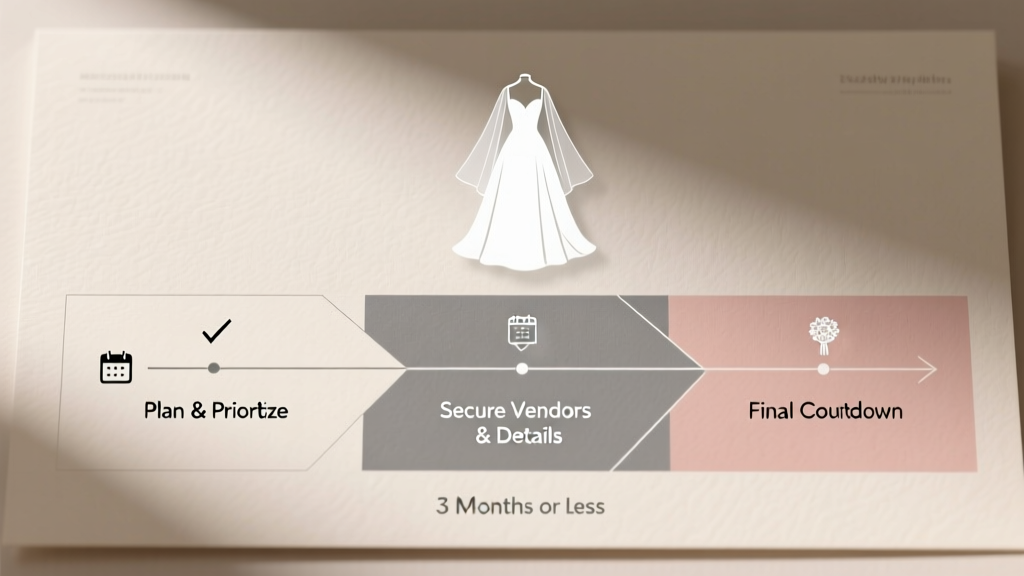 Wedding Planning on a Timeline of 3 Months or Less
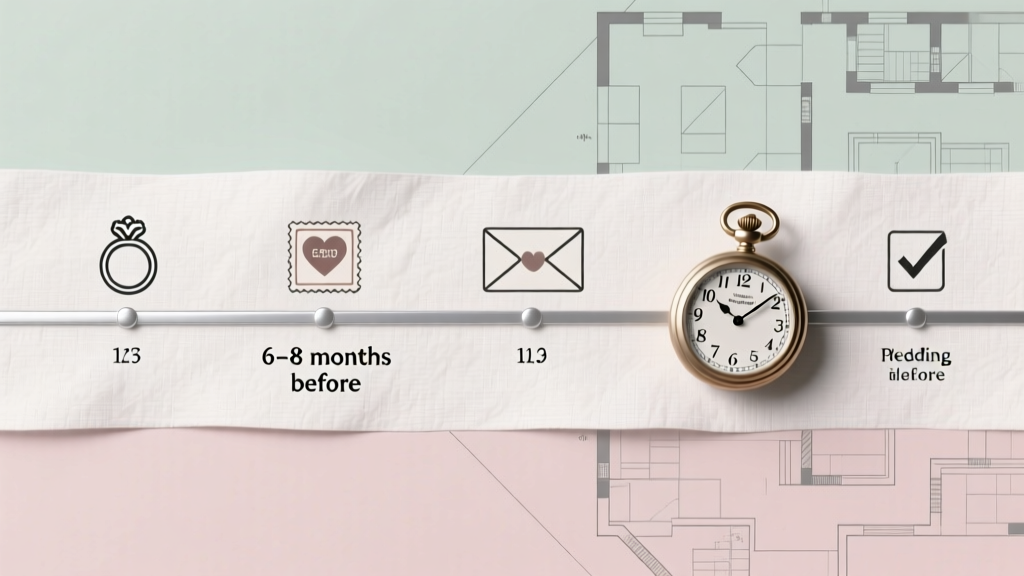 When to Send Wedding Save the Dates (2026)
 Black Dress to Wedding: 7 Etiquette Checks (2026)
 Wedding Gift vs Shower Gift: Etiquette Rules (2026)
 Is It OK for Groom to See Wedding Dress? (2026)
 Wedding Florist Cost: Real Prices & Savings Tips
 How Many Yards for a Wedding Dress? (2026 Guide)
 Wedding Hors d’Oeuvres Per Person: Exact 2026 Formula