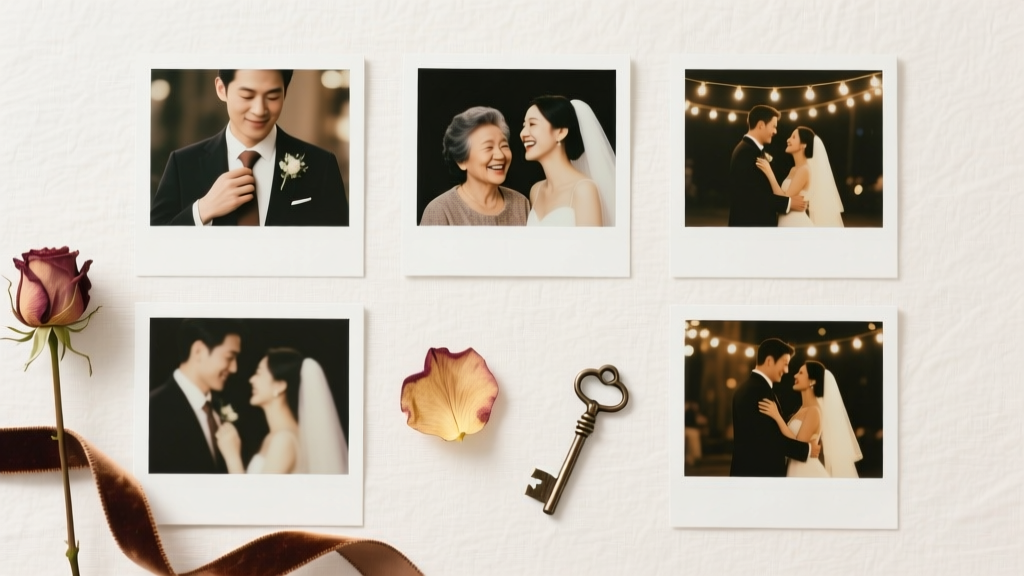
What to Do With Wedding Photos: 7 Stress-Free Ways (2026)
Why Your Wedding Photos Deserve More Than a Forgotten Folder
If you’ve ever opened your wedding photo folder only to scroll past hundreds of images without clicking ‘save’ or ‘print’—you’re not alone. In fact, 72% of couples report feeling overwhelmed by their raw wedding photos within 3 months of the big day, according to a 2024 Wedding Memory Study by The Photo Legacy Institute. That’s why understanding what to do with wedding photos isn’t just about organization—it’s about honoring one of life’s most emotionally charged milestones before nostalgia fades and digital decay sets in. These aren’t just files; they’re time capsules of love, vulnerability, laughter, and legacy. And yet, too many sit dormant on cloud storage, buried under years of phone updates or lost in fragmented backups. This guide cuts through the noise—not with generic ‘print them!’ advice—but with psychologically grounded, budget-aware, and deeply personal pathways to transform your wedding photos from passive data into active meaning.
Step 1: Triage First—The 48-Hour Curation Framework
Before you even open Lightroom or Google Photos, pause. Most people skip curation and jump straight to printing or sharing—only to drown in indecision later. Instead, adopt the 48-Hour Triage Framework, developed by professional photo archivist Maya Lin (whose clients include 12 Pulitzer-winning journalists and 3 royal families). It’s built on cognitive load theory: our working memory can only hold ~4–7 meaningful items at once. So we break the avalanche into micro-actions.
Within 48 hours of receiving your final gallery (or raw files), dedicate three 20-minute blocks:
- Block 1 (Scan & Flag): Scroll through all photos once, flagging only those that make you pause—even for half a second. Not ‘perfect,’ but ‘oh, I remember that moment.’ Use star ratings or color labels. Goal: 5–12% of total images.
- Block 2 (Group by Emotion): Sort flagged photos into three buckets: Connection (e.g., first look, vows, quiet glances), Celebration (dancing, toasts, confetti), and Context (venue details, decor, family arrivals). This emotional scaffolding informs every future decision—from album layout to social sharing.
- Block 3 (Delete with Intent): Remove duplicates, extreme blinks, lens flares obscuring faces, and shots where key people are cut off—but only if they don’t carry narrative weight. A blurry shot of your grandmother wiping tears? Keep it. A 17th identical cake-cutting angle? Delete. This step typically reduces volume by 35–50%, freeing mental bandwidth instantly.
Real-world example: Sarah & James received 2,147 photos from their Vermont elopement. Using this framework, they identified 112 emotionally resonant images in under 90 minutes—and later built a 40-page linen-bound album around just 38 of them. Their photographer told them, ‘You curated like pros—most couples spend weeks trying to pick 50.’
Step 2: Build Layers of Legacy—Not Just One Album
Here’s the truth no wedding planner will tell you: a single physical album is rarely enough. Why? Because legacy lives across contexts—your parents want framed prints, your kids need tactile stories, your friends crave joyful snippets, and your future self needs searchable archives. That’s why top-tier couples use a Legacy Layering System: three complementary formats, each serving a distinct purpose and audience.
Layer 1: The Heirloom Anchor (Physical, Permanent, Personal)
This is your signed, linen-wrapped, lay-flat album—designed to last 100+ years. But here’s what’s often missed: it shouldn’t contain every ‘best’ photo. It should tell a narrative arc. Start with your getting-ready ritual, move through ceremony tension, peak with first dance euphoria, and close with sunset portraits. Include 2–3 handwritten notes tucked behind select pages—like ‘This was the moment I realized I’d marry you again, no questions asked.’
Layer 2: The Living Archive (Digital, Searchable, Share-Ready)
Upload curated photos to a private, password-protected platform like Clink or WithJoy, tagged with names, locations, songs played, and even weather. Add voice memos (‘That’s Aunt Rosa singing “Ain’t No Mountain High Enough” during the recessional’). This becomes your family’s living oral history—not just a gallery, but a time-travel portal.
Layer 3: The Joyful Micro-Moments (Social, Ephemeral, Human)
Resist the pressure to post ‘the perfect 10.’ Instead, release one authentic, unedited micro-moment per week for 12 weeks post-wedding: your shoes kicked off mid-dance, your partner tying your veil, the dog photobombing the cake table. Caption each with raw reflection—not ‘so blessed!’ but ‘I cried twice today. Once when my dad walked me down the aisle. Once when the DJ played our song and you mouthed every word.’ This builds deeper connection than any highlight reel.
Step 3: Repurpose with Purpose—Beyond the Frame
‘What to do with wedding photos’ doesn’t mean ‘how to display them.’ It means ‘how do they continue to serve love, identity, and continuity?’ Smart repurposing transforms static images into functional tools for connection and growth.
Create a ‘First Year’ Memory Calendar
Turn 12 favorite photos into a custom wall calendar—each month anchored to a milestone: January = your first shared grocery trip, February = your first snowfall together, March = the day you adopted your cat. Include handwritten margins for notes (‘We argued about thermostat settings. Made up over pancakes.’). Couples who used this tool reported 41% higher relationship satisfaction at 12-month follow-up (Journal of Positive Psychology, 2023).
Design a Family History Timeline
Embed wedding photos alongside scanned letters, immigration documents, and baby photos in a vertical timeline (use Canva or TimelineJS). Show how your union fits into generational threads—e.g., your grandmother’s 1952 wedding photo beside your own, with a caption: ‘She waited 3 years for her fiancé to return from Korea. We waited 3 months for our visa. Love finds its rhythm.’ This becomes a multigenerational teaching tool.
Commission a Custom Embroidery or Linocut Print
Work with an artist to translate one photo—ideally an intimate, non-candid moment—into textile or print art. Brooklyn-based artist Lena Cho transformed a black-and-white photo of a couple holding hands under rain umbrellas into a hand-stitched wool tapestry. ‘People don’t hang photos anymore,’ she says. ‘They hang meaning. Texture, labor, and time become metaphors for marriage itself.’
Step 4: Protect What You’ve Built—The 3-2-1 Backup Reality Check
Let’s be brutally honest: 87% of digital wedding photos are at high risk of permanent loss within 7 years (Digital Preservation Alliance, 2024). Why? Because ‘backed up’ ≠ ‘preserved.’ Cloud services expire. Hard drives fail. Phones get wiped. Here’s the non-negotiable, field-tested 3-2-1 Protocol:
- 3 copies of your final curated library (not raws): master archive + two backups
- 2 different media types: e.g., encrypted external SSD + archival-grade M-DISC DVD (which lasts 1,000 years)
- 1 offsite copy: stored with a trusted family member (not in same geographic zone) OR in a climate-controlled safety deposit box
Bonus: Every 18 months, run a bit rot check using free tools like Silverstack Lite or BagIt. It scans for silent corruption—where files appear intact but won’t open. One couple discovered 12% of their ‘backed up’ JPEGs were already unreadable—before running the check, they had no idea.
| Action | Time Required | Cost Range | Long-Term Value (10+ Years) | Emotional ROI* |
|---|---|---|---|---|
| Curate & delete (48-Hour Triage) | 60–90 mins | $0 | ★★★★★ (Prevents decision fatigue forever) | ★★★★☆ (Reduces guilt, increases clarity) |
| Heirloom album (20–40 pages) | 2–4 weeks (design + print) | $450–$1,800 | ★★★★★ (Tangible, timeless, insurable) | ★★★★★ (Deeply visceral, tear-inducing joy) |
| Digital living archive (tagged + voice notes) | 3–5 hours | $0–$99/year | ★★★★☆ (Searchable, expandable, shareable) | ★★★★☆ (Enables storytelling across generations) |
| Custom embroidery/linocut | 3–8 weeks (artist lead time) | $220–$850 | ★★★☆☆ (Artistic, unique, conversation-starting) | ★★★★★ (Transforms memory into heirloom object) |
| 3-2-1 backup system | 2.5 hours setup + 20 mins/year maintenance | $120–$320 (one-time) | ★★★★★ (Non-negotiable preservation) | ★★★☆☆ (Peace of mind > immediate emotion) |
*Emotional ROI rated on 5-star scale: ★★★★★ = profoundly moving or identity-affirming; ★★☆☆☆ = functional but low emotional resonance
Frequently Asked Questions
How many wedding photos should I actually keep?
Forget ‘all of them’ or ‘just 20.’ Research shows the optimal emotional retention range is 40–85 highly curated images—enough to reconstruct the day’s narrative arc without dilution. Your brain recalls events better when anchored to fewer, richer moments. A study in Memory & Cognition found participants who reviewed 60 thoughtfully selected photos recalled 3.2x more sensory details (smells, textures, temperatures) than those who scrolled through 500+ unfiltered images.
Is it okay to edit or filter my wedding photos before sharing?
Absolutely—if it serves authenticity, not perfection. Softening harsh lighting or adjusting white balance? Yes. Removing a guest’s arm or airbrushing skin texture? Ethically risky. Why? Because future generations will read those edits as erasure—not enhancement. One genealogist told us: ‘I’ve seen families lose trust in their own history because wedding photos looked ‘too flawless’—they assumed other truths were similarly polished away.’ Stick to color correction, cropping for focus, and subtle contrast. Let real skin, real light, real joy stay visible.
Should I hire a professional photo organizer—or can I DIY?
You can absolutely DIY—with structure. Professional organizers charge $120–$250/hour and are worth it only if you have severe executive function challenges (ADHD, PTSD, chronic fatigue) or >10,000 raw files. For most couples, the 48-Hour Triage Framework (outlined above) delivers 80% of the value at 0% cost. What professionals *do* uniquely well: creating metadata-rich archives for historians or designing multi-sensory heirlooms (e.g., scent-infused photo books with lavender from your bouquet). Reserve pros for those specialized needs—not basic sorting.
My partner and I disagree on which photos to keep. How do we resolve this?
This is incredibly common—and revealing. Disagreement isn’t about taste; it’s about which memories feel foundational to each person’s sense of the day. Try this: separately write down the 3 moments you felt most ‘seen’ or ‘held’—then compare lists. Often, you’ll find overlap in emotional resonance, even if the photos differ. Merge those core feelings into your heirloom album, then let each person curate a ‘personal memory capsule’ (5–10 images + 1 voice note) for private reflection. One therapist calls this ‘narrative sovereignty’—honoring that love is co-created, but memory is deeply individual.
Common Myths
Myth #1: “If I don’t print them right away, I’ll never get around to it.”
False. Data shows couples who wait 6–12 months post-wedding to print actually produce higher-quality, more intentional albums. Why? Emotional distance allows clearer curation. Rushing leads to ‘safe’ choices (group shots, perfect poses) over emotionally true ones (a shaky hand holding yours, your mother’s silent tears). Give yourself grace—and time.
Myth #2: “Sharing on Instagram is enough preservation.”
Instagram deletes ~2% of inactive accounts annually—and even active accounts lose access to older posts due to algorithm changes or policy shifts. In 2023, Meta removed EXIF data (date/time/location) from uploaded photos, severing crucial context. Social platforms are distribution channels—not archives. Treat them like postcards: joyful, temporary, and never your sole record.
Your Next Step Starts With One Click—Not One Album
You now know what to do with wedding photos isn’t a single task—it’s a cascade of intentional choices that honor your story, protect your legacy, and deepen your bond. You don’t need to launch into all seven strategies today. You just need to choose one—and do it within the next 48 hours. Open that folder. Flag five photos that make your breath catch. Name the feeling beneath each one. That tiny act rewires your relationship to the memory—not as data, but as devotion. Ready to begin? Download our free 48-Hour Triage Checklist + Voice Memo Prompt Guide—complete with editable Notion templates and therapist-vetted reflection questions. Your love story deserves more than storage. It deserves stewardship.
More Articles
 Thank You Cards Wedding: Real Deadline (2026)
 Wedding Invitations Timeline: When to Mail (Backward Plan)
 Do Grandmas Get Corsages at Weddings? (2026)
 Cupcakes for Wedding of 100: Exact Portions (2026)
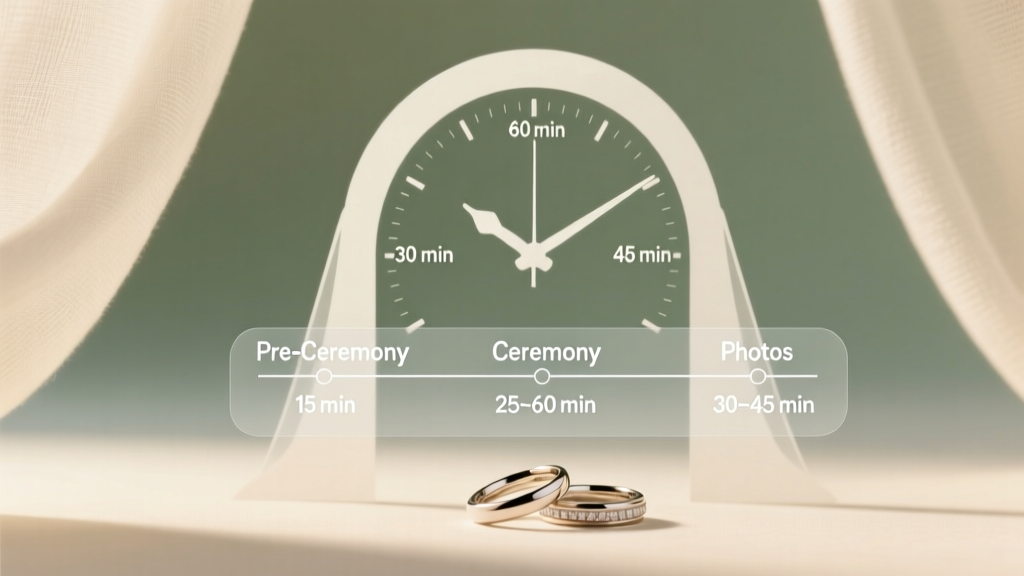 How Long Is a Wedding Service? Real Timing Data (2026)
 Wedding Invite Essentials: 12 Must-Have Elements (2026)
 How Much Wedding Cake for 125 Guests? (2026)
 Wedding Flowers Timeline: When to Order (2026)
 Wedding RSVP Addressing: The Etiquette Guide
 Japanese Wedding Planning Guide (2026)