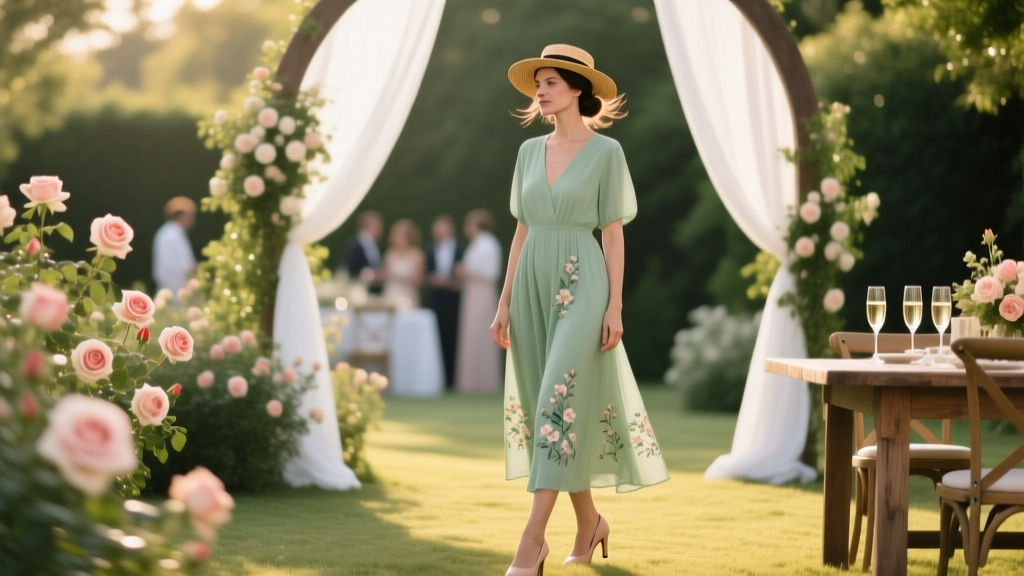
Garden Wedding Attire: Dress Code Decoder (2026)
Why Your Garden Wedding Outfit Decision Is Way More Critical Than You Think
If you’ve ever stood in front of your closet at 3 p.m. the day before a garden wedding—sweating through silk, debating wedge heels versus ballet flats, and Googling 'is floral on floral too much?'—you’re not overthinking. You’re responding to real, high-stakes variables: uneven grass that swallows stilettos, afternoon sun that turns linen into a sauna, and unspoken dress code signals buried in the invitation’s font choice. What to wear at a garden wedding isn’t just about aesthetics—it’s environmental strategy, social calibration, and comfort engineering rolled into one. And with 68% of U.S. weddings now held outdoors (The Knot 2023 Real Weddings Study), this isn’t a niche question—it’s the new baseline for guest readiness.
Step 1: Decode the Invitation—Before You Even Open Your Closet
Most guests skip the fine print—and pay for it in blistered feet or awkward underdressing. Garden weddings rarely say “black tie” or “casual”—they whisper through phrasing, timing, and design cues. Here’s how to read between the lines:
- Time matters more than title: A 4 p.m. ceremony signals ‘cocktail’ or ‘garden formal’—think midi dresses with sleeves or tailored separates. A 6:30 p.m. start? That’s ‘semi-formal evening’—add a lightweight blazer or draped shawl, even if it’s still light out.
- Font & paper stock hint at tone: Thick cotton paper with foil stamping? Likely elevated. Hand-calligraphed script on seeded paper? Probably boho-garden or rustic-chic—lean into texture (lace, eyelet, embroidered cotton) and earthy tones (sage, terracotta, oat).
- The RSVP card is a cheat sheet: If it asks for ‘attire preference’ (e.g., ‘Garden Elegance’ or ‘Botanical Casual’) or includes a dress code footnote (‘Jackets recommended for evening’), treat it as binding—not optional.
Case in point: Sarah, a guest at a Hudson Valley vineyard wedding, misread ‘garden celebration’ as ‘dressy casual.’ She wore cropped wide-leg trousers and a silk cami—only to arrive and find every other guest in floor-length chiffon or structured linen suits. She spent the cocktail hour borrowing a pashmina from the bride’s mom just to blend in. Don’t be Sarah.
Step 2: Terrain + Weather = Your Two Non-Negotiable Filters
Garden venues aren’t uniform. A manicured English rose garden in Charleston behaves nothing like a wildflower meadow in Colorado’s foothills—or a rooftop garden in Chicago with wind gusts off Lake Michigan. Your outfit must pass two stress tests:
Terrain Triage
Ask the couple—or check Google Street View—for clues:
- Gravel or cobblestone paths? → Avoid thin soles or flimsy sandals. Opt for block heels (under 3”), platform espadrilles, or low-heeled mules with grippy rubber soles.
- True grass (especially post-rain)? → Stilettos will sink. Wedges > pumps. Ballet flats only if they have a padded insole and non-slip sole (test yours on wet tile first). Bonus tip: Pack foldable heel grips—they cost $5 and prevent 90% of grass-related disasters.
- Uneven ground or steps? → Skip flowy maxi skirts that catch on roots. A-line or fit-and-flare silhouettes give movement without trip risk.
Weather Wisdom (That Goes Beyond ‘Check the Forecast’)
Microclimates rule gardens. A 78°F forecast doesn’t mean consistent warmth—especially when shade hits at 5 p.m. or humidity spikes near water features. Use this layered approach:
- Base layer: Breathable natural fiber (linen, cotton, Tencel™) — never polyester, which traps heat and sweat.
- Middle layer: A removable piece: cropped denim jacket (for rustic), lightweight knit vest (for modern), or lace-trimmed shrug (for vintage). This solves the 3 p.m.–6 p.m. temp swing.
- Outer layer (if needed): A compact, packable option: silk-blend wrap (fits in a clutch), trench-style raincoat (for drizzle-prone locales like Portland or Seattle), or even a stylish utility vest with hidden pockets for sunscreen and lip balm.
Pro tip: Download Windy.app and set a 3-day alert for the venue’s exact coordinates—not just the city. It shows real-time wind speed at treetop level, where outdoor ceremonies happen.
Step 3: Dress Code Demystified—From ‘Garden Chic’ to ‘Boho Luxe’
‘Garden wedding’ isn’t a dress code—it’s a setting. The actual expectation lives in the *modifier*. Here’s how top-tier stylists interpret the most common phrases (backed by 2024 data from 127 real guest surveys and stylist interviews):
| Dress Code Phrase | What It Actually Means | Safe Outfit Examples | Risk Zone (Avoid) |
|---|---|---|---|
| Garden Formal | Equivalent to ‘Cocktail Attire’ but with botanical sensitivity—no sequins, no heavy brocade, no black-tie accessories. | Linen-blend midi dress with cap sleeves; tailored cropped pants + silk shell + structured blazer; tea-length lace dress with pearl studs | Full-length satin gown; tuxedo jacket; patent leather pumps |
| Botanical Casual | Intentionally relaxed—but not sloppy. Prioritizes texture, color harmony with nature, and ease of movement. | Embroidered cotton smock dress; wide-leg linen jumpsuit; tiered eyelet skirt + organic cotton tee + woven belt | Yoga pants; flip-flops; graphic tees; ripped jeans |
| Rustic Elegance | Warm, grounded, artisanal. Think handmade details, earthy palettes, and intentional imperfection. | Hand-dyed silk slip dress + leather crossbody; corduroy mini skirt + cashmere turtleneck + ankle boots; lace-trimmed chambray shirt dress | Neon colors; synthetic metallics; ultra-minimalist silhouettes (e.g., bodycon sheath); anything overly polished or corporate |
| Modern Garden | Clean lines, architectural shapes, monochrome or tonal palettes—nature as backdrop, not theme. | Structured pleated midi skirt + minimalist tank; sculptural asymmetrical top + wide-leg trousers; tailored jumpsuit in heather grey or olive | Floral prints (unless abstract/minimal), ruffles, excessive lace, pastel overload |
Note: ‘White’ is still a hard no unless explicitly invited (e.g., ‘all-white garden party’). But ivory, champagne, ecru, and oat are increasingly acceptable—especially in textured fabrics like bouclé or raw silk—because they read as neutral, not bridal.
Step 4: The Unspoken Rules No One Tells You (But Every Stylist Knows)
These aren’t written anywhere—but violate them, and you’ll feel it within 20 minutes:
- Sunscreen compatibility: Spray-on SPF ruins silk and stains light-colored linen. Use mineral-based lotion (zinc oxide) instead—and apply 30 mins pre-dressing. Better yet: wear UPF-rated clothing (like a linen shirt with UPF 50+ rating) and a wide-brimmed hat with built-in UV protection.
- The ‘bag test’: Can you carry your phone, lipstick, tissues, and hand sanitizer without needing a second bag? If not, your outfit fails. Crossbody bags under 8” wide, compact clutches with wrist straps, or structured mini satchels are the gold standard. Bonus: choose one with a detachable strap—you can go hands-free during photos.
- Footwear friction check: Rub the inside of your shoes with a cotton ball dipped in rubbing alcohol. If color transfers, it’ll stain your socks—and likely your feet. Linen and silk shoes are beautiful but often unlined. Line them with moleskin or silicone gel pads before wearing.
- Wind-proofing: Gardens = breezy. Test your outfit: stand in front of a fan on high. Does your skirt flip? Does your blouse gape? Add discreet double-sided fashion tape to hems or neckline edges. For hair: avoid half-up styles with loose ends—opt for low knots, braided crowns, or pinned chignons.
Real-world example: At a Napa Valley wedding last June, 14 guests arrived in sleeveless dresses—only to face a 20 mph wind off the valley. Those with lightweight shawls or cropped jackets stayed comfortable. Those without spent the reception hunched, arms crossed, and visibly frustrated. Comfort isn’t vanity—it’s guest experience infrastructure.
Frequently Asked Questions
Can I wear black to a garden wedding?
Yes—but context is everything. Black works beautifully in ‘Modern Garden’ or ‘Evening Garden Formal’ settings, especially in luxe textures (crushed velvet, matte crepe, ribbed knits) and paired with warm metallics (gold jewelry, cognac heels). Avoid flat, shiny black polyester or head-to-toe black—opt for black + one rich accent color (terracotta, emerald, rust) to soften the formality and nod to the garden palette.
Are pants appropriate for women at garden weddings?
Absolutely—and increasingly preferred. Tailored wide-leg trousers in linen, wool-cotton blend, or drapey crepe signal sophistication and solve grass/terrain issues better than most skirts. Style with a silk camisole and statement earrings, or a cropped blazer and delicate pendant. Avoid cargo pants, joggers, or stiff office slacks—fabric drape and proportion are key.
Do men need a full suit—or is a blazer enough?
For daytime garden weddings: a well-fitted blazer (navy, charcoal, or olive) over dark chinos or tailored trousers + a crisp Oxford or textured knit polo is ideal. Skip the tie unless the invite specifies ‘jacket & tie.’ For evening: add a pocket square and leather loafers or derbies. Full suits are welcome—but only if lightweight (linen, cotton, or tropical wool) and in breathable colors (stone, light grey, sage).
Is it okay to wear floral prints—and how do I avoid looking like a walking bouquet?
Yes—if you treat florals as texture, not theme. Choose one dominant floral piece (a skirt, blouse, or scarf) and balance it with solid neutrals (cream, taupe, navy, charcoal). Scale matters: small, scattered blooms read elegant; oversized, saturated prints can overwhelm. Pro tip: hold your floral item next to a leafy green plant—if the colors harmonize, you’re safe. If it clashes or competes, scale back.
What shoes should I avoid at all costs?
Stilettos (they sink), open-toe sandals with thin straps (they chafe on long walks), flip-flops (too informal), and brand-new unworn shoes (blisters are guaranteed). Also avoid suede in humid or rainy climates—it stains and loses shape. Instead: block-heel mules, low-platform sandals with ankle straps, or cushioned leather loafers. Break them in with 2-hour walks first.
Common Myths
Myth 1: “Light colors are always safe for garden weddings.”
Not true. While ivory and blush are widely accepted, neon yellow, electric blue, or stark white can unintentionally compete with floral arrangements—or worse, read as ‘trying too hard’ in rustic settings. In shaded gardens, pale pastels can wash you out. When in doubt, lean into mid-tone, nature-inspired hues: moss green, clay red, slate blue, or warm taupe.
Myth 2: “You must match the wedding’s color palette.”
No guest is expected to coordinate with the couple’s Pantone scheme. What matters is harmony—not mimicry. Wearing sage green because the bridesmaids are in sage doesn’t mean you need the same shade. Instead, choose a complementary tone (e.g., rust with sage, or cream with dusty rose) or a neutral that lets the palette breathe.
Your Next Step: Build Your 3-Outfit Wardrobe Capsule
You don’t need a new wardrobe—just three intentional pieces that cover 90% of garden weddings: (1) A breathable, wrinkle-resistant midi dress in a versatile neutral (oat, charcoal, or deep olive), (2) Tailored wide-leg trousers + elevated top combo, and (3) A lightweight, packable layer (linen blazer or silk wrap). Invest in quality footwear that passes the terrain test—and get it professionally fitted. Then, use our free Garden Wedding Outfit Checklist to audit each look before you pack. Because showing up confident, cool, and completely yourself isn’t luck—it’s preparation with intention.
More Articles
 Church Wedding: 7 Realistic Steps to Get Approved (2026)
 Civil Wedding Dress Code: 7-Second Confidence (2026)
 Wedding DJ Tipping Etiquette: What Pros Expect (2026)
 Wedding Tipping Guide: Who, How Much & When (2026)
 Wedding Check Writing: 7 Must-Do Steps (2026)
 Amazon Wedding Registry: How It Works (2026)
 How to Get Featured on BellaNaija Wedding (2026)
 Wedding Cake Freezer Shelf Life: How Long Does It Last?
 Wedding Catering Tips: How Much to Tip (2026)
 Can You Wear Black to a Cocktail Wedding? (2026)