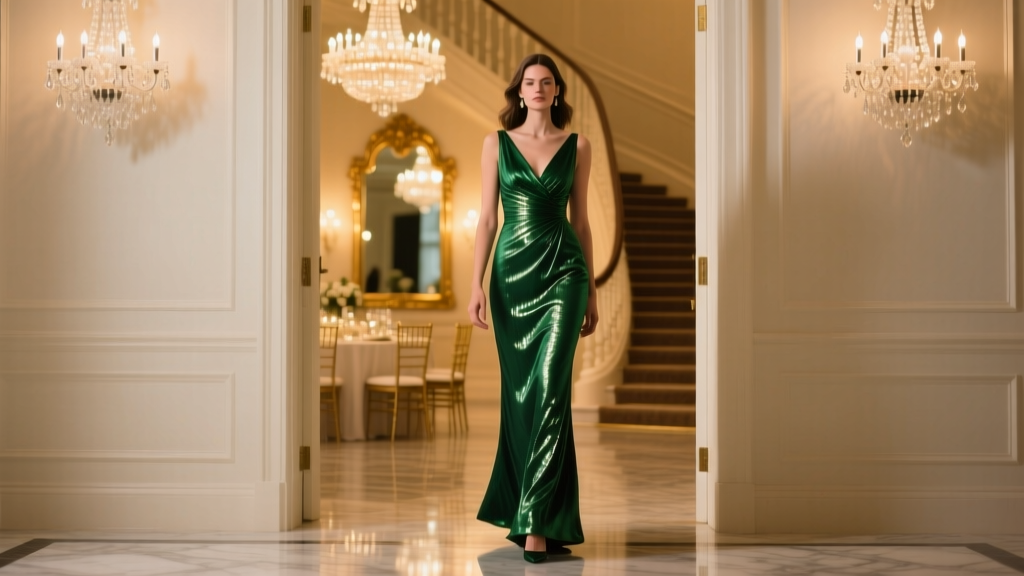
What to Wear for an Evening Wedding (2026)
Why Getting "What to Wear for an Evening Wedding" Right Changes Everything
Let’s be real: showing up underdressed at an evening wedding isn’t just awkward—it can unintentionally signal disrespect for the couple’s milestone. And overdoing it? That sequined gown or tuxedo with tails when everyone else is in elegant separates? Equally jarring. In 2024, 68% of guests report feeling moderate-to-high anxiety about wedding attire (The Knot Guest Survey, 2023), with evening ceremonies triggering the most uncertainty—because lighting shifts, venues transform, and dress codes get fuzzy after sunset. What to wear for a evening wedding isn’t just about fabric or formality; it’s about reading social cues, honoring cultural expectations, and aligning your presence with the couple’s vision—all before you even step into the reception hall. Get it right, and you’re not just dressed—you’re dialed in.
Your Evening Wedding Attire Blueprint: Beyond "Black Tie"
Here’s the uncomfortable truth no invitation tells you: “black tie” on a 5 p.m. beach ceremony means something wildly different than “black tie” at a 7:30 p.m. historic ballroom gala. Evening weddings demand context-aware dressing—not dictionary definitions. Start by decoding the invitation’s subtle signals:
- Time stamp matters more than wording: A ceremony starting at 6:15 p.m. or later is functionally an evening wedding—even if the dress code says “cocktail.”
- Venue trumps label: A converted warehouse with exposed brick and string lights? Lean toward elevated cocktail. A grand opera house with chandeliers and marble floors? Assume black tie unless explicitly stated otherwise.
- Seasonal nuance is non-negotiable: An October evening wedding in Chicago demands layered sophistication (think wool crepe dresses + cashmere wraps); a July wedding in Savannah calls for breathable silk blends and open-toe heels—even at night.
Real-world case study: Sarah, a guest at a 7 p.m. vineyard wedding in Napa, misread “semi-formal” as permission for a silk midi dress and block heels. She arrived to find 90% of women in floor-length gowns and men in full tuxedos. Why? Because the vineyard’s stone terrace, candlelit pergola, and live string quartet signaled *evening elegance*—a cue her “semi-formal” assumption ignored. Her fix? She borrowed a draped chiffon wrap from the hostess and swapped her sandals for strappy metallic heels—proving adaptability beats rigid interpretation.
Gender-Specific Guidelines That Actually Work (No Stereotypes, Just Strategy)
Forget outdated binaries—modern evening wedding attire prioritizes intention, fit, and respect over rigid rules. Here’s how to navigate it with clarity and confidence:
For Women & Non-Binary Guests
Length is your first decision point—but not your only one. Floor-length gowns are ideal for black-tie or formal evening weddings, especially indoors. But don’t assume shorter = inappropriate. A sophisticated knee-length sheath dress in luxe fabric (satin, velvet, or structured lace) works beautifully for upscale cocktail events—particularly outdoors or in modern lofts. Key differentiators:
- Fabric > Length: A matte jersey mini-dress reads casual; a liquid-silk slip dress with delicate straps reads intentional and refined—even at knee-length.
- Neckline & Back Detail: Evening invites bolder silhouettes. A deep V-back, illusion neckline, or sculptural off-shoulder design elevates simplicity instantly.
- Color Intelligence: Avoid pure white (reserved for the couple), ivory, and champagne—but don’t default to black unless the vibe is ultra-glamorous or moody. Jewel tones (emerald, sapphire, burgundy), rich neutrals (charcoal, taupe, deep olive), and muted metallics (gunmetal, antique gold) read more thoughtful and contemporary.
For Men & Non-Binary Guests
The tuxedo vs. suit debate hinges on three things: the invitation’s wording, the venue’s architecture, and the couple’s known style. If the invite says “black tie,” wear a tuxedo—no exceptions. But here’s where nuance kicks in:
- Modern Tuxedo Tweaks: Swap traditional black for midnight blue (photographs better, feels fresher), opt for a shawl collar instead of peak lapel for softer elegance, and choose a textured fabric like herringbone wool or crushed velvet for dimension.
- When a Suit Is Perfectly Legitimate: For “formal” or “cocktail” evening weddings in non-traditional spaces (rooftop bars, art galleries, barns with fairy lights), a well-fitted, dark-navy or charcoal suit—paired with a silk tie or pocket square, polished oxfords, and a crisp dress shirt—is not just acceptable—it’s often preferred.
- The Shoe & Accessory Litmus Test: Your footwear and accessories must match the formality level. Loafers or brogues? Fine for cocktail. Patent leather oxfords or opera pumps? Required for black tie. A silk pocket square? Yes. A novelty tie bar? Only if it’s minimalist and metallic.
Season & Climate: Your Secret Weapon (and Biggest Pitfall)
Evening weddings amplify temperature swings—and ignoring them sabotages your entire look. A guest wearing a sleeveless satin gown to a late-August rooftop wedding in Miami wilted within 20 minutes, while another in a wool-blend jumpsuit at a December Detroit mansion event shivered through dinner. Don’t let climate surprise you:
Spring (March–May): Layer smartly. A lightweight crepe dress + cropped bolero or faux-fur stole. For men: a wool-silk blend suit with a fine-gauge merino sweater underneath instead of a heavy coat.
Summer (June–August): Prioritize breathability *and* structure. Think linen-cotton blends, seersucker, or airy chiffon—not polyester. Open-toe heels and loafers are welcome, but avoid flip-flops or sandals with athletic soles. Bonus tip: Pack a compact, foldable shawl—air conditioning in ballrooms runs Arctic-cold.
Fall (September–November): Embrace texture. Velvet blazers, corduroy trousers, lace-up ankle boots (for women), and suede oxfords (for men) add richness. Deep jewel tones and earthy palettes dominate—and they photograph stunningly in golden-hour light.
Winter (December–February): Warmth shouldn’t mean bulk. Opt for thermal-lined coats, heated insoles, and fabrics like boiled wool, bouclé, or double-faced cashmere. A sleek cape or tailored wool coat beats a puffy parka every time—even if it’s snowing.
| Dress Code Clue | What It *Really* Means for Evening Weddings | Safe Go-To Outfit (Women) | Safe Go-To Outfit (Men) |
|---|---|---|---|
| “Black Tie” | Full formal: floor-length gowns or tuxedos required. No exceptions—even for outdoor venues. | Floor-length gown in silk, velvet, or satin; gloves optional but encouraged for ultra-traditional events. | Tuxedo (black or midnight blue) with bow tie, cummerbund or waistcoat, patent oxfords. |
| “Formal” | High elegance, but slightly less rigid than black tie. Floor-length or sophisticated knee-length acceptable. | Structured midi or tea-length gown; luxe separates (e.g., silk skirt + embellished top); elegant jumpsuit. | Dark suit (navy/charcoal) with silk tie, pocket square, dress shoes; tuxedo also appropriate. |
| “Cocktail” | Polished, fashion-forward, and intentional. Length flexible—but fabric and silhouette must read “evening.” | Knee-length or midi dress in luxe fabric; elegant romper or tailored pantsuit with statement top. | Well-fitted suit (any color except neon); dress shirt + tie or turtleneck; leather loafers or oxfords. |
| “Semi-Formal” | Rare for true evening weddings—but if used, assume “elevated everyday”: think refined, not relaxed. | Chic wrap dress, sophisticated knit dress, or high-waisted wide-leg trousers + silk blouse. | Blazer + dark chinos or wool trousers; collared shirt (tucked); clean leather shoes. |
| No Dress Code Listed | Assume “cocktail” for evening weddings—unless venue strongly suggests otherwise (e.g., beach → resort chic). | Midi dress in rich color/fabric; elegant jumpsuit; coordinated separates with heels. | Dark suit or sharp blazer + trousers; tie optional but recommended; polished shoes. |
Frequently Asked Questions
Can I wear black to an evening wedding?
Yes—absolutely, and often advised. Black is timeless, elegant, and universally flattering for evening events. Just ensure your outfit reads *intentional*, not funereal: choose luxe fabrics (silk, velvet, lace), interesting cuts (asymmetrical hem, cut-out back), or metallic accents (gold hardware, silver thread). Avoid matte cotton or overly boxy silhouettes that read “office meeting.” Pro tip: Pair black with warm-toned accessories (copper earrings, cognac clutch) to soften the palette.
Is it okay to wear pants to an evening wedding?
100%—and increasingly common and celebrated. A tailored, high-waisted wide-leg trouser in crepe or wool-blend, paired with a silk camisole, embellished blouse, or structured jacket, reads just as sophisticated as a gown. For men, it’s standard. For all genders: fit is paramount. Pants should skim—not squeeze—and heels or elegant flats complete the look. Bonus: They’re far more comfortable for dancing and navigating uneven terrain (like garden paths or cobblestone courtyards).
Do I need to bring a gift *and* wear special attire?
Yes—but they serve entirely different purposes. Your attire honors the couple’s celebration *in the moment*; your gift supports their future. Never skip proper attire thinking “I’ll make up for it with a big present.” It’s not transactional. One guest told us she spent $400 on a designer dress for a friend’s evening wedding—then gave a modest $75 gift card. She said, “Seeing her face light up when I walked in? Worth every penny. The gift was just logistics.” Attire is emotional currency.
What if the wedding is destination-based (e.g., Italy or Mexico)?
Research local norms *and* the couple’s preferences. In Southern Europe, evening weddings often run later (9–11 p.m.) and lean ultra-elegant—even “cocktail” may mean floor-length. In Mexico, vibrant colors and embroidery are welcomed (but avoid sombreros or stereotyped “fiesta” prints unless invited). Always check the couple’s wedding website—they often include regional tips. When in doubt: elevate, don’t appropriate. Choose locally inspired textiles (Oaxacan cotton, Tuscan linen) over clichéd motifs.
Debunking 2 Persistent Myths
Myth #1: “If it’s not black tie, I can wear anything semi-nice.”
Reality: “Cocktail” and “formal” are precise dress codes—not loopholes. Wearing a cocktail dress to a black-tie-required evening wedding undermines the couple’s vision and makes other guests uncomfortable. It’s like showing up to a Michelin-starred dinner in sweatpants because “the menu didn’t say ‘suit required.’” Respect the framework.
Myth #2: “Men must rent a tuxedo—even if they own one.”
Reality: Owning a well-fitted, modern tuxedo (especially in midnight blue or charcoal) is smarter long-term. Rental tuxedos often have dated lapels, ill-fitting jackets, and synthetic fabrics that shine under reception lighting. If you attend 2+ formal events per year, buying pays for itself in 2–3 years—and ensures perfect fit and fabric integrity.
Your Next Step: Dress With Purpose, Not Panic
Choosing what to wear for a evening wedding isn’t about chasing trends or fearing judgment—it’s about showing up as your most grounded, respectful, and joyful self. You now know how to decode invitations, adapt to seasons and venues, honor gender expression authentically, and sidestep costly missteps. So take one actionable step today: open your closet, pull out one garment you already own that fits the “elevated cocktail” standard (think: that navy wrap dress, that charcoal suit, that silk jumpsuit), and style it with one new accessory—a statement earring, a vintage cufflink, a textured clutch—to transform it for your next evening wedding. Confidence isn’t worn—it’s cultivated. And it starts with knowing, deeply, that you belong there—exactly as you are.
More Articles
 Wedding Shower Guide: Stress-Free Tips for Guests & Hosts
 Wedding Vendor Tipping Guide (2026)
 Clean Tulle Wedding Dress: 7 Expert Steps (2026)
 How Long Before Wedding To Send Save The Dates (2026)
 Wedding Band Timeline: Real Wait Times & How to Speed It Up
 How Long Is Ceremony Wedding? Real Timeline Data
 How to Play the Wedding Shoe Game (2026)
 How Much Do You Tip Wedding Florist (2026)
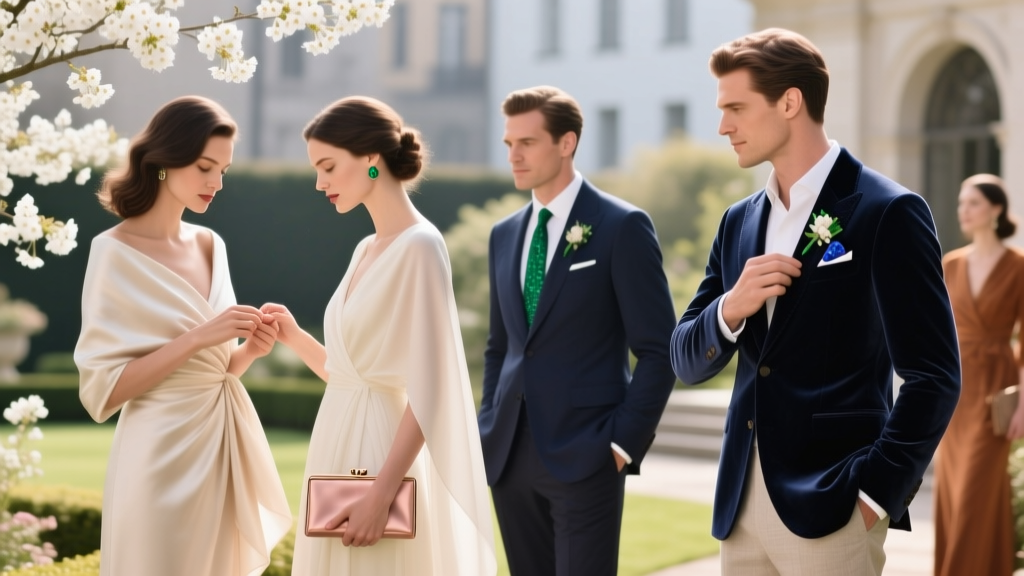 What to Wear for a Wedding as a Guest (2026)
 How to Make a Wedding Dress Skirt (2026)