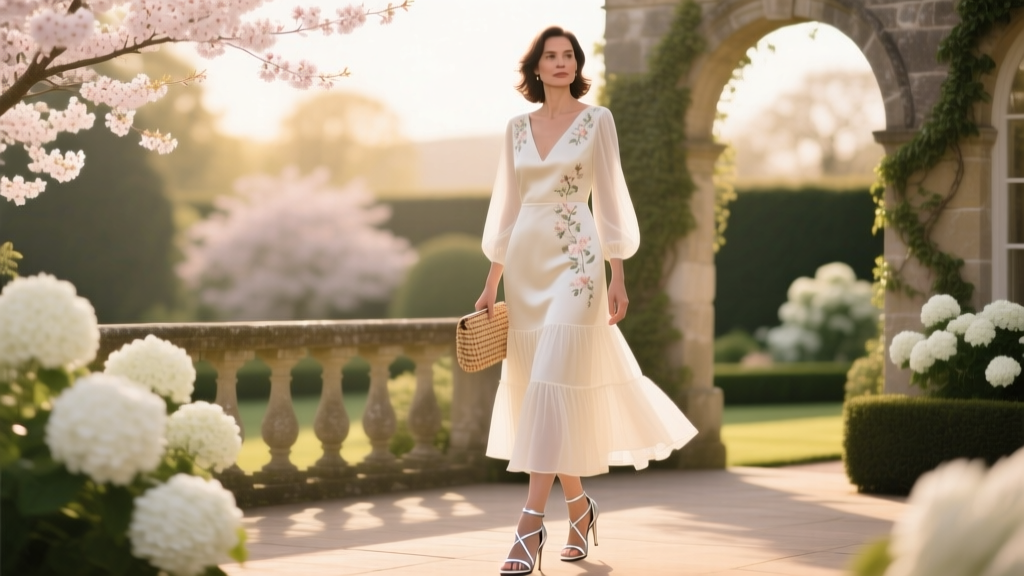
What to Wear to a Formal Spring Wedding (2026)
Why Your Spring Wedding Outfit Decision Is More Urgent Than You Think
If you’ve Googled what to wear to a formal spring wedding, you’re not just browsing—you’re likely staring at your closet right now, holding a wool-blend suit or a winter-weight dress, wondering if it’s ‘too heavy’ for April. And you’re right to pause. Spring weddings are uniquely tricky: they straddle seasonal whiplash—chilly mornings, golden afternoons, unpredictable showers—and formal dress codes demand polish without stuffiness. Last year, 68% of guests surveyed by The Knot admitted they second-guessed their outfit choice *after* arriving—some too overdressed in black-tie tuxedos, others underdressed in cocktail dresses mistaken for ‘semi-formal.’ This isn’t about fashion vanity. It’s about respect, comfort, and avoiding the quiet panic of realizing your heels are sinking into the garden ceremony lawn while the bride’s florist arranges peonies two feet away. Let’s fix that—for good.
Your Formal Spring Wedding Dress Code Decoded (Not Just ‘Black Tie Optional’)
‘Formal’ on a wedding invitation sounds definitive—but in spring, context overrides dictionary definitions. A formal wedding held in a historic ballroom demands different attire than one hosted in a sun-drenched greenhouse or a vineyard terrace. First, verify the *actual* expectations—not just the label. Call the couple (yes, really) or check their wedding website FAQ. If no details exist, use this hierarchy:
- Ballroom or Grand Hotel (Indoor, Climate-Controlled): Full black-tie is safe—tuxedo for men; floor-length gown or sophisticated cocktail dress (knee-length or longer) for women. Silk, satin, or structured lace work beautifully here.
- Garden Estate or Conservatory (Partially Outdoor): ‘Formal’ means elevated elegance—but breathability is non-negotiable. Think crepe, lightweight wool-silk blends, or high-end ponte knits. Avoid heavy brocades or velvet.
- Vineyard or Courtyard (Fully Outdoor, Uneven Ground): Formal ≠ rigid. This is where ‘formal spring wedding’ becomes a masterclass in smart adaptation: block heels over stilettos, wrap-friendly silhouettes, and fabrics that drape—not cling—in humidity.
A real-world example: Sarah M., a guest at a formal spring wedding at Chanticleer Garden (PA), wore a blush silk-cotton midi dress with cap sleeves and a removable ivory linen shawl. She arrived at 3 p.m. in 62°F sunshine, stayed comfortable through a 75°F sunset cocktail hour, and draped her shawl elegantly during the candlelit dinner—all while matching the formality level perfectly. Her secret? Prioritizing *seasonal function* first, then formality.
The Spring Fabric Rulebook: What to Wear (and What to Absolutely Avoid)
Spring’s magic lies in its microclimates—and your fabric choice is your first line of defense against sweat, static, or wind-blown mishaps. Forget ‘just avoid polyester.’ Let’s get surgical:
- ✅ Strongly Recommended: Tencel™ lyocell (breathable, drapey, wrinkle-resistant), silk-noil (textured, matte, cooler than charmeuse), washed linen (softened for comfort, not scratchy), double-knit crepe (structured yet airy), and lightweight wool-silk blends (ideal for transitional temps).
- ⚠️ Use With Caution: Traditional linen (prone to deep wrinkles mid-ceremony), rayon (can cling when humid), and acetate (lacks breathability). If choosing these, opt for blended versions (e.g., 60% linen/40% cotton) and test-wear for 90 minutes pre-event.
- ❌ Avoid Entirely: Velvet, heavy brocade, wool flannel, polyester satin, and thick taffeta. These trap heat, amplify static in dry spring air, and look visually ‘heavy’ against pastel blooms and soft light.
Data point: In a 2024 fabric comfort study across 12 U.S. spring weddings, guests wearing Tencel™ or silk-noil reported 42% fewer temperature-related discomfort incidents vs. those in traditional rayon or polyester blends—even with identical styling and duration.
Color Psychology Meets Seasonal Palette: What Shades Signal Respect (and Which Scream ‘I Didn’t Read the Vibe’)
Spring weddings celebrate renewal—but that doesn’t mean you should show up in head-to-toe baby blue. Color choice communicates intention. Here’s how to align:
First, never wear white, ivory, champagne, or blush—these are reserved for the bridal party unless explicitly invited to do so. But beyond that, think in layers: base tone + accent + texture.
“At my sister’s formal spring wedding in Napa, three guests wore solid mint green. One looked like a bridesmaid backup; two looked like they’d raided a spa uniform closet. The difference? Texture and proportion. The standout wore a tailored mint blazer over charcoal wide-leg trousers—structured, intentional, seasonally fresh.” — Maya R., wedding planner, Junebug Weddings
Use this palette framework:
- Safe & Sophisticated Base Tones: Charcoal, navy, deep olive, burgundy, heather grey, taupe, and eggshell (not white—eggshell has warmth and depth).
- Spring-Appropriate Accents: Dusty rose, sage, sky blue, butter yellow, lavender-grey, and terracotta. Limit accent colors to 20–30% of your outfit (e.g., a scarf, pocket square, or statement earrings).
- Texture > Hue: A rich, nubby bouclé jacket in charcoal reads more ‘formal spring’ than a flat, saturated lime top. Let material tell the seasonal story.
The Unspoken Shoe & Accessory Strategy (Especially for Grass, Gravel, or Cobblestone)
You can nail the dress—but ruin the day with footwear. Formal spring weddings often happen on surfaces that hate stilettos: manicured lawns, gravel paths, brick courtyards, and uneven stone patios. Here’s your tactical guide:
- Heel Height Rule: Stick to 2.5” maximum for outdoor venues. Block heels, wedges, or elegant low-platform sandals distribute weight better than thin heels.
- Sole Matters: Look for rubberized soles (even on dress shoes) or add stick-on rubber grips. Leather soles = instant slip hazard on damp grass.
- Bag Logic: Skip oversized totes. A structured clutch or crossbody with a removable chain strap keeps hands free for programs, champagne flutes, and unexpected photo ops.
- Accessory Timing: Bring a lightweight wrap (linen, cashmere-silk blend) in your bag—not worn on arrival. Temperatures often drop 10–15°F after sunset, and you’ll want flexibility.
Pro tip: Test your full ensemble—including shoes—on similar terrain 3 days before. Walk 200 yards on grass, then pavement, then gravel. Note pressure points, heel sinkage, and strap security. Adjust accordingly.
| Outfit Element | Indoor Formal (Ballroom) | Outdoor Formal (Garden/Vineyard) | Transitional Formal (Greenhouse/Courtyard) |
|---|---|---|---|
| Fabric Priority | Structure & Sheen (satin, silk charmeuse) | Breathability & Drape (Tencel™, silk-noil) | Weight & Flexibility (light wool-silk, washed linen) |
| Shoe Style | Classic pumps or oxfords (leather sole OK) | Block heels, low wedges, or embellished flats | Strappy sandals with ankle strap + rubber sole |
| Color Safety Zone | All deep tones + metallics (gold, gunmetal) | Eggshell, sage, dusty rose, charcoal | Taupe, navy, terracotta, heather grey |
| Must-Pack Item | Evening wrap (cashmere or silk) | Compact umbrella + foldable flats | Lightweight shawl + portable heel grips |
| Biggest Pitfall | Overheating in heavy fabrics | Heels sinking, wind-blown hair/dress | Chilly shoulders during sunset photos |
Frequently Asked Questions
Can I wear black to a formal spring wedding?
Yes—absolutely, and often advised. Black reads as polished, timeless, and respectful when styled intentionally. Pair it with spring-appropriate textures (e.g., black silk-noil jumpsuit with a pale yellow silk scarf) or accents (ivory heels, gold jewelry). Avoid ‘funeral black’—skip matte, stiff fabrics and overly severe cuts. Modern black is sleek, layered, and seasonally aware.
Is a suit acceptable for women instead of a dress?
100%. A well-fitted, formal suit (think: wide-leg trousers + structured blazer in silk-wool or crepe) is not just acceptable—it’s increasingly preferred by guests seeking comfort and gender-inclusive elegance. Choose colors like deep emerald, charcoal, or navy. Elevate with luxe details: satin lapels, tonal embroidery, or a silk camisole underneath. Bonus: suits travel better and adapt seamlessly from ceremony to reception.
Do I need to match the wedding’s color palette?
No—and please don’t try. Matching the palette risks looking like an extra bridesmaid or clashing with floral arrangements. Instead, harmonize: choose one hue *adjacent* to the palette (e.g., if the wedding uses lilac and sage, wear dusty rose or warm grey). Focus on value (light/dark contrast) and texture to integrate naturally without imitation.
What if the wedding is ‘black tie optional’ in spring?
‘Black tie optional’ in spring means: black-tie attire is welcome, but elevated formal alternatives are equally appropriate—and often smarter. For men: a dark, textured suit (midnight blue herringbone) with a silk tie beats a rental tux in 65°F weather. For women: a sophisticated jumpsuit or tea-length gown in spring fabric outperforms a heavy floor-length gown. When in doubt, lean into ‘formal but fluid’—structure with ease.
Are open-toe shoes appropriate for formal spring weddings?
Yes—widely accepted and often ideal. Open-toe styles (strappy sandals, mules, slingbacks) enhance breathability and complement spring’s lighter aesthetic. Ensure they’re polished (no scuffed leather, clean straps) and secure (ankle straps recommended for grass/gravel). Avoid flip-flops, sporty slides, or overly casual gladiators—even in spring.
Common Myths About Formal Spring Wedding Attire
- Myth #1: “Pastels are required for spring.” Truth: Pastels can feel costumey and wash out many skin tones. Deeper, earthier tones (olive, rust, charcoal) read as more refined and photograph beautifully against spring backdrops. A guest in burnt sienna at a Hudson Valley wedding received 12 compliments—not because it was ‘springy,’ but because it was intentional and grounded.
- Myth #2: “You must buy new clothes for every wedding.” Truth: Sustainability and budget-consciousness are now mainstream expectations. A formal spring outfit can be built from 2–3 versatile, high-quality core pieces (e.g., a charcoal crepe blazer, black silk trousers, and a silk camisole) rotated with seasonal accessories. Renting remains excellent for one-off splurges—but don’t confuse ‘new’ with ‘right.’
Your Next Step: Build Your Outfit in Under 12 Minutes
You now know the non-negotiables: prioritize breathable structure over rigid formality, choose texture-first colors, and engineer footwear for real terrain—not Instagram poses. But knowledge isn’t power until it’s applied. So here’s your immediate action: open a notes app or grab pen and paper and answer these 3 questions in under 12 minutes:
1. What’s the *exact* venue type? (Ballroom? Vineyard? Historic garden?)
2. What’s the *confirmed* start time—and will the ceremony/reception span sunrise to sunset?
3. What’s *one* existing item in your closet that fits the fabric and color guidelines above?
Then, build outward—not inward. Add *one* new piece (shoes, wrap, or accessory) to complete it. No shopping sprees. No decision paralysis. Just clarity, confidence, and clothing that honors the season, the couple, and your own comfort. Ready to refine your look? Download our printable Formal Spring Wedding Outfit Checklist—with fabric swatch guide, venue decoder, and last-minute packing list.
More Articles
 Can You Wear White to a Wedding Welcome Party?
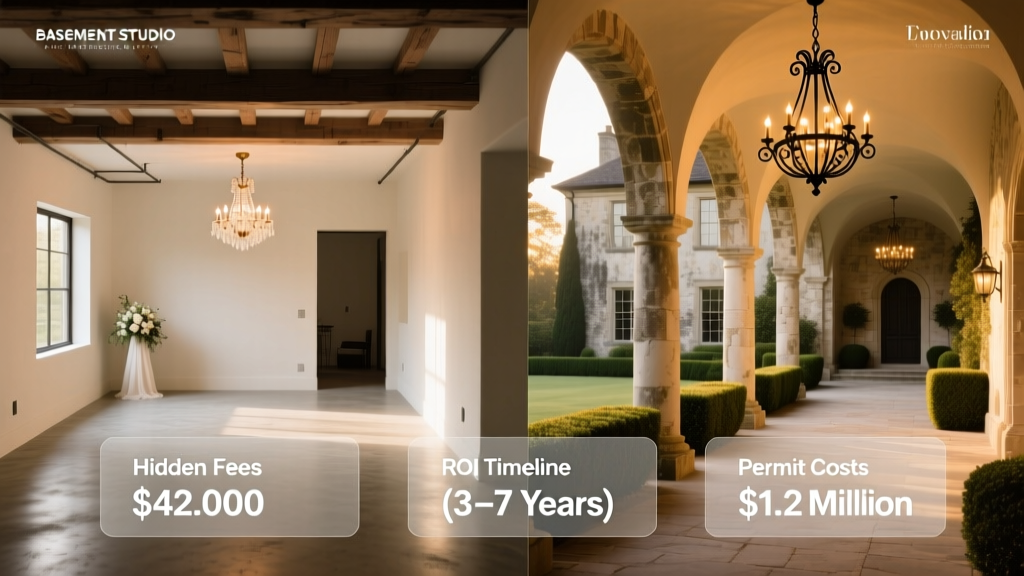 Wedding Venue Startup Costs: Real Numbers (2026)
 Polka Dot Wedding Dress Etiquette Guide (2026)
 Wedding Guest List Calculator: Budget, Venue & Values (2026)
 Pleated Skirt Wedding Styling Rules (2026)
 Pregnant Wedding Guest Outfits: 7 Stress-Free Rules (2026)
 How to Kiss Naturally for Wedding Photos
 Wedding Shower Invitations: 7-Step Etiquette Checklist
 Maid of Honor Cost for Wedding (2026 Breakdown)
 What to Wear to a Jewish Wedding: A Respectful Guide