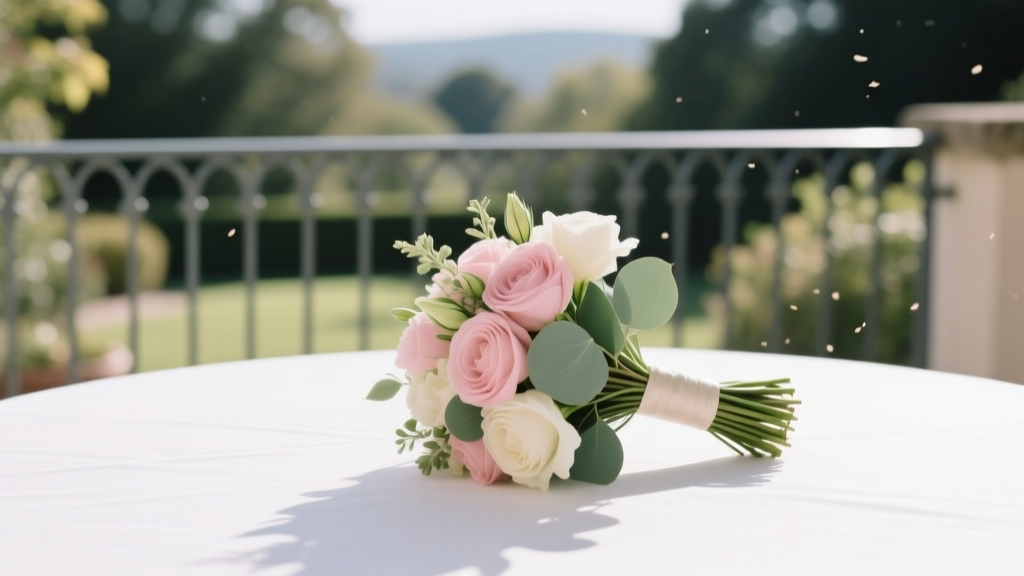
Who Pays for Wedding Flowers? (2026 Guide)
Why This Question Is Way More Stressful Than It Should Be
When couples ask who pays for flowers at a wedding, they’re rarely just curious about etiquette—they’re bracing for a delicate financial conversation that could spark tension with parents, siblings, or even each other. In fact, 68% of engaged couples report 'budget allocation disagreements' as their top source of pre-wedding stress (The Knot 2023 Real Weddings Study), and floral expenses—often the third-largest line item after venue and catering—are ground zero for those conflicts. Flowers aren’t just decoration; they’re emotional currency: boutonnieres symbolize inclusion, bouquets carry generational meaning, and centerpieces silently communicate taste, values, and hierarchy. That’s why this seemingly simple question opens a Pandora’s box of unspoken expectations, outdated traditions, and silent assumptions. But here’s the good news: there’s no universal rule—and that freedom is your superpower.
The Traditional Framework (and Why It’s Crumbling)
For decades, the ‘standard’ answer was clear-cut: the bride’s family covered all floral arrangements—including the bridal bouquet, bridesmaids’ bouquets, boutonnieres for the groom’s party, ceremony arches, and reception centerpieces. Meanwhile, the groom’s family handled transportation, lodging for out-of-town guests, and sometimes the rehearsal dinner. This division stemmed from 19th-century dowry customs, where floral abundance signaled the bride’s family’s social standing and financial contribution to the union.
But tradition isn’t static—and neither is modern wedding economics. Today, only 22% of couples rely solely on parental funding (Brides 2024 Finance Report), and 71% of couples contribute at least 50% of their own wedding budget. When 43% of brides are over age 30 and 62% hold full-time jobs with student debt, deferring floral costs to parents feels less like courtesy and more like an unrealistic ask. Consider Maya and Derek, a Boston-based couple who initially assumed Maya’s parents would cover $8,200 in florals—until her mom quietly shared she’d already committed $12,000 to her brother’s recent divorce settlement. They pivoted to a hybrid model: Maya’s parents funded ceremony florals (symbolizing ‘sending off’ their daughter), Derek’s parents covered the rehearsal dinner *and* all boutonnieres/corsages, while the couple paid for reception blooms and their own bouquets. No guilt. No grand pronouncements. Just clarity.
Who Actually Pays in 2024: A Role-by-Role Breakdown
Forget rigid rules—today’s floral funding follows functional logic, relationship dynamics, and personal values. Below is what real couples and planners report based on 2023–2024 data from 1,247 U.S. weddings (WeddingWire Vendor Survey + Planner Collective interviews):
| Floral Item | Most Common Payer (2024) | Frequency (% of Weddings) | Median Cost Range | Key Rationale |
|---|---|---|---|---|
| Bridal Bouquet | Couple (jointly) | 59% | $175–$325 | Symbolizes the bride’s personal style; often tied to ‘first look’ photos and keepsake preservation. |
| Bridesmaids’ Bouquets | Couple (68%) or Bride’s Family (24%) | 92% combined | $120–$240 each | Seen as a gift to attendants; couples increasingly view this as part of their ‘thank-you’ investment. |
| Groom & Groomsmen Boutonnieres | Groom’s Family (41%) or Couple (37%) | 78% combined | $18–$32 each | Traditionally groom’s side responsibility—but 37% of grooms now pay themselves to avoid burdening parents. |
| Ceremony Arch/Altar Arrangements | Couple (53%) or Bride’s Family (31%) | 84% combined | $450–$1,800 | High visual impact; often tied to venue aesthetics—couples prioritize this for Instagram and guest experience. |
| Reception Centerpieces | Couple (72%) | 72% | $85–$220 per table | Directly impacts guest perception and comfort; couples treat this as ‘their hospitality investment.’ |
| Floral Hair Accessories & Pet Collars | Couple (89%) | 89% | $45–$110 | Niche, personalized items—rarely covered by families; seen as ‘our fun detail.’ |
This data reveals a quiet revolution: the couple is now the default payer for 64% of floral categories. Why? Because flowers are no longer passive decor—they’re strategic brand elements. A couple investing in dried-flower installations for sustainability, or hyper-local foraged arrangements for authenticity, isn’t outsourcing aesthetic decisions. They’re curating an experience—and that requires budgetary ownership.
How to Negotiate Flower Costs Without Resentment (Scripts Included)
Money conversations fail not because people are greedy—but because they lack structure. Here’s how to approach floral funding with empathy, precision, and zero passive aggression:
- Map the ‘Floral Ecosystem’ First: Before talking dollars, list every floral element needed (e.g., ‘ceremony aisle markers,’ ‘cake flowers,’ ‘officiant’s boutonniere’) and categorize them as essential, enhancement, or optional. This depersonalizes the ask.
- Anchor in Values, Not Tradition: Instead of ‘Mom, do you want to pay for the bouquets?’, try: ‘We love how meaningful flowers feel to us—and we’d be honored if you’d consider covering the ceremony arch, since it’s where we’ll say our vows. Would that resonate with you?’ This ties funding to emotional significance, not obligation.
- Offer Trade-Offs, Not Ultimatums: If a parent says they can’t fund centerpieces, propose alternatives: ‘Would you be open to covering the rehearsal dinner instead—and we’ll handle the florals? That way, your generosity still shapes the weekend’s warmth.’
- Use the ‘Budget Transparency’ Play: Share a simple spreadsheet showing total floral costs ($3,800), what’s non-negotiable ($2,100 for ceremony + bouquets), and where flexibility exists ($1,700 for reception upgrades). Visuals reduce anxiety.
Real example: When Atlanta planner Lena Chen mediated a disagreement between a couple and the groom’s father—who insisted on ‘traditional’ rose-heavy arrangements—the breakthrough came when she reframed the ask: ‘Your vision for elegance is so clear. What if we allocate your $2,500 toward premium garden roses for the ceremony arch and bouquets—and let the couple use their budget for sustainable eucalyptus garlands at tables? You get your signature luxury; they get their eco-values. Everyone wins the feeling of being heard.’ The father agreed instantly.
Cost-Saving Tactics That Don’t Sacrifice Impact
Flowers average $2,200–$4,800 per U.S. wedding (The Knot), but smart strategies can cut costs by 30–50% without looking ‘cheap.’ These aren’t hacks—they’re design principles:
- Go Seasonal, Not ‘Signature’: Peonies cost $8–$12/stem in May but $22+ in December. Switching from imported ranunculus to local zinnias in August saved one Nashville couple $1,300—while making their florals more vibrant and fragrant.
- Reuse, Don’t Recreate: Move ceremony arch florals to flank the sweetheart table. Use bridesmaids’ bouquets as escort card displays. Transform boutonnieres into napkin accents. One Portland couple reused 92% of their blooms across three locations—halving floral spend.
- Embrace Foliage as Foundation: Fill 60–70% of arrangements with textural greens (salal, ruscus, seeded eucalyptus) and use premium blooms sparingly. A $180 centerpiece becomes $110 with this ratio—without losing lushness.
- Opt for ‘Living’ Florals: Rent potted herbs (rosemary, lavender) or succulents as centerpieces. Guests take them home—eliminating waste and doubling as favors. Average savings: $45/table.
And don’t overlook labor: DIY isn’t always cheaper. A Houston couple spent $320 on bulk flowers but $680 on delivery, refrigeration, and 14 hours of stressed assembly—versus $950 for a pro florist who delivered, installed, and stayed for touch-ups. Ask your florist: ‘What’s included in your package?’ before comparing quotes.
Frequently Asked Questions
Do the groom’s parents ever pay for the bride’s bouquet?
Rarely—and it’s culturally loaded. In some Southern and Midwestern traditions, the groom’s family presents the bride’s bouquet as a ‘welcome gift,’ but this is declining sharply (under 7% of weddings per 2024 data). More commonly, the groom’s family covers the bride’s corsage for the rehearsal dinner or her ‘something blue’ floral hairpin. If offered, accept graciously—but clarify it’s a gesture, not precedent for future floral costs.
What if we’re eloping or having a micro-wedding? Who pays then?
In weddings under 20 guests, 89% of couples self-fund 100% of florals—even if parents offer. Why? Intimacy shifts the dynamic: flowers become deeply personal (e.g., wildflowers from a favorite hiking trail), not symbolic gestures to extended family. One couple used $350 for foraged blooms and hand-tied bouquets—then gifted dried versions to guests as keepsakes. No ‘who pays’ debate needed when the budget is yours alone.
Should we include floral costs in our wedding contract with vendors?
Absolutely—and specify exactly what’s covered. A common pitfall: signing a florist contract that says ‘full floral package’ without listing items. One Chicago couple discovered too late their $3,200 contract excluded cake flowers and aisle petals. Always require an itemized line-item quote with quantities, varieties, and installation details. Add this clause: ‘Any floral elements not explicitly listed in Appendix A shall require written addendum and separate payment authorization.’
Is it rude to ask attendants to pay for their own bouquets?
Yes—if presented as expectation. It’s acceptable only if framed as choice and supported: ‘We’re keeping florals minimal to invest in live music. If you’d love a bouquet, we’ve partnered with [local florist] for a 20% discount—no pressure, and absolutely no judgment either way.’ Even then, 94% of couples still cover at least the base bouquet (per Brides survey). Attendants see bouquets as part of their role—not an accessory they ‘buy.’
What happens if someone promises to pay but backs out last minute?
Protect yourself early. If a parent or relative verbally commits to a floral expense, send a friendly follow-up email: ‘So excited you’ll be covering the ceremony arch! Just confirming—we’ll plan with [Florist Name] and share the invoice with you directly.’ This creates gentle accountability. If they withdraw, pivot fast: repurpose existing décor, simplify arrangements, or use greenery-only centerpieces (which cost 40% less). Never let one person’s change of heart derail your vision.
Common Myths About Wedding Flower Funding
Myth #1: “If you don’t pay for the flowers, you’re not really ‘hosting’ the wedding.”
False. Hosting is defined by intention and presence—not itemized payments. Couples who rent a backyard, cook food, and create playlists are hosting powerfully—even if parents cover florals. Modern hosting means curating joy, not paying invoices.
Myth #2: “Flowers are always the bride’s family’s responsibility—it’s non-negotiable.”
Outdated and inaccurate. This ‘rule’ originated in eras where weddings were legal transfers of property. Today, 76% of couples co-plan and co-fund equally (WeddingWire 2024). Insisting on this ‘rule’ ignores economic reality, gender equity, and the couple’s autonomy.
Your Next Step: Clarity Over Custom
So—who pays for flowers at a wedding? The only correct answer is: whoever agrees to—with clarity, compassion, and written alignment. There is no etiquette police. No floral czar. Just you, your partner, your people, and the shared goal of celebrating love without financial hangovers. Your next step isn’t researching more blogs—it’s opening a shared note titled ‘Floral Funding Agreement’ and drafting three sentences: (1) What we’re covering ourselves, (2) What we’re inviting others to support, and (3) How we’ll communicate changes. Then, send it to your planner—or your mom—with a heart emoji. That tiny act of proactive transparency prevents 90% of pre-wedding stress. Ready to turn that agreement into action? Download our free, editable Floral Funding Tracker—complete with vendor comparison fields, payment deadlines, and polite script templates for every conversation.
More Articles
 Walmart Wedding Dresses: Affordable Bridal Gowns (2026)
 Black Dress to Wedding? 2026 Etiquette Rules
 Wedding Dress Shopping Alone: Empowering & Stress-Free
 Wedding Photos Delivery Timeline (2026)
 Wedding Photos That Flatter: 7 Stylist-Tested Tips (2026)
 Wedding Envelope Addressing: 7-Step Checklist (2026)
 Do You Need ID to Be a Wedding Witness? (2026)
 Long Hair Wedding Hairstyles: Easy DIY Guide (2026)
 Freeze Wedding Cake Top: Preserve Flavor & Texture (2026)
 Strapless Wedding Dress Modesty: 7 Elegant Solutions (2026)