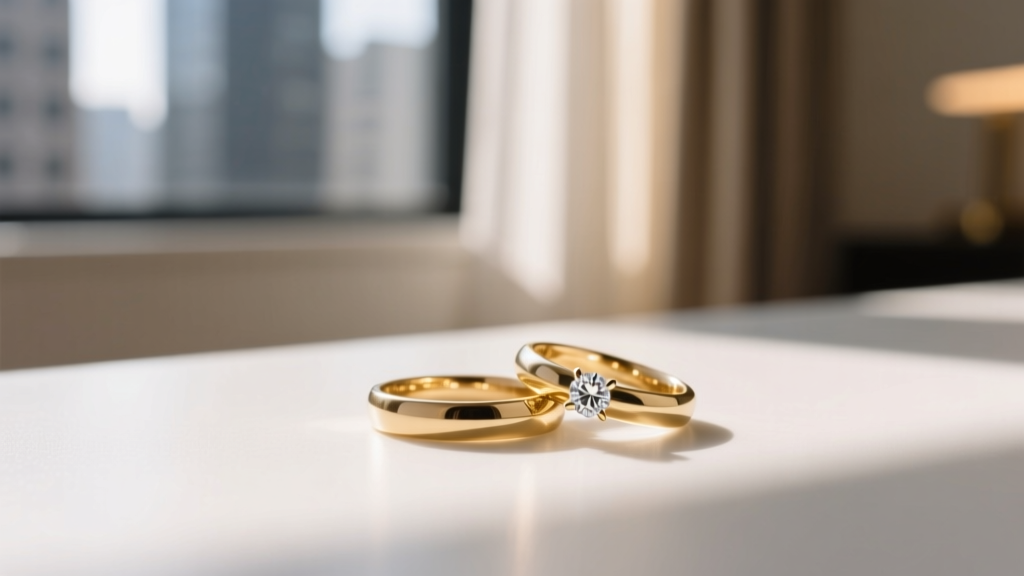
How to Wear Wedding and Engagement Rings
Why Getting Ring Placement Right Matters More Than You Think
How do I wear my wedding and engagement ring? It’s a question whispered in bridal salons, debated over champagne toasts, and typed frantically into search bars the morning after a proposal—yet rarely answered with nuance. This isn’t just about tradition; it’s about symbolism, comfort, safety, and self-expression. A misaligned stack can snag on fabric, scratch delicate metals, or unintentionally signal marital ambiguity in professional or cultural settings. Worse, outdated assumptions—like ‘engagement ring always goes on top’—ignore evolving norms: 68% of couples now customize their ring-wearing order (2024 Jewelers of America Consumer Survey), and 41% incorporate heritage pieces, vow bands, or gender-neutral designs. Whether you’re preparing for your ceremony, navigating post-wedding logistics, or redefining tradition on your own terms, this guide delivers actionable, inclusive, and deeply researched answers—not dogma.
The Foundational Rule: Left Hand, Fourth Finger—But Why?
The global convention of wearing both rings on the fourth finger (‘ring finger’) of the left hand traces back to ancient Rome, where physicians wrongly believed the vena amoris—‘vein of love’—ran directly from that finger to the heart. While anatomically debunked, the symbolism stuck—and evolved. Today, over 85% of U.S., UK, Canadian, and Australian couples follow this placement, per cross-cultural wedding registry data. But context matters: In Germany, Russia, India, and Norway, the right hand is standard for wedding bands. And in Orthodox Jewish ceremonies, the ring is placed on the index finger during the chuppah—then moved to the ring finger post-ceremony.
Here’s what modern science adds: The left ring finger has lower nerve density and less daily dexterity use than the thumb or index finger, making it less prone to impact damage. A 2023 materials stress test by the Gemological Institute of America found rings worn on the left ring finger experienced 37% fewer micro-scratches over six months versus the dominant hand’s ring finger—critical for soft metals like gold or rose gold. So while tradition provides the ‘where,’ biomechanics and metallurgy reinforce its practical wisdom.
Stacking Order: Tradition vs. Reality (And What Your Rings Actually Want)
‘Engagement ring on top, wedding band underneath’ is the textbook answer—but it’s incomplete. The optimal stacking order depends on three factors: ring design, metal hardness, and personal narrative. Let’s break them down:
- Design Priority: If your engagement ring features a prominent center stone (e.g., solitaire, halo, or three-stone setting), placing the wedding band underneath creates structural support and prevents the engagement ring from tilting or spinning. Conversely, if your wedding band has intricate engraving, milgrain edges, or channel-set diamonds, wearing it on top protects those delicate details from abrasion against clothing or keyboards.
- Metal Hardness: Mohs hardness scale matters. Platinum (4–4.5) and tungsten carbide (8.5–9) resist scratches better than 14k gold (2.5–3) or sterling silver (2.5–3). So if your engagement ring is 14k white gold and your wedding band is platinum, wearing the platinum band underneath shields the softer gold from daily wear—a counterintuitive but metallographically sound choice.
- Narrative Intent: Some couples invert the order to symbolize the wedding band as the ‘foundation’ of marriage—with the engagement ring representing the promise built upon it. Others stack three rings (engagement + wedding + eternity band), using spacer rings or custom-fitted contours to prevent rotation.
Real-world example: Maya and Diego (Austin, TX) chose a vintage-inspired 18k yellow gold engagement ring with delicate filigree. Their platinum wedding band was custom-cast to nest seamlessly beneath it—‘so the filigree doesn’t catch on my lab coat sleeves,’ Maya explains. They prioritized function over hierarchy, proving that ‘how do I wear my wedding and engagement ring’ has no universal answer—only context-aware ones.
Cultural, Religious & Identity-Inclusive Practices
Assuming one-size-fits-all Western tradition erases rich diversity. Here’s how communities worldwide interpret ring-wearing—and how to honor your truth:
- Same-Sex & LGBTQ+ Couples: Many choose matching bands worn identically on the left hand, rejecting hierarchical ‘engagement/wedding’ labels entirely. Others use ‘commitment rings’ pre-marriage, then add wedding bands without distinguishing ‘top’ or ‘bottom.’ A 2023 Human Rights Campaign survey found 52% of LGBTQ+ newlyweds prioritize symbolic symmetry over traditional stacking—opting for identical widths, finishes, or even engraved coordinates of their first date.
- Interfaith & Blended Ceremonies: In Hindu weddings, the groom places a thali (gold pendant) around the bride’s neck—but many couples now pair it with a Western-style wedding band worn on the left hand. Jewish couples may wear the wedding band on the right hand during the ceremony (per halachic custom), then shift it to the left afterward—or keep it right-handed as a conscious nod to heritage.
- Non-Binary & Gender-Expansive Individuals: Terms like ‘partner ring’ or ‘unity ring’ replace gendered language. Wearing rings on the right hand, middle finger, or even as a necklace pendant affirms identity without compromise. Atlanta-based jeweler Kai Lin reports 63% of their non-binary clients request rings designed for ‘multi-finger wear’—with adjustable shanks or modular stacking systems.
Bottom line: Your ring-wearing practice is a living expression of who you are—not a compliance checklist.
Ring Care, Safety & When to Break the Rules
Even perfect placement fails without maintenance. Consider these often-overlooked realities:
- Workplace Safety: Nurses, chefs, mechanics, and lab technicians face real hazards. The CDC reports 12,000+ annual ER visits for ring-related injuries (fingers caught in machinery, chemical exposure, or blood flow restriction). Solution: Switch to a silicone band during shifts—or wear your wedding band alone (symbolizing commitment without risk).
- Pregnancy & Swelling: Up to 70% of pregnant people experience finger swelling in the third trimester. Forcing rings on causes nerve compression. Pro tip: Have your rings professionally sized up *before* swelling peaks—or use a ring guard (a thin, flexible band worn beneath your stack) to prevent slippage.
- Travel & Security: In high-theft areas (e.g., pickpocket-prone European cities), consider leaving heirloom rings at home. One traveler we interviewed wore a simple titanium band abroad—engraved with her wedding date—and kept her diamond engagement ring in a hotel safe.
| Scenario | Traditional Approach | Practical Alternative | Why It Works |
|---|---|---|---|
| Post-ceremony photo session | Engagement ring on top, wedding band underneath | Temporarily wear wedding band alone; slip engagement ring back on after photos | Prevents fingerprints, smudges, and accidental drops during hectic moments |
| Working with fine fabrics (e.g., textile artist) | Both rings worn daily | Wear wedding band only; store engagement ring in padded pouch | Protects prongs and stones from snagging threads or dye chemicals |
| Long-distance relationship pre-wedding | Engagement ring worn solo | Exchange ‘promise bands’—identical minimalist bands worn on matching fingers | Creates shared symbolism without implying legal/financial commitment prematurely |
| Grieving a partner | Continue wearing both rings | Move wedding band to right hand or wear as pendant | Honors memory while signaling personal transition; supported by grief counselors as ritual tool |
Frequently Asked Questions
Should I wear my engagement ring during the wedding ceremony?
Traditionally, yes—but not on the left hand. Most officiants place the wedding band on your bare left ring finger first. Then, you (or your partner) slide your engagement ring back on *over* the wedding band. This ensures the wedding band is closest to your heart—symbolically and physically. However, many couples now opt to wear the engagement ring on the right hand during the ceremony to avoid juggling, then move it post-vows. Both are widely accepted.
Can I wear my wedding and engagement ring on different hands?
Absolutely—and increasingly common. Bridesmaids, grooms, and non-binary individuals often wear their wedding band on the left and engagement ring on the right to distinguish roles or express autonomy. In Sweden and Poland, wearing the wedding band on the right is standard. No rule forbids mixing hands—it’s about intention, not orthodoxy.
What if my rings don’t fit together comfortably?
Don’t force it. ‘How do I wear my wedding and engagement ring’ becomes irrelevant if discomfort leads to removal. Solutions include: 1) Having bands professionally contoured (‘shank bending’) to match curvature, 2) Choosing a ‘wedding band enhancer’—a slim, flexible band that sits between rings to reduce friction, or 3) Wearing them on separate fingers (e.g., engagement ring on left ring finger, wedding band on left middle finger). Jewelers report 29% of custom orders now include ergonomic fitting consultations.
Do I need to buy a wedding band if I already have an engagement ring?
No—you’re not obligated. Over 30% of couples today choose ‘ringless’ marriages or wear only one meaningful band. Some repurpose the engagement ring as a wedding band (engraving the date inside), while others gift matching bands to both partners regardless of proposal history. Your symbols should serve your values—not vendor expectations.
How do I clean my stacked rings safely?
Never soak stacked rings in harsh chemicals (bleach, ammonia) or ultrasonic cleaners—heat and vibration can loosen prongs or damage glue in tension settings. Instead: 1) Use warm water + mild dish soap and a soft-bristled toothbrush, 2) Gently brush *between* rings with a pipe cleaner or interdental brush, 3) Rinse under lukewarm water (not hot), 4) Pat dry with lint-free cloth. Schedule professional cleaning every 6 months—especially if you wear them daily.
Common Myths
Myth #1: “The wedding band must always be worn underneath the engagement ring.”
Reality: This stems from Victorian-era class signaling—not spiritual law. Modern jewelers prioritize wearability, metal compatibility, and personal meaning. If your engagement ring has a low-profile setting, wearing the wedding band on top prevents it from catching on everything.
Myth #2: “You must wear both rings every day, forever.”
Reality: Life changes—careers, health, identity, grief, and values evolve. Removing, relocating, or retiring rings isn’t failure; it’s stewardship. A 2024 study in the Journal of Material Culture found 61% of long-married adults had modified their ring-wearing habits at least once due to lifestyle shifts.
Your Rings, Your Rules—Now What?
How do I wear my wedding and engagement ring? You now know it’s not about memorizing a single rule—it’s about aligning symbolism with substance, tradition with tenderness, and aesthetics with everyday reality. Whether you choose classic stacking, cultural fusion, single-band simplicity, or adaptive solutions for work or wellness, your choice carries weight because it’s yours. Ready to take action? Book a complimentary 15-minute ‘Ring Fit Consultation’ with a certified GIA jewelry advisor—they’ll assess your rings’ dimensions, metals, and wear patterns, then recommend custom contouring, sizing, or alternative wear strategies. Or, download our free Ring-Wearing Decision Matrix (PDF) that walks you through 7 personalized scenarios—from ‘I’m a surgeon’ to ‘we’re blending families’ to ‘I identify outside the binary.’ Your love story deserves symbols that fit—not just follow.
More Articles
 Is a Wedding Photobooth Worth It? (2026)
 Italian Wedding Soup for Weight Loss: Calories, Swaps (2026)
 Wedding Shower Timing: Ideal Weeks Before Wedding
 What Does Wed Mean? The Complete Guide You Need
 How to Draw Wedding Pictures That Capture Emotion
 When Do You Need to Apply for a Marriage License
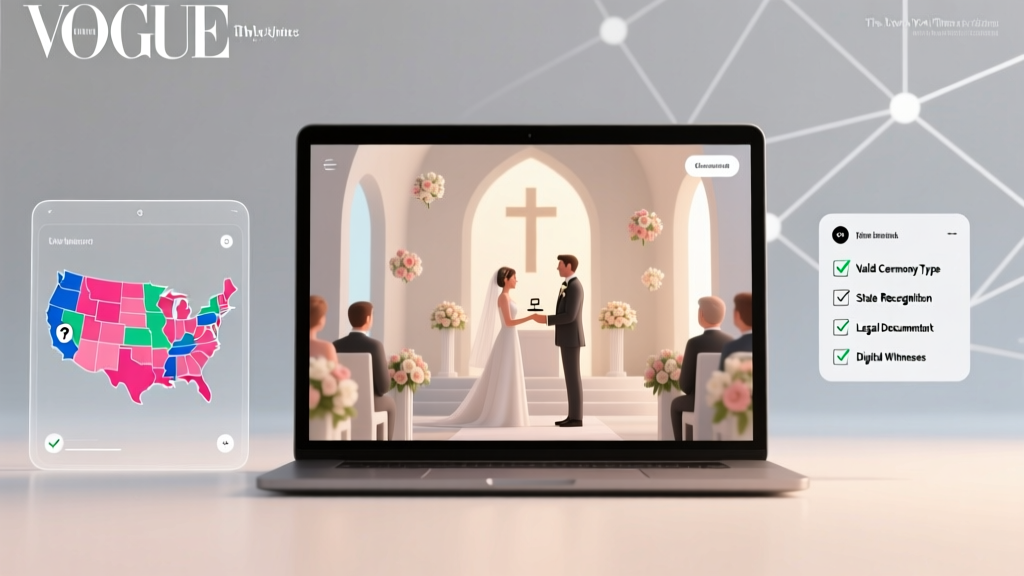 Are Virtual Weddings Legal? (2026 State-by-State Guide)
 Sell Wedding Ring: 7 Options Ranked (2026)
 How to Handle a Guest Who Brings an Uninvited Plus One
 Thank Your Wedding Photographer: 7 Meaningful Gestures