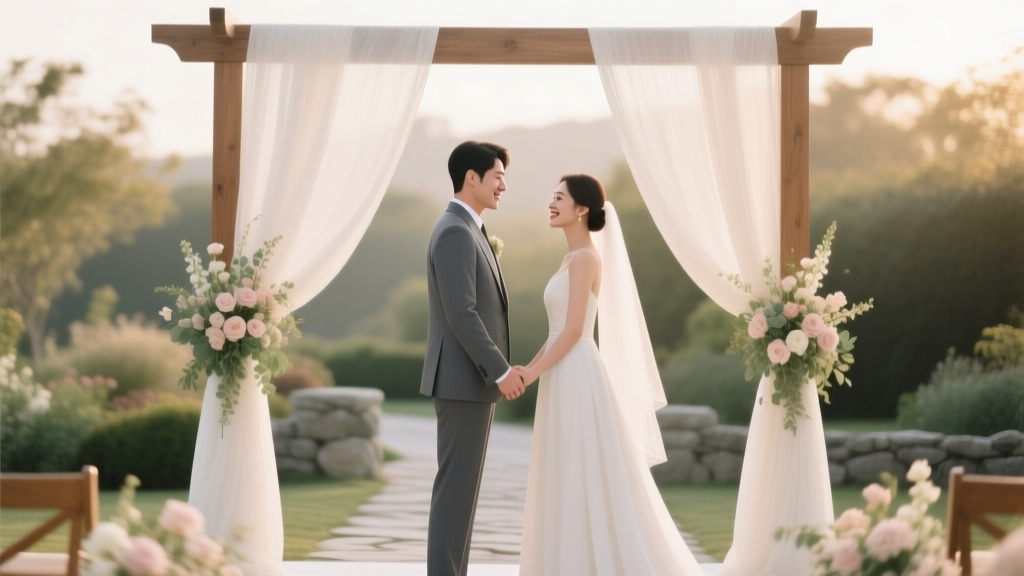
How Long Should a Wedding Ceremony Last
How Long Should a Wedding Ceremony Last?
If you’ve been to a wedding where the ceremony felt like a blink—and another where you wondered if you’d missed lunch—you're not alone. Ceremony length is one of those planning details that seems small until you picture your guests sitting in the sun, your photographer juggling light changes, and your timeline trying to stay intact.
The good news: there’s no single “correct” length. There is, however, a sweet spot that fits most couples, most venues, and most guest lists—while still leaving room for culture, faith, and personal style.
Quick Answer: The Ideal Wedding Ceremony Length
For most weddings, a ceremony lasts 20 to 30 minutes. That’s long enough to feel meaningful and complete, but short enough to keep guests comfortable and your schedule running smoothly.
Here’s a simple range many couples use:
- 10–15 minutes: Very short (often elopements, micro-weddings, or “quick and heartfelt” ceremonies)
- 20–30 minutes: The modern standard for many secular and interfaith weddings
- 30–60 minutes: Traditional religious ceremonies, cultural rituals, or full mass services
- 60+ minutes: Full Catholic Mass, some Orthodox services, and certain multi-part cultural ceremonies
Q: What Actually Determines How Long a Ceremony Takes?
A: Ceremony length is mainly shaped by the format, any religious requirements, personal vows/readings, music, and the processional/recessional logistics.
A typical ceremony “time budget” looks like this:
- Processional: 3–7 minutes (longer with a large wedding party or multiple entrances)
- Welcome + opening remarks: 2–4 minutes
- Readings or special elements: 0–10 minutes
- Vows + ring exchange: 5–10 minutes
- Pronouncement + kiss: 1 minute
- Recessional: 2–5 minutes
Wedding officiant Julia Hart (a fictional pro, but very realistic) puts it this way: The ceremony feels best when every minute has a purpose. Guests don’t mind longer ceremonies—they mind long ceremonies that feel repetitive.
Q: What’s Considered “Too Long” for a Wedding Ceremony?
A: For many guests, anything over 40 minutes starts to feel long unless it’s clearly a traditional or religious service they expect. Comfort factors matter too—heat, seating, sound system, and whether guests can actually see and hear you.
Common “this is dragging” culprits:
- Multiple readings that repeat the same sentiment
- Long announcements or inside jokes guests don’t understand
- Slow processional pacing with no music cues
- Microphone issues (a big one for outdoor weddings)
- Unplanned pauses (finding rings, missing paperwork, etc.)
One couple, Mia and Jordan, shared: We thought more readings would make it feel more ‘ceremonial,’ but during rehearsal we realized it was 45 minutes. We cut two readings and it instantly felt more us—still emotional, just tighter.
Traditional vs. Modern Ceremony Length: What’s Normal Now?
Q: How long is a traditional religious ceremony?
A: It depends on the faith and whether you’re including a full service.
- Catholic wedding with full Mass: often 60–75 minutes
- Catholic ceremony without Mass: commonly 30–45 minutes
- Jewish ceremony: often 20–35 minutes (can be longer with extended blessings or multiple honors)
- Hindu ceremonies: can range widely—45 minutes to several hours (many couples now do condensed versions)
- Orthodox Christian weddings: frequently 45–60 minutes
If you’re planning a religious wedding ceremony, ask your officiant early what is required vs. optional. Many couples find there are choices within tradition—like selecting fewer hymns, choosing a shorter homily, or limiting the number of family blessings.
Q: How long is a modern, non-religious ceremony?
A: Most contemporary secular ceremonies land at 15–25 minutes. Current wedding trends favor ceremonies that are more personal and guest-friendly: custom vows, a brief story of the relationship, and one meaningful ritual (like a unity candle or handfasting) rather than three or four.
Planner Devika Singh says: Couples are focusing on experience. Shorter ceremonies leave more energy for cocktail hour, and guests stay emotionally present instead of checking the time.
Q: Does Guest Count or Venue Style Affect the Ideal Length?
A: Yes—especially for outdoor weddings, destination weddings, and large guest lists.
- Outdoor ceremonies: Aim for 15–25 minutes if it’s hot, windy, or in direct sun. Comfort drops fast.
- Large weddings: Keep it crisp. With 150+ guests, entrances take longer and delays ripple into dinner service.
- Small weddings/micro-weddings: You can go shorter (10–15 minutes) or more intimate and a bit longer (25–35) because guests are usually your closest people.
- Destination weddings: Guests often love a meaningful ceremony, but they also appreciate pacing—especially if travel has everyone tired.
Actionable Tips: How to Choose the Right Ceremony Length
1) Build your ceremony like a “great playlist”
Keep the parts that matter most to you, and skip what feels like filler. A balanced ceremony often includes:
- Welcome
- One reading (max two)
- Personal vows (or a short exchange)
- Ring exchange
- Pronouncement
2) Time it out—out loud
Read the full ceremony script with your officiant and time it. Most people are shocked by how long something feels when spoken slowly and clearly. Aim to finish 2–5 minutes earlier than your target to account for natural pauses.
3) Use music cues to control pacing
Long, wandering processionals are usually a coordination problem, not a ceremony problem. Choose clear “start” moments and have someone (planner, coordinator, or a trusted friend) cue entrances.
4) Think about guest comfort like a host
Provide water for warm days, ensure enough seating, and use a microphone outdoors—even for small weddings. A shorter ceremony won’t fix poor sound, but good sound makes any length feel easier.
5) Protect your photo timeline
Ceremony length affects everything that comes after: cocktail hour, golden-hour portraits, dinner service, speeches, and your reception end time. If your ceremony runs 15 minutes long, your guests might lose that time in cocktail hour—which they will definitely notice.
Related Questions Couples Ask (and Real-World Edge Cases)
Q: How long should an elopement ceremony be?
A: Often 5–15 minutes. Many elopements include a short welcome, vows, rings, and a few words about the commitment. If you’re including family, consider 10–20 minutes so it feels like a “complete” moment.
Q: How long should vows be?
A: A great target is 1–2 minutes per person. If you’re writing your own vows and you’re wordy (no shame), aim for under 350–500 words each. Longer can be beautiful, but it changes the ceremony’s rhythm.
Q: What if our families expect a longer ceremony?
A: Blend expectations with your style. You can honor tradition with one or two meaningful elements—like a blessing, a cultural ritual, or a favorite hymn—without turning the entire ceremony into a full service if that isn’t you. A respectful explanation goes a long way: “We’re keeping the ceremony around 25 minutes so guests are comfortable, but we’re including the blessing that’s important to our family.”
Q: Is a short ceremony “less meaningful”?
A: Not at all. Meaning comes from intention, not minutes. Some of the most emotional ceremonies are 12 minutes long because every word is chosen carefully.
Q: What if we have multiple ceremony locations or a room flip?
A: If the venue needs time to transition spaces, keep the ceremony closer to 15–20 minutes and build buffer time elsewhere. Guests would rather sip a drink during a planned pause than sit through a ceremony stretched to solve a logistics issue.
Conclusion: The Best Ceremony Length Is the One That Feels Like You
Aim for 20–30 minutes unless your faith or cultural traditions call for longer. When your ceremony is paced well, clearly heard, and centered on the promises you’re making, guests stay present—and you get the emotional, grounded moment you’re hoping for.
If you’re torn, remember this: a ceremony doesn’t need to be long to be unforgettable. It needs to be true.
More Articles
 Wedding vs Engagement Rings: Key Differences (2026)
 Do Engagement Ring and Wedding Band Have to Match?
 When Do You Need to Apply for a Marriage License
 Did Queen Elizabeth Attend Charles’ Wedding to Camilla?
 Where Is Ryan James Wedding: Everything You Need to Know
 What to Do If Your Venue Double-Books You
 Four Weddings and a Funeral Episodes (2026) | Stream Guide
 Is It Bad to Wear Black to a Wedding? (2026)
 Ideas Common Mistakes: Why Brilliant Concepts Fail Before Launch
 Civil Wedding Vows: What You Need to Know