How to Handle a Guest Who Complains About Your Wedding
How to Handle a Guest Who Complains About Your Wedding
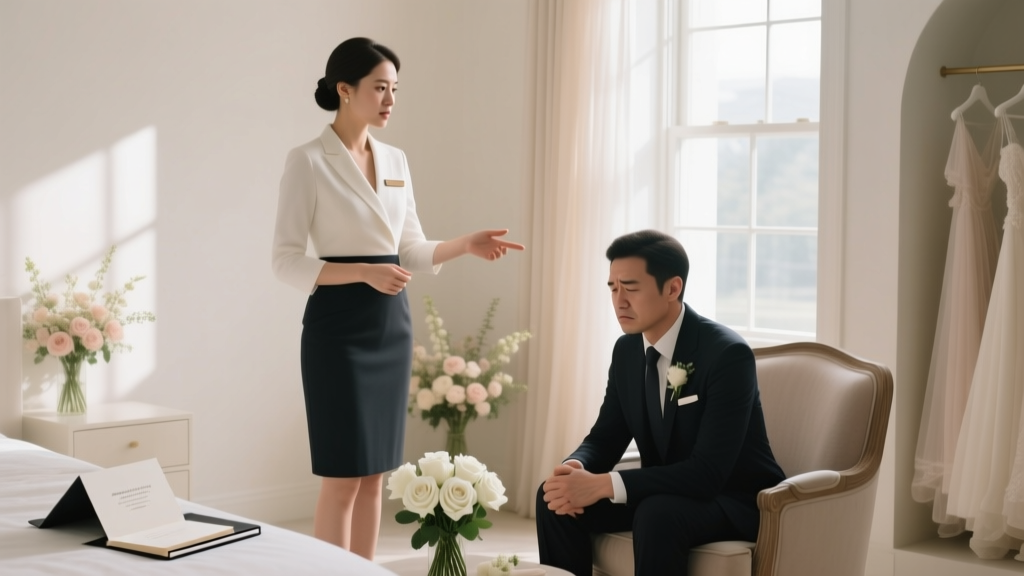
You’ve spent months (maybe years) planning a day that feels like you—your budget, your priorities, your people. So when a guest complains about your wedding—your food, your timeline, your no-kids policy, your cash bar, your music—it can feel surprisingly personal.
This question matters because weddings are emotional, expensive, and full of expectations. One grumpy comment can stick in your mind far longer than the dozens of kind ones. The good news: you can handle complaints with calm, modern etiquette—and protect your joy without creating family drama.
Q: What should I do if a guest complains about my wedding?
A: Keep it brief, stay polite, and don’t negotiate. Thank them for sharing, offer a simple boundary-setting response (“I hear you—we made the best choice for us”), and move on. If the complaint is disruptive or disrespectful, delegate to a planner, coordinator, or trusted friend to step in. After the wedding, decide whether it deserves a conversation—or a quiet fade-out.
Q: Why do guests complain in the first place?
Most wedding complaints aren’t really about the couple. They’re about expectations, discomfort, or feeling out of control. Common triggers include:
- Budget-driven choices: brunch receptions, dessert-only, limited bar options, smaller menus
- Trend-driven formats: micro-weddings, non-traditional timelines, private vows, cocktail-style receptions
- Policy boundaries: adults-only weddings, unplugged ceremonies, dress codes, assigned seating
- Logistics: travel, parking, long gaps between ceremony and reception, shuttle schedules
As planner Maya Ortiz (fictional) puts it: “Weddings are one of the last events where people bring strong ‘rules’ from their own history. Some guests react when your choices don’t match what they expected—even if your choices are totally reasonable.”
Q: How do I respond in the moment without getting upset?
Use a short script, then redirect. You’re not there to convince anyone; you’re there to get married.
Try these calm, etiquette-friendly responses:
- If they criticize a choice: “I hear you. We picked what worked best for us.”
- If they compare you to another wedding: “Every couple does it differently. We’re really happy with how ours feels.”
- If it’s about the venue/food/music: “Thanks for telling me. Excuse me—I need to check on something.”
- If it’s a repeated complainer: “I’m going to focus on enjoying today. I hope you can, too.”
Real-couple perspective: “My aunt told me our ceremony was ‘too short’ while we were walking into cocktail hour,” says Janelle (fictional bride). “I smiled and said, ‘We wanted it simple.’ Then I immediately turned and talked to someone else. It was the best decision I made all day.”
Q: Should I explain myself? (Budget, family, or cultural reasons)
Usually, no. Explanations invite debate, and debates invite stress. Modern wedding etiquette leans toward kind confidence: you’re allowed to set boundaries and make choices without defending them.
That said, there are a few moments when a tiny bit of context can smooth things over—especially with older relatives who value traditional hosting norms.
Traditional approach: A host mindset might include gentle reassurance: “We’re keeping things simple, but we’re so glad you’re here.”
Modern approach: A couple-centered mindset is even clearer: “This is what we chose, and we’re excited about it.”
Both are polite. Choose the one that feels most like you.
Q: What if the complaint is legitimate—like the food ran out or transportation failed?
If a guest flags a real problem, treat it as helpful information (even if they deliver it rudely). The key is to receive the message without absorbing the attitude.
Quick playbook:
- Thank them: “I appreciate you telling me.”
- Hand it off: “Can you let our coordinator know?” or “Please tell my maid of honor—she’s handling logistics.”
- Don’t troubleshoot personally: You’re the couple, not the catering captain.
Wedding coordinator Daniel Kim (fictional) says, “Couples should have a ‘complaint firewall’—one person who can solve problems so the couple never has to. Even at small weddings, assign a trusted friend to be the point person.”
Q: What if a guest is complaining loudly and ruining the vibe?
This is where boundaries matter. If someone is being disruptive—mocking, gossiping, starting arguments, or repeatedly complaining to other guests—handle it like any other event-hosting issue: address it early, discreetly, and through a delegate.
Action steps:
- Signal your planner/coordinator (or a trusted friend) to intervene.
- Move the person (new seat, different table, a brief walk outside).
- Limit access (especially if alcohol is involved—ask bartenders to slow service if needed).
- Escalate only if necessary: If they’re harassing others or unsafe, have a family member or venue security ask them to leave.
One realistic example: If a guest is loudly complaining about your “cash bar” (a common modern budget choice), your delegate can say, “I hear you. This is what the couple chose. Let’s focus on celebrating—can I help you find a drink you’ll enjoy?” Then they redirect them to the dance floor, photo booth, or dessert table.
Q: How do current wedding trends affect guest expectations?
Many couples are planning more intentional, budget-aware weddings—and some guests haven’t caught up. Current trends that often spark commentary include:
- Micro-weddings and smaller guest lists: Some people feel slighted not to be invited (or not to bring a plus-one).
- Adults-only celebrations: A frequent hot-button issue, especially for family weddings.
- Unplugged ceremonies: Guests may complain about not taking photos—despite it being increasingly common.
- Alternative receptions: brunch weddings, Sunday afternoons, restaurant buyouts, cocktail-style events with heavy hors d’oeuvres
- Non-traditional registries: honeymoon funds, cash gifts, or charity donations can prompt opinions—especially from older guests.
None of these trends are “wrong.” They simply require clear communication ahead of time (website FAQs, invitations, and signage), so fewer guests are surprised.
Q: What can I do ahead of time to prevent complaints?
You can’t prevent every grumble, but you can reduce them with smart planning and friendly clarity.
- Set expectations early: Your wedding website should spell out dress code, timeline, parking/transportation, and policies (like no kids).
- Use considerate wording: “We love your little ones, but our ceremony and reception will be adults-only.”
- Make guest comfort a priority within your budget: enough seating, water stations, clear signage, realistic transitions.
- Build a buffer: Plan for extra appetizers, an extra shuttle run, or a little timeline wiggle room if possible.
- Create a ‘go-to’ team: Assign one or two people to handle questions and complaints on the day.
Related Questions Couples Ask (and What to Do)
Q: What if the complainer is a parent or VIP family member?
Keep the same principle—brief, calm, no negotiation—but add warmth. “I understand you pictured it differently. We’re really happy with this plan, and we’d love your support today.” If they continue, move the conversation to a later date: “Let’s talk after the wedding. Today I just want to enjoy being with you.”
Q: What if they complain about not being invited (or not getting a plus-one)?
Don’t reopen the guest list. A simple script works: “We had to keep our guest list small. We’re grateful you’re celebrating with us.” If they weren’t invited and confront you later, you can say, “We made very tough decisions based on budget and space.” Then stop there.
Q: What if someone complains on social media?
Don’t respond publicly. Screenshot it, then decide if it’s worth addressing privately. Most of the time, silence is the most powerful etiquette move. If it’s truly harmful or defamatory, a calm DM like “I saw your post and it surprised me. I’d rather talk directly—can we chat?” is enough.
Q: What if they complain about gifts, the registry, or a honeymoon fund?
Redirect graciously: “Your presence was the gift. We’re just happy you came.” Avoid lecturing about modern registry norms; it rarely changes minds and can make you feel worse.
Conclusion: The goal isn’t to win them over—it’s to protect your day
A complaining guest doesn’t get to define your wedding. Respond politely, keep your boundaries, and hand off anything logistical. Most importantly, remember this: your wedding is a celebration, not a performance review. The people who matter will remember how it felt to be there—and how happy you two were.
More Articles
 Mike and Dave Wedding Dates Filming Locations: Hawaii (2026)
 50 Years Wedding Anniversary: Golden Jubilee Truth (2026)
 Japanese Weddings: Do They Have Bridesmaids? (2026)
 Was Francia Raisa Invited to Selena’s Wedding? (2026)
 Can a Deacon Renew Wedding Vows? | Who Can & How
 Jewish Wedding Glass Smash: What Rabbis Actually Teach
 Men at Wedding Showers: 2026 Etiquette Rules
 Do Norwegians Wear Wedding Rings? (2026)
 Wedding Chapel on the Green: Everything You Need to Know
 Fascinator Matching Rule for Wedding Guests