# How to Write Wedding Vows That Make Everyone Cry
Most couples spend months planning the perfect venue, flowers, and cake — then panic two weeks before the wedding when they realize they have no idea how to write wedding vows. You're not alone. Writing vows feels impossibly high-stakes: too short and it seems lazy, too long and you lose the room, too poetic and it doesn't sound like you. Here's the truth: great wedding vows aren't about being a writer. They're about being honest.
---
## Step 1: Start With the Right Raw Material
Before you write a single word, spend 20 minutes answering these questions in a notebook:
- **When did you know?** Pinpoint the exact moment — not a vague feeling, but a specific scene. The Tuesday they brought you soup when you were sick. The way they laughed at their own joke before finishing it.
- **What do they do that no one else does?** Specific behaviors beat grand declarations every time.
- **What are you actually promising?** Think beyond "love and cherish." What does your commitment look like on a hard Tuesday in year seven?
- **What do you want them to feel** when you're done speaking?
This raw material is your vow. Everything else is just editing.
---
## Step 2: Structure Your Vows in Three Parts
The most effective personal wedding vows follow a simple arc that takes your partner — and your guests — on a complete emotional journey:
**1. The specific memory or observation (30–40 words)**
Open with something concrete and true. "I knew I wanted to marry you the night our flight was cancelled and you turned a airport floor into a five-star picnic." Specificity creates instant emotional resonance.
**2. What that moment revealed (40–60 words)**
Connect the story to a quality you love and rely on. "That night I saw exactly who you are — someone who finds joy in the detour, who makes ordinary moments feel chosen. That's the person I want beside me for every detour ahead."
**3. Your promises (50–80 words)**
Make them real and personal. Avoid generic phrases like "I promise to always be there for you" — every vow says that. Instead: "I promise to be the person who picks up the phone at 2am. I promise to argue fairly and apologize first. I promise to keep choosing you, especially on the days when choosing feels hard."
Total target length: **1–2 minutes spoken aloud**, roughly 150–250 words. Time yourself — reading silently is always faster than speaking through tears.
---
## Step 3: Write, Then Edit Ruthlessly
First draft: write everything. Don't filter. Get the sentimental, the funny, the overly long version out of your system.
Then cut with these rules:
- **Remove any sentence that could apply to anyone's partner.** "You make me a better person" — cut it or make it specific.
- **Read it aloud three times.** If you stumble on a phrase, rewrite it. Your vows should sound like you talk, not like you write.
- **Flag anything that might make you laugh nervously.** Humor works beautifully in vows, but only if you can deliver it without breaking. If you're not sure, cut it.
- **Check your promises are promises**, not descriptions. "You are my best friend" is a statement. "I will be your best friend" is a vow.
Share your draft with one trusted person — ideally someone who knows you both — and ask: *Does this sound like me? Is there anything that feels off?*
---
## Step 4: Prepare to Actually Deliver Them
Writing the vows is only half the work. Delivery matters enormously.
- **Print them in large font** (14pt minimum) on a single card or small booklet. Phones die, paper doesn't.
- **Practice out loud** at least five times before the day — not in your head, out loud. Your voice needs to know the words.
- **Slow down.** Nerves make everyone rush. Build in a pause after your opening line. Let the room settle.
- **It's okay to cry.** Pause, breathe, continue. Guests aren't watching a performance — they're witnessing something real. Emotion is the point.
- **Make eye contact** with your partner, not the paper. Glance down to find your place, then look up to speak.
---
## Common Myths About Writing Wedding Vows
**Myth 1: Your vows need to be poetic or literary to be meaningful.**
The most memorable vows are almost never the most eloquent ones. They're the most honest ones. A simple, true sentence — "I love the way you still get nervous ordering at new restaurants" — lands harder than a borrowed quote from Rumi. Write in your own voice, even if your own voice is plain.
**Myth 2: Longer vows show more love.**
Length signals effort, not depth. A 90-second vow that is specific and true will move people more than a five-minute speech that wanders. Brevity is a form of respect — for your partner, for your guests, and for the moment itself. If you can say it in 200 words, don't use 400.
---
## Your Next Step
Writing personal wedding vows comes down to one thing: specificity. Generic language produces generic vows. The more precisely you describe your person — their habits, their laugh, the exact moment you knew — the more universal your vows will feel to everyone listening.
Open a blank document right now and answer just one question: *When did I know?* Write for ten minutes without stopping. You already have your vows. You just need to find them.
 Bible Wedding Rings: No Command, But Deep Symbolic Roots
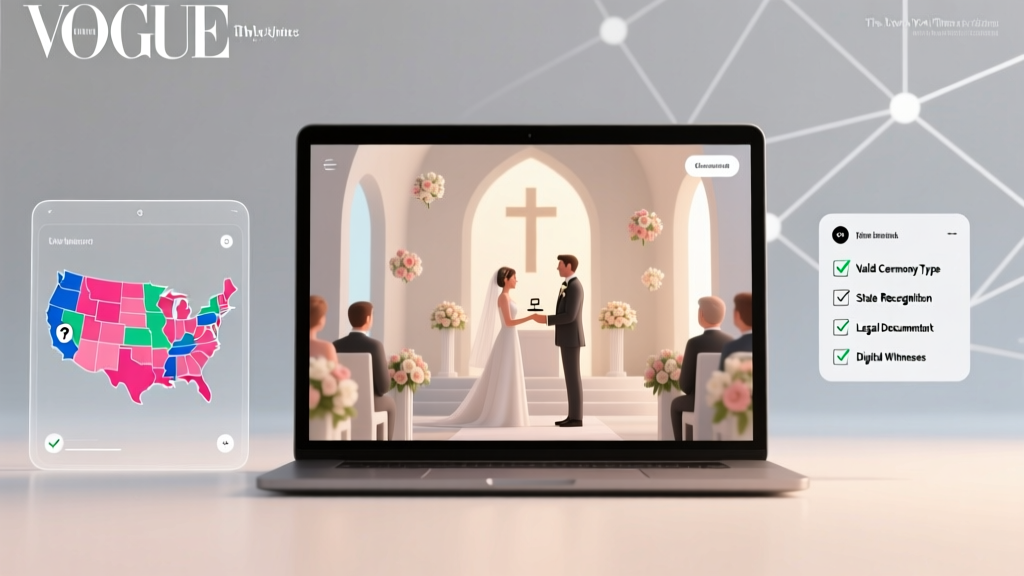 Are Virtual Weddings Legal? (2026 State-by-State Guide)
 Did Tuohy Family Attend Michael Oher's Wedding?
 Wedding Excuse for Work: When It’s OK & How to Ask (2026)
 Why Do Weddings Have a Bouquet and Garter Toss
 Leaving a Wedding Early: Etiquette & When It’s Okay
 How to Draw Wedding Pictures That Capture Emotion
 Ryan Wedding Arrested? Verified Facts (2026)
 Where to Watch 4 Weddings (2026) | Region-Specific
 Florida Wedding Planner Salaries (2026)