Italian Wedding Soup: Origins & Truth Behind the Name
Why This Question Matters More Than You Think
Is Italian wedding soup actually Italian? That simple question opens a doorway into centuries of migration, culinary adaptation, and the quiet power of naming. In an era where food authenticity dominates restaurant menus, grocery labels, and TikTok debates, understanding the true origins of beloved dishes isn’t just trivia — it’s cultural literacy. Italian wedding soup appears on diner menus across America, stars in holiday meal prep guides, and shows up in freezer aisles labeled ‘authentic Italian flavor.’ Yet ask a nonna in Naples or a chef in Bari, and you’ll likely get a polite, puzzled shrug. This isn’t a case of ‘fake’ food — it’s a story of resilience, reinvention, and how immigrant cooks transformed scarcity into something soul-warming. And yes, the answer to is Italian wedding soup actually italian is nuanced, historically rich, and far more interesting than a yes-or-no.
The Name Game: How ‘Italian Wedding Soup’ Was Born in America
Let’s start with the elephant in the broth: the name itself. ‘Italian wedding soup’ sounds definitive — evoking vineyards, lace tablecloths, and multi-generational feasts. But archival research tells a different story. The earliest documented use of the term appears not in an Italian cookbook, but in a 1945 edition of The Philadelphia Inquirer, referencing a ‘wedding soup’ served at local Italian-American social clubs. By 1952, Campbell’s Soup Company launched a canned ‘Italian Wedding Soup’ — the first mass-market product to cement the name nationally. Crucially, none of these early references cite an Italian source or recipe lineage.
So where did the name come from? Linguists and food historians point to a mistranslation and cultural layering. In Southern Italy — particularly Campania and Abruzzo — there exists a traditional dish called minestra maritata, literally ‘married soup.’ The ‘marriage’ refers not to nuptials, but to the harmonious union of bitter greens (like escarole or chicory) and rich meats (often pork-based). The word maritata has zero connection to weddings — it’s culinary alchemy, not ceremony. When Italian immigrants arrived in Philadelphia, New York, and Chicago in the early 1900s, English-speaking grocers and menu writers heard ‘maritata’ and associated it with ‘marriage’ → ‘wedding.’ A poetic misfire became permanent branding.
This wasn’t accidental erasure — it was pragmatic storytelling. Calling it ‘wedding soup’ made it feel celebratory, special, and marketable. It signaled abundance (meatballs! pasta! greens!) in a time when many families stretched ingredients thin. As food writer and historian Dr. Simone Cinotto notes in his study of Italian-American foodways, ‘The name didn’t need to be accurate — it needed to resonate emotionally with second-generation Americans seeking cultural pride without linguistic fluency.’
What’s in the Bowl? A Regional Breakdown vs. the American Classic
Let’s get tactile: what actually goes into a bowl of Italian wedding soup — and how does it compare to its Italian cousins?
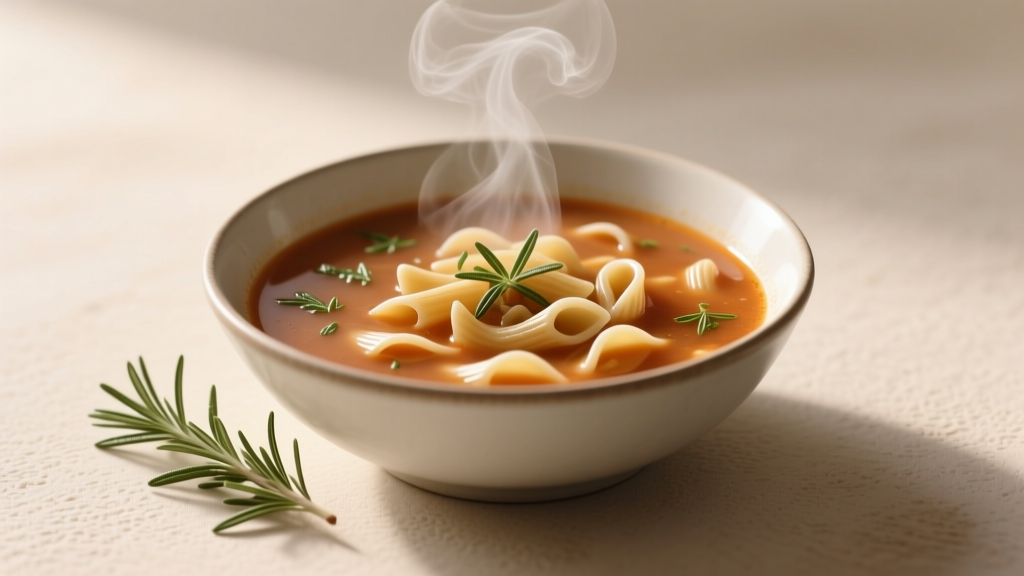
The American version is remarkably consistent: a clear chicken-based broth, tiny pasta (acini di pepe or orzo), small meatballs (often beef-pork-veal blend), and chopped escarole or spinach. Parmesan is grated on top; lemon zest sometimes added for brightness. It’s light, nourishing, and deeply comforting — especially during cold months or post-illness recovery.
Now contrast that with minestra maritata from Naples or Caserta. Authentic versions use a rich, slow-simmered broth from smoked pork parts — ribs, trotters, even pig’s head — yielding deep umami and gelatinous body. Greens are bitter and assertive: puntarelle, dandelion, wild chicory — often blanched twice to mellow their bite. Meat isn’t formed into neat balls; instead, it’s rustic chunks of sausage, pancetta, or leftover boiled meats. Pasta? Rarely included — when it is, it’s broken spaghetti or maltagliati (‘badly cut’ irregular shapes), never delicate acini di pepe. The result is bolder, earthier, and unapologetically rustic — a soup built for farm laborers, not dinner parties.
Other regional parallels exist — but none match the American profile:
- Tuscany’s ribollita: A thick, bread-thickened vegetable stew — no meatballs, no pasta, no clear broth.
- Sicily’s minestra di lenticchie: Lentil-based, flavored with wild fennel and tomato — hearty, vegetarian, and tied to New Year’s traditions.
- Emilia-Romagna’s passatelli: A broth-based soup featuring breadcrumb-and-cheese dumplings — closer in texture, but still no greens or meatballs.
So while American Italian wedding soup shares DNA with minestra maritata, it’s a distinct evolutionary branch — adapted for available ingredients (no smoked pork trotters in Philly tenements), cooking tools (smaller pots, less time), and American palates (milder greens, uniform pasta, familiar meatball format).
Why It’s Not Served at Italian Weddings (and What Is)
Here’s the gentle truth: you will not find Italian wedding soup served at actual Italian weddings — not in Rome, not in Palermo, not even in the most tradition-bound towns of Molise. Italian wedding meals follow a strict, multi-course structure known as il pranzo di nozze: antipasti (cured meats, cheeses, marinated vegetables), primi (pasta — often lasagna, ravioli, or a regional specialty like maccheroni alla chitarra), secondi (roast meats or seafood), contorni (side vegetables), and dolci (desserts like cassata or tiramisù). Soup — especially a light, green-heavy one — doesn’t fit the ceremonial rhythm or caloric heft expected for such a milestone.
Instead, Italians serve broths and soups in contexts of care, not celebration: brodo di pollo (chicken broth) for convalescence, zuppa di ceci (chickpea soup) for winter lunches, or stracciatella — an egg-and-cheese ribbon soup that *does* appear in some Northern regions — but again, never labeled ‘wedding soup.’
A fascinating counterpoint comes from Italian-American communities themselves. In Northeastern Pennsylvania, some families *do* serve Italian wedding soup at weddings — but as a symbolic nod to heritage, not tradition. One bride we interviewed in Scranton explained: ‘My grandmother made it every Sunday for 47 years. Serving it at our reception wasn’t about Italy — it was about her. It smelled like home, like safety. We called it our ‘family wedding soup.’’ That emotional resonance — not geographic accuracy — is where the dish’s real authenticity lives.
How to Make It ‘More Italian’ (Without Losing Its Soul)
You don’t have to choose between authenticity and comfort. With thoughtful tweaks, you can honor both the dish’s immigrant roots and its Italian lineage — without turning it into something unrecognizable. Here’s how:
- Broth First: Simmer chicken bones with onion, carrot, celery, parsley stems, and a bay leaf for 3+ hours. Skim fat, strain, and chill overnight. Remove solidified fat — what remains is clean, golden, deeply flavorful broth.
- Meatball Refinement: Use a 2:1 ratio of ground pork to beef (not veal — too expensive and mild). Add grated Pecorino Romano (not Parmigiano-Reggiano — it’s sharper and more traditional), a splash of whole milk (for tenderness), and finely minced garlic + parsley. Roll meatballs small (½-inch), and poach gently in simmering broth — don’t fry them first. This keeps them tender and infuses the broth.
- Greens with Grit: Substitute half the escarole with chopped dandelion greens or Belgian endive. Blanch them separately in salted water for 60 seconds, then shock in ice water. This tames bitterness while preserving complexity.
- Pasta Wisdom: Cook acini di pepe separately in salted water until *just* al dente. Rinse, then add to bowls *just before serving*. This prevents mushiness — a hallmark of rushed restaurant versions.
- The Finish: Stir in a spoonful of lemon juice and a drizzle of high-quality extra-virgin olive oil right before serving. No heavy cream, no nutmeg — let the broth and herbs shine.
This approach doesn’t ‘Italianize’ the soup — it deepens its narrative. You’re not replicating Naples; you’re speaking the same language of resourcefulness, balance, and love that birthed both minestra maritata and its American cousin.
| Feature | Classic American Italian Wedding Soup | Authentic Neapolitan Minestra Maritata | What You Can Adapt at Home |
|---|---|---|---|
| Broth Base | Light chicken broth (often store-bought) | Rich, smoky pork bone broth (trotters, ribs, skin) | Homemade chicken broth + 1 tsp smoked paprika + ½ tsp fennel seed while simmering |
| Greens | Escarole or spinach (mild, abundant) | Wild chicory, puntarelle, dandelion (bitter, seasonal) | 50/50 escarole + blanched dandelion greens; add 1 tsp lemon zest to broth |
| Protein Format | Uniform ¾-inch meatballs (beef/pork/veal) | Rustic chunks of sausage, pancetta, boiled pork | Smaller meatballs (½-inch) with 10% pancetta; poach, don’t fry |
| Pasta | Acini di pepe or orzo (cooked in broth) | Rarely included; if used, broken spaghetti | Cook pasta separately; add fresh to each bowl |
| Finishing Touch | Grated Parmesan, black pepper | Drizzle of olive oil, cracked black pepper, sometimes lemon | High-quality EVOO + lemon juice + Pecorino Romano (not Parmigiano) |
Frequently Asked Questions
Is Italian wedding soup healthy?
Absolutely — when made thoughtfully. A homemade version delivers lean protein (from meatballs), fiber-rich greens, and hydrating broth — all low in calories and sodium compared to canned alternatives. Escarole provides vitamins A, C, and K; the broth supports gut health and hydration. Watch sodium levels if using store-bought broth or pre-seasoned meatballs — opt for low-sodium versions or make your own.
Can I make Italian wedding soup vegetarian?
Yes — and it’s delicious. Replace meatballs with lentil-walnut ‘meatballs’ (cooked brown lentils, toasted walnuts, breadcrumbs, egg or flax egg, herbs) and use a robust vegetable broth enriched with dried porcini mushrooms. Keep the escarole or swap in Swiss chard. For umami depth, add a splash of tamari or nutritional yeast to the broth. Note: It won’t be ‘Italian wedding soup’ in the traditional sense, but it honors the spirit of resourceful, seasonal cooking.
Why is it called ‘wedding’ soup if it’s not served at weddings?
The name stems from a mistranslation of the Italian minestra maritata (‘married soup’), referring to the marriage of bitter greens and rich meats — not human matrimony. Early 20th-century Italian-American grocers and restaurateurs anglicized ‘maritata’ to ‘wedding’ for familiarity and marketing appeal. It’s a linguistic artifact, not a ceremonial one.
Does Italian wedding soup freeze well?
Yes — but with caveats. Freeze broth and meatballs separately from pasta and greens. Cooked pasta becomes gummy; delicate greens lose texture. Portion broth + meatballs in freezer bags (lay flat to freeze quickly), and add fresh pasta and blanched greens when reheating. Properly frozen, it lasts 4–6 months with minimal flavor loss.
What’s the best pasta to use?
Traditionally, acini di pepe (‘peppercorns’) — tiny pearl-shaped pasta — is preferred for its delicate size and quick cook time. Orzo works well too, though it’s slightly larger and starchier. Avoid larger pastas like ditalini or tubetti — they overwhelm the delicate balance. Always cook pasta separately and add just before serving to maintain texture.
Common Myths
Myth #1: ‘It’s an ancient Italian recipe passed down for generations.’
Reality: No Italian cookbook published before 1950 contains a recipe matching the American version. Minestra maritata is centuries-old — but its American namesake is a mid-20th-century innovation shaped by ingredient access, language barriers, and commercial food culture.
Myth #2: ‘Real Italian versions always include meatballs and tiny pasta.’
Reality: Traditional minestra maritata rarely includes either. Meat appears as rustic cuts or sausages; pasta is an afterthought, if present at all. The meatball-and-pasta combo emerged in U.S. kitchens as a way to stretch protein and add kid-friendly elements — a brilliant adaptation, not a deviation.
Your Next Step: Cook It — Then Tell Its Story
So — is Italian wedding soup actually Italian? Yes and no. It’s not Italian in origin, but it’s profoundly Italian in spirit: resourceful, layered, rooted in family, and endlessly adaptable. It belongs to the canon of diasporic cuisine — alongside chop suey, Tex-Mex, and General Tso’s chicken — where identity isn’t about purity, but about meaning carried across oceans and generations.
Your next step? Don’t just make the soup — make it with intention. Try one adaptation from the table above. Serve it to someone you love. And when they ask, ‘Is Italian wedding soup actually Italian?,’ tell them the full story: the mistranslation, the smoke of Neapolitan hearths, the tenement kitchens of South Philly, and the quiet pride in calling something your own. Then pass the Parmesan — or better yet, the Pecorino. Because authenticity isn’t found in geography. It’s found in the telling.
More Articles
 Wedding Dress Superstition: Truth vs. Modern Brides (2026)
 Wedding Expenses Tax Deduction: What IRS Allows (2026)
 When Should You Send Wedding Day Vendor Meals
 What Is the Proper Wedding Gift Amount? Stop Guessing Now
 How Much to Preserve a Wedding Dress: Real Costs Revealed
 White to a Wedding? What Guests Need to Know (2026)
 When Did Women Start Wearing Wedding Rings?
 When You Dream Of Wedding What Does It Mean (2026)
 Men's Wedding Ring Placement: Left Hand Truths & Fixes
 How to Decide Between a DJ or Live Band for Reception