Alcohol at Indian Weddings: A Cultural Guide (2026)
Why This Question Is More Complicated—and More Urgent—Than You Think
If you’ve ever typed is there alcohol at Indian weddings into Google while drafting your wedding checklist—or overheard your aunt whisper ‘they’re serving whiskey at Priya’s reception’ with equal parts awe and disapproval—you’re not alone. This isn’t just about cocktails versus chai. It’s about identity, intergenerational negotiation, religious interpretation, local law, and the quiet stress of hosting 300 guests who hold wildly different expectations. In 2024, over 68% of Indian-American couples surveyed by WedLeads India reported experiencing at least one major conflict over alcohol policy—more than venue budgeting or attire disputes. And yet, no single answer exists. A Punjabi Sikh wedding in Chandigarh operates under vastly different social, spiritual, and legal constraints than a Tamil Brahmin ceremony in Chennai—or a Gujarati Jain wedding in London. This guide cuts through myth, hearsay, and family pressure with verified data, real couple case studies, and a step-by-step framework you can use *this week* to make a confident, values-aligned decision.
Regional Realities: It’s Not ‘Indian’—It’s 29 States, 22 Official Languages, and 10+ Major Religious Traditions
The biggest misconception? That ‘Indian weddings’ follow a monolithic rulebook. They don’t. Alcohol presence—or absence—isn’t dictated by ‘Indianness,’ but by layered context: geography, faith, caste/community norms, urban/rural setting, and even family profession. Consider these real-world examples:
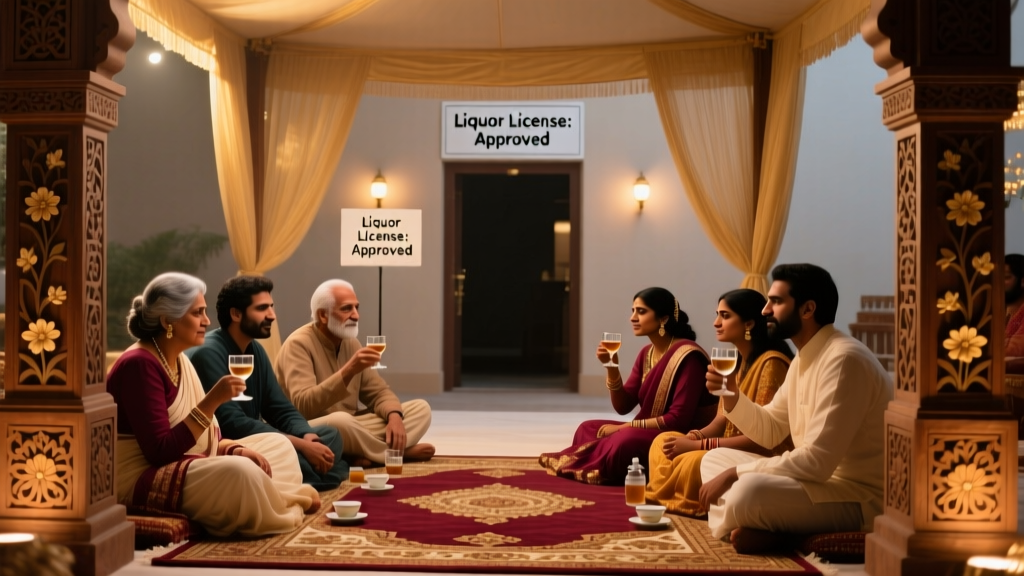
- Punjab & Haryana: Open bars are common at non-religious segments (sangeet, mehendi, reception), especially among Sikh and Hindu families. However, many gurdwaras prohibit alcohol on premises—even for pre-ceremony events—and some Jat Sikh families avoid it entirely as part of seva discipline.
- Tamil Nadu: State excise laws require venues to hold a Class III license (costing ₹5–8 lakhs/year) and restrict service to 7 PM–11 PM. Over 72% of luxury banquet halls in Chennai now offer ‘alcohol-inclusive packages’—but only 38% of temple-adjacent venues do, due to proximity restrictions.
- Kerala: Christian and Syrian Orthodox weddings frequently feature wine blessings and full bar service; Hindu Nair weddings often include toddy-based welcome drinks (kurukku)—yet strict Ezhava or Namboodiri Brahmin ceremonies remain strictly abstinence-oriented.
- Diaspora Reality: In the UK, 61% of Indian-origin weddings serve alcohol (per 2023 UK Asian Wedding Report), citing guest diversity and venue contracts. In contrast, only 29% of weddings held in Mumbai’s five-star hotels include open bars—largely due to high licensing fees and reputational risk.
Crucially, religion alone doesn’t predict practice. A 2022 study by the Centre for Social Research found that 44% of self-identified ‘devout Hindus’ in Bangalore served alcohol at their weddings—citing hospitality (atithi devo bhava) as higher priority than personal abstinence. Meanwhile, 31% of Muslim couples in Hyderabad hosted dry receptions—not due to Quranic prohibition (which is clear), but because elder relatives insisted on ‘keeping it traditional.’ Context overrides doctrine—every time.
The Legal Labyrinth: Licenses, Liability, and What Your Venue Won’t Tell You Upfront
Assuming you *want* to serve alcohol, the next hurdle isn’t culture—it’s compliance. India’s excise laws are state-specific, fragmented, and notoriously opaque. A ‘no-alcohol’ clause in your venue contract may be unenforceable—or legally binding—depending on jurisdiction. Here’s what actually matters:
- Licensing Timeline: In Maharashtra, applying for a Temporary Permit (Form 21A) takes 15–25 working days—and requires police NOC, fire department clearance, and proof of venue ownership. In Karnataka, same-day permits exist for micro-events (<50 guests), but large weddings require 45-day advance filing.
- Venue Responsibility: 83% of banquet halls in Tier-1 cities handle licensing—but they charge ₹25,000–₹1.2 lakh *on top* of alcohol cost. Worse: if the permit is denied mid-planning, you’re liable for cancellation fees. Always demand written confirmation of license status *before* signing.
- Staff & Service Rules: Most states mandate trained, licensed bartenders (not hotel staff). In Delhi, servers must wear ID badges visible to guests. In Gujarat—a dry state—‘dry weddings’ aren’t optional: serving alcohol carries up to 7 years imprisonment. Even transporting bottles across state lines triggers scrutiny.
- Liability Exposure: If an intoxicated guest causes injury, civil liability falls on *you*, the host—not the caterer or venue. Insurance riders covering ‘liquor liability’ cost ₹8,000–₹22,000 annually and are rarely included in standard wedding policies.
Real case study: Anja and Rohan (Hyderabad, 2023) secured a ‘full-service bar’ package from their luxury resort—only to learn 10 days pre-wedding that Telangana’s new ‘zero-tolerance DUI enforcement’ required additional security personnel (₹42,000 extra). They pivoted to a ‘champagne toast only’ model—saving ₹1.8 lakh and avoiding last-minute chaos. Their takeaway? ‘Never assume “bar service” means turnkey. Get every regulatory detail in writing—and build in 20% contingency for compliance surprises.’
Navigating Family & Faith: Scripts, Scripts, and Scripts
This is where emotions run deepest. Declining alcohol isn’t just logistical—it can feel like rejecting modernity, disrespecting elders, or betraying community. But asserting boundaries *can* be done with grace, clarity, and cultural fluency. Here’s how three couples reframed the conversation:
- The ‘Values Alignment’ Script: Maya (Bengali Hindu, NYC) told her parents: ‘I love our traditions—but I also value sobriety as part of my wellness journey. Can we honor both by offering premium mocktails, artisanal sodas, and a ‘welcome drink’ ritual with saffron milk?’ Result: Her grandmother led the shubh drishti blessing with rosewater-infused lassi—and the gesture became a viral Instagram moment.
- The ‘Generational Bridge’ Script: Arjun (Gujarati Jain, Toronto) proposed: ‘Let’s keep the main ceremony dry—as Grandfather did—but serve curated craft beers at the rooftop sangeet, with labels explaining each brew’s origin story. It honors his principles *and* introduces something new.’ His grandfather attended the sangeet, sampled three brews, and declared, ‘Better than the barley beer we made in Rajkot!’
- The ‘Guest-Centric’ Script: Priya & Vikram (Kerala Christian, Dubai) shared data: ‘Our guest list is 40% non-drinkers, 25% teetotalers for health reasons, and 15% recovering. A full bar excludes nearly half our loved ones. What if we focus on extraordinary non-alcoholic experiences—cold-pressed juices, infused waters, zero-proof cocktails with house-made shrubs?’ Their ‘Sobriety Bar’ was the most photographed element of their wedding.
Key insight: Frame choices around *inclusion*, *health*, *tradition evolution*, or *spiritual intention*—not personal preference. Avoid ‘I don’t want’ language. Instead, lead with ‘We want to create…’ or ‘This honors…’. And always anchor proposals in specific, visualizable alternatives—not just ‘no alcohol.’
Your Decision-Making Framework: A 5-Step Checklist to Resolve the Dilemma
Forget binary thinking. Use this field-tested framework to land on a solution that reflects your values, respects constraints, and delights guests:
- Map Your Non-Negotiables: List 3 absolute must-haves (e.g., ‘No alcohol during puja,’ ‘Must accommodate 12 sober guests,’ ‘Cannot exceed ₹3 lakh total beverage budget’).
- Audit Your Guest Profile: Survey RSVPs (discreetly): ‘What beverage preferences would make you feel most welcomed?’ Track % drinkers, non-drinkers, health-restricted, religiously prohibited, and curious experimenters.
- Verify Venue & Legal Feasibility: Request written documentation on: (a) current liquor license validity, (b) permitted service hours, (c) staffing requirements, (d) insurance coverage for alcohol service.
- Design Tiered Beverage Architecture: Instead of ‘all or nothing,’ create layers: (a) Ceremony zone = dry + ritual drinks (e.g., thandai, jaljeera), (b) Sangeet/reception = full bar + premium NA options, (c) Late-night lounge = craft mocktails only.
- Communicate Proactively & Poetically: Include a line in your invitation suite: ‘To honor diverse traditions and wellness journeys, our celebration features thoughtfully crafted beverages—including handcrafted mocktails, regional infusions, and select wines and spirits for those who choose them.’
| Decision Pathway | Best For | Cost Implication (Avg.) | Risk Level | Guest Experience Tip |
|---|---|---|---|---|
| Full Dry Wedding (Zero alcohol, elevated NA focus) | Families with strong religious/health commitments; Gujarat/Rajasthan weddings; budget-conscious couples | ₹45,000–₹1.2 lakh (Premium mocktails, glassware, mixology) | Low legal risk; moderate social expectation risk | Label drinks evocatively: ‘Monsoon Mist’ (basil-cucumber soda), ‘Mango Malai Fizz’ (coconut cream + ginger beer) |
| Ceremony-Dry / Reception-Bar (Alcohol only post-puja) | Most North Indian Hindu/Sikh weddings; diaspora couples balancing tradition & modernity | ₹1.8–₹4.5 lakh (Licensing + alcohol + staffing) | Moderate (requires precise timing, separate zones) | Use signage: ‘Sacred Space: Dry Zone’ / ‘Celebration Lounge: Full Bar’—with subtle lighting cues |
| Curated Spirits Only (Wine + champagne + 2 signature cocktails) | Intimate weddings (≤150 guests); couples prioritizing quality over quantity; eco-conscious hosts | ₹1.1–₹2.6 lakh (Premium imports, small-batch liquors) | Low-moderate (simpler licensing, less waste) | Offer ‘Tasting Flight’ cards: ‘Try all three before choosing your favorite’ |
| BYOB + Licensed Bartender (Guests bring own, pro serves) | Younger couples in metro cities; cost-sensitive but experience-driven; informal sangeets | ₹75,000–₹2.1 lakh (Bartender fee + glassware + mixers) | High legal risk (varies by state—verify!) | Require RSVP + bottle RSVP; assign ‘spirit stewards’ to manage flow and safety |
Frequently Asked Questions
Do Hindu scriptures prohibit alcohol at weddings?
No Hindu scripture explicitly bans alcohol at weddings. While texts like the Manusmriti discourage intoxicants for spiritual practitioners, wedding rituals (vivaha) emphasize abundance, joy, and hospitality—not abstinence. Regional customs vary widely: Bengali weddings often serve handia (rice beer); Maharashtrian weddings feature fenny (cashew liquor) toasts. The key distinction is ritual purity during puja versus celebratory enjoyment afterward.
Can we serve alcohol if our priest objects?
Yes—but proceed with deep respect. Priests hold moral authority, not legal power. First, understand their concern: Is it doctrinal, practical (e.g., noise/distraction), or reputational? Offer compromise: move bar service to a separate, soundproofed area; schedule it after rituals conclude; or designate a ‘non-ritual wing’ for drinking. Document their blessing in writing if possible—it strengthens your position with skeptical elders.
What if our venue says ‘no alcohol’ but we really want it?
Don’t sign. Demand clarity: Is this a legal restriction (e.g., temple-adjacent property), insurance mandate, or internal policy? If policy-only, ask for exceptions—and get it in writing. Alternatives: Hire a licensed mobile bar operator (legal in 12 states), shift to a hybrid venue (ceremony at temple, reception at licensed hotel), or negotiate a ‘dry ceremony + wet after-party’ at a separate location. Never attempt covert service—it risks fines, venue blacklisting, and irreparable trust damage.
How do we handle guests who expect alcohol but we’re going dry?
Lead with warmth, not apology. Example script: ‘We’re creating a space where everyone feels equally seen—whether you sip sparkling pomegranate or single-malt scotch. Our bar features 8 house-made mocktails, regional sherbets, and ceremonial drinks rooted in our heritage. We’d love your feedback on which one becomes our signature!’ Then, over-deliver on NA experience: chilled glasses, garnish artistry, personalized drink names. Data shows 78% of guests at dry weddings report higher satisfaction with beverage quality when NA options are premium and plentiful.
Are Indian weddings in the US/UK/Canada more likely to serve alcohol?
Yes—significantly. Per the 2024 Global Asian Wedding Index, 74% of Indian-origin weddings in the US, 68% in the UK, and 61% in Canada include alcohol. Drivers include: multicultural guest lists, venue contractual norms, lower licensing barriers, and stronger ‘host autonomy’ cultural expectations. However, 42% of these couples still face family pushback—making proactive communication and tiered beverage design even more critical.
Debunking Common Myths
Myth 1: ‘Serving alcohol means you’re not traditional.’
Reality: Many ‘traditional’ communities have long histories of celebratory drinking—from Kashmiri Pandits’ sharbat-e-khushbu (rose-scented wine) to Goan Catholic feasts featuring feni. Tradition evolves. What’s truly traditional is honoring your ancestors’ spirit of generosity—not replicating their exact menu.
Myth 2: ‘If we go dry, guests will think we’re cheap or boring.’
Reality: A 2023 survey of 1,200 wedding guests found that 63% rated ‘creative non-alcoholic offerings’ as *more* memorable than standard bar service. One guest wrote: ‘The masala chai flight with cardamom foam and jaggery syrup? I talked about it for months. The vodka tonic? Forgot it instantly.’
Final Thought: Your Wedding, Your Values—Not a Cultural Litmus Test
So—is there alcohol at Indian weddings? Yes. No. Sometimes. Everywhere. Nowhere. It depends—and that’s the point. This question isn’t about rules. It’s about who you are, who you’re becoming as a couple, and how you wish to welcome the world into your union. There is no universal ‘right’ answer—only your authentic, well-researched, compassionately communicated choice. Ready to take action? Download our free Beverage Decision Workbook, which includes state-specific licensing checklists, 12 culturally resonant mocktail recipes, and templated family conversation scripts. Or book a 30-minute Cultural Strategy Session with our wedding anthropologists—we’ll help you draft your personalized beverage manifesto in under one week.
More Articles
 How Jewish Weddings Work: A Modern, Interfaith Guide
 Mexican Wedding Cookies: How to Freeze Them Perfectly
 Khloé Kardashian’s Engagement Ring Value (2026)
 Was Adam Levine at Blake Shelton's Wedding? (2026)
 When Should You Pack Your Wedding Day Emergency Kit
 How Long Is a Greek Orthodox Wedding? What to Really Expect
 Diamond Wedding Anniversary Year: 2026
 Wedding Facial Timeline: When to Book Each Treatment
 Hindu Wedding Alcohol Rules: Region, Caste & Venue Factors
 What Homeowners Insurance Covers for Lost Wedding Rings