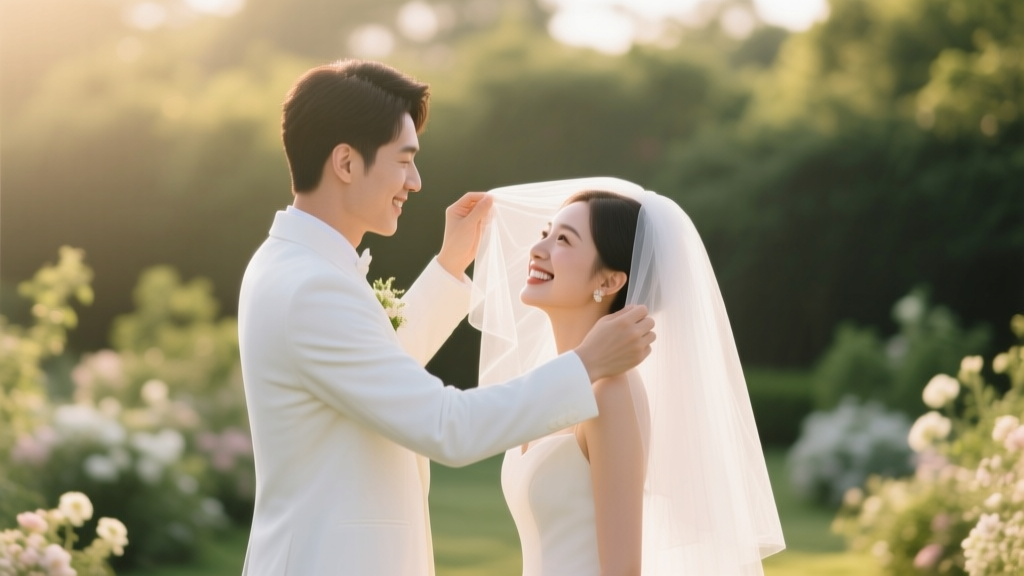
What Are the Must-Have Wedding Photos on Your Shot List
What Are the Must-Have Wedding Photos on Your Shot List?
You’ll hear a lot of wedding planning advice, but one thing almost every couple agrees on afterward is this: your photos are what you keep. The cake gets eaten, the flowers wilt, the timeline blur happens fast—but your wedding gallery becomes the way you relive the day and share it with the people who weren’t there.
The tricky part is that “must-have wedding photos” can mean different things depending on your family dynamics, your style (traditional, modern, documentary), and your schedule. A good wedding shot list keeps you organized without turning your day into a checklist marathon.
The direct answer: the must-have wedding photos
If you want the essential wedding photo checklist that covers almost every celebration, focus on these categories:
- Getting ready: details + key moments (not every minute)
- First look (if you’re doing one) or pre-ceremony portraits
- Ceremony: processional, vows, ring exchange, first kiss, recessional
- Family formals: immediate family + a few meaningful extended combos
- Wedding party portraits
- Couple portraits: the “wow” images and the candid in-betweens
- Reception highlights: entrances, toasts, first dance, parent dances, cake/dessert, dance floor
- Details and atmosphere: venue, decor, tablescapes, signage, favors, wide room shots
- Any cultural or personal traditions: tea ceremony, hora, jumping the broom, etc.
- A solid “guest story”: candid guest photos across generations
That’s the backbone of a great wedding photography shot list. From there, you customize for what matters most to you.
Why shot lists matter (and how to use one without stressing out)
A shot list doesn’t replace your photographer’s expertise—it supports it. Think of it as a communication tool: it tells your photographer what you value, helps them plan timing and lighting, and prevents “I can’t believe we didn’t get a photo with…” regret.
Wedding photographer Maya Ellison (fictional) puts it well: “My best galleries happen when couples give me a short ‘absolutely must-have’ list plus any family dynamics I should know. Then I can focus on real moments instead of reading a spreadsheet all day.”
Modern etiquette also matters here: it’s completely normal to prioritize candid, documentary-style coverage, but it’s equally normal to request a few specific posed groupings for grandparents, blended families, or chosen family. The most polite approach is clarity—tell your photographer what you want, and tell your VIPs where and when to be.
Must-have wedding photos, broken down (with examples)
1) Getting ready (the highlight reel, not the whole morning)
- Dress/suit on a hanger (or styled on a chair), shoes, rings, invitations, vow books
- Hair/makeup final touches
- Putting on the dress/jacket
- Gift exchange or letter reading (if you’re doing it)
- Portraits of each partner fully ready
Real-world tip: If you want detail photos, keep everything in one place (rings, invites, perfume/cologne, heirlooms). Couples often forget the invitation suite—ask your planner or a friend to bring it to the getting-ready room.
2) First look vs. aisle reveal (traditional and modern scenarios)
Traditional approach: You see each other for the first time at the ceremony. Must-have photos include the aisle reaction, handoff, and that first touch after the ceremony.
Modern approach: You do a first look earlier to calm nerves and free up time for portraits. Must-have photos include the approach, reactions, the hug, and a few quiet candids right after.
Couple experience (fictional): “We weren’t sure about a first look,” says Jordan. “But it gave us 30 extra minutes at cocktail hour with our guests. Our photographer captured the emotional moment and we still had a big aisle reveal vibe.”
3) Ceremony moments you can’t recreate
- Venue wide shot before guests arrive
- Guests seated, processional lineup, and wedding party walking
- Partner reactions during the processional
- Vows (close and wide)
- Ring exchange
- First kiss
- Signing the license (if it happens publicly)
- Recessional + celebratory walk back up the aisle
Trend note: Unplugged ceremonies are still popular—and they often lead to cleaner, more emotional professional images. If you’re going unplugged, have your officiant announce it and add a sign at the entrance.
4) Family formal photos (where most stress happens)
These are must-haves because they’re the hardest to recreate later. Keep it streamlined and meaningful.
Start with these core groupings:
- Couple + both sets of parents/parent figures
- Couple + each set of parents separately
- Couple + siblings (and siblings’ partners/kids if applicable)
- Couple + grandparents (prioritize mobility and comfort)
Then add only what you truly want: blended family combinations, step-parents, godparents, close aunts/uncles, chosen family.
Planner quote (fictional): “If family photos routinely run long, it’s usually not the photographer,” says wedding planner Alina Cho. “It’s that nobody knows where to stand or who’s next. Assign a ‘family photo wrangler’ who knows names and faces.”
5) Wedding party photos (classic + candid)
- Full wedding party group
- Each side separately (if you want)
- Individual shots with each attendant
- Candid walking/laughing shots (these feel modern and less posed)
Trend note: Many couples are skipping heavily staged “Pinterest poses” and opting for movement-based prompts. Tell your photographer if you prefer more natural wedding party photos.
6) Couple portraits (your “frame it” photos)
Aim for a mix:
- One or two epic wide shots showing the venue
- Close-ups that capture emotion
- Hands/rings details (especially if rings are meaningful heirlooms)
- Golden hour portraits if timing allows
Actionable timing tip: Even 10–15 minutes at sunset can create dramatically better light. If your schedule is tight, ask your photographer for a mini “golden hour sprint.”
7) Reception must-haves (the big beats)
- Room reveal before guests enter (tables, centerpieces, place settings)
- Grand entrance
- Toasts (speaker + your reactions)
- First dance + parent dances
- Cake cutting or dessert moment
- Open dance floor candids
- Nighttime couple portrait (if you love a modern, editorial vibe)
Trend note: Late-night snacks, espresso martini towers, and outfit changes are having a moment. If you’re doing these, add them to your wedding shot list so they don’t get missed.
How to build your shot list (without making it overwhelming)
- Pick 10 “non-negotiables.” Examples: first look, grandparents photo, wide ceremony shot, sunset portraits, dance floor candids.
- Share family dynamics early. Divorced parents, sensitive relationships, missing family members—your photographer can plan respectfully.
- Keep formal family groupings to 8–15 max. That usually fits in 20–35 minutes with a wrangler and a clear order.
- Plan buffer time. Photos take longer when people are chatting, kids need breaks, or transportation runs late.
- Tell your photographer what you don’t want. If you dislike staged shots, excessive detail photos, or being pulled away from guests, say so.
Related questions couples ask (and easy answers)
“Do we need a shot list if we have a great photographer?”
You don’t need a long one. But a short must-have list plus family photo groupings is still helpful. Your photographer can’t read your mind, and your priorities may differ from another couple’s.
“What if we hate posing?”
Ask for documentary-style wedding photography with light guidance. A good photographer will prompt natural movement (“walk hand-in-hand,” “whisper something funny”) and capture candid moments. Keep formal posed photos limited to family and one or two couple portraits.
“How do we handle divorced parents or blended families?”
Create separate combinations (Partner A + Parent 1, Partner A + Parent 2, etc.), and avoid forcing a group photo that will feel tense. If everyone is comfortable, you can do one big blended family shot—only if it’s genuinely wanted.
“What if we’re skipping traditions like a bouquet toss or cake cutting?”
No problem—just replace them with what you are doing: a champagne tower, private last dance, anniversary dance, table visits, or a late-night outfit change. Your wedding photography checklist should reflect your actual timeline.
“Should we ask for guest photos?”
Yes. Tell your photographer you want a strong mix of guest candids across groups—older relatives, college friends, coworkers, kids. If there are VIP guests you must have photographed, list them by name.
Conclusion: your must-haves should match your wedding
The best shot list is the one that protects what you’ll care about most in five, ten, twenty years: your people, your promises, and the feeling of the day. Start with the must-have wedding photos above, keep your list realistic, and trust your photographer to capture the moments you didn’t even know were happening.
If you can name your non-negotiables, organize your family formals, and build in a little breathing room, you’re set up for a wedding gallery you’ll love for life.
More Articles
 Wedding Shoes Superstition: Groom Seeing Them in 2026
 How to Share Your Wedding Website Effectively
 When You Dream Of Wedding What Does It Mean (2026)
 Engagement vs Wedding Ring Order: What 87% Get Wrong
 Is Joey Fatone in My Big Fat Greek Wedding 3?
 Victoria Beckham Wedding Dresses: The Truth (2026)
 American Wedding by Frank Ocean: Meaning & Samples
 What to Do If a Family Member Wants to Take Over Planning
 Wedding: Legal Theater, Sacred Covenant, Cultural Act
 Wedding Ring vs Engagement Ring: Stacking Order (2026)