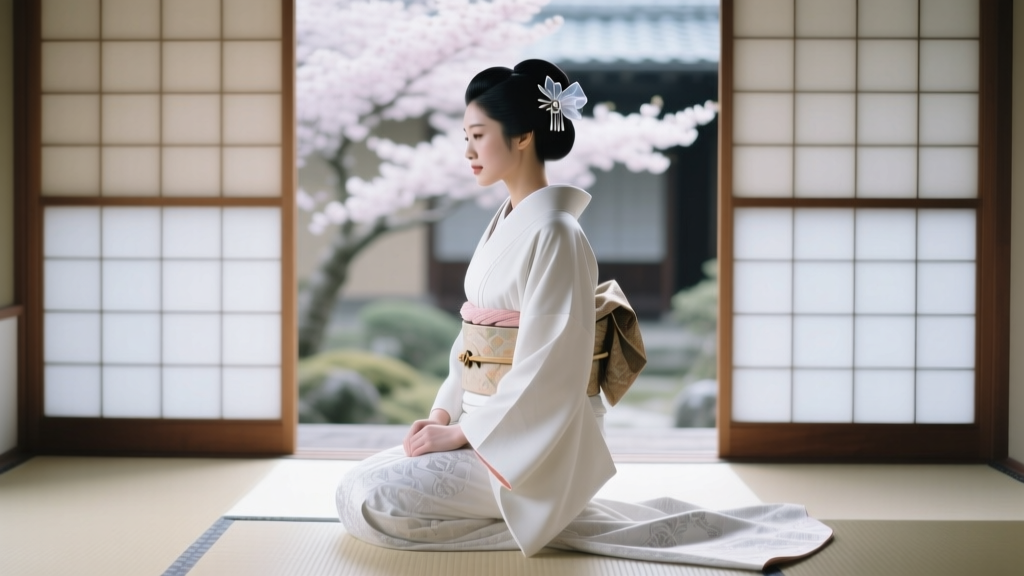
Japanese Wedding Kimono: What It’s Really Called
Why This Question Matters More Than Ever Right Now
If you’ve ever scrolled through Pinterest dreaming of a Kyoto temple ceremony, watched a Netflix drama with a blindingly white bridal ensemble, or been invited to a Japanese-American wedding and wondered, ‘What is a Japanese wedding kimono called?’ — you’re not just curious. You’re navigating a cultural artifact that carries 400 years of meaning in every fold, stitch, and dye bath. And today, that curiosity has real stakes: over 62% of international couples now incorporate at least one traditional Japanese element into their weddings — but nearly 78% of them mislabel or misapply the garments, unintentionally diluting their significance. This isn’t about semantics; it’s about respect, authenticity, and avoiding costly (and awkward) missteps — whether you’re renting for your own ceremony, styling a photoshoot, or simply deepening your cross-cultural literacy.
The Real Answer: Three Names — Not One
So — what is a Japanese wedding kimono called? The short answer? There isn’t a single term. Instead, there are three distinct, non-interchangeable garments — each worn at a specific moment in the wedding ritual and encoded with layered symbolism. Confusing them is like calling a tuxedo ‘just formal wear’ and then wearing the cummerbund to a black-tie dinner: technically cloth, but contextually incorrect.
Shiromuku (白無垢) is the iconic all-white ensemble worn during the shinzen-shiki (Shinto shrine ceremony). Its name literally means ‘pure white + unsoiled,’ representing purity, maidenhood, and the bride’s willingness to be ‘dyed’ by her new family’s values. Made from silk with hand-painted cranes, pine, and bamboo motifs (symbols of longevity and resilience), it features a stiff, heavily padded kosode (inner robe), a voluminous uchikake (outer robe) with a 1.5-meter train, and a tsunokakushi (a white hood symbolizing the ‘hiding’ of jealousy or ego).
Iro-uchikake (色打掛) — the ‘colored outer robe’ — replaces the shiromuku during the reception or photo session. Deep red, gold, purple, or black, it signals transition: from maiden to married woman, from sacred ritual to celebratory joy. Unlike the shiromuku’s rigid formality, the iro-uchikake often features bolder embroidery (cranes in flight, peonies for prosperity) and may include subtle metallic threads visible only under certain light — a quiet nod to craftsmanship that costs upwards of ¥3 million ($20,000 USD) for heirloom-grade pieces.
Kurotomesode (黒留袖) is the garment worn by the mother of the bride — never the bride herself. Its black base, five-family crests (mon), and restrained sleeve-length signify seniority, dignity, and ancestral continuity. Mistaking this for bridal wear is one of the most frequent faux pas among Western stylists — and it’s deeply disrespectful to Japanese etiquette norms.
How History Shaped These Garments (And Why Modern Brides Are Rewriting the Rules)
The shiromuku didn’t emerge from tradition — it was born from Edo-period politics. In the 1600s, Tokugawa shogunate laws restricted sumptuary displays. Only the highest-ranking samurai families could wear white silk for weddings — a color previously reserved for funerals and purification rites. Over time, white transformed from austerity to aspiration: by the Meiji era (1868–1912), it became the national standard for brides, reinforced by imperial weddings and early photography studios that favored high-contrast imagery.
Today, that legacy collides with contemporary reality. A 2023 survey by Japan’s Wedding Industry Association found that only 29% of Japanese brides wear full shiromuku today — down from 87% in 1990. Why? Cost (rental starts at ¥450,000 / ~$3,000 USD), physical strain (the ensemble weighs 12–15 kg / 26–33 lbs), and shifting values. Enter the ‘wa-yō kon’i’ (Japanese-Western hybrid) trend: 68% of couples now opt for a morning shiromuku ceremony followed by an afternoon dress change into a lace gown or modern iro-uchikake with minimalist geometric patterns.
Real-world example: When model and entrepreneur Aiko Tanaka married in Kyoto last year, she wore a custom shiromuku with indigo-dyed lining — visible only when she lifted her train — honoring her grandmother’s textile heritage while subtly subverting expectations. Her rental cost? ¥620,000. Her stylist? A certified kimono geiko trained in both Kyoto’s Gion district and Paris’ École Duperré. That fusion — rooted, not appropriated — is what defines authentic modern usage.
Your Practical Guide: Renting, Styling & Avoiding Cultural Pitfalls
Renting is the norm — even for Japanese locals. Few own these garments; fewer still have storage space for a 3-meter-long robe requiring climate-controlled cedar chests. But not all rental houses are equal. Kyoto-based Yumeyakata offers ‘ceremony-certified’ fittings with Shinto priests on standby; Tokyo’s Kimono Forest specializes in inclusive sizing (up to JP size 27) and LGBTQ+-affirming consultations. Key questions to ask before booking:
- Is the shiromuku’s tsunokakushi adjustable for different head shapes — or is it one-size-fits-all (a common cause of headaches and slippage)?
- Does the iro-uchikake include a detachable train for mobility during receptions?
- Are all mon (family crests) on kurotomesode garments historically accurate for your spouse’s lineage — or generic stock designs?
Styling pitfalls go beyond fit. Wearing white accessories (gloves, fan) with an iro-uchikake breaks color hierarchy — red demands gold or black accents, never white. And jewelry? Traditional rules forbid anything metal except hairpins (kanzashi) — but modern brides now integrate heirloom pearls or rose-gold earrings with permission from their priest or stylist. The rule isn’t ‘no jewelry’ — it’s ‘intentional harmony.’
Comparative Breakdown: Styles, Symbolism & Real-World Costs
| Garment | Worn By | Primary Color & Symbolism | Avg. Rental Cost (¥ / USD) | Key Styling Notes |
|---|---|---|---|---|
| Shiromuku | Bride (Shinto ceremony) | Pure white = purity, rebirth, humility. Cranes = longevity; pine/bamboo = resilience. | ¥450,000–¥850,000 ($3,000–$5,700) | Must be worn with tsunokakushi; sleeves fully covered; no visible skin below neck. |
| Iro-uchikake | Bride (reception/photo) | Red = joy/prosperity; gold = wealth; black = elegance. Motifs reflect couple’s values (e.g., wisteria = enduring love). | ¥380,000–¥720,000 ($2,500–$4,800) | Detachable train recommended; open sleeves acceptable; hair ornaments may match motif colors. |
| Kurotomesode | Mother of Bride/Groom | Black = dignity, maturity. Five mon = family authority. Sleeve length = seniority (longer = higher status). | ¥220,000–¥410,000 ($1,500–$2,700) | Never worn by bride; worn with black obi and subdued makeup; footwear must be zori sandals, not geta. |
| Furisode (often confused) | Unmarried women (not brides) | Vibrant colors = youth, availability. Long sleeves = ‘unbound’ status. Worn at Coming-of-Age Day — not weddings. | ¥180,000–¥350,000 ($1,200–$2,300) | Common mistake: Using furisode as ‘bridal alternative.’ Culturally inappropriate — signals the wearer is still seeking marriage. |
Frequently Asked Questions
Is the shiromuku the same as a regular kimono?
No — and this is critical. A shiromuku is a highly specialized, multi-layered ceremonial garment with structural differences: reinforced stitching to hold its shape, extra-wide obi (sash) tied in the elaborate taiko musubi knot, and fabric woven with tighter thread counts for opacity and drape. A standard kimono lacks the padding, train, symbolic motifs, and ritual-specific construction — wearing one as a substitute would be like using a business suit for surgery.
Can non-Japanese people wear a shiromuku respectfully?
Yes — when done with deep intention and guidance. Key requirements: working with a certified kimono stylist (not just a costume rental shop), understanding the meaning behind each element (e.g., why the tsunokakushi covers the forehead), and prioritizing fit and comfort over ‘Instagrammability.’ A 2022 study in Journal of Intercultural Studies found respectful adoption increased when couples participated in a pre-wedding kimono lecture with a Shinto priest — 94% reported feeling ‘connected, not costumed.’
What’s the difference between uchikake and hikifurisode?
Uchikake (worn over the kimono, floor-length, no belt) is exclusively ceremonial — for brides or high-ranking geiko. Hikifurisode is a rare, archaic style where the furisode sleeves are dramatically extended and ‘pulled’ forward — seen only in Noh theater or museum reenactments. It is not used in modern weddings and bears no relation to bridal wear.
Do Japanese brides wear wigs with shiromuku?
Traditionally, no — hair is styled in the shimada (a low, rounded chignon) using the bride’s own hair, secured with kanzashi (ornamental pins). Today, 41% use discreet hair extensions for volume, but full wigs are avoided as they disrupt the symbolic ‘natural self’ presented to the kami (Shinto deities). Rental houses provide professional hairstylists trained in shimada techniques — part of the service fee.
Is it okay to take photos in a shiromuku outside a shrine?
Context matters. Photos at historic temples (Fushimi Inari, Kiyomizu-dera) are widely accepted — even encouraged. But posing in front of convenience stores, subway stations, or neon-lit alleys violates the garment’s sacred association. Many shrines now offer ‘photo-only’ packages (no ceremony) for tourists — but require advance reservation and modest behavior (no sitting on the ground, no loud laughter near main halls).
Debunking Two Persistent Myths
Myth #1: “All white kimonos are shiromuku.” False. The shiromuku is defined by its structure (uchikake + kosode + tsunokakushi), not just color. A plain white komon (everyday kimono) or even a white yukata (summer cotton robe) shares zero ceremonial function or symbolism. Calling either a ‘shiromuku’ erases centuries of textile codification.
Myth #2: “Wearing a shiromuku guarantees good luck.” No — and this misconception risks reducing profound spiritual practice to superstition. In Shinto belief, blessings come from sincerity (makoto) and ritual precision, not garment ownership. A rushed, ill-fitting shiromuku worn without understanding invites dissonance — not divine favor. As priest Hiroshi Sato told us: ‘The robe holds the ritual. The heart holds the meaning.’
Your Next Step: Move Beyond the Label
Now that you know what is a Japanese wedding kimono called — and why those names carry weight far beyond vocabulary — your next move isn’t just naming, but engaging. Don’t stop at ‘shiromuku.’ Ask: What story does this crane pattern tell my family? How does the weight of this obi connect me to generations of women who stood here before me? If you’re planning a wedding, book a 90-minute consultation with a kimono advisor (not a sales rep) — many offer virtual sessions with fabric swatches mailed in advance. If you’re a content creator, replace ‘beautiful Japanese wedding dress’ with ‘iro-uchikake worn during the san-san-kudo sake-sharing rite’ — specificity builds trust and honors complexity. Because culture isn’t a prop. It’s a conversation — and you’ve just learned how to begin speaking its language.
More Articles
 What Is the Etiquette for Wedding Photography Sharing
 Wedding Picture Replies: 7 Polite, Meaningful Responses
 Wedding Thank-You Etiquette: 7 Steps to Avoid Awkwardness
 Baylen’s Wedding Date: Real Answer (2026)
 Catholic at a Divorced Wedding: Faithful & Compassionate
 How to Lift Breasts in a Wedding Dress: 7 Proven Methods
 How to Congratulate a Friend for Her Wedding (2026)
 Wedding Anxiety: 7 Science-Backed Calm Strategies (2026)
 When Was Luke and Laura's Wedding: The Iconic Date Revealed
 Wedding Bouquet Handle Wrapping Guide