## Your Guests Are Confused — A Wedding Website Fixes That
You've just gotten engaged. The excitement is real — but so is the flood of texts asking "When is it?" "Where do I stay?" "Is it black tie?" A wedding website is your single source of truth for every guest question, available 24/7, before you've even sent a single invitation. In 2026, it's not a luxury — it's the first thing couples set up.
---
## What Is a Wedding Website, Exactly?
A wedding website is a personal webpage — or small multi-page site — created specifically for your wedding. It lives at a custom URL (like `sarahandjames2026.com` or a free subdomain from a wedding platform) and serves as a centralized hub for everything guests need to know.
Typical pages include:
- **Home / Welcome** — your names, date, and a photo
- **Our Story** — how you met, your proposal story
- **Event Details** — ceremony and reception times, venues, dress code
- **Travel & Accommodations** — hotel room blocks, airport info, local tips
- **RSVP** — a digital form guests fill out instead of mailing a card
- **Registry** — links to your gift registries
- **FAQ** — answers to the questions you'll otherwise answer 200 times
Platforms like Zola, The Knot, Joy, and Squarespace make it possible to build one in under an hour with no technical skills required.
---
## What to Include on Your Wedding Website
The most effective wedding websites are specific, not generic. Here's what actually matters:
**1. Logistics first.** Date, time, full venue address (with a Google Maps link), and parking instructions. This is the #1 reason guests visit.
**2. A clear RSVP deadline.** Digital RSVPs have a ~30% higher response rate than mailed cards, according to wedding planning surveys. Set a deadline 4–6 weeks before the wedding and send a reminder through the site.
**3. Accommodation details with your room block link.** If you've negotiated a hotel block, put the booking link front and center. Guests who can't find it will book elsewhere — and then ask you about it anyway.
**4. A real FAQ section.** Answer: Can I bring kids? What's the parking situation? Is there a shuttle? What happens if it rains? Every question you answer here is one fewer text you receive at 11pm.
**5. Your registry links.** Don't make guests hunt. A direct link from your website to each registry removes friction and increases the chance they actually use it.
---
## How a Wedding Website Saves You Real Time and Money
The average couple spends 12–15 hours answering guest logistics questions via text, email, and phone calls. A well-built wedding website cuts that by roughly 80%.
On the cost side:
- **Digital RSVPs eliminate reply card printing and postage** — typically $1.50–$3.00 per guest. For a 150-person wedding, that's $225–$450 saved.
- **Free platforms (Zola, The Knot, Joy)** mean your website costs $0 unless you want a custom domain (~$15/year).
- **Fewer last-minute venue changes to communicate** — update the website once, everyone sees it.
For destination weddings especially, a wedding website is indispensable. Guests need flight windows, visa info, local weather, and activity recommendations. Putting all of that in one place — rather than a 47-message group chat — is a genuine service to the people traveling for you.
---
## Common Myths About Wedding Websites
**Myth 1: "A wedding website is only for tech-savvy couples."**
False. Modern platforms like Zola and The Knot are drag-and-drop builders designed for people who have never built a website. If you can fill out a form and upload a photo, you can build a wedding website in an afternoon. Most couples report spending 1–2 hours on the initial setup.
**Myth 2: "It replaces the wedding invitation."**
Not quite. Your formal invitation (paper or digital) is still the official announcement and sets the tone. The wedding website *supplements* it — it's where guests go for details that don't fit on a card. Best practice: print your website URL on the invitation so guests know where to find everything else.
---
## Start Today: One Simple Next Step
A wedding website is your always-on wedding coordinator for guests — handling logistics, RSVPs, and questions so you don't have to. It saves money on stationery, saves hours of back-and-forth communication, and gives every guest a better experience.
**Your next step:** Pick one free platform (Zola, The Knot, or Joy), enter your names and wedding date, and publish a basic page today — even if it only has the date and location. You can fill in the rest over the next few weeks. The sooner it's live, the sooner guests stop texting you.

 Wedding Color Norms: Dusty Rose & All-Black (2026)
 Jeff Bezos Wedding: Truth Behind Viral Rumors (2026)
 Ambani Wedding Cost: Verified 2026 Breakdown
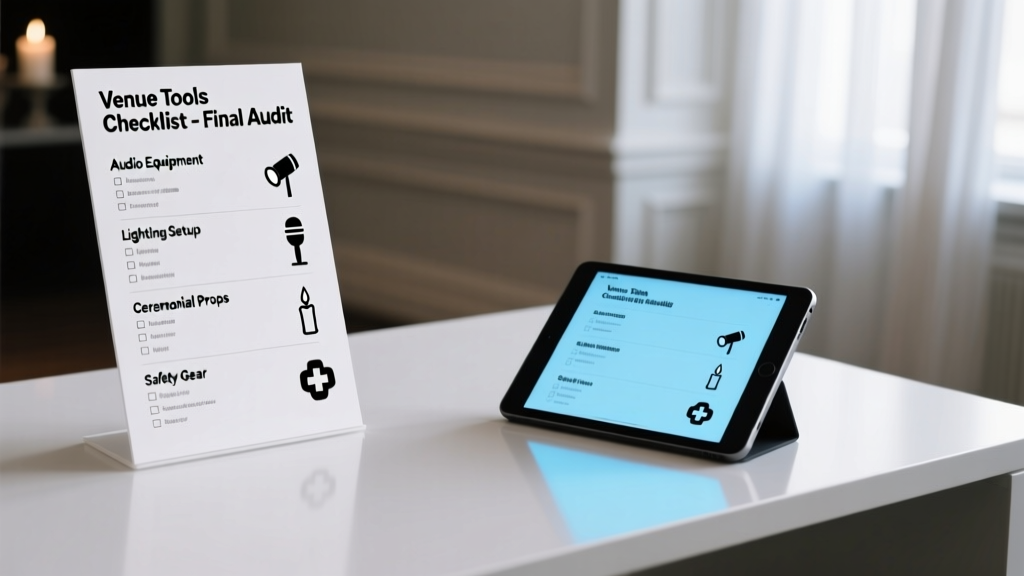 Venue Tools Checklist
 Craig Conover at Kyle’s Wedding: What Really Happened (2026)
 Indian Wedding Rituals: Step-by-Step Breakdown (2026)
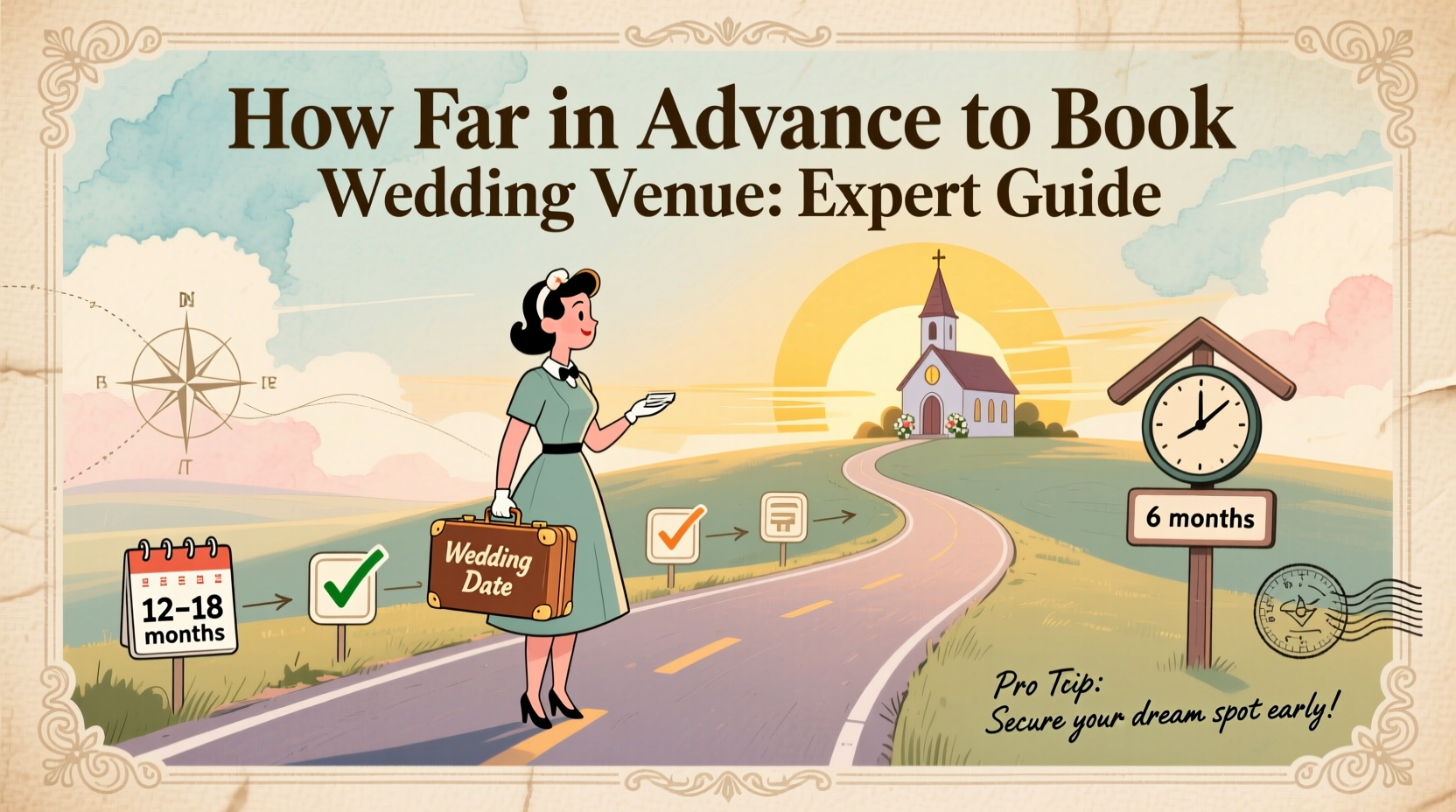 Book Wedding Venue 12–18 Months Ahead (2026)
 Wedding: Legal Theater, Sacred Covenant, Cultural Act
 How to Have a Quick Wedding Without Sacrificing the Magic
 Wedding Ring on Left Hand? Tradition, Exceptions & Mistakes