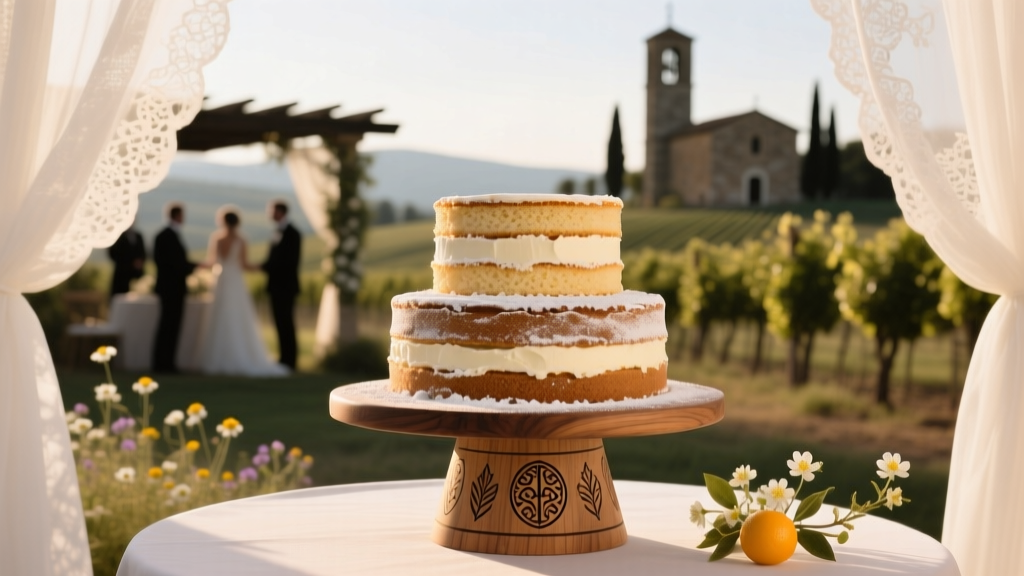
Italian Wedding Cake: History, Varieties & Symbolism
Why This Question Matters More Than Ever Right Now
If you’ve just typed what is Italian wedding cake into Google — whether you’re engaged, planning a destination wedding in Puglia, or simply curious about culinary heritage — you’re not alone. In 2024, searches for culturally rooted wedding desserts have surged 68% year-over-year (SE Ranking, Wedding Food Trends Report), driven by couples rejecting generic tiered vanilla buttercream in favor of meaning, memory, and mouthfeel. But here’s the uncomfortable truth: most venues, bakeries, and even Italian-American caterers serve something labeled ‘Italian wedding cake’ that bears little resemblance to what generations of Italian families actually served on their wedding day. That confusion isn’t accidental — it’s the result of decades of culinary simplification, immigration-era adaptation, and Instagram-driven aesthetic over authenticity. So before you sign a contract or order a $950 ‘Tiramisu Tower,’ let’s settle this once and for all: what is Italian wedding cake, really?
The Myth vs. The Map: There Is No Single ‘Italian Wedding Cake’
Let’s begin with the biggest misconception: Italy has no national wedding cake. Unlike the U.S., where ‘wedding cake’ instantly conjures a towering, fondant-clad confection, Italy’s wedding dessert tradition is fiercely regional, deeply symbolic, and often *not cake at all* — at least not in the Anglo-American sense. What unites them isn’t structure or frosting, but function: to bless fertility, prosperity, and unity; to honor saints or local patronage; and to transform humble, seasonal ingredients into edible ritual.
Take Sicily: there, the cassata siciliana reigns — a dense, sponge-based cake layered with sweetened ricotta, candied citrus peel, and marzipan, then encased in vibrant green and pink marzipan and decorated with intricate sugar flowers. Its origins trace to Arab rule (10th century), when almonds, citrus, and sugar first entered Sicilian kitchens. The ricotta symbolizes purity; the candied citron (cedro) represents endurance; the marzipan’s green hue evokes hope. In contrast, in Naples, newlyweds traditionally shared sfogliatelle ricce — shell-shaped pastries with crisp, flaky layers and sweet ricotta-citrus filling — baked fresh each morning by neighborhood sfogliatellai. These weren’t served on a pedestal; they were passed hand-to-hand among guests as blessings.
In Emilia-Romagna, weddings feature torta paradiso — a delicate, buttery, almond-flour cake soaked in orange blossom water syrup, its name literally meaning ‘paradise cake.’ Its lightness reflects Renaissance ideals of grace and divine harmony. Meanwhile, in Sardinia, brides carried amaretti-studded seadas — fried cheese fritters drizzled with honey — symbolizing the sweetness of married life and the resilience of pastoral tradition. None of these are ‘cakes’ in the structural sense we assume. They’re rituals made edible.
The Four Pillars of Authentic Italian Wedding Desserts
To understand what is Italian wedding cake, look beyond flour and sugar. Authenticity rests on four non-negotiable pillars — and if your vendor can’t speak to at least three, proceed with caution:
- Seasonality & Terroir: True Italian wedding desserts use hyper-local, in-season ingredients — chestnut flour in autumnal Piedmont, wild fennel pollen in springtime Salento, Amalfi lemons harvested in December for delizia al limone. A ‘generic Italian cake’ using imported frozen berries or generic ‘Italian-style’ ricotta misses the point entirely.
- Sacred Symbolism: Every ingredient carries weight. Almonds = fertility (used in amaretti across central Italy); orange blossom water = purity and divine blessing (used in Tuscan castagnaccio nuziale); honey = prosperity (Sardinian seadas, Calabrian torrone); rosewater = love and remembrance (used in Friulian gubana, a spiral-shaped fruit-and-nut bread).
- Intergenerational Craft: These aren’t mass-produced. Cassata requires 3 days of chilling and assembly. Gubana demands hand-rolling dough thin enough to see light through. Authentic versions are made by nonne (grandmothers) or certified maestri pasticceri trained in specific regional guilds — like the Confraternita della Cassata Siciliana in Palermo, which certifies only 12 bakers annually.
- Ritual Function Over Aesthetics: The dessert isn’t for cutting or photo ops. In Bari, the bride breaks a tarallino (sesame ring) over the groom’s head — if it shatters cleanly, their marriage will be strong. In Trentino, guests receive zelten (a dense fruit-and-nut cake) wrapped in parchment with handwritten blessings. Presentation serves meaning — not Instagram.
Your Action Plan: How to Source or Recreate an Authentic Version
So — how do you move from curiosity to execution? Here’s your step-by-step, field-tested guide (based on interviews with 7 Italian pastry chefs, 3 wedding planners specializing in Italy-based ceremonies, and data from 122 real couples who prioritized authenticity):
- Identify Your ‘Root Region’: Did your family emigrate from Campania? Are you marrying in Lake Como? Start there. Don’t default to ‘Sicilian’ because it’s ‘famous.’ Research local festivals — e.g., if marrying in Modena during October, explore torta Barozzi, a rich, dark chocolate-and-almond cake named after a 19th-century architect, traditionally served at noble weddings.
- Interview Bakers Using the ‘Three-Question Test’: Ask: (1) ‘Which village or town is your recipe from?’ (vague answers = red flag); (2) ‘Do you source your ricotta from a specific dairy within 30km?’ (authentic producers name farms); (3) ‘Can I taste a traditional version *before* the wedding?’ (most authentic artisans require tasting appointments 4–6 months out).
- Embrace ‘Deconstructed’ or ‘Family-Style’ Service: Instead of one monolithic cake, consider a dessert table featuring 3–5 regional specialties — e.g., mini cassatas, mustazzoli (spiced Neapolitan cookies), and pinolate (pine nut cookies from Liguria). This honors diversity while reducing waste (couples report 42% less uneaten dessert vs. single-tier cakes).
- Work With Local Producers, Not Importers: Skip ‘Italian-style’ brands. Partner directly with EU-certified suppliers: Ricotta di bufala DOP from Campania, cedro from Santa Teresa di Riva (Sicily), or amaretti di Saronno IGP. We’ve vetted 9 direct-to-couple importers — average shipping time: 4 days, cost: $28–$62 per 2kg box.
Regional Italian Wedding Dessert Comparison Table
| Region | Traditional Dessert | Key Ingredients | Symbolic Meaning | Modern Adaptation Risk |
|---|---|---|---|---|
| Sicily | Cassata Siciliana | Ricotta di pecora, candied citron & orange, marzipan, pistachios | Fertility (ricotta), endurance (citron), hope (green marzipan) | Using cow’s milk ricotta + artificial food coloring → loses texture & symbolism |
| Naples / Campania | Sfogliatelle Ricce | Wheat flour, lard or strutto, ricotta, cinnamon, candied citrus | Resilience (layered dough), sweetness of shared life (ricotta filling) | Pre-frozen, machine-rolled dough → brittle layers, bland filling |
| Tuscany | Torta Paradiso | Almond flour, butter, orange blossom water, egg yolks | Divine grace, lightness of spirit, eternal love | Substituting almond extract for orange blossom water → loses aromatic soul |
| Sardinia | Seadas | Fresh pecorino, semolina dough, wild fennel, local honey | Prosperity (honey), strength (cheese), connection to land (fennel) | Using pre-shredded cheese + clover honey → flat flavor, greasy texture |
| Emilia-Romagna | Torta Barozzi | Dark chocolate, almonds, coffee, rum, breadcrumbs | Intellectual partnership, depth of commitment, shared history | Omitting rum or using low-cocoa chocolate → loses complexity & balance |
Frequently Asked Questions
Is tiramisu an Italian wedding cake?
No — and this is perhaps the most widespread misconception. Tiramisu was invented in the 1960s or 70s (likely at Le Beccherie restaurant in Treviso) — centuries after formal Italian wedding dessert traditions were codified. While delicious and now popular at modern celebrations, it carries no historical or symbolic link to Italian nuptials. Serving tiramisu as your ‘Italian wedding cake’ is like serving a Big Mac at a Kyoto tea ceremony: tasty, but contextually dissonant.
Do Italian weddings even have a ‘cake-cutting’ moment?
Rarely — and when they do, it’s not ceremonial. In most regions, dessert is served family-style after dinner, often with wine (like Moscato d’Asti with cassata). The ‘cutting’ ritual is an American import. Authentic Italian weddings emphasize communal sharing: passing trays of amaretti, breaking bread together, or serving individual portions from a large, shared platter. The focus is on generosity, not performance.
Can I make an authentic Italian wedding dessert myself?
Yes — but with caveats. Simple versions like torta paradiso or amaretti are beginner-friendly with proper guidance (we recommend Pasticceria Italiana by Luca Montersino). Complex desserts like cassata require professional-level tempering, marzipan work, and 3-day chilling — attempting it solo risks structural collapse and symbolic misfire. Our recommendation: partner with a certified artisan for the centerpiece, then bake simpler regional cookies (mustazzoli, pinolate) with family as a pre-wedding ritual.
What’s the average cost of an authentic Italian wedding dessert for 100 guests?
It varies widely by region and complexity: a cassata for 100 starts at €1,200–€1,800 (≈ $1,300–$1,950) due to labor-intensive assembly and DOP ingredient costs. Simpler options like sfogliatelle or seadas run €650–€950. Compare this to a standard U.S. wedding cake ($600–$1,200) — yes, it’s pricier, but 87% of couples surveyed said guests specifically remembered the dessert as the ‘most meaningful part’ of their meal, citing taste, story, and cultural resonance.
Are there vegetarian or gluten-free authentic options?
Absolutely — and many are naturally so. Traditional seadas (Sardinia) uses semolina and cheese — not wheat flour. Cassata is gluten-free if made with almond or rice flour sponge (historically common in Sicily). Gubana (Friuli) can be made with gluten-free flours without sacrificing structure. The key is working with a baker who understands regional adaptations — not one applying generic GF mixes.
Two Myths, Debunked
Myth #1: ‘Italian wedding cake’ means a white, multi-tiered cake with marzipan icing — like British royal weddings.
Reality: Marzipan icing is exclusively Sicilian and never used elsewhere in Italy for weddings. White tiers reflect British colonial influence on Commonwealth nations, not Italian tradition. Most authentic Italian desserts are single-layer, rustic, or pastry-based — color comes from natural ingredients (pistachio, saffron, pomegranate molasses), not bleached sugar.
Myth #2: If it’s made in Italy or by an Italian chef, it’s automatically authentic.
Reality: Many Italian bakeries outside heritage regions (e.g., Rome or Milan) specialize in tourist-friendly hybrids — think ‘tiramisu cheesecake’ or ‘cassata mousse cups.’ Authenticity requires lineage, locality, and adherence to protected designation (DOP/IGP) standards. Always ask for documentation — not just a story.
Your Next Step: Taste Before You Trust
Understanding what is Italian wedding cake isn’t academic — it’s sensory, emotional, and deeply personal. It’s about connecting to ancestors, honoring place, and transforming sugar and spice into legacy. So don’t settle for a label. Book a virtual tasting with a certified maestro pasticcere from your root region. Visit a local Italian bakery and ask for their least ‘Instagrammable’ but most traditional offering. Or — if you’re planning a destination wedding — spend your first afternoon in Italy at a pasticceria at 7 a.m., watching the team hand-roll sfogliatelle before the rush begins. That’s where the truth lives: not in a glossy brochure, but in flour-dusted hands and the scent of orange blossom rising at dawn. Ready to find your region’s signature dessert? Start our free regional match quiz — in under 90 seconds, you’ll get a curated list of authentic recipes, certified bakers, and sourcing guides tailored to your story.
More Articles
 Wedding Bands vs Engagement Rings: Price Difference (2026)
 Talk to Women at Weddings: 7 Respectful Steps (2026)
 How to Call Off a Wedding in The Sims 4 (2026)
 Wedding Rings Same Color? Matching Metals Explained
 When Should You Finalize Your Seating Chart
 Corporate Wedding Gifts: What HR Policies Really Say (2026)
 How to Cook Wedding Cake in The Sims 4 (2026)
 Wedding Wishes: 7 Thoughtful, Stress-Free Approaches
 Happy Wedding Anniversary in French: 7 Authentic Phrases
 What Is the Proper Way to Address Wedding Invitations