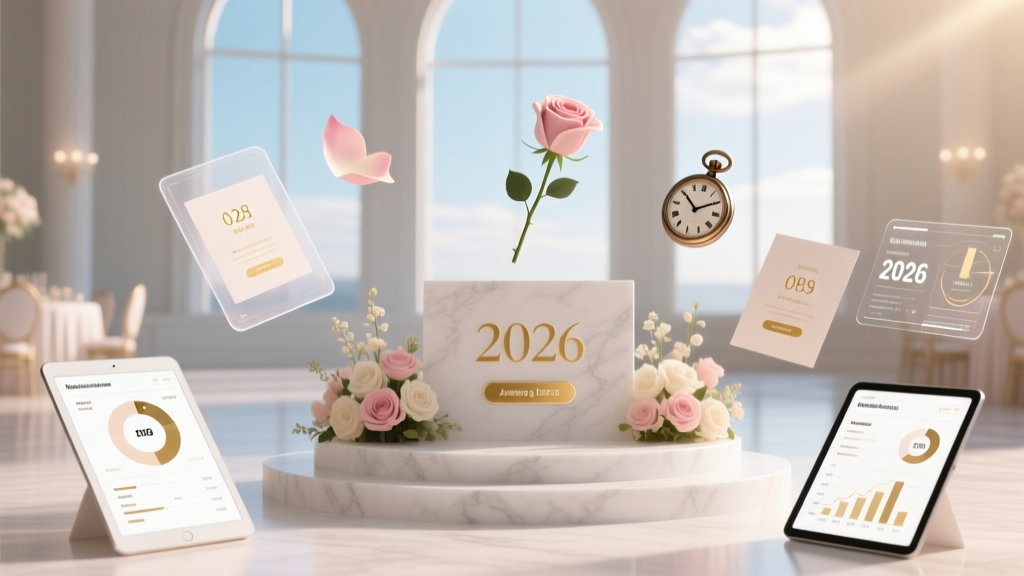
What Is the Average Cost of a Wedding in 2026
What Is the Average Cost of a Wedding in 2026?
You’re engaged, excited, and probably already seeing numbers everywhere—on venue websites, in TikTok “budget breakdowns,” and from well-meaning friends who swear they pulled off a wedding “for under $10k” (without mentioning the free venue and a cousin who’s a florist). Asking about the average cost of a wedding in 2026 isn’t about being nosy or comparing—it’s about sanity-checking your plans and avoiding sticker shock.
The truth is that “average” can be helpful for setting expectations, but your real goal is figuring out what a wedding like yours might cost based on guest count, location, and priorities. Here’s the clear answer, then we’ll break down why the numbers vary so much and how to plan confidently.
Quick Answer: What’s the Average Wedding Cost in 2026?
In 2026, the average cost of a wedding in the U.S. is typically around $35,000–$45,000 for a mid-size wedding (roughly 100–120 guests) with a traditional venue, catered meal, professional photography, and a standard vendor team.
That said, plenty of couples spend $15,000–$25,000 with smart trade-offs (smaller guest lists, off-peak dates, simplified décor), while others land at $60,000+ in major metro areas or with luxury choices.
As planner Marisol Grant of Grant & Gather Events puts it: “The ‘average wedding’ is really a mix of very different weddings. Your guest count and your city will move the number more than almost anything else.”
Why the Average Wedding Cost Changes So Much
1) Location and venue pricing
A wedding in rural Ohio and a wedding in downtown San Francisco are two different financial universes. In high-cost cities, venues and labor (planning, setup crews, bartenders) are simply more expensive. Venue pricing also varies based on what’s included:
- Blank-slate venues can look cheaper at first, then add rentals, staffing, and insurance.
- All-inclusive venues can feel pricey upfront, but may include tables, chairs, catering, bar packages, coordination, and even décor basics.
Real couple example: “We toured an industrial loft for $6,500 and thought we’d found our place,” says Tessa and Jordan (married in 2025, planning similar pricing into 2026). “But once we priced rentals, security, and shuttles, it was closer to $12,000 just to host people there. We switched to an all-inclusive venue and the final cost was actually easier to manage.”
2) Guest count (the sneakiest budget driver)
If you remember only one thing: every extra guest costs more than a chair. Guest count affects:
- Catering and bar (often per person)
- Rentals (tables, linens, place settings)
- Invitation suites and stationery
- Cake/dessert portions
- Venue size requirements
In many regions, a realistic per-guest cost for food + beverage + service can range from $120 to $250+ depending on formality and bar options. That’s why trimming 20 guests can free up thousands—without touching your dream photographer.
3) The “vendor team” you choose
Most couples in 2026 still hire a core team: venue, photographer, catering, DJ/band, florist, hair & makeup, and coordination. Your choices here define the experience. A highly sought-after photographer might cost more, but you’re paying for consistency, backup plans, and skill—not just a few hours with a camera.
Photographer Elena Cho explains it well: “Couples aren’t just booking coverage. They’re booking planning support, timeline help, editing, and the ability to handle weird lighting, rain, or a ceremony delay without losing the story.”
What a Typical 2026 Wedding Budget Looks Like (Example)
Here’s a realistic example for a 110-guest wedding in a mid-cost area, aiming for a classic, comfortable experience—not luxury, not ultra-minimal:
- Venue + catering + bar: $18,000–$26,000
- Photography + video (optional): $4,500–$9,000
- Planner/coordinator: $1,500–$6,000
- Florals + décor: $2,500–$7,500
- Music (DJ or band): $1,500–$8,000
- Attire + alterations: $2,000–$6,000
- Hair + makeup: $500–$1,800
- Stationery: $400–$1,500
- Cake/dessert: $400–$1,200
- Transportation, tips, fees: $800–$3,000
Totals often land in the $35,000–$45,000 range—especially once taxes, service charges, and gratuities are included.
2026 Wedding Trends That Affect the Price
- Smaller guest lists, higher quality: Many couples are choosing 60–90 guests and upgrading food, photography, and guest experience.
- Non-Saturday weddings: Fridays, Sundays, and weekday celebrations can unlock better venue rates and vendor availability.
- Statement florals (with smarter placement): Couples are concentrating flowers where photos happen—ceremony installs, head tables, and entry moments—rather than decorating every corner.
- Content creators: Some couples add a wedding content creator for behind-the-scenes social footage, typically a few hundred to a couple thousand dollars depending on hours.
- All-inclusive and “micro” packages: Venues are offering bundled options that make costs more predictable (even if not always cheaper).
Traditional vs. Modern Approaches: Different Ways to Spend
Scenario A: Traditional full wedding (100–150 guests)
Most “average cost” numbers assume this model: ceremony + reception, Saturday date, plated or buffet dinner, open bar, full vendor team. It’s beautiful, but it’s also the easiest format for costs to climb—especially with a large guest list.
Scenario B: Modern micro wedding + celebration later
A growing 2026 approach: host an intimate ceremony and dinner with 20–40 guests, then throw a casual party later (backyard, brewery, restaurant buyout). This can cut costs while keeping the emotional core intact.
Planner Devin Patel shares: “We’re seeing couples do a ‘small-first’ day that feels deeply personal, then a larger, more relaxed gathering after. It often reduces pressure and keeps spending aligned with what matters.”
Scenario C: Restaurant wedding (the budget-friendly sleeper hit)
Restaurants can be a fantastic value because they already have chairs, lighting, staff, and a built-in vibe. Many offer food and beverage minimums that are easier to understand than a venue plus separate catering.
Actionable Tips to Set Your Wedding Budget (Without Guessing)
- Start with your “non-negotiables” (pick 3): For example: photography, guest experience (food/bar), and a great band. Everything else supports those priorities.
- Estimate cost by guest count: Multiply your guest count by a realistic per-person range for your area (ask venues for sample menus). Then add fixed costs like photography, attire, and music.
- Ask vendors for full pricing sheets: Not just starting packages—get the real totals with travel, overtime, and common add-ons.
- Watch for service charges and taxes: Catering and venues often add 20%+ service fees plus state/local tax. Those line items can add thousands.
- Use off-peak leverage: Consider winter weddings, Sundays, or a Friday evening celebration. You may get better rates and more vendor options.
- Build a “surprise buffer”: Set aside 5–10% for extras—postage increases, rental upgrades, weather backup plans, or last-minute guest changes.
Modern Etiquette Questions Couples Ask About Wedding Costs
“Is it okay to ask family to contribute?”
Yes—if it’s done respectfully and without assumptions. A simple, honest conversation works best: what you’re planning, what it costs, and what help (if any) would feel comfortable for them. Also clarify whether contributions come with decision-making expectations.
“Do we have to provide an open bar?”
No. A hosted beer and wine bar, a signature cocktail, or a limited-time open bar are all common in 2026. Etiquette-wise, be clear about what’s hosted and avoid surprise costs for guests if you can.
“What if we’re planning a destination wedding?”
Destination weddings can be cheaper or more expensive depending on guest count, travel, and resort requirements. A smaller group can keep it manageable, but be mindful that guests are spending more to attend—many couples respond by hosting a welcome drink or covering small extras.
“Does the average wedding cost include the honeymoon?”
Usually, no. Most wedding cost estimates focus on the ceremony/reception events. If you’re budgeting as a couple, treat the honeymoon as a separate line item so it doesn’t sneak up on you.
So… What Should You Plan to Spend in 2026?
If you want a practical planning target: for a typical 2026 wedding with professional vendors, $35,000–$45,000 is a realistic “middle” range in many U.S. markets. If that number feels high, you’re not alone—and it doesn’t mean you’re doing anything wrong. It just means the wedding you’re picturing may need a smaller guest list, a different date, a different format, or a tighter priority list.
Reassuring Takeaway
The average cost of a wedding in 2026 is a helpful reference point—but it’s not a requirement and it’s not a scoreboard. You can host a meaningful, beautiful wedding at many budget levels. When you match your spending to your guest count and your top priorities, the whole process feels less stressful—and a lot more like the celebration you actually want.
More Articles
 Are Destination Weddings Rude? (2026 Survey Data)
 Men at Wedding Showers: 2026 Etiquette Rules
 Knives as Wedding Gifts: Lucky or Bad Luck? (2026)
 Do Men Wear Wedding Rings in 2026? Data & Trends
 Wedding Band Placement: Culture, History & 2026 Rules
 Men's Wedding Ring Hand: Right or Left? (2026)
 Engagement & Wedding Rings: What Couples Choose (2026)
 Super Bowl Wedding: Real or Ad? (2026)
 Muslim Wedding Congratulations: 7 Respectful Phrases (2026)
 Save the Dates: 12+ Non-Wedding Events That Need Them