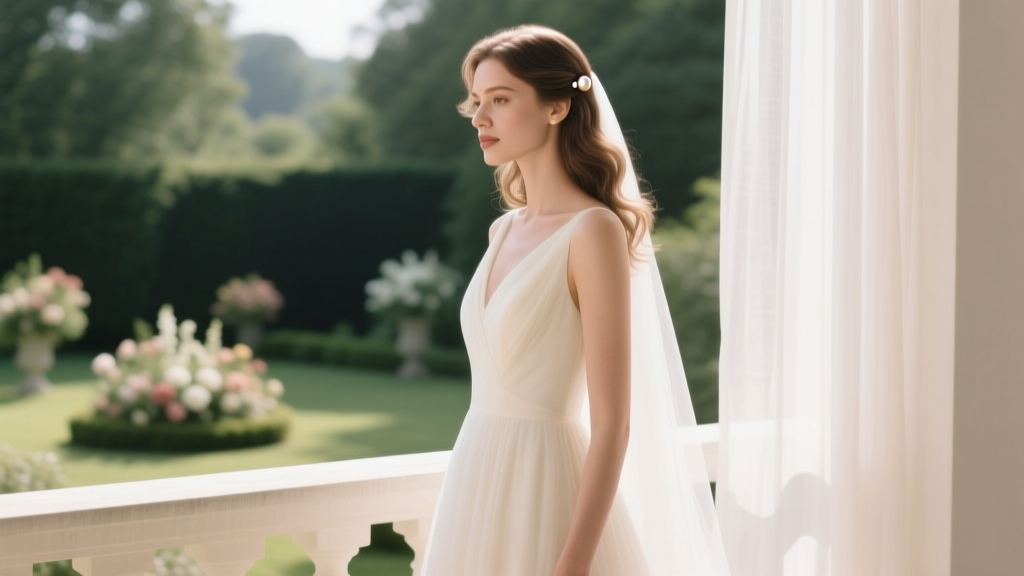
When Should You Book a Hair and Makeup Trial
When Should You Book a Hair and Makeup Trial?
You’ve booked the venue, you’ve picked a date, and suddenly the beauty timeline becomes its own mini wedding plan. A hair and makeup trial can feel like a “nice-to-have”… until you’re imagining your wedding photos and realizing you want to feel like yourself—just elevated, polished, and camera-ready.
The timing matters because your trial isn’t only about pretty hair and glowing skin. It’s a test run for your schedule, your comfort level with your artist, and how your look holds up in real life. Done at the right time, it removes a huge layer of stress.
Quick Answer: When should you schedule your hair and makeup trial?
Plan your hair and makeup trial about 6–10 weeks before the wedding. That’s usually the sweet spot: close enough that your hair length/color and skin routine won’t change dramatically, but early enough to adjust the look (or switch artists) if needed.
If you’re having a destination wedding, getting married in peak season, or you’re planning a major change (extensions, bangs, spray tan, new color), bump it earlier—8–12 weeks out is safer.
Q: Why not do the trial super early?
It’s tempting to check “hair and makeup trial” off your list the minute you book an artist. But if you do it too early, the details that affect your final look may still be in flux:
- Your hair may change (length, color, or texture—especially if you’re growing it out).
- Your skin may change (seasonal dryness, new skincare, acne treatment, or sun exposure).
- Your wedding aesthetic might evolve (dress alterations, accessory choices, veil vs. no veil, or a new vibe for the overall day).
“I see couples do trials six months out, then they switch to a different neckline or add a veil and the whole balance of the look changes,” says Marisol Grant, bridal makeup artist. “A trial should reflect the final styling decisions as much as possible.”
Q: Why not wait until the week before the wedding?
Leaving it too late can backfire. If you don’t love the look, you’ll have fewer options. Popular bridal beauty teams book tightly, especially during spring and fall wedding season, and last-minute changes can be stressful or expensive.
A trial also gives you time to:
- Fine-tune the inspiration photos you’re using
- Test how products wear (especially for long ceremonies or outdoor weddings)
- Adjust for allergies or sensitivity
- Practice putting in your veil, hairpiece, or headband
One bride, Keira, put it perfectly: “I thought I wanted a matte full-glam look. After four hours, my skin felt tight and I looked a little flat in photos. We tweaked to a more skin-like finish for the wedding, and it was exactly right.”
Traditional vs. modern timing: what’s “normal” now?
Traditional approach: Many couples schedule a trial after the dress arrives and major decisions are set—often around the final dress fitting window. The goal is to coordinate your beauty look with your neckline, veil, and accessories.
Modern approach: With current wedding trends leaning toward “effortless” beauty—soft glam, natural texture, and lived-in waves—some couples do a trial earlier to test “low makeup” that still photographs well. Others do two trials: a first to explore style, and a second closer to confirm details.
Another big trend affecting timing: destination weddings and multi-day events. If you’re doing a rehearsal dinner look, a welcome party look, and the wedding day look, you may want the trial earlier so you can plan variations (hair up one night, hair down the next) with confidence.
Q: What if I’m not sure what I want yet?
You don’t need a perfect vision to book your trial, but you do want a general direction. A helpful way to get there is to gather:
- 3–5 hair inspiration photos (with similar hair color/texture to yours if possible)
- 3–5 makeup inspiration photos (include at least one with a similar skin tone)
- Notes on what you like (“soft eyes, defined brows, no heavy lashes”)
- Your dress photo and any accessories you’ve chosen
“A trial isn’t a test you have to pass,” says Devin Cho, bridal hair stylist. “It’s a collaboration. The best trials happen when the client brings references, but stays open to what works with their features and hair density.”
Best timing scenarios (real-world planning examples)
If you’re getting married in peak season (spring/fall): Book your artist early, then schedule the trial 8–10 weeks out. Beauty calendars fill fast, and you’ll want a trial date that fits your work schedule.
If you’re doing engagement photos: Consider scheduling your trial the same day as your engagement shoot—as long as it’s not too far from the wedding. It’s a practical way to test how the look photographs and get extra value out of the appointment.
If you’re having a destination wedding: If you’re bringing your artist, do your trial before travel—8–12 weeks out. If you’re hiring locally at the destination, schedule a trial for 1–3 days before the wedding and build in a buffer day in case you need adjustments (this is one situation where a closer trial can make sense).
If you’re making big changes: Planning extensions, a major color shift, or a big chop? Do a consult earlier, then a trial after the change is complete—typically 6–8 weeks out.
Actionable tips to get the most out of your hair and makeup trial
- Wear a white or light-colored top (or something close to your dress neckline) so you can picture the full effect.
- Bring your veil, hairpieces, and earrings. Accessories can change the whole balance.
- Speak up about comfort: “I feel too made up” is useful feedback, not a complaint.
- Ask about longevity: What’s the plan for humidity, sweat, tears, and flash photography?
- Take photos in multiple lighting situations: near a window, in indoor light, and with flash. A look can read differently on camera.
- Do a “wear test”: If possible, keep it on for at least 6–8 hours and note what fades or creases.
- Confirm day-of timing: Your trial is also a schedule rehearsal—how long did it really take?
Q: Should the trial be before or after my dress fitting?
Ideally, schedule your trial after your dress style is finalized (you know the neckline and whether you’re wearing a veil), but before the final fitting crunch. For many couples, that lands around 6–10 weeks before the wedding.
If your final fitting is very close to the wedding, don’t wait. Bring a dress photo and any accessories you already have—your artist can still create a look that matches.
Related questions couples ask (and the honest answers)
Do I have to do a trial?
Not strictly, but it’s strongly recommended for weddings. If you’re eloping, doing your own makeup, or you’ve worked with the artist many times before, you might skip it—but you’re accepting more risk.
Should my wedding party do trials too?
Usually no. Bridesmaids and family members can do trials if they’re very particular, have textured hair needs, or want to test sensitivity. Otherwise, it’s optional.
What if I hate my trial?
First, don’t panic. Most “bad trials” are just miscommunication. Be specific: “Less bronzer,” “softer brow,” “more volume at the crown,” “looser curl.” If you still don’t feel confident after a second attempt, it’s okay to change artists—another reason not to leave the trial until the last minute.
Should I do a spray tan, facial, or brow shaping before the trial?
Try to have your skin and brows in a similar state to your wedding day. If you plan a spray tan, do one before the trial so foundation matching isn’t a surprise. Avoid doing anything brand-new right before the appointment (like a first-time peel) that could irritate your skin.
What about hair extensions?
If you’re wearing extensions, have them installed (or bring them) for the trial. Extension placement affects updos and half-up styles, and your stylist needs to work with the real volume.
Conclusion: Your calm, confident beauty timeline
Most couples feel best scheduling their hair and makeup trial 6–10 weeks before the wedding, with extra cushion for peak season and destination plans. It gives you time to refine the look, confirm the schedule, and walk into your wedding day knowing exactly how you’ll feel when you look in the mirror: like yourself, just beautifully wedding-ready.
More Articles
 Best Planning for Design: A Strategic Framework Used by Apple, IKEA, and IDEO
 Millie Bobby Brown’s Wedding: Stranger Things Cast Invited?
 A Very Sordid Wedding Full Cast (2026) Verified
 Engagement Ring & Wedding Band Together: Truth 2026
 Did MTV Pay for Deena’s Wedding? (2026)
 How to Handle a Wedding Party Member Who Gets Sick
 Wedding License vs Ceremony: What You Must Know
 Wedding Band Meaning: Hidden History & Cultural Messages
 How to Wed a Couple: Officiant Guide (2026)
 My Big Fat Greek Wedding on Netflix (2026)