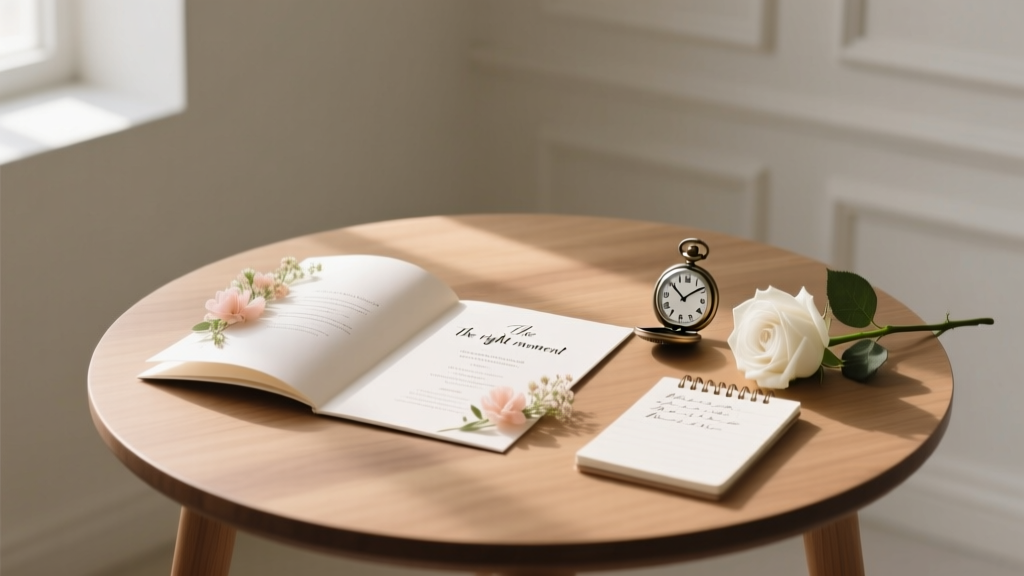
When Should You Order Your Wedding Program
When Should You Order Your Wedding Program?
Wedding programs can feel like one of those “nice-to-have” details—until you’re a week out and realize you still need to confirm the ceremony order, list your wedding party, and figure out whether you’re doing a memorial note, readings, or a unity ritual. Then the program suddenly becomes a tiny but very real deadline.
If you’re wondering when to order your wedding program, you’re asking the right question. Timing affects your budget, your stress level, and whether you’ll be able to include the last-minute pieces that make a program actually useful to guests.
Quick Answer: Order 3–4 Weeks Before the Wedding (Design Earlier)
Most couples should order wedding programs about 3–4 weeks before the wedding. Aim to have the final text approved and the design ready 4–6 weeks out, then place your printing order once your ceremony details are confirmed.
If you’re doing custom programs, letterpress, foil, specialty paper, a unique fold, or shipping to multiple addresses, build in more time—6–8 weeks is safer. If you’re doing a simple digital template with local printing, you can often order as late as 10–14 days before, but that’s the “I’m comfortable with some risk” window.
Why the Timing Matters (And What Usually Changes Late)
Programs are tricky because they sit at the intersection of “paper goods” and “final ceremony logistics.” Unlike save-the-dates or invitations, your ceremony script can shift late—especially if you’re coordinating multiple people (officiant, musicians, readers, wedding party).
Here’s what commonly changes in the final month:
- Processional order (someone’s walking with someone else, or a parent prefers to be seated first)
- Readings and readers (a friend gets nervous, a relative can’t attend, or you add a second reading)
- Music choices (a musician suggests a better recessional, or a DJ needs updated titles)
- Name details (middle initials, honorifics, “Dr.” vs. not, last name changes)
- Special notes like a memorial tribute, land acknowledgment, or “unplugged ceremony” request
As wedding planner Marisa Kline (fictional), owner of Kline Events Co., puts it: “Programs are usually the last printed item I tell couples to lock, because ceremony timing and people roles shift right up until the rehearsal. You want enough time to print beautifully—but not so early that the programs are outdated.”
A Practical Timeline You Can Actually Follow
6–8 Weeks Before: Start Drafting the Content
This is the sweet spot to gather what you’ll include. You don’t need every detail finalized, but you want a draft that’s 80% there. If you’re using a wedding program template, pick it now so you’re not making design decisions during the busy final weeks.
Pro tip: Open a shared doc and list every ceremony element you know you want: welcome, processional, readings, vows, ring exchange, unity ritual, pronouncement, recessional. Add names as you confirm them.
4–6 Weeks Before: Confirm Ceremony Structure and Proofread
This is when most couples can finalize. Touch base with your officiant and any musicians. If you’re including a thank-you message to guests, your wedding website URL, or a note about the reception, confirm those details too.
Couple experience: “We ordered ours at five weeks, then realized we’d spelled my aunt’s last name wrong,” says Janelle (fictional), married in 2025. “Luckily our printer caught it during proofing. If we had waited until the last minute, we would’ve missed that safety net.”
3–4 Weeks Before: Place the Order
For most standard printing, this is ideal. It gives you time for production, shipping, a reprint if something goes wrong, and a calm handoff to whoever is setting them out (planner, coordinator, venue team, or a trusted friend).
1–2 Weeks Before: Count, Receive, and Pack
When your programs arrive, do a quick count. Then store them somewhere clean and dry. Assign someone to place them at the ceremony entrance (or on chairs, if you’re doing that) so you’re not thinking about paper on your wedding morning.
Traditional vs. Modern Approaches (Both Are “Right”)
Traditional: Printed Programs for Every Guest (or Couple)
Traditional etiquette leans toward providing programs, especially for religious ceremonies, longer services, or any ceremony with culturally specific rituals guests may not recognize. If you have a wedding mass, a tea ceremony, a ketubah signing, or multiple readings, programs are genuinely helpful.
Ordering advice: Choose classic formatting and order earlier if you’re doing formal printing methods like letterpress or custom illustration.
Modern: Fewer Programs, One Sign, or Digital Programs
Current wedding trends lean minimalist: fewer paper goods, more intentional spending, and eco-friendly choices. Many couples now do:
- One program per couple rather than per person
- A ceremony sign with the order of events
- QR code programs that link to a digital program or wedding website
Stationer Devon Ruiz (fictional) shares: “I’m seeing lots of ‘program + fan’ combos for outdoor weddings and QR code programs for city weddings. Couples still want the info—just not always in a big folded booklet.”
Ordering advice: If you’re doing a QR code program, you can print fewer items (like a sign or a small card) and finalize later, as long as the QR link is tested and the webpage is live.
Real-World Scenarios: When to Order Based on Your Wedding Type
If You’re Having a Religious or Cultural Ceremony
Order closer to 4–6 weeks out. These ceremonies often have specific wording, translations, or ritual explanations. Ask your officiant or religious leader to review the text before you print.
If You’re Having a Destination Wedding
Order 6–8 weeks out, especially if you’re shipping internationally or need everything delivered to a hotel. Consider shipping to your home first so you can check quality and quantities.
If You’re DIY Printing Locally
You can order 2–3 weeks out—sometimes later—if your ceremony is simple and you have a reliable local printer. Just don’t underestimate how long proofing and reprints can take.
If Your Guest Count Is Still Changing
Good news: programs don’t need to match your final RSVP number perfectly. Most couples order 10–15% extra for keepsakes, photography flat-lays, and unexpected guests.
Actionable Tips to Make Ordering Easy (and Avoid Regrets)
- Finalize names early. Lock wedding party names, officiant name spelling, and reader names before you lock the design.
- Use a “print deadline.” Put a date on your calendar: “Programs finalized.” Treat it like a vendor deadline.
- Print one per couple (or per family). This is common, saves money, and reduces leftover paper. If your guest list skews older, print a few extras.
- Keep the wording flexible. Instead of listing every song title, you can write “Processional music” if you’re still deciding.
- Ask for a proof review. Have one detail-oriented friend read it with fresh eyes. Typos love wedding programs.
- Plan distribution. Decide: baskets at the entrance, handed out by ushers, or placed on chairs. The plan affects how many you need and how you’ll transport them.
Related Questions Couples Ask (And Straight Answers)
Do I really need a wedding program?
No. But it’s helpful if your ceremony is longer than 15–20 minutes, includes readings/rituals, or you have many guests who don’t know what to expect. For short, simple ceremonies, a welcome sign and an “unplugged” note may be enough.
What if someone drops out of the wedding party after we print?
It happens. The kindest approach is to keep the program as printed and adjust verbally (or simply proceed). If the person is a major role (like a reader) and it feels sensitive, you can reprint a small insert card with updated info rather than reprint everything.
Should we include a memorial note or “in loving memory” section?
If it feels meaningful, yes. Keep it short and respectful. If family dynamics are complicated, ask a trusted parent or your planner to weigh in before you print.
How many programs should we order?
A common rule: one per couple or one per household, plus 10–15% extra. If many guests are coming solo, increase accordingly.
What about last-minute ceremony changes?
If you think changes are likely, keep the program more general (headings rather than exact timing) or use a QR code program you can update the day before.
Conclusion: A Calm, Confident Program Timeline
If you want the simplest, least stressful plan: draft your program 6–8 weeks out, finalize by 4–6 weeks, and order 3–4 weeks before the wedding. That timing gives you room for real life—small changes, proofreading, shipping delays—without forcing you to print so early that the details go stale.
Your program doesn’t have to be perfect to be meaningful. It just needs to guide guests, reflect your ceremony, and let you walk into the day feeling prepared.
More Articles
 American Wedding Filming Location: Michigan Venue (2026)
 Does Wedding Insurance Cover Pregnancy? (2026)
 Ghislaine Maxwell Chelsea Wedding Guest List (2026)
 What Does “Wed” Mean? Ancient Origins & Legal Meaning
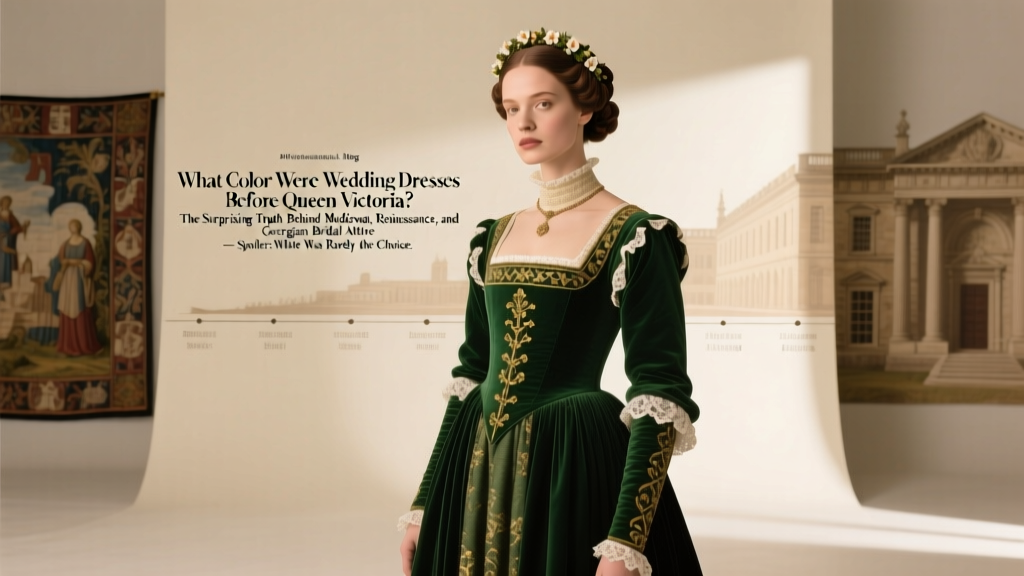 Pre-Victorian Wedding Dress Colors Revealed
 A Wedding on Walton’s Mountain: Truth & Where to Watch
 10-Year Wedding Anniversary: Tin, Aluminum & Modern Ideas
 Monica Beets’ Wedding Dress Cost: Real Price Breakdown
 Did Alexis Bellino Cancel Wedding? (2026)
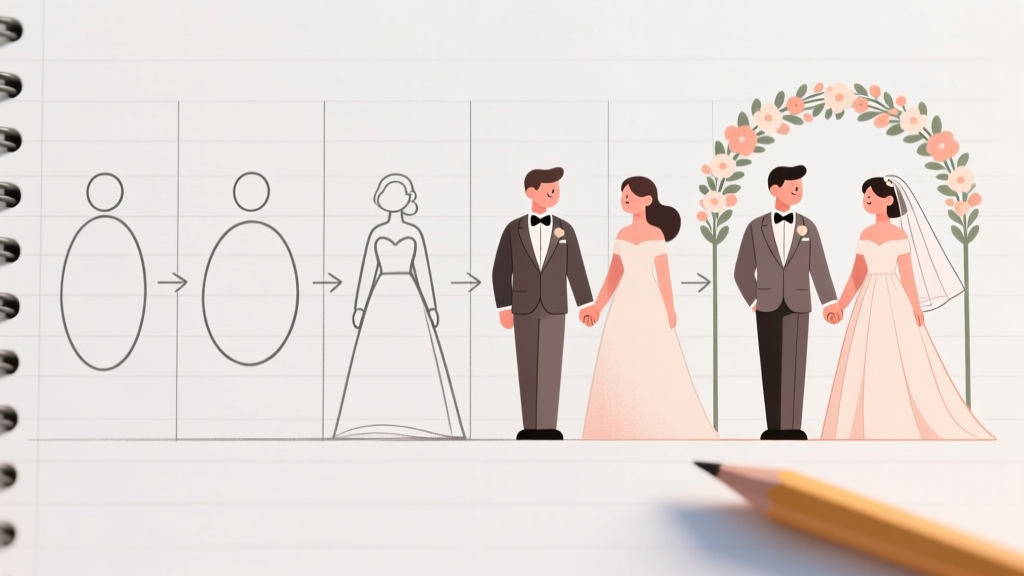 Draw Wedding Couple: 7-Step Visual Guide (2026)