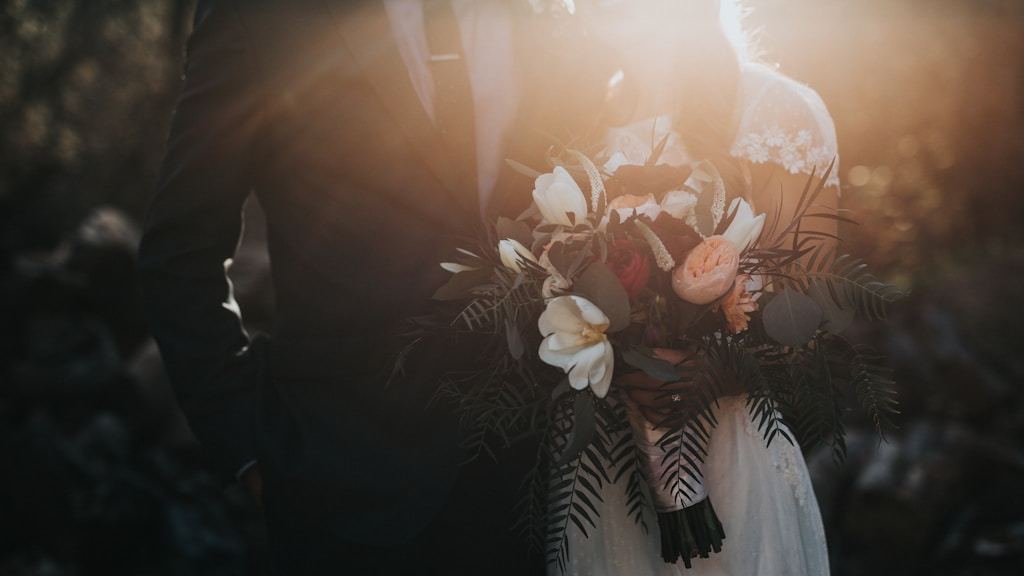
Who Should Be Asked to Be in Your Wedding Party
Who Should Be Asked to Be in Your Wedding Party?
You’re engaged, you’re excited, and then it hits: you have to pick your wedding party. For a lot of couples, this is the first planning decision that feels emotionally loaded—because it’s not just logistics. It’s friendship history, family dynamics, future in-laws, and that one cousin who will definitely notice if they’re not included.
Choosing who stands with you on your wedding day matters because it sets the tone for the whole planning process. Get it right, and your wedding party becomes a true support system. Get it messy, and you can end up managing hurt feelings for months.
Quick Answer: Who should you ask?
Ask the people who consistently show up for you, support your relationship, and will help you feel calm and celebrated—not stressed—during the wedding season. Your wedding party should be your “inner circle,” not your full social network. That can include siblings, close friends, cousins, or any chosen family, and it does not have to follow traditional roles or gender lines.
Q: What’s the best way to decide who belongs in the wedding party?
A: Start with your most reliable relationships, then work outward based on your wedding size, budget, and what you actually want your wedding party to do.
Most couples do better when they choose wedding party members based on support and fit, not obligation. Consider:
- Consistency: Have they been there for your big moments (and the hard ones)?
- Low-drama energy: Will they help solve problems or create them?
- Respect for your partner: Do they celebrate your relationship?
- Practical ability: Can they attend key events (or communicate clearly if they can’t)?
- Your wedding vision: Do you want a big wedding party, a small one, or none at all?
“Your wedding party is more like a support team than a popularity list,” says Marina Ellis, a fictional wedding planner with 12 years of experience. “The best choices are the people who will protect your peace and keep the day moving.”
Q: Do we have to include siblings and future in-laws?
A: No—but you can, and there are thoughtful ways to honor them even if they’re not in the wedding party.
Traditional etiquette often assumed siblings would be included automatically, and some families still feel that way. Modern weddings are more flexible, but expectations can be real—especially with close-knit families.
If you’re close with your siblings: Including them can be meaningful and practical. They may already be helping you, and they’re often around on the wedding day anyway.
If you’re not close: You’re not required to ask them out of obligation. It’s okay to keep your wedding party focused on the relationships that feel supportive and healthy.
Future in-laws: You’re also not required to include your partner’s siblings or relatives. If you do want to include them, great. If not, consider a role that still feels special, like:
- Doing a reading during the ceremony
- Getting ready together for part of the morning
- Being an usher or ceremony greeter
- Giving a toast at the rehearsal dinner or reception
Real-couple style example: “I didn’t include my fiancé’s sister as a bridesmaid because we’re still getting to know each other,” says Danielle, married in 2024. “We asked her to do a reading, and she loved having a clear, meaningful job without the extra expenses.”
Q: What’s “normal” right now—big wedding parties or small ones?
A: Smaller wedding parties are trending, but there’s no single “normal.”
Current wedding trends lean toward more intimate wedding parties—partly due to budget, partly due to couples wanting less coordination stress. It’s also increasingly common to choose a mixed-gender wedding party (a “bridesman,” “groomswoman,” or simply “wedding attendants”), or to skip the traditional lineup entirely.
Other common modern approaches:
- One person each: A maid/matron of honor and best person only
- No wedding party: Close friends still get ready with you, but no formal titles
- Uneven sides: You don’t need matching numbers
- Junior attendants: Including younger siblings/cousins in a low-pressure way
“Couples are prioritizing experience over tradition,” says fictional wedding photographer Jonah Kim. “A smaller wedding party often means more time for real moments and fewer scheduling headaches.”
Q: Traditional vs. modern—how do we handle expectations?
A: Decide what matters to you as a couple, then communicate with warmth and clarity.
Traditional scenario: You choose siblings first, then best friends, aiming for equal numbers. This can work beautifully if family relationships are strong and expectations are clear.
Modern scenario: You choose the people who best support you, regardless of gender or family role, and you don’t worry about symmetry. This works well when you want your wedding party to reflect your real life, not a template.
If you’re dealing with strong opinions (a parent who “expects” certain people to be included), anchor the conversation in your priorities:
- “We’re keeping the wedding party small so it’s manageable.”
- “We chose the people who’ve been most involved in our day-to-day lives.”
- “We’re giving others special roles so everyone feels included.”
Q: What if we have too many close friends and feel guilty leaving people out?
A: Create a clear, fair-feeling framework—and remember that not everyone actually wants the job.
This is one of the biggest wedding planning questions couples ask, and it’s where budgets and expectations collide. Being in a wedding party can come with costs (attire, travel, showers, bachelor/bachelorette events), time commitments, and emotional energy.
Try these real-world strategies:
- Set a number based on logistics: For example, “We’re each choosing 3 attendants because of budget and space.”
- Pick by seasons of life: Who is truly present in your current life, not just historically close?
- Create an “honor circle”: Invite friends to get ready with you, attend a brunch, or take photos—without making them bridesmaids or groomsmen.
- Use meaningful non-wedding-party roles: Readings, ushers, ceremony witnesses, or hosting the guest book.
Fictional couple experience: “We had eight people each we could’ve asked,” says Priya. “We chose four and explained we were keeping it small. Then we invited everyone to a welcome dinner and did a big group photo. No one made it weird.”
Q: What should we consider before asking someone?
A: Consider availability, finances, and the kind of support you need.
Before you do the fun “Will you be my bridesmaid?” moment, take a beat and think practically:
- Can they realistically participate? Long-distance friends may want to say yes but struggle with travel.
- Are costs reasonable? If your wedding requires expensive attire or multiple trips, be sensitive. (And consider covering something if you can.)
- Are they in a tough season? New baby, health issues, demanding job—ask with empathy and give them an easy out.
Helpful phrasing: “I would love to have you as part of the wedding party, but I also want you to feel comfortable saying no if timing or budget is stressful.”
Related Questions Couples Ask (and honest answers)
Q: Can we have a mixed-gender wedding party?
A: Absolutely. It’s common to have bridesmen, groomswomen, or simply wedding attendants. Choose people based on closeness, not gender norms.
Q: Do both partners need the same number of attendants?
A: No. Uneven wedding parties are normal. You can stagger the processional, have people walk solo, or have two attendants escort one person.
Q: What if someone assumes they’ll be a bridesmaid/groomsman?
A: Be kind and direct as early as possible. A simple, private conversation works best: “I love you, and I’m so grateful for you. We’re keeping the wedding party very small, but I really want you involved in other ways.”
Q: What if we don’t want a wedding party at all?
A: That’s completely acceptable. Many couples skip wedding parties to reduce expenses and pressure. You can still have a close friend as a ceremony witness, ask friends to do readings, or plan a pre-wedding gathering.
Q: What about coworkers, new friends, or plus-ones?
A: If the relationship is new, it’s okay to wait. Weddings often magnify short-term connections. And wedding party roles usually go to the people closest to you—not their partners—unless you’re genuinely close to both.
Conclusion: A wedding party should feel like support, not stress
The best guideline is simple: choose the people who make you feel steadier, happier, and more yourself. Whether you go traditional or modern, big or small, matching sides or uneven, you’re allowed to design a wedding party that fits your real life. If you choose with care and communicate with kindness, most people will understand—and the ones who stand with you will be the ones who truly should.
More Articles
 Can I Rent My Property for Weddings and Actually Profit
 Congratulations for Weddings: When to Say It (2026)
 What Is the Proper Tip Amount for Wedding Vendors
 Why Break Glass at a Jewish Wedding? Meaning & Tips
 Suits Cast at Meghan Markle’s Wedding: Truth vs. Rumors
 Smriti Mandhana Wedding Cancelled: The Truth (2026)
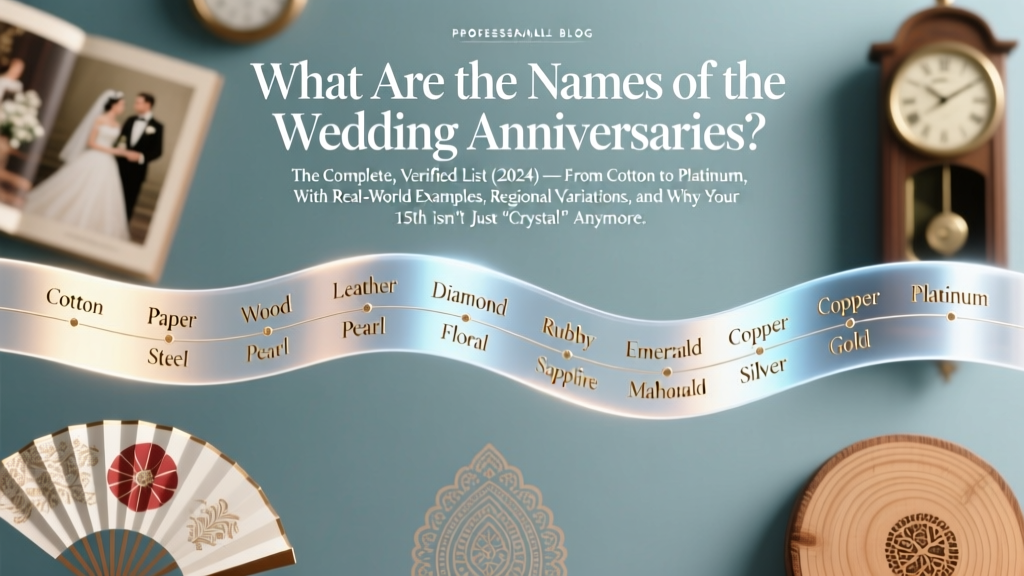 Wedding Anniversary Names: Official List (2026)
 Red at Indian Wedding: Yes—But Avoid These 5 Mistakes
 How Much Do Wedding Bands Make in 2026
 Sell Wedding Ring: 7 Options Ranked (2026)