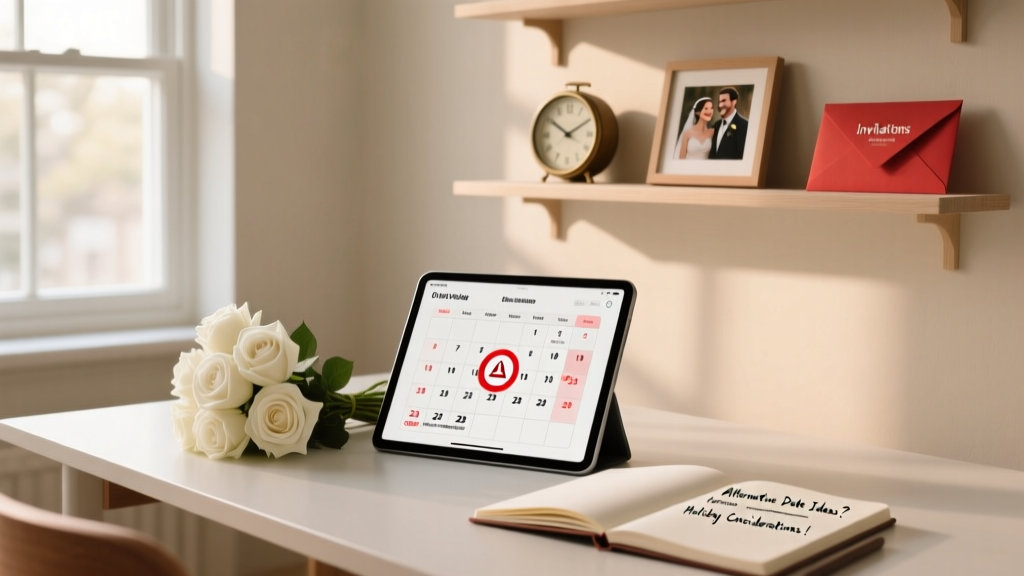
What to Do If Your Wedding Date Conflicts With a Holiday
What to Do If Your Wedding Date Conflicts With a Holiday
You finally found a venue you love, the photographer is available, and the date feels perfect—until you realize it lands on (or right next to) a holiday. Suddenly, you’re wondering: Will guests travel? Will hotels be outrageous? Is it “rude” to ask people to spend a holiday at your wedding?
This question matters because holidays affect everything: guest attendance, travel costs, family expectations, vendor pricing, and even the overall vibe of your wedding weekend. The good news is that a holiday conflict doesn’t automatically mean you need to start over—you just need a plan.
Quick answer: Should you change your wedding date if it conflicts with a holiday?
Not necessarily. If the holiday works for your guest list, your budget, and the kind of celebration you want, you can absolutely keep the date. The smartest approach is to weigh the specific holiday, your VIP guests’ availability, travel logistics, and your priorities (budget vs. attendance vs. meaning). If the holiday will significantly reduce attendance or create stress—especially for immediate family—changing the date may be the kinder and easier option.
Q: How do I decide whether to keep the holiday weekend date?
Start by answering four practical questions:
- Which holiday is it? Some holidays are flexible and even fun for weddings (Labor Day, Memorial Day). Others are emotionally loaded or family-centric (Thanksgiving, Christmas, Easter, Yom Kippur).
- Who would be impacted most? Focus on VIPs first: immediate family, wedding party, and anyone you can’t imagine getting married without.
- Will travel be harder or more expensive? Holiday flights, gas prices, childcare, and hotel minimums can be a deal-breaker for many guests.
- Does the holiday add meaning—or pressure? A New Year’s Eve wedding can feel festive and special. A Mother’s Day wedding may feel complicated for guests navigating grief or obligations.
Wedding planner Marisol Chen of Birch & Bloom Events puts it plainly: Holiday weddings can be magical, but they magnify logistics. If your ‘must-have’ people will struggle to attend, that matters more than the date looking pretty on paper.
Q: Are holiday weddings considered bad etiquette?
Modern wedding etiquette is more flexible than it used to be. It’s no longer automatically “tacky” to host a holiday weekend wedding—especially as couples prioritize experiences, weekend-long celebrations, and travel-friendly schedules.
That said, there’s a difference between a long weekend holiday and a major family/religious holiday:
- Often works well: Memorial Day weekend, Labor Day weekend, Martin Luther King Jr. Day weekend (for smaller weddings), New Year’s Eve (if your crowd loves a party).
- Trickier: Thanksgiving, Christmas Eve/Day, New Year’s Day (travel hangover), Easter weekend, Fourth of July (competing plans), Mother’s Day/Father’s Day (emotional and family obligations).
- Use extra care with: Religious holidays and cultural observances, especially if your guest list includes multiple faiths. Even if you don’t observe it, your guests may.
Etiquette today is less about “never do this” and more about being considerate and communicating early. If you keep the holiday date, you’ll want to give guests time to plan and offer helpful guidance on travel and lodging.
Q: What are the real pros and cons of a holiday weekend wedding?
Pros
- More built-in time off: Guests may not need to take as much PTO, which can boost attendance for destination weddings.
- It can feel like a full wedding weekend: Holiday weekends naturally lend themselves to welcome parties, brunches, and relaxed schedules.
- Fun themes and atmosphere: Think New Year’s Eve sparkle, cozy winter holiday vibes, or summer cookout energy near July 4th.
Cons
- Higher travel and hotel costs: Flights can spike, hotels may require multi-night minimums, and popular destinations sell out fast.
- Lower attendance or divided priorities: Guests may have standing traditions, family gatherings, or kid schedules that win out.
- Vendor pricing and availability: Depending on your region, holiday weekends can be premium-priced or booked far in advance.
One couple, “Nina and James,” shared a common experience from their Labor Day weekend wedding: We loved the extra day for a goodbye brunch, but our hotel block filled instantly and some friends said the flights were brutal if they didn’t book early. The key was sending save-the-dates way sooner than we originally planned.
Q: What does a “traditional” approach vs. a “modern” approach look like?
Traditional perspective
Traditionally, couples avoided major holidays out of respect for family time, religious observances, and the idea that a wedding shouldn’t compete with long-standing traditions. In more traditional circles, a Thanksgiving weekend wedding might be seen as asking too much, especially from out-of-town relatives.
Modern perspective
Modern couples often view holidays as an opportunity. With the rise of destination weddings, micro weddings, and multi-day celebrations, a holiday weekend can actually make attendance easier for guests who need extra travel time. The modern “rule” is communication and flexibility: provide options, not pressure.
As venue manager Caleb Ruiz (who oversees a popular vineyard property) explains: We’re seeing more couples intentionally choose holiday weekends because guests can make a mini-vacation out of it. The couples who succeed are the ones who plan early and don’t guilt anyone who can’t make it.
Q: If we keep the holiday date, what should we do to make it easier for guests?
- Send save-the-dates early. For holiday weekend weddings, 10–12 months ahead is ideal; 12+ months is even better for destination weddings.
- Address the holiday head-on on your wedding website. Add a FAQ like “Yes, it’s Memorial Day weekend—here’s how to book travel early and get the best rates.”
- Reserve hotel blocks sooner and consider multiple price points. Include one convenient hotel and one budget-friendly option.
- Offer a thoughtful timeline. If it’s a holiday weekend, avoid scheduling a very early ceremony time that forces guests into expensive flight patterns.
- Consider a smaller wedding party. Standing up in a wedding can be harder on a holiday weekend—more travel days, more costs.
- Be mindful with dress code and expectations. If guests are traveling during peak times, comfort matters. Black-tie on a holiday weekend can be a lot unless your crowd expects it.
- Build in optional events, not mandatory ones. A casual welcome drink is great; three scheduled events may feel like a full takeover of the holiday.
Q: When is it wiser to change the date?
Changing your wedding date is worth considering if:
- Your immediate family strongly objects due to tradition, religion, or standing commitments.
- A large portion of guests must travel and the holiday dramatically increases cost or reduces flight availability.
- The holiday carries emotional weight (for example, a family anniversary connected to grief, or a culturally significant observance).
- You’re already feeling stressed about attendance. If you’ll spend the whole engagement worried about who can come, that stress often isn’t worth it.
If you’re on the fence, a low-pressure way to decide is to ask 8–12 VIP households (not your whole guest list) what the holiday weekend would realistically mean for them. You’re not asking permission—you’re gathering data.
Q: What about tricky edge cases couples worry about?
“Our date is the day before/after a holiday—does that still count?”
Yes, because guests may travel earlier, extend their trip, or face higher prices. Treat it like a holiday weekend for planning purposes: earlier communication, hotel blocks, and travel tips.
“What if it’s a religious holiday that we don’t observe?”
Check your guest list carefully. If key guests observe it, avoid the conflict if possible. If changing dates isn’t feasible, consider adjustments (earlier ceremony, different day of the weekend, or a schedule that doesn’t interfere with worship or fasting). When in doubt, ask a trusted family member who understands the tradition.
“Will we look like we’re ‘stealing’ the holiday?”
You won’t if you handle it with warmth and flexibility. Acknowledge it, don’t demand it, and avoid language that implies the holiday now belongs to your wedding. A simple line like, “We know this is a holiday weekend, and we appreciate you celebrating with us if you’re able,” goes a long way.
“What about vendors and pricing on a holiday?”
Some vendors charge holiday rates or require overtime due to staffing. Ask upfront about holiday weekend pricing, travel fees, and minimums. If your date is on the holiday itself (not just the weekend), expect more limitations.
Conclusion
A wedding date that conflicts with a holiday isn’t automatically a problem—it’s a planning choice with real tradeoffs. If the date is meaningful, the logistics are manageable, and your VIP guests can realistically attend, a holiday weekend wedding can be joyful, convenient, and memorable. If it creates strain, higher costs, or family tension you don’t want attached to your celebration, giving yourself permission to pick a different date can feel like a huge relief.
Either way, the winning move is the same: be considerate, communicate early, and design the weekend so guests feel invited—never obligated.
More Articles
 Wedding Veil Symbolism: What Historians & Brides Say
 Serena’s Wedding Church: Real Venue & Access Tips (2026)
 Does A Woman S Wedding Band Go On Top Or Bottom (2026)
 Wedding Ring Hand: Global Rules by Country & Religion
 How to Handle a Wedding Guest Who Overshares on Social Media
 Red Wedding Episode: Exact Timing & Narrative Impact
 Danish Wedding Cookies: Discontinued? (2026) | Buy & DIY
 Wedding Planner Pay Per Wedding: Real 2026 Rates
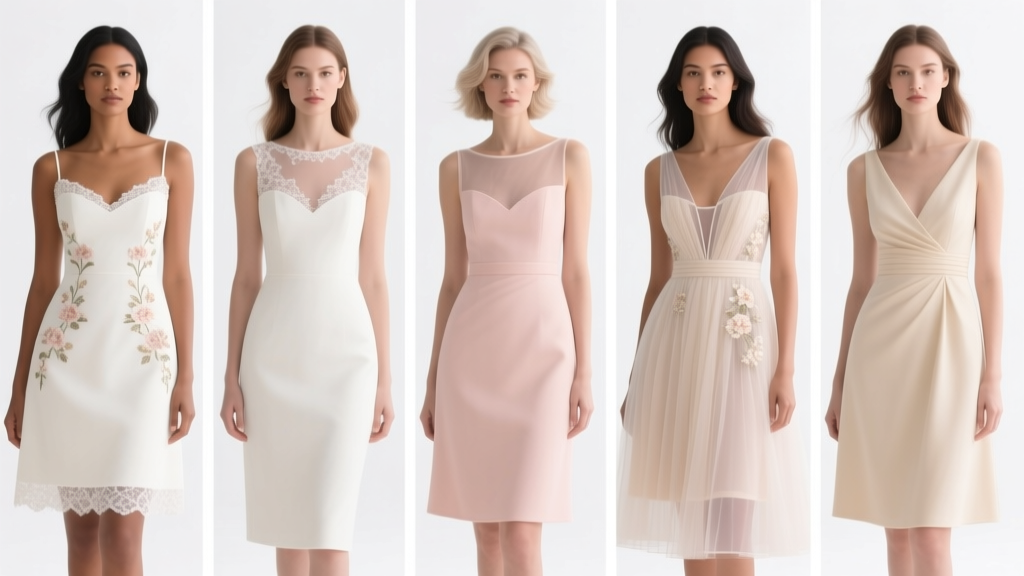 A-Line Short Wedding Dresses for 2026
 When to Confirm Your Wedding Photography Shot List