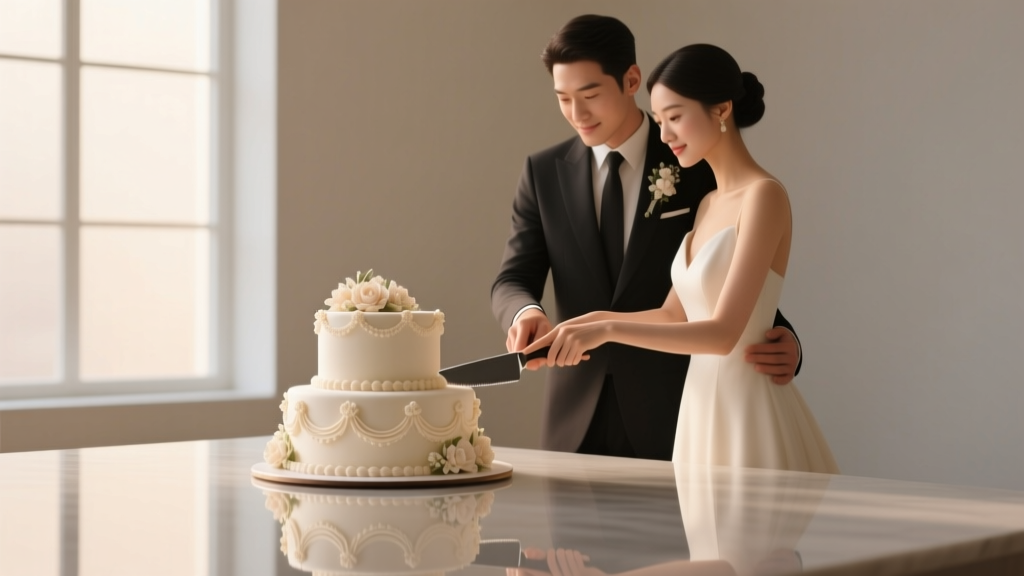
Why Do Couples Cut the Cake Together at Weddings
Why Do Couples Cut the Cake Together at Weddings?
If you’re planning a wedding and staring at a checklist full of “must-do” moments, the cake cutting can feel oddly loaded. It’s just dessert… right? Yet couples often ask: “Do we really have to cut the cake together?” “What does it mean?” “What if we don’t even like cake?”
This question matters because the cake cutting is one of the most photographed reception traditions. It’s also a built-in way to gather guests’ attention, create a shared memory, and signal that dinner and dancing are moving into celebration mode.
Quick answer: why couples cut the cake together
Couples cut the wedding cake together because it’s a symbolic first task as a married team, a public “we did it” moment, and a practical cue for the reception timeline (dessert service, speeches, dancing). Historically it also tied into wishes for prosperity and fertility, but today most couples do it because it’s sweet, familiar, and guests expect it—unless you intentionally choose a modern alternative.
Q: What does cutting the cake together symbolize?
Traditionally, the cake cutting represents the couple’s first joint action and shared responsibility. The idea is simple: you’re starting married life by doing something side by side, with everyone cheering you on.
Wedding planner Camille Hart (of the fictional-but-realistic Hart & Harbor Events) puts it like this: The cake cutting is a tiny ceremony inside the reception. It’s one of the few moments where everyone looks at the couple at the same time, and it reinforces that you’re a unit now—hosting together.
There’s also a long-standing association between cake and good fortune. In earlier eras, sweet baked goods were linked to abundance—so the wedding cake became a visual wish for prosperity. Even if you’re not sentimental about symbolism, guests often read the moment as a warm “we’re in this together” gesture.
Q: Is the cake cutting still required by modern wedding etiquette?
No. Modern wedding etiquette is flexible: you can cut the cake, skip it, replace it, or do it privately. The only “rule” is that your reception should flow smoothly and your guests should be fed and informed.
That said, the cake cutting remains popular because it works. It creates a natural photo opportunity, it helps your DJ or band organize the room, and it gives your caterer a clear green light to plate dessert.
As photographer Marco Nguyen (fictional) says: If you’re doing a cake, cutting it together is one of those moments that guarantees genuine smiles—because you’re close, you’re relaxed, and you’re usually hearing cheers. It’s a low-pressure win.
Q: Where did the tradition come from?
Wedding desserts have changed over time, but a few traditions helped shape the modern cake cutting:
- Ancient “sharing bread/cake” customs: Some cultures celebrated with bread or cake broken over the bride’s head or shared among guests as a blessing for fertility and prosperity.
- The rise of tiered cakes: In 18th–19th century England, tiered cakes became status symbols, and cutting the cake became a public centerpiece moment.
- Mid-century reception structure: As receptions became more formalized (cocktail hour, dinner, toasts, cake, dancing), the cake cutting became a predictable transition.
Today, the meaning is less about strict tradition and more about the shared ritual: a recognizable moment that tells guests, “Here we are—together.”
Q: What’s the point, practically speaking?
Beyond symbolism, cutting the cake together is genuinely useful:
- It signals dessert service. Many catering teams won’t begin cutting and plating until the couple has “done the cut.”
- It helps the reception timeline. DJs often use the cake cutting to gather guests before opening the dance floor or launching late-night snacks.
- It creates a predictable photo moment. If you care about wedding photos, this is an easy one for your shot list.
- It’s a crowd-pleaser. Guests like traditions they can recognize and cheer for—especially older relatives.
One couple, Jenna and Luis (fictional), told me: We didn’t think we cared, but our grandparents were so excited for the cake cutting. It ended up being one of the moments that made the day feel real.
Traditional vs. modern approaches: which one fits your wedding?
Scenario 1: You want a classic reception moment
If you’re hosting a traditional wedding with a seated dinner, toasts, and a tiered cake, cutting the cake together fits naturally. Guests will expect it, your vendors will be prepared for it, and it’s easy to execute.
Best for: Formal venues, big guest lists, family-focused celebrations, couples who want a familiar flow.
Scenario 2: You want a modern, low-spotlight reception
If you’d rather avoid being the center of attention, you can do a private cake cutting with your photographer for five minutes. Your caterer can still serve cake, and guests still get dessert—without the big announcement.
Best for: Introverted couples, smaller weddings, cocktail-style receptions.
Scenario 3: You don’t want cake at all
This is increasingly common. Current wedding trends include dessert bars, donuts, pie tables, gelato carts, and “mini everything” (mini cheesecakes, macarons, cupcakes). If you skip cake, you can still have a ceremonial moment by cutting a small dessert cake, stacking donuts, or doing a champagne toast instead.
Best for: Foodie couples, casual weddings, couples with dietary restrictions.
Scenario 4: You want to keep tradition but make it “you”
You can cut the cake together and personalize the moment: choose a song, do it right after your first dance, or invite parents to join for a quick photo. Some couples also opt for a single-tier cutting cake for the photo moment, then serve sheet cake from the kitchen—very common now for budget-friendly wedding planning.
Best for: Couples balancing family expectations with modern priorities.
Actionable tips for a smooth, not-awkward cake cutting
- Decide early: public or private. Tell your planner, DJ, photographer, and caterer so everyone’s aligned.
- Schedule it intentionally. Most couples do it after toasts or after the first dance, while guests are still gathered. If you wait too long, guests may be outside, at the bar, or already dancing.
- Ask your caterer what they need. Some teams need 10–20 minutes after the cut to slice and plate; others pre-cut in the back. Confirm the plan.
- Practice the “feed” decision. Feeding each other cake can be sweet, funny, or skipped entirely. Agree ahead of time—especially if you do not want the cake smash.
- Be clear about the cake smash. If you don’t want it, say so. A simple line works: “No smashing—just a bite.” If you do want it, keep it gentle and camera-friendly.
- Use the right knife set and plate. Your venue may provide them, or you can bring a cake cutting set. Assign someone to return it home at the end of the night.
Planner Camille Hart adds: The biggest mistake is not telling the DJ and caterer the plan. The couple thinks it’s casual, but vendors need a cue. A two-minute conversation prevents a 20-minute delay.
Related questions couples often ask (and real-world answers)
Do we have to feed each other cake?
No. Cutting the cake together is the tradition; feeding is optional. If feeding each other feels uncomfortable, you can simply cut, pose for a photo, and step away while the caterer serves.
What if one partner can’t stand being watched?
Do a private cake cutting in a side room, on the patio, or near the kitchen door. Your photographer can capture it quietly. You can still announce dessert afterward.
What if we’re having a micro wedding or backyard wedding?
Cake cutting works beautifully in smaller settings because it feels intimate rather than performative. You can do it right after dinner at the table, with everyone close by.
Is it rude to skip the cake cutting if guests expect it?
Not rude—just communicate. If you’re serving dessert in another form, your DJ can announce, “Dessert is now available,” or your signage can guide guests to the dessert table. Guests care more about being included and fed than watching a slice happen.
We’re doing a dessert bar. What’s the equivalent “moment”?
Great options: pour champagne together, make the first toast together, cut a small cutting cake, or do a “first dessert pick” photo where you each choose a mini treat and clink forks.
Who holds the knife when we cut?
Most couples place hands together on the knife for the photo (one hand over the other). Then one person can finish the slice. Your photographer will usually guide you so it looks natural.
Conclusion: the tradition is optional—connection is the point
Couples cut the cake together because it’s a simple, meaningful tradition that combines symbolism with practical reception flow. You don’t have to do it the traditional way—or at all—but it helps to choose a plan that matches your comfort level, your wedding style, and your guests’ expectations.
If you love the idea, enjoy it. If you don’t, swap it for a moment that still says “we’re celebrating together.” That’s the part people remember.
More Articles
 When Did Women Start Wearing Wedding Rings?
 Japanese Weddings: Do They Have Bridesmaids? (2026)
 Rain on Wedding Day: 7 Cultural Truths & Good Luck
 What Is Ash Weds? Wedding Industry Slang Explained
 How Long Was the Royal Wedding? (2026 Timeline Breakdown)
 Short Wedding Dresses for 2026: 12 Chic Styles
 How Old Was Dermot Mulroney in My Best Friend’s Wedding?
 Marriage License After Wedding: Legal Facts (2026)
 Wedding Invitation Timeline: When to Send (2026)
 Canterlot Wedding Transcript: Accurate Sources & Tips