Why Do Couples Exchange Vows and Can You Write Your Own
Why Do Couples Exchange Vows—and Can You Write Your Own?
If you’re in the middle of wedding planning, vows can feel like the emotional “main event.” They’re also one of the few parts of the ceremony that truly belongs to you—not your venue, not your guest list, not even your timeline. So it makes sense to wonder: why do couples exchange vows at all, and do you have to stick to traditional wording?
Whether you’re dreaming of classic, time-honored promises or something more personal and modern, understanding what vows are meant to do will help you choose the approach that fits your relationship (and your comfort level with speaking in front of people).
The short answer
Couples exchange vows because vows are the spoken promises that create the heart of the marriage ceremony—publicly affirming commitment, intention, and accountability. And yes: in most weddings, you can absolutely write your own vows, as long as your ceremony still includes any legally required language for your location and officiant.
Q: What are wedding vows really for?
At their core, vows are a structured moment where you each say, out loud, “This is who I choose, and this is what I’m committing to.” It’s powerful because it’s:
- Public: You’re making promises in front of witnesses—family, friends, community.
- Mutual: It’s a two-way commitment, not one person “performing” for the other.
- Intentional: Vows clarify what marriage means to you: support, loyalty, partnership, faith, teamwork, or all of the above.
Historically, vows also served practical purposes—confirming the union in a community setting. Modern couples often care less about the legal history and more about the emotional clarity: “We’re not just throwing a party; we’re making a life decision.”
As wedding officiant and ceremony writer “Nina Alvarez” puts it: Vows are the one part of the day that can’t be outsourced. You can delegate décor, playlists, and favors. You can’t delegate your promise.
Q: Do you have to exchange vows to be legally married?
That depends on where you’re getting married and who is officiating. Many places require:
- Consent language (some form of “I do” / “I will” / “I take you…”) or a declaration of intent
- An authorized officiant (unless you’re in a self-solemnizing region)
- Witness signatures
Your personalized vows may be completely optional from a legal standpoint—even if they feel essential emotionally. A common real-world solution is doing both: the officiant includes the required legal wording, and you add personal vows right after.
Tip: Ask your officiant early: “Is there any required vow or legal phrasing we need to include?” It’s a simple question that prevents last-minute stress.
Q: Can we write our own vows, or is that “breaking tradition”?
You can write your own vows, and it’s no longer considered unusual. Personal vows are one of the biggest modern wedding trends, especially for nonreligious ceremonies, blended families, second marriages, and couples who want the ceremony to feel less scripted.
That said, tradition still matters to many families—and to many couples. The good news is you don’t have to choose between “traditional” and “personal.” You can blend them.
Wedding planner “Jordan Kim” shares a common compromise: We’ll do traditional repeat-after-me vows for the structure, then the couple reads a short personal promise they wrote. It keeps the ceremony grounded and still feels like them.
Traditional vs. modern approaches: what couples are doing right now
Scenario 1: Traditional vows (repeat-after-me)
This option is ideal if you want:
- A timeless feel
- Less pressure to “perform”
- A ceremony that fits a faith tradition or family expectations
Example: Your officiant prompts you line-by-line, and you repeat. You can still personalize other areas—like a meaningful reading, music choices, or a short welcome message.
Scenario 2: Fully personalized vows (you write and read them)
This is perfect if you want your ceremony to sound like your real life, with your humor, your story, and your values.
Real-couple-style example: “We promised not to mention our dog’s separation anxiety… and then we did anyway. But we also promised to keep choosing each other in the boring parts—laundry, late bills, and long Tuesdays.”
A bride “Maya” recalls: I was nervous about crying, but writing my own vows made me feel calmer. It was like I already knew what I wanted to say, even if my voice shook.
Scenario 3: Hybrid vows (short personal + traditional structure)
This is the most common “best of both worlds” approach. You might:
- Say traditional vows during the legal portion
- Exchange rings
- Then read 60–90 seconds of personal vows you wrote
It keeps the ceremony pacing smooth while still giving you a personal moment.
Scenario 4: Private vows + simple ceremony vows
If the idea of pouring your heart out in front of guests makes you sweat, you’re not alone. Many couples are choosing:
- Private vow letters during a first look
- Quiet vows at the rehearsal or after the ceremony
- Short, shared vows during the ceremony (“Today, I choose you…”)
This trend has grown alongside smaller weddings, micro-weddings, and more intentional timelines.
How to write your own vows (without making it stressful)
Writing vows doesn’t need to feel like writing a novel. Aim for sincerity, clarity, and balance.
1) Keep it grounded in promises
A vow isn’t just a love letter. It should include commitments. A simple framework:
- 1–2 sentences: What you love and admire
- 3–6 promises: What you’ll do, protect, support, build
- Closing: A final line that lands (“Today and every day, I choose you.”)
2) Agree on tone and length together
One common fear: one person writes a heartfelt two-minute vow, the other delivers a ten-minute stand-up routine. Avoid that by setting shared guidelines:
- Target length (60–120 seconds is a sweet spot)
- Level of humor (light jokes vs. mostly serious)
- What’s off-limits (exes, private arguments, inside jokes nobody understands)
3) Write them early, then edit once
Most vow panic happens the week of the wedding. Draft them a month out. Then edit once for clarity. Over-editing can make them sound less like you.
4) Practice out loud
This is the easiest way to catch awkward phrasing and calm nerves. Print them in a readable font or write them in a vow booklet (a popular keepsake trend).
Common concerns couples have (and what to do)
“What if I cry?”
Totally normal. Pause, breathe, and keep going. Your guests will find it moving, not messy. Many couples keep a tissue tucked into a bouquet wrap or have the officiant hold one discreetly.
“What if we’re not good writers?”
You don’t need poetic language. Simple is memorable. Promise what you mean. If you need support, ask your officiant for a vow template, or use a fill-in-the-blank structure and then personalize it.
“What if our families expect traditional wording?”
Choose a hybrid: traditional vows during the formal portion, personal vows afterward. This often satisfies etiquette expectations while still honoring your relationship.
“Can we include our kids or blend families in the vows?”
Yes. Many couples add a line acknowledging children or making family-centered promises. Some also include a family vow moment where kids participate or receive a small token.
Related questions and edge cases
- Can we write vows for a religious ceremony? Sometimes. Many faith traditions have required vows, but may allow personal words before or after. Ask your officiant or faith leader.
- What about elopements? Elopements often include the most personal vows because the setting is private and intimate.
- Can we renew vows later? Absolutely. Vow renewals are increasingly popular for anniversaries, after a big life change, or when couples want a ceremony they couldn’t have originally.
- What if we don’t want vows at all? You may still need a declaration of intent to be legally married. You can keep it minimal (“I do”) and focus on other meaningful elements like readings or a unity ritual.
Conclusion: the takeaway
Couples exchange vows because vows are the spoken promises that turn a wedding ceremony into a marriage commitment—with your community as witness. And yes, you can write your own vows in most cases. Whether you choose traditional wording, personal vows, or a blend of both, the best choice is the one that sounds like you and supports the kind of marriage you’re building.
More Articles
 Do Love Is Blind Couples Pay for Their Weddings?
 Best Planning for Design: A Strategic Framework Used by Apple, IKEA, and IDEO
 Wedding Cake Batter: Moist 72-Hour Recipe (2026)
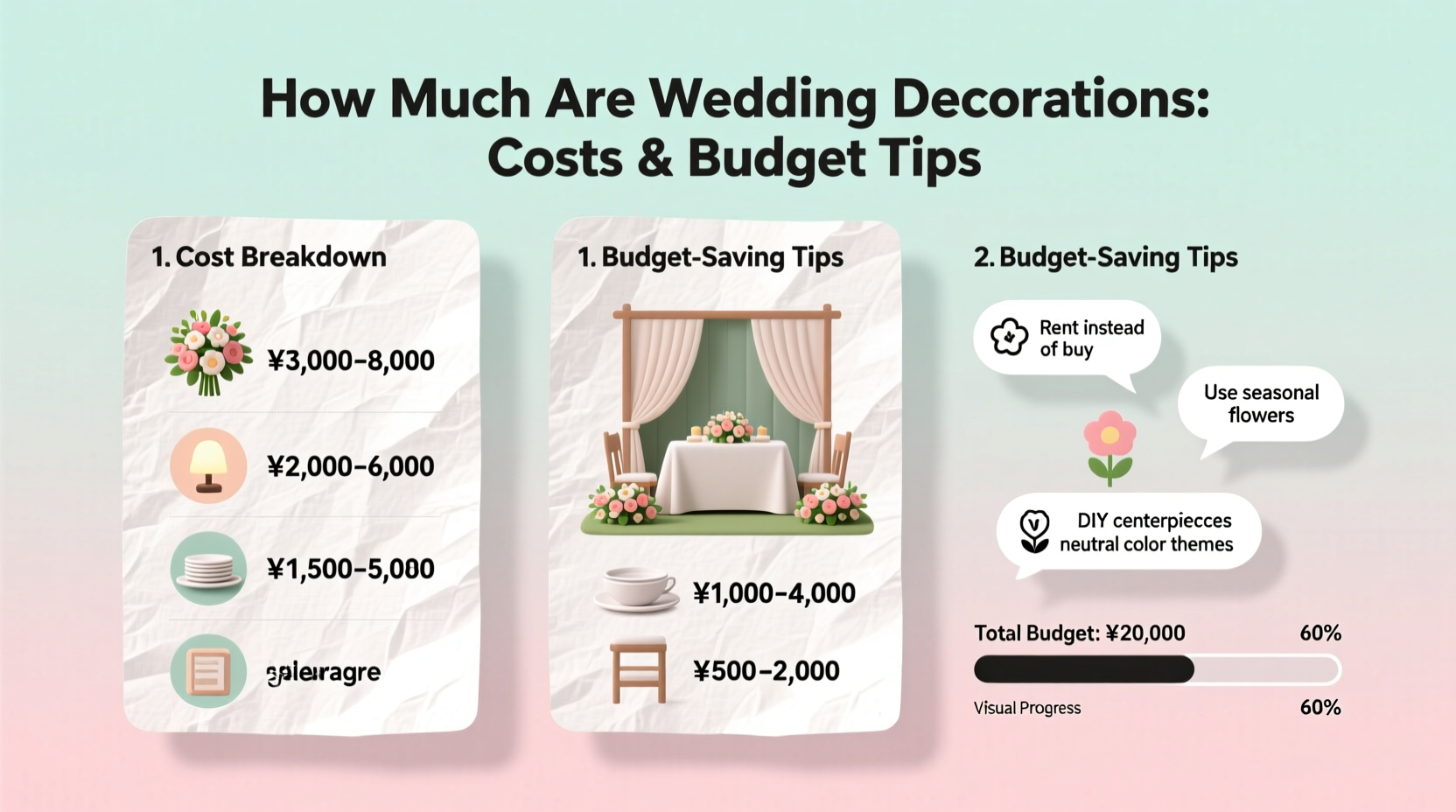 Wedding Decor Budget: Where to Splurge vs. Skip (2026)
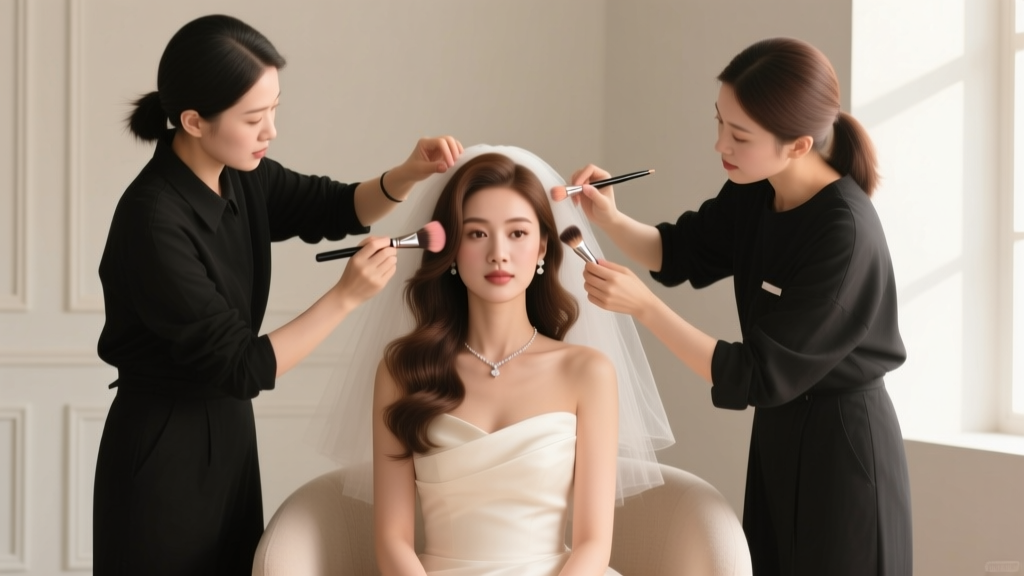 What Is the Proper Timeline for Wedding Hair and Makeup
 A Wedding on Waltons Mountain: Where to Watch Legally (2026)
 Diamond Wedding Anniversary Year: Truth & Tips
 What Hand Does a Wedding Ring Go On Men? (2026)
 Wedding Rings: Ancient Oaths to Modern Identity (2026)
 What Does The Ring Symbolize In A Wedding (2026)