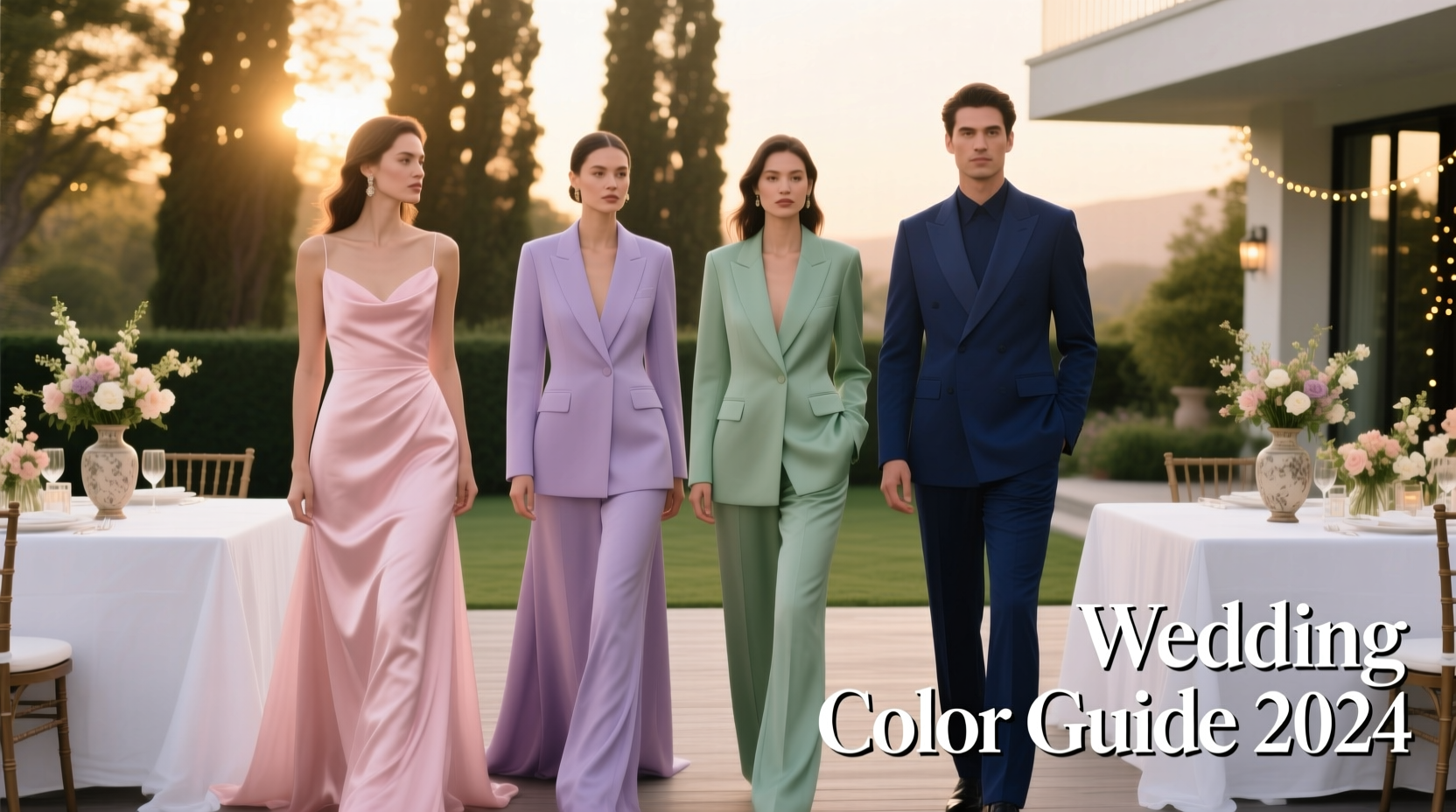
Wedding Color Norms: Dusty Rose & All-Black (2026)
When attending a wedding, one of the most common questions guests ask is, what colors can you wear to a wedding without overshadowing the couple or breaking etiquette? The good news is that many colors are acceptable, but it’s essential to consider the wedding theme, time of day, venue, culture, and dress code. While white is traditionally reserved for the bride in Western ceremonies, shades like navy, emerald green, burgundy, and even black can be perfectly appropriate when worn tastefully. Avoiding bridal whites, metallics too close to ivory, and overly casual tones ensures your outfit honors the occasion. Understanding appropriate wedding guest attire by color helps you strike the right balance between style and respect.
Understanding Wedding Dress Codes and Their Color Implications
Before selecting a color, always check the invitation for any stated dress code. These guidelines offer crucial insight into not only formality but also acceptable color ranges. Misinterpreting the dress code can lead to fashion missteps—even with well-chosen hues.
- Cocktail Attire: Common for evening weddings, this allows vibrant and bold colors such as deep plum, sapphire blue, or coral. Pair with elegant fabrics like silk or chiffon.
- Formal/Black-Tie: Darker, richer tones like charcoal gray, eggplant, or midnight blue are ideal. Men should wear tuxedos; women may opt for floor-length gowns in jewel tones.
- Semi-Formal: Allows more flexibility. Consider dusty rose, olive green, or lavender—soft yet sophisticated choices.
- Beach or Garden Wedding: Light pastels, floral prints, or breezy earth tones work well. Think sky blue, blush pink, or sage green.
- Casual: Stick to neat, coordinated outfits. Avoid jeans or flip-flops unless explicitly permitted. Colors like soft yellow or light gray are safe bets.
Ignoring the dress code might result in wearing something too flashy or too dull. Always lean toward elegance over trendiness when choosing what to wear to a wedding based on color.
Colors That Are Generally Acceptable for Wedding Guests
Many colors enhance the celebratory atmosphere without clashing with tradition. Here’s a breakdown of widely accepted options:
1. Navy Blue
A timeless choice, navy blue conveys sophistication and works across seasons. It's dark enough for evening events yet versatile for daytime affairs. Pair with silver or gold accessories for added polish.
2. Burgundy and Wine Red
Rich and regal, burgundy suits fall and winter weddings beautifully. It’s bold without being loud and complements most skin tones. Avoid bright fire-engine red, which can appear too intense.
3. Emerald Green
This jewel tone has surged in popularity due to its vibrancy and elegance. Perfect for both indoor and outdoor weddings, especially when paired with neutral shoes and clutch.
4. Blush Pink and Dusty Rose
Soft pinks exude romance and harmony with spring and summer themes. They’re particularly suitable for garden or rustic weddings.
5. Gray and Charcoal
Neutral and modern, gray offers a sleek alternative to black. Light gray works for daytime; charcoal is better suited for evening.
6. Patterns and Prints (With Caution)
Floral, geometric, or subtle polka dots are acceptable if they align with the wedding vibe. Ensure the print isn’t too large or distracting. A floral midi dress at a countryside wedding? Ideal. A neon animal print at a cathedral ceremony? Not recommended.
| Color | Best For | Caution Notes |
|---|---|---|
| Navy Blue | Evening, formal, winter | Avoid shiny satin if it mimics bridal gowns |
| Burgundy | Fall/winter, cocktail | Not ideal for beach weddings |
| Emerald Green | Garden, evening, holiday | May clash with some wedding palettes |
| Blush Pink | Spring, daytime, rustic | Avoid if bride’s theme uses similar tones |
| Charcoal Gray | All formal events | Pair with colorful accessories to avoid monotony |
Colors to Avoid at Weddings: Etiquette Guidelines
While personal expression matters, certain colors cross social boundaries or unintentionally steal focus. Knowing which colors not to wear to a wedding prevents awkward moments.
White, Ivory, and Champagne
In Western cultures, these shades are reserved for the bride. Wearing them—even in small amounts—can be seen as disrespectful. Exceptions exist: if the invitation explicitly permits white attire (e.g., tropical destination weddings), then it may be acceptable. However, avoid full white ensembles or dresses that resemble bridal gowns.
Metallics (Especially Silver and Gold)
Shimmery fabrics can look stunning but risk appearing bridal or costume-like. If you choose a metallic top or skirt, balance it with matte pieces. Avoid head-to-toe sparkle unless the dress code encourages glamour (e.g., black-tie optional).
Bride’s Party Colors
Never wear the exact color worn by the bridesmaids or groomsmen. Doing so creates visual confusion in photos and disrespects the wedding party’s role. Check social media or wedding websites for hints about the palette.
Camouflage, Neon, or Athleisure Colors
Colors associated with sportswear, military gear, or rave culture have no place at most weddings. Bright orange, electric green, or camouflage patterns distract from the celebration.
Overly Revealing or Costume-Like Hues
Red carpet styles aren’t always wedding-appropriate. Deep V-necks, sheer panels, or metallic bodysuits shift attention away from the couple. Choose modest cuts and refined fabrics instead.
Cultural and Religious Considerations in Wedding Attire Colors
Color symbolism varies widely across cultures. What’s appropriate in one tradition may be offensive in another. Being culturally sensitive enhances your role as a respectful guest.
- Chinese Weddings: Red symbolizes luck and joy, so guests often wear it proudly. However, avoid red in Indian weddings where it’s typically reserved for the bride.
- Indian Weddings: Brides wear red or maroon; guests should choose other rich colors like teal, peach, or gold—but never red unless invited to do so.
- Western Christian Ceremonies: White = bride; black = mourning. Hence, black is often avoided, though modern trends accept it for evening events.
- Middle Eastern Weddings: Bright, festive colors are encouraged. Gold, fuchsia, and royal blue reflect celebration.
- Korean Weddings: Traditional hanbok ceremonies feature specific colors. Guests typically wear subdued or celebratory tones, avoiding white (associated with funerals).
When attending an intercultural wedding, research customs or ask the couple directly. Phrases like, “I’d love to honor your traditions—do you have any guidance on attire?” show thoughtfulness.
Time of Day and Season: How They Influence Color Choices
The timing and season of the wedding significantly affect which colors are most suitable.
Daytime Weddings
Lighter, brighter colors shine during daylight hours. Consider:
- Pastel blue, mint green, peach
- Floral dresses with soft undertones
- Cotton or linen fabrics in warm-weather hues
Evening Weddings
Darker, more dramatic colors create elegance under artificial lighting:
- Deep purple, forest green, navy
- Velvet or satin finishes (used sparingly)
- Jewel tones that catch candlelight
Seasonal Palettes
- Spring: Lilac, butter yellow, seafoam green
- Summer: Coral, turquoise, sunflower yellow
- Fall: Rust, olive, mustard
- Winter: Cranberry, navy, silver accents
Aligning your outfit with the season shows attention to detail and respect for the event’s aesthetic.
Practical Tips for Choosing the Right Color Outfit
Beyond rules, here are actionable steps to ensure your color choice hits the mark:
- Review the Invitation: Look for clues—color schemes, location, time, and dress code.
- Check the Wedding Website: Many couples list preferred guest attire or even request no specific colors.
- Ask a Mutual Friend: If unsure, discreetly inquire about the bridal party’s colors or theme.
- Test Under Different Lighting: A dress that looks muted indoors might glow brightly outside. Try it in natural light.
- Coordinate, Don’t Match: If attending with a partner, coordinate colors without dressing identically.
- Consider Fabric and Fit: Even the best color fails if the material looks cheap or the cut is unflattering.
Common Myths About Wedding Guest Attire Debunked
Let’s clear up widespread misconceptions:
- Myth: Black is always inappropriate. Truth: Black is acceptable at evening or formal weddings, especially when styled elegantly.
- Myth: You must wear bright colors. Truth: Neutrals like taupe, slate, or navy are perfectly fine and often preferred.
- Myth: Any shade of white is okay if not pure white. Truth: Off-white, ivory, and champagne still risk resembling bridal wear—best avoided.
- Myth: Men can only wear black or navy suits. Truth: Charcoal, brown, or even deep green suits work well with the right shirt and tie combo.
FAQs: Common Questions About Wedding Attire Colors
Can I wear black to a wedding?
Yes, especially at evening or formal weddings. Pair it with colorful accessories to soften the look and avoid appearing somber.
Is it ever okay to wear white to a wedding?
Only if the couple explicitly says it’s allowed, such as at a beach wedding where white sundresses are expected. Otherwise, avoid it to prevent confusion with the bride.
What if the bridesmaid dresses are navy—can I still wear blue?
Avoid the exact same shade. Opt for a different tone like cobalt, sky blue, or teal to stay within harmony without matching.
Are there universal colors to avoid at all weddings?
Generally, steer clear of white, ivory, and red (in cultures where it’s reserved for the bride). Also avoid neon, camouflage, and overly revealing styles.
How do I know what colors fit the wedding theme?
Check the invitation design, wedding website, or social media pages. When in doubt, call a wedding party member or use neutral tones as a safe fallback.
More Articles
 A Wedding Story Season 3: TLC Confirms 2026 Return
 Was Hailie Mathers' Mom Kim Scott at Her Wedding?
 Wedding Band Placement: Top or Bottom? (2026)
 Non-Mormon at Mormon Wedding: What to Know
 Next Houston Bridal Extravaganza: March 2026
 Ambani Wedding Cost: Real 2026 Breakdown
 Wedding: Legal Theater, Sacred Covenant, Cultural Act
 Wedding Ring Hand: Global Traditions & Modern Rules
 Did Queen Elizabeth II Give a Speech at Charles’ Wedding?
 Where Is The Wedding Singer Streaming in 2026?