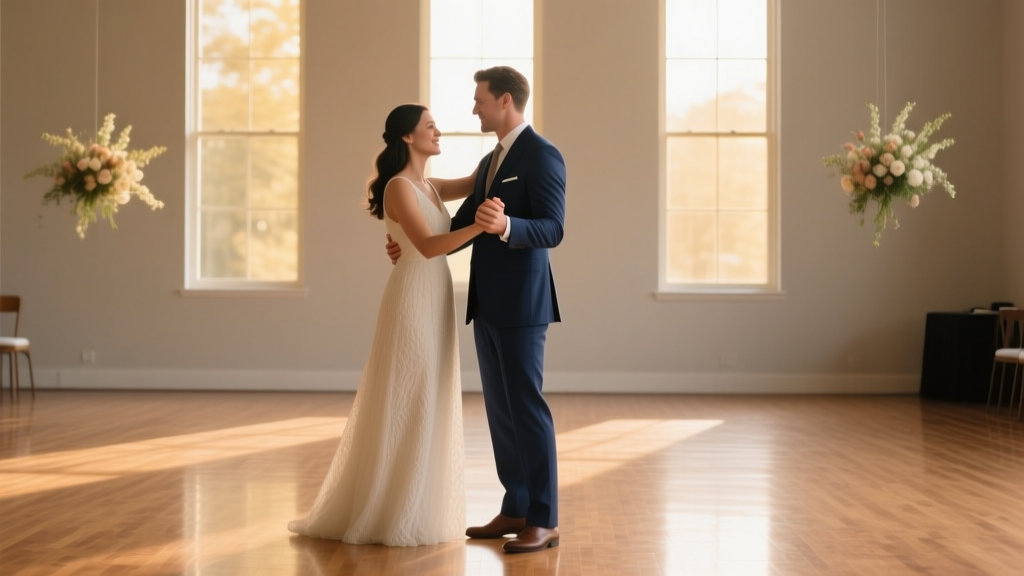
Why Do Couples Have a Parent Dance
Why Do Couples Have a Parent Dance?
When you’re mapping out your wedding reception, the parent dance often lands on the “Do we really need this?” list—right next to garter toss debates and deciding whether a photo booth is “too much.” It’s a tradition many couples recognize, but not everyone knows why it exists or how to make it feel right for their family.
The parent dance matters because it’s one of the few reception moments that intentionally spotlights the relationship between a couple and their parents or parent figures. For some families it’s deeply meaningful; for others, it can feel awkward, emotional, or complicated. The good news: you have options, and modern wedding etiquette supports making this moment fit your story.
So, why do couples have a parent dance?
Couples have a parent dance to honor and include their parents (or parent figures) during the reception—recognizing the role they’ve played in getting you to this milestone. Traditionally, it’s a father-daughter dance and a mother-son dance, but today it can be any combination that reflects your family, your relationships, and your comfort level.
At its best, the parent dance is a brief, heartfelt pause in the party: a public “thank you,” a moment of connection, and a bridge between generations before the dance floor fully opens.
Where the tradition comes from (and why it stuck)
Historically, weddings included formal “spotlight” dances that marked key transitions: couple’s first dance, then dances that honored family members, followed by open dancing for everyone. The parent dance became a standard reception feature in many Western weddings because it created a structured way to acknowledge parents—especially when parents were hosting or contributing to the wedding.
These days, parent dances are less about formality and more about meaning. As weddings have become more personal—think non-traditional timelines, private vows, first looks, and “unplugged” ceremonies—couples often keep the parent dance because it’s simple, recognizable, and emotional in a good way.
Wedding planner Marisol Nguyen of Golden Hour Events explains it like this: “A parent dance is one of the clearest signals to the room that this isn’t just a party—it’s a family moment. Even couples who skip other traditions often keep this one because it’s short and it lands emotionally.”
Modern etiquette: You can customize it (and you’re not ‘wrong’)
Engaged couples often worry about etiquette: Will anyone be offended if we skip it? Do we have to do both dances? What if family dynamics are tense?
Here’s the modern rule: the “right” choice is the one that feels respectful and authentic. Guests are used to weddings being customized now. It’s common to see receptions where:
- There’s one parent dance instead of two
- The dances are combined into one song
- A parent figure (step-parent, grandparent, aunt/uncle, mentor) is honored instead
- Both partners dance with a parent (or both dance with both parents)
- The moment is replaced by a toast or family dedication
DJ and MC Andre Collins adds, “The key is clarity. If you’re doing a parent dance, I announce it warmly and keep it moving. If you’re skipping it, we replace that ‘spotlight’ with something else—like inviting all parents to the dance floor for 30 seconds—so it still feels intentional.”
Traditional vs. modern approaches (and who each works best for)
Scenario 1: The traditional parent dances
Best for: Couples with close parent relationships, families who expect classic reception traditions, or weddings with a more formal vibe.
Typically, one partner dances with a parent (often father/daughter), then the other partner dances with a parent (often mother/son). Sometimes the dances happen back-to-back; sometimes they’re separated by the couple’s first dance.
Real couple experience: “My dad and I aren’t big dancers,” says Talia, married in Charleston. “We picked a simple song, practiced swaying in the kitchen, and kept it under two minutes. It wasn’t about the choreography—it was about having that memory.”
Scenario 2: The combined parent dance
Best for: Couples who want the tradition without a long spotlight, or weddings with a tighter timeline.
One song plays and both parent dances happen at the same time. This cuts pressure, shortens the formalities, and feels less like “everyone watch me.” It’s also a great option when one parent is shy.
Scenario 3: “Parent figures” or non-traditional pairings
Best for: Blended families, LGBTQ+ couples, or anyone whose key support person isn’t a biological parent.
This might look like dancing with a step-parent who raised you, a grandparent who was your rock, or even two dances for one partner because multiple people played a parental role.
Coordinator Jen Alvarez shares, “I’ve seen brides dance with their mom, grooms dance with their sister, and couples invite both sets of parents for a group dance. Guests follow your lead—if you treat it as normal, it feels normal.”
Scenario 4: Skipping the parent dance (and doing something else)
Best for: Couples with strained relationships, grief, or simply a preference for fewer formal moments.
If the parent dance would feel painful or forced, skipping it can be the kindest choice for everyone. You can still honor parents with a heartfelt toast, a handwritten letter, a photo tribute, or a private moment before the ceremony.
Real couple experience: “My mom passed away, and the mother-son dance felt like a spotlight on what was missing,” says Daniel. “We replaced it with a quick toast thanking both families and then opened the dance floor. It felt supportive instead of sad.”
Current wedding trends influencing parent dances
Several reception trends are shaping how couples handle the parent dance:
- Shorter formalities: Many couples keep spotlight dances under 60–120 seconds.
- More inclusive family language: Programs and announcements often say “parent/guardian dance” rather than mother/son or father/daughter.
- More personalized song choices: Instead of classics, families pick meaningful songs—indie, country, R&B, even a favorite movie soundtrack.
- Private moments: Some couples do the dance during rehearsal, at a welcome dinner, or in a quiet room with just immediate family.
These trends all point to the same message: you’re allowed to design a reception that fits your relationships and your comfort level.
Actionable tips to make the parent dance feel good (not stressful)
- Decide the “why” first. Is it gratitude? Inclusion? A family expectation? If you know the purpose, the format becomes easier.
- Keep it short. Ask your DJ/band to fade out at 90 seconds if you want to reduce nerves and keep energy up.
- Pick a song you can actually dance to. A slow, steady tempo beats an emotional ballad that feels endless.
- Practice once—just to feel comfortable. Even 5 minutes of swaying practice helps you relax.
- Set expectations with your parents. A quick conversation prevents surprises like an unexpected dip or a six-minute song choice.
- Ask your photographer what they need. Good lighting and positioning matter; your pro can suggest where to stand for flattering shots.
- Have a backup plan for emotions. If tears come, that’s okay. If you’d rather avoid them, choose an upbeat song or do a group dance.
Related questions couples often ask
Do we have to do a parent dance?
No. There’s no rule that requires a father-daughter dance or mother-son dance. Skipping is completely acceptable, especially if it protects your peace or simplifies the reception timeline.
What if one partner wants a parent dance and the other doesn’t?
It’s fine to do one dance. You can also choose a combined family dance (invite both sets of parents at once) so it feels balanced without forcing matching traditions.
What if a parent is divorced, remarried, or there’s tension?
You have options: dance with one person, split the song into two short parts, do a group dance with multiple parent figures, or skip the dance and honor parents in another way. The best approach is the one that avoids public discomfort and prevents conflict on the day.
What if a parent has mobility issues or doesn’t like dancing?
Consider a seated “dance” (standing close and swaying), a hug during the song, or walking onto the dance floor together and inviting others to join quickly. The sentiment matters more than the steps.
When should the parent dance happen in the reception timeline?
Common placement is right after the couple’s first dance or right after dinner before open dancing begins. Your DJ or wedding coordinator can help you place it where it feels natural and keeps guests engaged.
Takeaway: It’s about honoring, not performing
A parent dance exists to recognize the people who raised you, supported you, and helped you arrive at this moment—but it’s not a test of tradition. Whether you do a classic father-daughter dance, a modern parent/guardian dance, a group moment, or skip it entirely, the most “etiquette-approved” choice is the one that feels genuine and kind to your family situation. Done your way, it becomes a memory you’ll be glad you made space for.
More Articles
 How to Decide on Your Wedding Party Size
 Wedding Shoes Superstition: Groom Seeing Them in 2026
 Wedding Ring as Marital Asset: Protected or Divided?
 Ave Maria Wedding Song: Truth, Pitfalls & Live Alternatives
 Was Kyle Richards at Paris Wedding? (2026)
 Do You Tip a Wedding Dress Stylist? (2026)
 When to Book Your Wedding Day Beauty Team
 Oz Absent in American Wedding: Real Reason (2026)
 DIY Wedding Centerpieces on a Budget (2026)
 Where to Donate My Wedding Dress Near Me (2026)