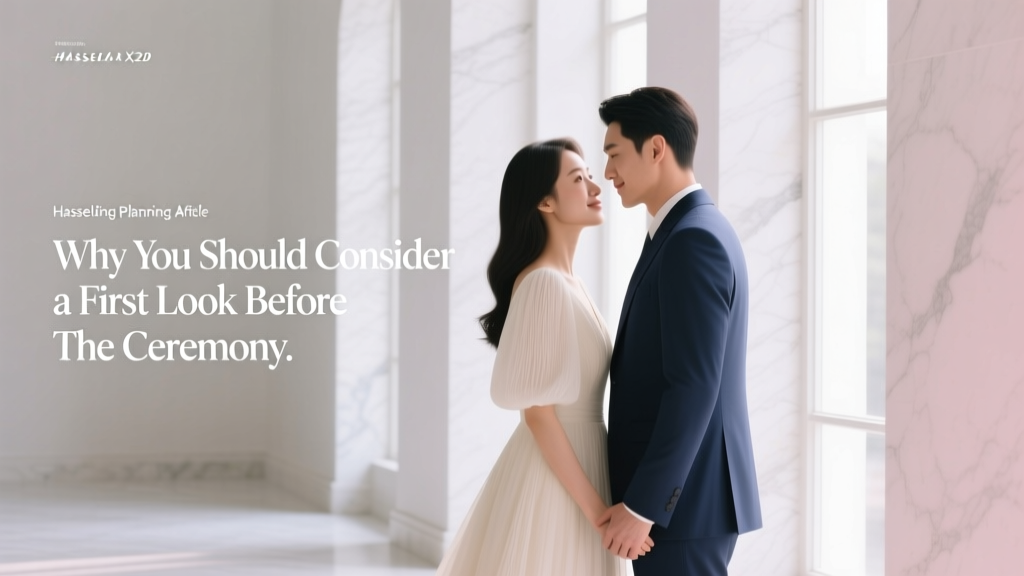
Why You Should Consider a First Look Before the Ceremony
Why You Should Consider a First Look Before the Ceremony
Q: Should we do a first look before the ceremony, or is it better to wait for the aisle moment?
You’ve probably heard strong opinions on both sides. Some couples love the tradition of seeing each other for the first time at the ceremony. Others swear the first look was the best decision they made all day. If you’re feeling torn, you’re not alone—this choice affects your timeline, your photos, your nerves, and even how present you feel during the ceremony.
A first look isn’t “less romantic” or “too modern.” It’s simply a planning tool that can create more calm, more time together, and often better wedding-day flow. The key is deciding what kind of emotional experience you want—and what your day realistically needs.
A: You should consider a first look before the ceremony if you want a private, unrushed moment together, a smoother photo timeline, and a more relaxed ceremony experience—without losing the magic of the aisle.
Q: What exactly is a “first look”?
A first look is a planned moment before the ceremony when you see each other in wedding attire—usually in a private or semi-private spot, guided by your photographer or planner. It often includes a few minutes alone (or as alone as wedding days allow), followed by portraits and sometimes wedding party/family photos.
Wedding photographer “Maya Kline” puts it plainly: “A first look is the best way to trade nerves for connection. It doesn’t replace the ceremony—most couples still get emotional on the aisle—but it does lower the stress level by a lot.”
Q: Will a first look ruin the aisle moment?
This is the most common worry, and it’s understandable. The aisle moment is iconic. But for many couples, the aisle feels just as powerful—sometimes even more—because they’re not overwhelmed by the pressure of a crowd.
Real-couple perspective (from a recent weddingsift.com interview): “I thought seeing him early would make the ceremony feel less special,” said “Alyssa,” married in 2024. “Instead, I was calmer. When the music started, it hit me again—like a second wave. I actually remember the ceremony more clearly.”
If you love the symbolism of the first time being at the ceremony, that’s valid. But if your biggest fear is losing emotion, you may be pleasantly surprised. Many couples describe it as getting two meaningful moments: the private first look and the public ceremony reveal.
Q: Why are first looks so popular right now?
First looks have become a major wedding trend because modern weddings are often more schedule-driven. Common reasons couples choose them:
- Tighter venue timelines (especially if you’re renting a venue for fewer hours or paying for overtime)
- More photo priorities (candid storytelling, editorial portraits, golden hour photos)
- More guest experience focus (couples want to attend more of cocktail hour rather than disappear for photos)
- Less pressure to “perform” emotions in front of a crowd
Planner “Jordan Reyes” explains: “We’re seeing couples value time together and guest time more than ever. A first look can give you breathing room—especially if you’re doing personal vows, a larger wedding party, or a big family photo list.”
Q: What are the biggest benefits of doing a first look?
1) You get a private moment together
Wedding days are emotional and fast. A first look creates a pause. You can hold hands, exchange a few words, or even share private vows without an audience. For couples who feel anxious in crowds, this can be grounding.
2) It can reduce nerves and help you feel more present
If you’re worried about shaking hands, sweaty palms, or feeling overwhelmed at the altar, a first look often helps. You’ve already connected, taken a breath, and reassured each other.
3) A smoother photography timeline (and often better light)
From a practical standpoint, a first look can make your wedding photography schedule easier. You may be able to do:
- Couple portraits
- Wedding party photos
- Immediate family photos
…all before the ceremony. That means less rushing after, and more time at cocktail hour. It’s also easier to schedule portraits when the light is best—especially in fall/winter when daylight fades early.
4) More time with guests
If you’ve attended a wedding where the couple disappears for most of cocktail hour, you know how it goes. Guests want to congratulate you, and you want to enjoy what you planned. A first look can help you actually attend your own wedding.
5) Flexibility if your ceremony starts late
Weather delays, transportation issues, boutonnière mishaps—things happen. When portraits are already done, delays don’t domino into every part of the evening as easily.
Q: Are there reasons to skip a first look?
Absolutely. A first look isn’t the “right” choice for everyone. You might skip it if:
- Your faith or family tradition strongly prefers seeing each other at the ceremony
- You’re committed to the classic reveal and that symbolism matters most
- Your timeline is naturally relaxed (long cocktail hour, late sunset, plenty of venue time)
- You’re worried it will feel staged and you’d rather keep the day more spontaneous
Traditional approach scenario: If you’re having a church ceremony with a firm schedule and you love the “first time at the altar” meaning, you can still get great photos—just plan for a longer cocktail hour and an efficient family photo list.
Modern approach scenario: If you’re doing a backyard wedding, a destination wedding, or a nontraditional venue, a first look often fits naturally and keeps the day feeling intimate.
Q: What about modern etiquette—will guests think it’s odd?
Most guests won’t think twice. First looks are common across all wedding styles, from black-tie celebrations to micro weddings. If anything, guests tend to appreciate when the couple is present and relaxed during cocktail hour and reception.
If you’re worried about older relatives who care about tradition, you don’t owe anyone an explanation—but you can frame it simply: “We wanted to spend more time with everyone and have a calmer day.” That usually lands well.
Q: How do we plan a first look so it feels natural (not awkward)?
Here are practical tips couples consistently say helped:
- Pick a quiet location with good light and minimal foot traffic (a garden path, side courtyard, private room, or shaded spot near the venue).
- Build in buffer time: plan 15 minutes for the first look itself and 30–60 minutes for portraits afterward (more if you’re doing wedding party photos).
- Decide whether you want to speak: Some couples exchange a few words, others do private vows, and some just hug and take it in.
- Ask your photographer for guidance: A pro will direct you lightly, then step back so it feels real.
- Keep it truly private if that matters: Tell your planner or coordinator to keep the area clear, and limit who’s present.
- Have a backup plan for weather: a covered porch, a bright hallway, a hotel suite, or a tented area works beautifully.
Photographer “Maya Kline” adds: “The best first looks happen when the couple forgets the camera is there. I usually set them up, then give them space. You don’t need a big reaction—you just need a real one.”
Q: What are common edge cases couples ask about?
What if we’re doing a big reveal with a curtain, doors, or a dramatic entrance?
You can still do a first look. The ceremony can have its own moment with music, lighting, and the walk. Think of the first look as emotional prep and the ceremony as the public celebration.
What if we want to see each other, but not the full outfit?
Consider a “first touch” instead: holding hands around a corner, reading letters, or praying together without seeing each other. This keeps tradition while easing nerves.
What if one of us will cry a lot and doesn’t want to in front of guests?
A first look is perfect for that. You can have your emotional moment privately, freshen up, and go into the ceremony feeling more composed.
What if we have separated getting-ready locations?
It’s still doable. Your planner can coordinate arrival times, and your photographer can help build a timeline that includes travel and touch-ups.
What if we’re doing family photos before the ceremony—does that feel weird?
Not at all. It’s increasingly common, especially for couples who want to join cocktail hour. Just be clear with family about when and where to show up, and keep the list tight (parents, siblings, grandparents first).
Q: How do we decide—first look or no first look?
Ask yourselves these planning questions:
- Do we want a private moment together before the ceremony?
- How tight is our wedding day timeline?
- How important is attending cocktail hour to us?
- Are we likely to feel anxious before the ceremony?
- Is seeing each other at the altar a meaningful tradition for us or our families?
If you’re stuck, a simple compromise works well: do a first look plus personal vows privately, then keep the ceremony more traditional with the aisle moment and your formal vows in front of guests.
Conclusion
A first look isn’t about breaking tradition—it’s about designing a wedding day that feels good to live through, not just beautiful to watch. If you want a calmer timeline, more time with guests, and a genuine moment together before the ceremony, a first look is worth serious consideration. And if your heart is set on the aisle reveal, you can absolutely keep that tradition and still have a smooth, photo-friendly schedule with smart planning.
More Articles
 Black at Weddings: Stylish, Respectful & Encouraged (2026)
 Princess Diana Wedding Doubts: What Letters Reveal
 Who Shapes Your Wedding Venue’s Final Look?
 What Is a Symbolic Wedding? (2026 Guide)
 What Is 10 Year Wedding Anniversary Called? (2026)
 When Should You Start Wedding Dance Lessons
 Who Is Attending Jeff Bezos Wedding: The Complete Guest List
 What to Write in Brother’s Wedding Card (2026)
 Planning a Wedding in Maine: Everything You Need to Know
 Why Hannah Mears Postponed Her Wedding (2026)