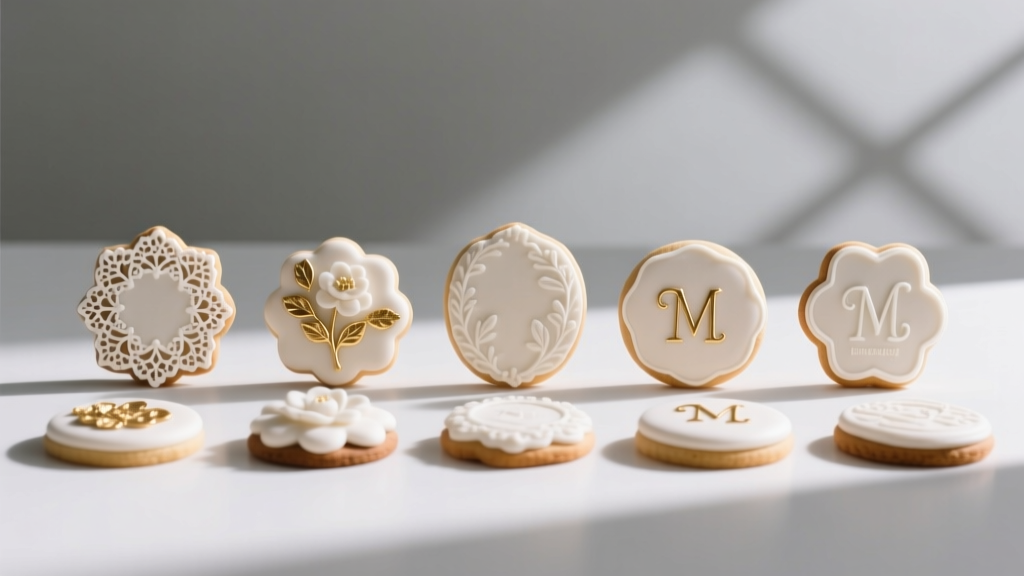
Wedding Cookies That Match Your Theme: 7 Must-Do Steps
Why Your Wedding Cookies Are Secretly Making or Breaking First Impressions
If you’ve spent months curating your wedding theme — from dusty rose linens and vintage brass signage to custom calligraphy fonts and moody floral arches — yet handed off cookie selection to a bakery without a mood board, you’ve unintentionally created a visual contradiction. How to choose wedding cookies that match wedding theme isn’t about ‘pretty shapes’ or ‘pastel icing’ — it’s about continuity, intentionality, and sensory storytelling. In fact, a 2023 Knot Real Weddings survey found that 68% of guests recall edible details (like cookies or cake) as their strongest memory of the reception’s aesthetic — more than centerpieces or lighting. Why? Because cookies are tactile, shareable, photogenic, and often the first thing guests hold in their hands after arriving. They’re not dessert extras — they’re branded touchpoints. And when mismatched, they quietly undermine all your thematic work. Let’s fix that — permanently.
Step 1: Decode Your Theme Beyond the Buzzword
‘Rustic,’ ‘boho,’ ‘modern,’ ‘vintage’ — these words are starting points, not instructions. To choose cookies that truly resonate, you must translate your theme into three concrete dimensions: color language, texture vocabulary, and symbolic motifs. For example, a ‘coastal elegance’ theme isn’t just ‘blue and white.’ It’s sea-glass translucency, weathered rope texture, and motifs like minimalist seashells or undulating wave lines — not cartoonish anchors or palm trees. A real-world case study: Sarah & Diego’s Malibu cliffside wedding used hand-piped shortbread cookies with matte aqua icing, subtle sand-textured sugar dusting, and delicate gold-leaf wave outlines — all baked on reusable ceramic trays stamped with their monogram. Their planner told us, ‘We tested 12 cookie samples against actual linen swatches and napkin folds under natural light — if the icing didn’t echo the linen’s undertone, it got scrapped.’ That level of fidelity is what transforms cookies from ‘nice’ to ‘narrative.’
Step 2: The 4-Ingredient Alignment Framework
Most couples focus only on shape and color — but flavor, texture, packaging, and presentation are equally powerful alignment levers. Here’s how each works:
- Flavor: Should evoke the season or location — lavender-honey for Provence-inspired spring weddings; spiced pear-ginger for autumn forest themes; yuzu-miso for Japanese garden ceremonies. Avoid generic vanilla — unless your theme is literally ‘mid-century modern minimalism’ (and even then, consider Madagascar bourbon vanilla bean flecks for authenticity).
- Texture: Crisp sugar cookies signal clean, architectural themes (think geometric linens or marble tables). Soft, chewy ginger molasses? Perfect for cozy, fireside winter weddings. Delicate shortbread? Ideal for heirloom lace or antique book themes.
- Packaging: Not an afterthought. Kraft paper bags with twine scream rustic; translucent vellum sleeves with foil-stamped botanicals suit botanical themes; acrylic stands with etched glass bases elevate modern luxury. One bride sourced recycled kraft boxes printed with her watercolor invitation motif — guests kept them as keepsakes.
- Presentation: Display method must mirror your décor rhythm. Floating shelves for gallery-style themes? Use tiered acrylic stands. Farm table setup? Arrange cookies on raw wood slabs with dried lavender sprigs. Hanging installations? Suspend cookies in clear lucite frames with silk ribbons matching bridesmaid dresses.
This isn’t decoration — it’s dimensional consistency. Every layer reinforces the same story.
Step 3: The Color Matching Protocol (No Pantone Required)
Don’t rely on screen colors or bakery sample photos. Digital displays distort warmth, saturation, and undertones — especially critical for ivory, blush, sage, and taupe. Instead, follow this field-tested protocol:
- Photograph your primary fabric swatch (linen, dress detail, or invitation paper) in natural daylight — no flash, no filters.
- Upload to free tools like Coolors.co or Adobe Color — extract dominant HEX codes.
- Share those HEX values with your baker (not RGB or ‘light pink’) — professional bakers use food-safe gel dyes calibrated to HEX standards.
- Request a physical color test: Bake 3 cookies using your HEX-specified icing, photograph them beside your actual swatch in identical lighting, and compare side-by-side.
A Portland couple discovered their ‘blush’ invitation paper had a violet undertone — but the bakery’s ‘blush’ icing was peach-based. The mismatch was glaring in photos. They retested with a violet-leaning rose gel, and the difference was transformative. Pro tip: Always request a photo of the test batch *on your actual table linen*, not white paper.
Step 4: Seasonal & Cultural Resonance (Beyond the Obvious)
Your wedding theme likely draws inspiration from time, place, or heritage — and cookies should honor that. Consider these nuanced alignments:
- Seasonal Botanicals: Spring weddings shouldn’t default to cherry blossoms — think foraged violets or fiddlehead ferns (used as edible garnishes or imprint molds). Fall? Skip pumpkins — try pressed maple leaves or black walnut glaze.
- Cultural Motifs Done Right: A South Asian fusion wedding featured saffron-infused shortbread stamped with miniature paisley patterns in edible gold — not generic ‘Indian’ motifs, but a direct nod to the groom’s grandmother’s textile collection. Respect > representation.
- Regional Ingredients: Coastal Maine? Blueberry-lavender shortbread with sea salt crystals. Napa Valley? Cabernet reduction glaze with local thyme. This adds authenticity and supports local producers — a bonus sustainability win.
One couple in Asheville worked with a local apothecary to create custom edible flower blends (calendula, borage, chamomile) pressed into their cookies — matching the wildflower meadow ceremony site. Guests received seed packets with tasting notes. That’s thematic depth.
| Theme Type | Cookie Shape Strategy | Icing Technique | Flavor Alignment Tip | Common Pitfall to Avoid |
|---|---|---|---|---|
| Rustic Farmhouse | Hand-cut irregular edges; slightly uneven thickness | Matte finish; visible brushstrokes; natural dye stains (beetroot, turmeric) | Honey-oat or brown butter with toasted pecans | Overly symmetrical piping or glossy finishes — breaks the organic feel |
| Modern Minimalist | Geometric precision (circles, triangles, clean rectangles); sharp corners | High-gloss, single-color flood; negative space emphasis | Earl Grey tea-infused dough; subtle citrus zest | Adding unnecessary embellishments like sprinkles or pearls |
| Bohemian Garden | Organic curves; asymmetrical botanical stamps (eucalyptus, pampas) | Watercolor bleed effect; layered translucent washes | Lavender-citrus or rosewater-almond | Using rigid, symmetrical shapes that clash with fluid theme energy |
| Vintage Library | Book-shaped cutters; tiny ‘pages’ imprinted with faux script | Antique gold luster dust dry-brushed; sepia-toned icing | Spiced chai or black tea shortbread with cardamom | Choosing bright, saturated colors — vintage palettes lean muted and warm |
| Coastal Chic | Wave-line borders; abstract shell silhouettes; smooth, rounded edges | Matte seafoam or oyster-shell gray; subtle pearl dust sheen | Lemon-thyme or sea salt caramel | Using literal anchor or starfish shapes — too cliché; abstraction reads more sophisticated |
Frequently Asked Questions
Can I use store-bought cookies and customize them to match my theme?
Yes — but with caveats. High-quality gourmet brands (like Biscoff, Tate’s, or locally made shortbreads) can be repurposed with edible gold leaf, custom-printed rice paper toppers, or themed packaging. However, avoid mass-market cookies with artificial flavors or waxy textures — they’ll clash tonally. Always taste-test: If the base cookie doesn’t align with your theme’s flavor language (e.g., a hyper-sweet chocolate chip cookie at a refined French chateau wedding), no amount of decoration will fix it. Prioritize dough integrity over convenience.
How far in advance should I finalize cookie design with my baker?
Lock in designs no later than 12 weeks pre-wedding — and schedule your final tasting + color approval at 8 weeks out. Why? Reputable bakers book 6–9 months ahead, but design revisions take time: custom cutter creation (2–3 weeks), icing color calibration (1–2 rounds), and structural testing (e.g., will that delicate lace pattern hold up in humid weather?). One couple waited until 5 weeks out and had to accept a simplified design — and their cookies arrived with slight warping due to rushed drying. Don’t rush the details that define your brand.
Are gluten-free or vegan cookies harder to theme?
Not inherently — but they require earlier collaboration. GF flours behave differently (often crumblier or denser), affecting shape retention and icing absorption. Vegan butter substitutes vary widely in melting point, impacting crispness. Share your dietary requirements upfront, ask for recipe adjustments (e.g., oat flour + psyllium for structure), and request a dedicated GF/vegan test batch — not just a swap. Top-tier bakers treat dietary needs as design parameters, not limitations. Bonus: Many plant-based ingredients (matcha, tahini, coconut milk) offer rich, on-theme flavor profiles.
Should my cookies match my cake exactly?
No — and here’s why: Cakes serve structural and ceremonial roles; cookies are interactive, portable, and often gifted. They should harmonize, not replicate. Think complementary contrast: If your cake is a stark white fondant geometric tier, cookies could be textured oatmeal shortbread with matte sage icing and pressed herbs — same palette, different texture and scale. Or if your cake features intricate sugar flowers, cookies might be simple rounds with single edible blooms in matching varieties. Harmony > mimicry.
Myths That Sabotage Thematic Cookie Selection
Myth #1: “More detail = more on-brand.” Overloading cookies with intricate piping, multiple colors, or tiny embellishments often backfires — especially in low-light receptions or busy photo backdrops. Clutter competes with your theme’s core essence. A single, perfectly executed motif (like one delicate fern frond in gold luster on ivory icing) communicates more than five competing elements. Less is legible; more is noise.
Myth #2: “The baker will intuitively understand my theme from my Pinterest board.” Pinterest is inspirational, not instructional. Boards contain conflicting aesthetics, aspirational (not practical) images, and unvetted sources. Instead, create a Theme Translation Sheet: 1 page with your 3 non-negotiables (e.g., “matte finish,” “no red tones,” “must include botanical line art”), 2 fabric swatch photos, and 1 sentence describing the feeling (“serene, unhurried, sun-dappled”). Hand this to your baker — not a 200-pin board.
Your Next Step: Build Your Cookie Alignment Kit
You now know how to choose wedding cookies that match wedding theme — not as decoration, but as deliberate, multi-sensory extensions of your love story’s visual language. But knowledge without action stays theoretical. So here’s your immediate next step: Download our free Wedding Cookie Alignment Kit — a printable PDF with your Theme Translation Sheet template, HEX color capture guide, seasonal flavor pairing chart, and vendor briefing script. It takes 20 minutes to complete — and prevents costly redesigns, last-minute panic, and aesthetic dissonance. Because your cookies shouldn’t just look like your wedding. They should feel like it — down to the crumb.
More Articles
 Royal Wedding Sofia the First Party Guide (2026)
 New York Wedding Christmas: 7 Realistic Design Strategies
 Black Wedding Dress Meaning: What Brides *Actually* Intend
 Wedding at Comfort Food Cafe: Joyful, Stress-Free (2026)
 How to Draw a Wedding Bell: Beginner Guide (2026)
 Greek Island Wedding Theme Aegean Blue and White
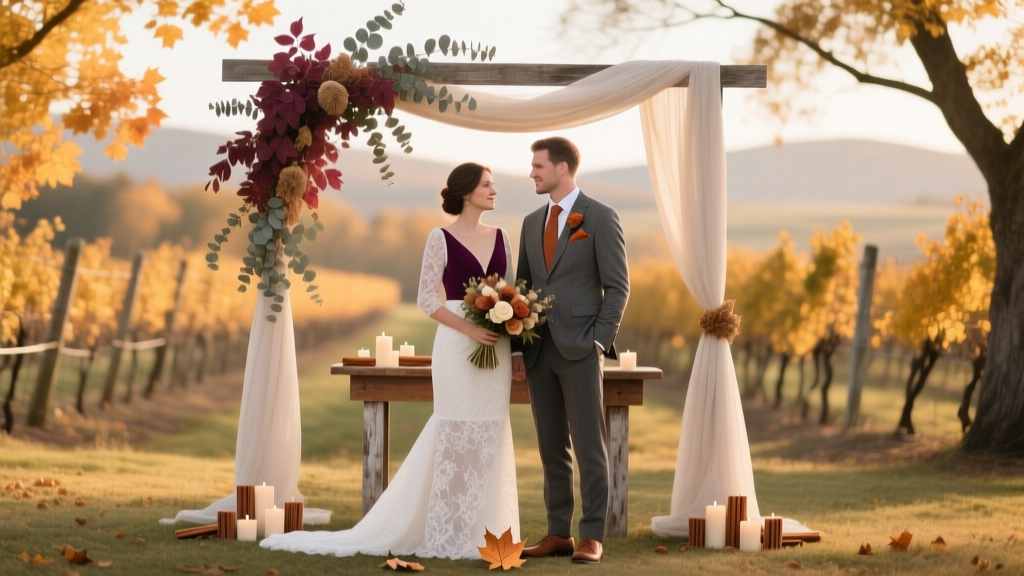 How to Create a Cozy Autumn Wedding Theme
 Red Wedding: 5 Pitfalls to Avoid in 2026
 Tools Engagement Essentials: Data-Driven Strategies That Boost Retention, Reduce Churn, and Accelerate Adoption
 Woodland Wedding Challenges and Rewards