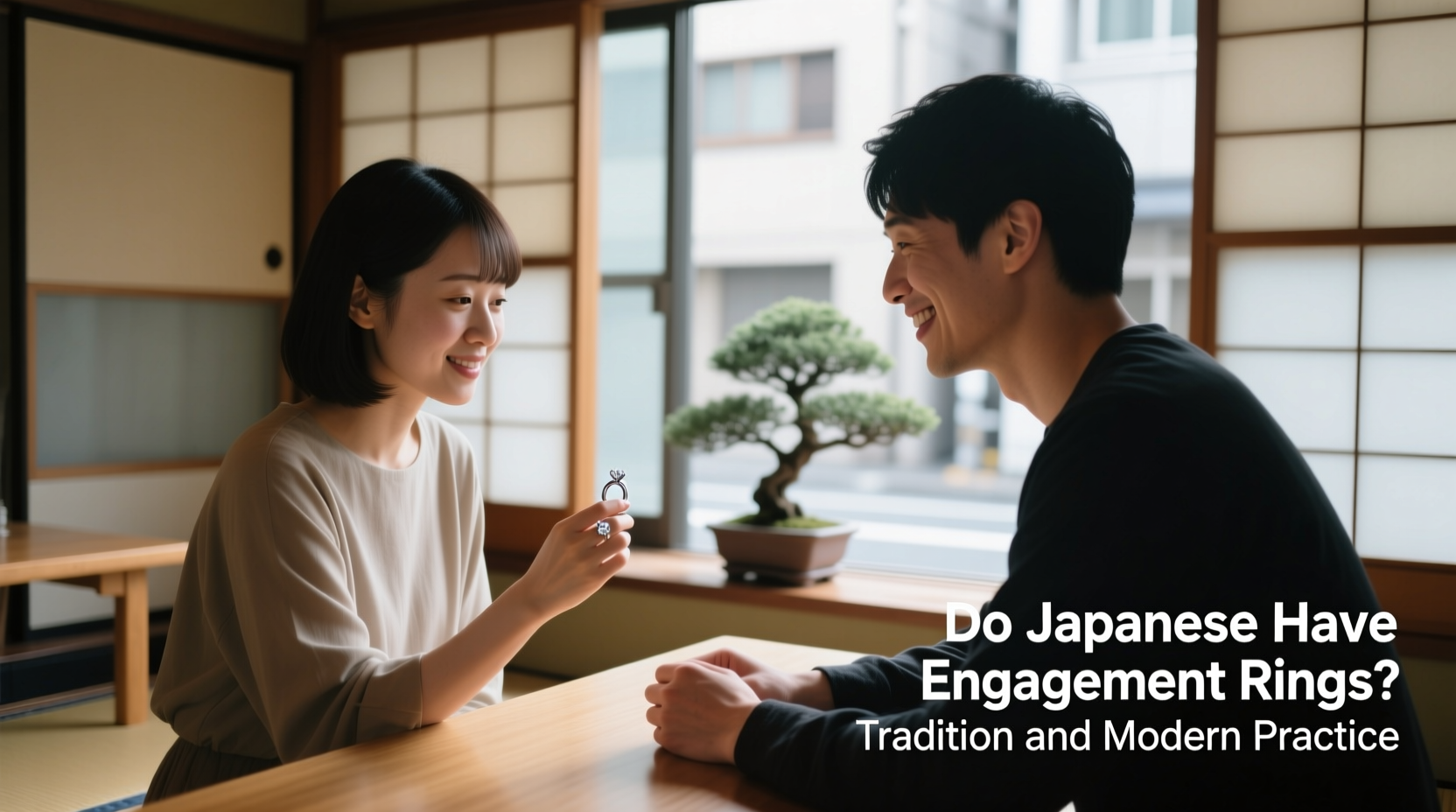
Japanese Engagement Rings: Tradition vs. Modern Practice
Yes, many Japanese couples today do exchange engagement rings, especially in urban areas and among younger generations influenced by Western customs. While traditional Japanese weddings did not include engagement rings, the practice of giving a diamond engagement ring has become increasingly common since the mid-20th century due to global cultural influence—particularly from the United States. This shift reflects broader changes in Japanese marriage culture, where do Japanese have engagement rings is now answered with a nuanced 'yes' depending on region, age group, and personal preference. However, it’s important to understand that engagement rings in Japan are not as universally expected or symbolically central as they are in Western countries.
The Historical Context of Marriage and Rings in Japan
Historically, Japanese marriage was rooted in family alliances, social obligations, and arranged unions rather than romantic love. The concept of courtship and public displays of affection was minimal, and jewelry such as engagement or wedding rings played no role in traditional ceremonies. Instead, symbolic rituals like sakazuki (the sharing of sake between families) marked the union. These Shinto or Buddhist wedding ceremonies focused on spiritual and familial harmony rather than individual expression.
The absence of rings in pre-modern Japan wasn’t due to lack of craftsmanship—goldsmithing and metalwork were well-developed—but because the cultural symbolism associated with Western-style rings simply didn’t exist. Marriages were formalized through documentation, family agreements, and religious rites, not physical tokens worn on the finger.
When Did Engagement Rings Become Popular in Japan?
The introduction of engagement rings to Japan can be traced back to the post-World War II era, particularly during the American occupation (1945–1952). Exposure to Western media, fashion, and lifestyle introduced new ideas about romance and marriage. Hollywood films depicting grand proposals with sparkling diamonds captivated the Japanese public.
A pivotal moment came in 1967 when De Beers, the global diamond company, launched a marketing campaign in Japan under the slogan "Diamonds Are Forever". This campaign successfully linked diamonds with eternal love and commitment. By positioning the diamond engagement ring as a necessary symbol of sincerity and financial stability, De Beers transformed Japanese consumer behavior.
Within two decades, the percentage of Japanese brides receiving diamond rings jumped from less than 5% in the 1960s to over 60% by the 1980s. Today, estimates suggest that around 70–80% of Japanese couples in metropolitan areas like Tokyo, Osaka, and Kyoto opt for engagement rings, though practices vary significantly in rural regions.
Cultural Differences in Ring Usage
Even among couples who do choose engagement rings, there are notable differences compared to Western norms:
- Wearing the Ring: In Japan, both engagement and wedding rings are typically worn on the left ring finger—the same as in the U.S. and much of Europe. However, some individuals may remove their rings after the ceremony or wear them only for formal events.
- Design Preferences: Japanese engagement rings often favor delicate, minimalist designs. Solitaire diamonds remain popular, but floral motifs, nature-inspired settings, and rose gold bands are also common. There's a strong appreciation for subtlety and elegance over ostentation.
- Gender Norms: Traditionally, only women received engagement rings. While this is changing, it’s still relatively rare for men to wear an engagement ring in Japan. Wedding bands for men are more common but not universal.
Engagement vs. Wedding Rings: What’s the Difference in Japan?
In Western cultures, engagement rings and wedding bands serve distinct purposes and are often worn together. In Japan, the distinction is sometimes blurred:
| Aspect | Engagement Ring (Japan) | Wedding Band (Japan) |
|---|---|---|
| Timing of Exchange | During proposal or shortly before wedding | Exchanged during wedding ceremony |
| Symbolism | Commitment to marry; often includes diamond | Lifelong partnership; simpler design |
| Worn By | Primarily the bride | Both partners (increasingly) |
| Material Trends | Diamond center stone, white or rose gold | Platinum, simple band |
| Long-Term Use | Sometimes stored or worn occasionally | More likely to be worn daily |
This table highlights how even when engagement rings are used, their function and longevity differ from Western expectations. Many Japanese brides view the engagement ring as part of the wedding ‘experience’ rather than a lifelong heirloom.
Regional and Generational Variations
Urban vs. rural divides play a significant role in ring adoption. In cities like Tokyo and Yokohama, Western-style proposals with ring presentations are commonplace. Jewelry stores prominently display engagement collections, and brands like Tanaka Kikinzoku and Mikimoto offer locally designed options tailored to Japanese tastes.
In contrast, in smaller towns and rural prefectures, traditional values persist. Some older generations may see engagement rings as unnecessary expenses or foreign impositions. Couples here might skip the engagement ring altogether and go straight to exchanging plain wedding bands—or none at all.
Age also influences acceptance. Millennials and Gen Z in Japan are more likely to embrace romantic gestures like surprise proposals and social media announcements featuring ring photos. For them, do Japanese have engagement rings is less a question of tradition and more about personal choice and relationship expression.
Modern Challenges and Considerations
Despite growing popularity, several factors affect the sustainability of the engagement ring trend in Japan:
- Economic Factors: Japan’s prolonged economic stagnation and high cost of living make luxury purchases like diamond rings challenging. Many couples prioritize housing, travel, or wedding costs over expensive jewelry.
- Changing Gender Roles: As gender equality advances, more women question why only they should receive rings. There’s a slow but growing movement toward matching engagement sets for both partners.
- Sustainability Concerns: Younger consumers are increasingly interested in ethical sourcing, lab-grown diamonds, and vintage rings—trends seen globally but gaining traction in Japan’s eco-conscious urban centers.
How Japanese Weddings Incorporate Rings Today
In contemporary Japanese wedding ceremonies—whether Shinto, Christian, or non-religious—ring exchange is now a standard ritual. It’s often one of the most photographed moments, symbolizing mutual promise. However, unlike in Western weddings where the engagement ring stays on throughout, some Japanese brides switch to wearing only the wedding band after marriage.
Western-style chapel weddings, often held at dedicated wedding hotels (weddibu hōteru), frequently include full ring exchange sequences accompanied by music and dramatic lighting. These venues cater to couples seeking a romantic, international aesthetic—even if neither partner is religious.
Meanwhile, traditional Shinto weddings may incorporate rings as a modern addition, placed alongside ceremonial items like folded fans and white kimono. Priests may bless the rings, blending old and new symbolism.
What Foreigners Should Know About Engagement Rings in Japan
If you’re planning to propose to a Japanese partner—or attending a Japanese engagement celebration—here are key etiquette tips:
- Consult First: While surprise proposals are romantic in the West, they can cause discomfort in Japan due to cultural emphasis on consensus. Discussing marriage intentions with your partner—and possibly their family—before proposing is often appreciated.
- Keep It Modest: Avoid overly flashy rings unless you know your partner prefers bold styles. Simplicity and craftsmanship are valued more than carat size.
- Gift Presentation: Present the ring in a private setting or intimate dinner rather than a public spectacle. Public proposals are less common and may embarrass some individuals.
- Family Involvement: In more traditional families, showing respect to parents by informing them before or immediately after the engagement is considered polite.
Alternatives to Traditional Engagement Rings
Given the evolving attitudes, many Japanese couples explore alternatives:
- Matching Bands: Some couples buy identical or complementary rings for both partners, emphasizing equality.
- Non-Diamond Stones: Sapphire, moissanite, or colored gemstones offer unique looks and lower costs.
- No Ring at All: A growing number of couples forego rings entirely, choosing symbolic acts like planting a tree or making a charitable donation instead.
- Rental Rings: For the wedding day only, some rent high-end rings to reduce expense and risk of loss.
Common Misconceptions About Japanese Engagement Culture
Several myths persist about Japanese relationships and ring-wearing:
- Myth: All Japanese women expect a diamond ring.
Reality: Expectations vary widely. Many prioritize emotional readiness and financial stability over material symbols. - Myth: Not having a ring means the relationship isn’t serious.
Reality: Long-term cohabiting couples without rings are common and socially accepted. - Myth: Japanese men never wear rings.
Reality: While uncommon, male wedding bands are becoming more visible, especially among younger professionals.
Frequently Asked Questions
Do Japanese people wear engagement rings on the left hand?
Yes, most Japanese people wear engagement and wedding rings on the left ring finger, following Western convention. However, usage varies, and some may not wear rings regularly after the wedding.
Is it rude not to give an engagement ring in Japan?
No, it is not inherently rude. While engagement rings are common in cities, they are not mandatory. Open communication with your partner about expectations is more important than adhering to any single tradition.
Can foreigners get engaged in Japan with a ring?
Absolutely. Foreigners can propose in Japan using a ring, and many jewelers in major cities offer international sizing, warranties, and English-speaking staff. Just be mindful of cultural sensitivities around public proposals.
Are diamond rings expensive in Japan?
High-quality diamond rings can be costly in Japan, similar to prices in the U.S. or Europe. However, domestic brands often provide competitive pricing, and tax-free shopping for tourists makes Japan a viable destination for ring purchases.
Do Japanese couples register gifts like in Western bridal registries?
Traditional gift registries are less common, but cash gifts (shūgi-bukuro) in special envelopes are standard at weddings. Some modern couples create online registries for home goods, honeymoon funds, or experiences.
More Articles
 12 Unique Engagement Photo Ideas for 2026
 Engagement Photo Outfit Guide: What to Wear
 Proposal Stories That Will Inspire Your Own
 Engagement Party RSVP Guide: How to Reply Well
 Proposal During a Snowy Forest Walk Enchanted Moment
 How to Plan a Proposal at a City Skyline Overlook
 Proposal During a Starlit Beach Walk Ocean Romance
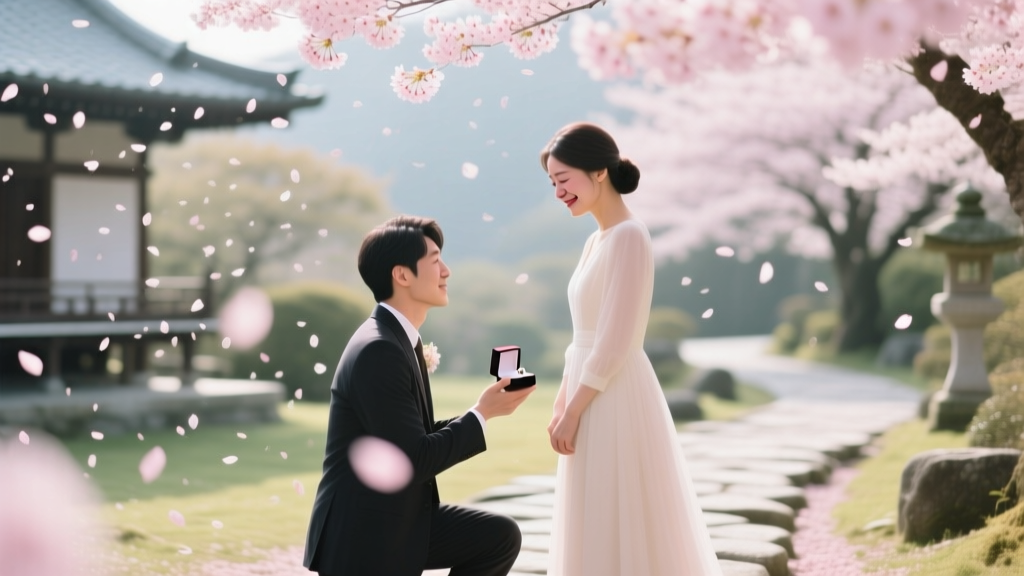 Proposal During a Cherry Blossom Petal Shower
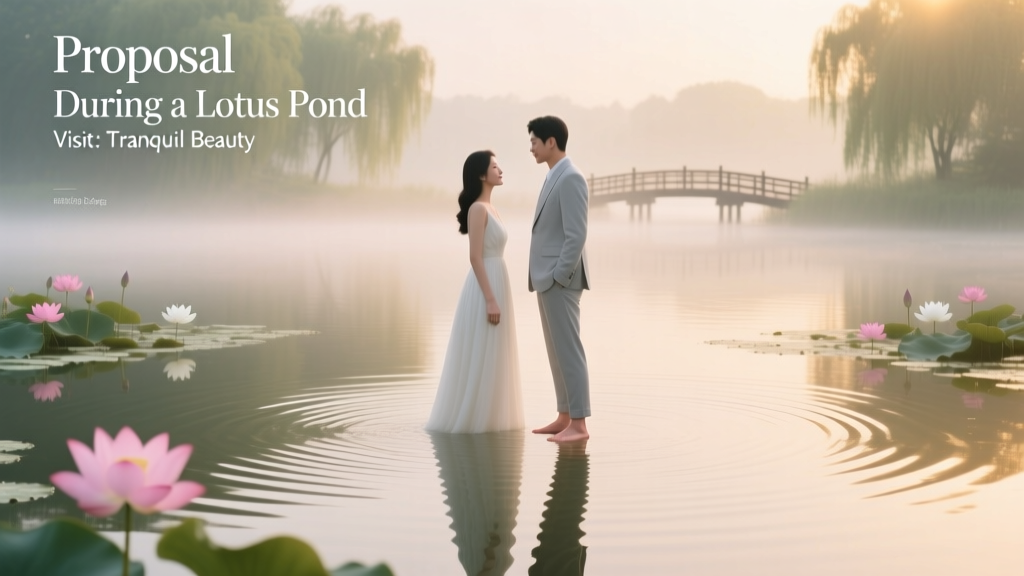 Proposal During a Lotus Pond Visit Tranquil Beauty
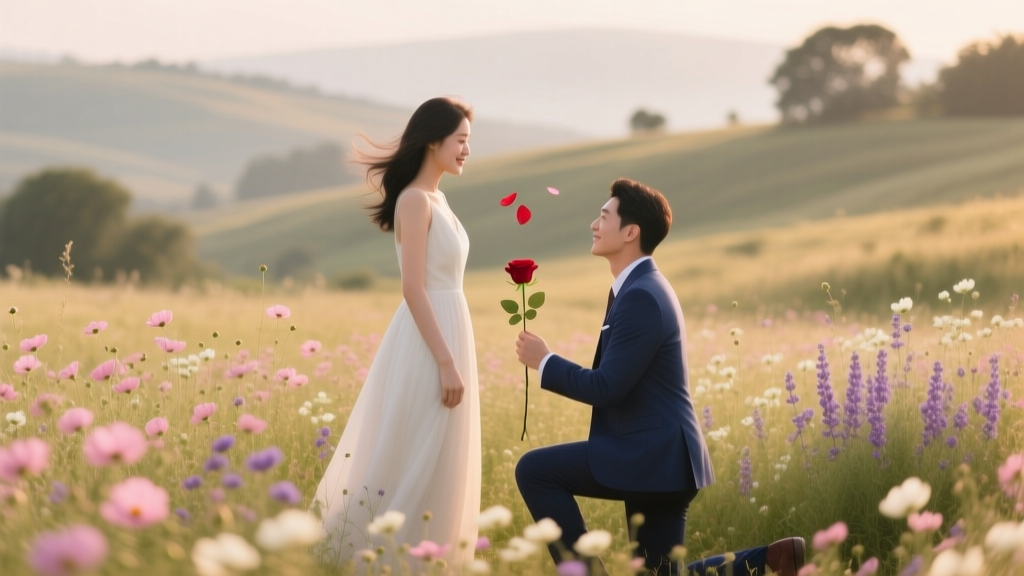 Proposal at a Wildflower Meadow Natural Splendor