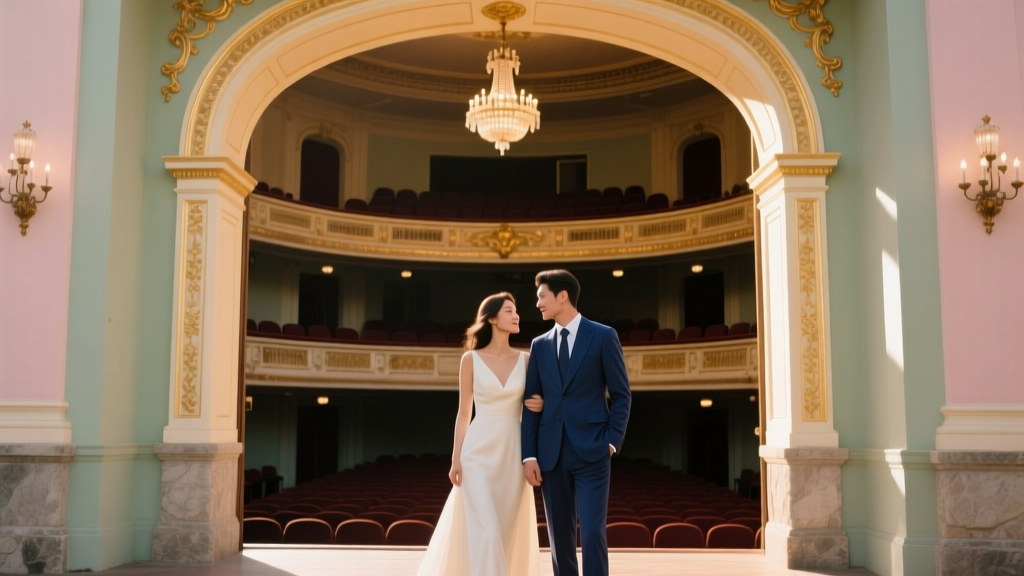
How to Plan a Proposal at a Historic Theater
There’s something about a historic theater that makes your heart feel like it’s already in a love story. The velvet seats. The gold-leaf details. The faint hush before the curtain rises. If you’ve been searching for a proposal idea that feels both grand and deeply personal, a theater proposal can be the kind of moment you’ll replay for the rest of your lives—like your favorite scene, only it’s real.
Historic theaters were built for emotion: laughter, tears, applause, goosebumps. That’s why they make such a powerful setting for an engagement. You don’t need fireworks or a viral stunt. With the right plan, a thoughtful ring moment, and a little backstage coordination, you can create a proposal that feels cinematic without feeling staged.
Here’s how to plan it in a way that’s romantic, practical, and true to your relationship—whether your partner loves the spotlight or prefers a quiet “just us” moment in the balcony.
Why a Historic Theater Makes a Perfect Proposal Location
Proposal trends come and go—flash mobs, destination engagements, elaborate scavenger hunts—but timeless romance always wins. A historic theater hits that sweet spot between current engagement trends (experiences over things, intentional moments, aesthetic settings) and classic gestures (a meaningful venue, a well-timed speech, a big question asked with your whole heart).
- Built-in atmosphere: Gorgeous architecture and moody lighting do half the work.
- Sound and stagecraft: Microphones, spotlights, marquees, and screens can turn your proposal into a moment.
- A story you can revisit: You can return for anniversaries, shows, and “remember when” dates.
Step-by-Step: Planning Your Historic Theater Proposal
1) Choose the right theater (and the right vibe)
Start with what your partner would actually enjoy. Are they the type who’d love a surprise on stage with an audience cheering—or would that feel like their personal nightmare?
Two paths that work beautifully:
- Private and intimate: A proposal in a balcony box, an empty auditorium during a venue tour, or a quiet moment by the stage door.
- Public and celebratory: A pre-show announcement, a surprise on stage after a performance, or a marquee message outside.
Real scenario: One couple planned a Saturday night show date at an art-deco theater. The proposer requested two seats on the aisle near the front. After the curtain call, the stage manager invited them to “meet the cast.” Instead, they walked onto the stage to a single spotlight and a simple question—no speech over the loudspeaker, just a private moment in a dramatic setting.
2) Contact the venue early and ask for their proposal options
Historic theaters are often run by experienced teams who’ve helped with engagement proposals before. Email or call and ask:
- Do you allow proposals in the auditorium or on stage?
- Can we access the venue early for setup?
- Are there restrictions on photography, candles, confetti, or signage?
- Who will be my main point of contact (house manager, events coordinator, stage manager)?
- What’s the backup plan if there’s a delay, rehearsal, or schedule change?
Pro tip: Mention that you’re planning a “surprise engagement proposal” and ask what time is least disruptive. Many venues can offer off-hours access for a fee, which is often worth it for privacy and smoother logistics.
3) Pick your moment: before the show, intermission, after the show, or a private tour
Timing shapes the whole emotional arc.
- Before the show: High energy, lots of anticipation. Great if you want to celebrate afterward without waiting.
- Intermission: Romantic but risky—crowds, time pressure, and nerves.
- After the show: Everyone’s already feeling something, the building is glowing, and you can move into a quieter space.
- Private tour/daytime: Low stress, ideal for introverts, easy to control sound/lighting/photos.
Authentic example: A partner who hates attention was proposed to during a daytime “architecture tour.” At the end, the coordinator led them to the balcony, played their song softly over the house speakers, and the proposer asked the question with the empty theater below—grand setting, intimate experience.
4) Build the proposal around a meaningful detail
The best engagement stories aren’t the most expensive—they’re the most specific. Use the theater setting to tell your story.
- Playbill love letter: Design a custom “program” with your relationship highlights and a final page that reads, “Will you marry me?”
- Marquee message: Keep it simple and sweet: “NAME, WILL YOU MARRY ME?” or “OUR NEXT ACT?”
- Spotlight moment: Ask the lighting tech for a single spotlight cue when you reach the stage or aisle.
- Movie-trailer tribute: Create a 30-second “preview” slideshow to play on the screen before a private screening.
- Ticket stub nostalgia: Re-create your first date tickets and tuck the ring box in a velvet pouch with the date printed on it.
Trend-friendly idea: Many couples are leaning into “editorial” engagement moments—fewer props, more atmosphere. A theater already looks styled, so you can keep it elegant: a bouquet, a handwritten note, and a photographer capturing the natural glow.
5) Plan the photos (without making it feel like a production)
You’ll want photos, but you also want to stay present. Historic theaters can be dim, so talk to your photographer about low-light settings and where they can stand discreetly.
- Ask the venue where photography is allowed.
- Choose 1–2 “photo spots” (balcony rail, stage center, marquee outside).
- If your partner would feel awkward, do a brief proposal moment first, then a quick 10-minute photo session after.
Quick tip: If a photographer feels too obvious, ask a friend to be nearby “taking building photos,” or arrange a venue staff member to capture the moment from a distance.
Creative Proposal Ideas That Work Especially Well in Historic Theaters
The “Encore” Proposal
After a show, coordinate with the house manager to let you step into an empty aisle while the last audience members leave. You turn to your partner and say something like, “I don’t want the night to end like this.” Then you ask. It feels spontaneous and intimate, but it’s actually well-timed.
The Balcony Box Proposal (Quiet, Dramatic, Perfect)
Reserve a box if the theater has them. Bring a small note or vow and read it softly. This is a great engagement proposal idea if your partner loves romance but not crowds.
The Backstage Surprise
If your partner loves theater culture, ask for a backstage tour after the show. Propose by the costume racks, near the prop table, or in the wings where performers wait. It’s cozy, authentic, and full of heart.
Practical Tips for Execution (Timing, Logistics, and Backup Plans)
- Do a walk-through: If possible, visit the theater in advance. Know where you’ll stand, where the photographer will be, and where you’ll go afterward.
- Keep the ring secure: Use a slim ring box or a secure pocket. Avoid loose jacket pockets if you’ll be hugging and moving around.
- Have a clear signal: If staff is involved, agree on a simple cue (a text like “We’re in our seats” or “Heading to the balcony now”).
- Build a Plan B: If the stage access falls through, pivot to the marquee, lobby staircase, or balcony rail—still beautiful, less complicated.
- Plan the “after”: Have reservations nearby or a celebratory drink spot picked out. A proposal is a peak moment; you’ll want somewhere to land and breathe.
Personalization: Make It Feel Like Yours
Romantic gestures don’t need to be loud to be unforgettable. The best proposals are the ones where your partner feels seen.
- If they love vintage details, include a small cameo: a classic bouquet, a handwritten letter, a tiny locket with a photo.
- If they’re sentimental, reference a specific memory: “This feels like the opening night of our forever.”
- If they’re playful, keep it light: “I promise to always share the armrest—will you marry me?”
Common Mistakes to Avoid (During the Proposal and Early Engagement)
- Forgetting your partner’s comfort level: A public proposal can be beautiful, but pressure isn’t romantic. Choose a format that fits them.
- Overplanning the script: Know your key lines, but don’t memorize a speech like a monologue. Speak like you.
- Ignoring venue rules: Confetti, candles, and drones often aren’t allowed. Ask first to avoid awkward interruptions.
- Not accounting for timing: Intermission goes fast. Post-show staff may be on a strict schedule. Get the timeline in writing.
- Sharing the news too quickly: After you get that “yes,” give yourselves a few minutes before calling everyone. Let it sink in.
- Engagement whiplash: In the first week, it’s easy to rush into planning. Enjoy the glow before you open a dozen spreadsheets.
Conclusion: Your Love Story, Center Stage
A historic theater proposal isn’t just about the drama of the setting—it’s about honoring the story you’ve been building together. Whether you choose a private balcony moment, a marquee message that makes your partner laugh-cry, or a soft spotlight on an empty stage, you’re creating a memory that will feel alive every time you walk past a theater door.
Trust your instincts, plan the logistics, and leave room for real emotion. That’s what makes a proposal unforgettable.
If you’re newly engaged or still planning the perfect question, explore more engagement inspiration, proposal ideas, and practical planning guides on weddingsift.com.
More Articles
 How Long Should an Engagement Last?
 Engagement Photo Outfit Ideas for 2026
 How to Plan a Proposal at a Winery or Vineyard
 How to Plan a Proposal at a Rooftop Terrace at Twilight
 Proposal During a Balloon Ride Floating on Love
 How to Plan a Proposal on a Boat or Yacht
 How to Stack Engagement, Wedding & Eternity Rings
 Easy DIY Wedding Ideas on a Budget
 Proposal During a Full Moon Night Luminous Romance
 How to Plan a Proposal at a Tea House