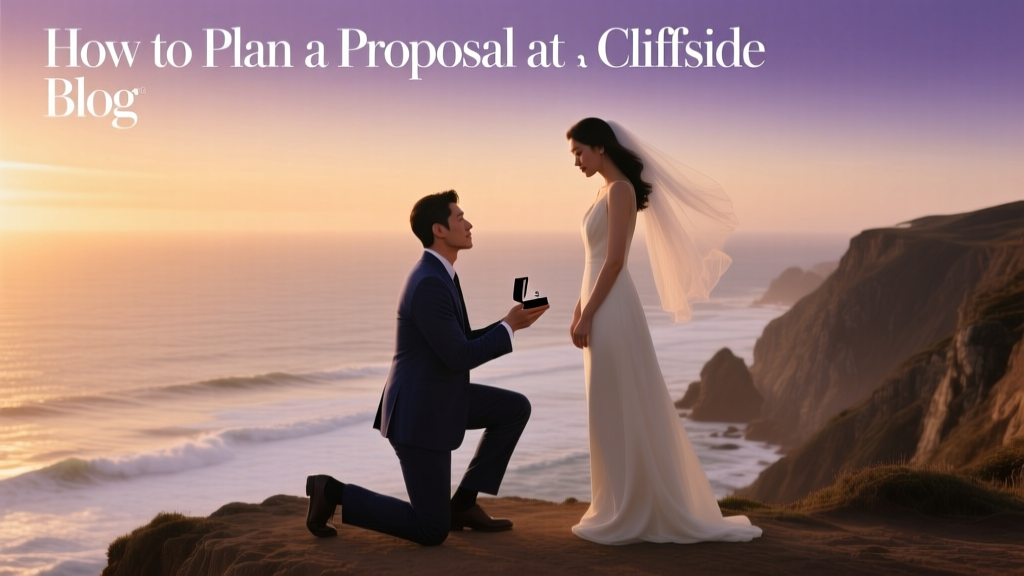
How to Plan a Proposal at a Cliffside Viewpoint
There’s something about a cliffside viewpoint that makes your heart beat a little faster—the wind in your hair, the world stretching wide in every direction, and the feeling that you’ve found a place big enough to hold what you’re about to ask. A cliffside proposal can feel cinematic, yes, but it can also be deeply personal: just you two, the sky, and a moment that changes everything.
If you’re drawn to a dramatic vista, you’re probably the type who loves meaning and mood. You want the kind of engagement story that starts with “We took a hike…” or “We pulled off at this lookout…” and ends with happy tears and a ring that somehow looks even brighter in natural light.
This guide is for making that dream real—romantic and inspiring, but also practical. Because a great proposal isn’t just about the view. It’s about how your partner feels in that moment: safe, seen, and completely loved.
Why a Cliffside Viewpoint Proposal Feels So Powerful
Cliffside viewpoints have built-in symbolism: taking a leap, seeing your future from a new perspective, choosing each other in a place that makes you feel small in the best way. They’re also a major current proposal trend—more couples are leaning into “experience-first” engagements: travel proposals, scenic overlooks, private vows before the official “Will you marry me?” and a celebration afterward.
The timeless part is simple: a heartfelt question, a meaningful ring, and the two of you in a place that feels like yours.
Step-by-Step: Planning Your Cliffside Proposal
Step 1: Pick the Right Kind of Viewpoint (for Your Relationship)
Start with your partner’s personality. A cliffside viewpoint can be anything from a popular scenic overlook with railings and tourists… to a quiet, rugged trail that feels like you’re the only two people on earth.
- If they love privacy: Choose a less-traveled lookout, go on a weekday, or plan for sunrise when the world is quieter.
- If they love community and celebration: A well-known viewpoint can actually be perfect—especially if friends are nearby to cheer (tastefully) or meet you after.
- If they get anxious around heights: Look for a viewpoint with solid barriers, wide platforms, and stable footing. The view can still be jaw-dropping without being edgy.
Authentic scenario: One partner planned a proposal at a famous coastal overlook—then realized their fiancé-to-be hates crowds. They pivoted to a nearby lesser-known trail with a wide, fenced viewpoint. Same ocean, half the people, and the moment felt like it belonged to them.
Step 2: Scout It Like You’re Directing a Movie
Even if you’re not “a planner,” scouting is what turns a good cliffside proposal into a smooth, confident engagement moment.
- Visit at the same time of day you plan to propose—lighting and crowds can change everything.
- Check wind levels. Cliffside wind is romantic until it’s ripping hair, knocking over flowers, or making it hard to hear your words.
- Find the exact spot: a safe place to stand, a backdrop you love, and a location where you can step slightly aside for the knee-down moment without being in anyone’s way.
- Confirm cell service if you’re coordinating with a photographer or friends.
Step 3: Decide on the “Cover Story” (and Keep It Simple)
The best proposal cover stories are true-adjacent: “sunset hike,” “weekend drive,” “let’s take photos,” “we should check out that lookout.” If you suddenly become overly formal or mysterious, your partner will sense something’s up.
Current trend: “Photo walk” proposals. You suggest a mini photoshoot (even with a phone tripod), which naturally positions you for great lighting and a discreet photographer nearby.
Step 4: Plan Your Words and the Moment
Your words don’t have to be perfect. They just have to be you. Think in three beats:
- Ground the moment: “I love our life. I love who we are together.”
- Make it specific: Mention one or two things they do that changed you—how they show up, how they love, what you’ve built.
- Ask: “Will you marry me?”
If you tend to freeze under pressure, write a short note and keep it in your pocket. You can even say, “I wrote something because I didn’t want nerves to steal this moment.” That’s not cheesy—it’s real.
Step 5: Get the Ring Details Right
Cliffside settings require a little extra ring strategy:
- Use a secure ring box that snaps shut, and keep it in a zipped pocket.
- Avoid setting the ring box on ledges, rocks, or railings—even “for a second.”
- If you’re doing a surprise engagement ring, consider ring insurance shortly after purchase (many couples do this now as part of early engagement planning).
Creative Cliffside Proposal Ideas That Still Feel Like You
The “Private Vows, Public Cheers” Plan
You propose at the viewpoint—just the two of you—then you walk back to the car where your closest friends are waiting with champagne, a picnic, or a cozy blanket. It keeps the actual engagement moment intimate while still giving you that celebration energy afterward.
A Trail Map With a Hidden Message
Print a simple trail map and mark a “scenic point” with a note like “This is where I ask you to marry me.” Hand it over when you arrive. It’s playful, personal, and makes for a sweet keepsake.
The “Two Letters” Proposal
Bring two sealed letters: one for them to read first (“What I love about you”), and one for after they say yes (“What I’m excited to build with you”). This is a timeless romantic gesture that feels modern because it’s intimate and story-driven.
Golden Hour Picnic With a Hidden Detail
Pack a picnic, but personalize it: their favorite snacks, a small framed photo from your first trip together, or a playlist that includes “your song.” When they’re relaxed, you propose. The trend here is “experience layering”—small thoughtful touches that make the proposal feel like a love story, not a stunt.
Timing, Location, and Logistics: What to Consider
Choose a Time That Matches the Mood
- Sunrise: quieter, softer light, feels like a secret you share with the day.
- Sunset: classic romance, warm glow, more people (usually).
- Midday: brightest visibility for views, but harsher lighting and crowds can be higher.
Safety Isn’t Optional (It’s Part of the Romance)
A proposal should feel thrilling—not risky. Stay on marked paths, avoid wet or unstable cliff edges, and don’t ask them to close their eyes while walking near a drop. If the viewpoint is windy, stand farther from the edge and angle your body so you’re stable.
Have a Backup Plan That Still Feels Special
Cliffside weather changes fast. Build a “Plan B” that doesn’t feel like a downgrade:
- A nearby covered pavilion or scenic indoor lookout
- A cozy cabin proposal with the view through a window
- A car-trunk picnic with the hatch open, blankets, and music
- A second viewpoint that’s less exposed to wind
Real-world scenario: A couple arrived to thick fog—no view at all. They used their backup: a nearby café with ocean windows. The proposer said, “The view disappeared, but you didn’t.” It became their favorite part of the story.
Personalization Tips That Make It Unforgettable
- Choose a meaningful place: the first trip you took together, a lookout you talked about visiting, or a location tied to family history.
- Bring a small keepsake: a note, a photo strip, a charm, or a simple engraved item with the date.
- Include a post-proposal plan: dinner reservations, a surprise stay, or calling parents together—this makes the engagement feel held, not rushed.
- Think comfort: layers for wind, shoes that won’t slip, water and snacks. Romance is easier when no one is cold and hungry.
Common Mistakes to Avoid (During the Proposal and Early Engagement)
- Forcing the exact moment: If the viewpoint is packed or the wind is roaring, wait five minutes or pivot to your backup. The “perfect” moment is the one where you both feel present.
- Overcomplicating the plan: Too many moving parts can make you stressed and distracted. A proposal is not a performance—it’s a promise.
- Ignoring your partner’s comfort: If they dislike heights, crowds, hiking, or surprises, adjust. The best engagement stories are the ones where the partner feels truly known.
- Not thinking through photos: If photos matter to either of you, plan it. Even setting up a phone tripod for a few “scenic” shots can capture the proposal naturally.
- Rushing early engagement decisions: Right after “yes,” people often feel pressure to announce, set dates, or start planning immediately. Take a breath. Celebrate first. Let the news unfold in a way that feels good.
Conclusion: The View Is Beautiful—But the Real Moment Is You Two
A cliffside viewpoint proposal has all the ingredients for an unforgettable engagement: a breathtaking setting, a sense of adventure, and the kind of quiet awe that makes promises feel bigger. But what makes it truly perfect is the care you put into the experience—choosing a location that fits your relationship, planning for safety and weather, and speaking from the heart.
When you ask the question, the scenery will fade for a second and it’ll be just their face, your voice, and that feeling of “We’re really doing this.” Then the world will rush back in—brighter, wider, and suddenly full of plans.
When you’re ready for more proposal ideas, engagement planning tips, and sweet ways to celebrate this chapter, explore more engagement content on weddingsift.com.
More Articles
 Proposal During a Hot Air Balloon Festival
 Ski Lift Proposal High Altitude Romance
 Smartwatches vs Fitness Trackers: A Clear, Data-Driven Comparison for Beginners
 How to Plan a Proposal at a Rooftop Under the Stars
 Compared Alternatives to Ruby: Performance, Ecosystem, and Real-World Adoption in 2024
 Proposal at a Hidden Valley Secluded Paradise
 Proposal at the First Date Restaurant Full Circle
 How to Plan a Proposal at a Rooftop Infinity Pool
 Engagement Photo Session: Planning Guide
 10 Quiet Proposal Ideas for Private, Intimate Moments