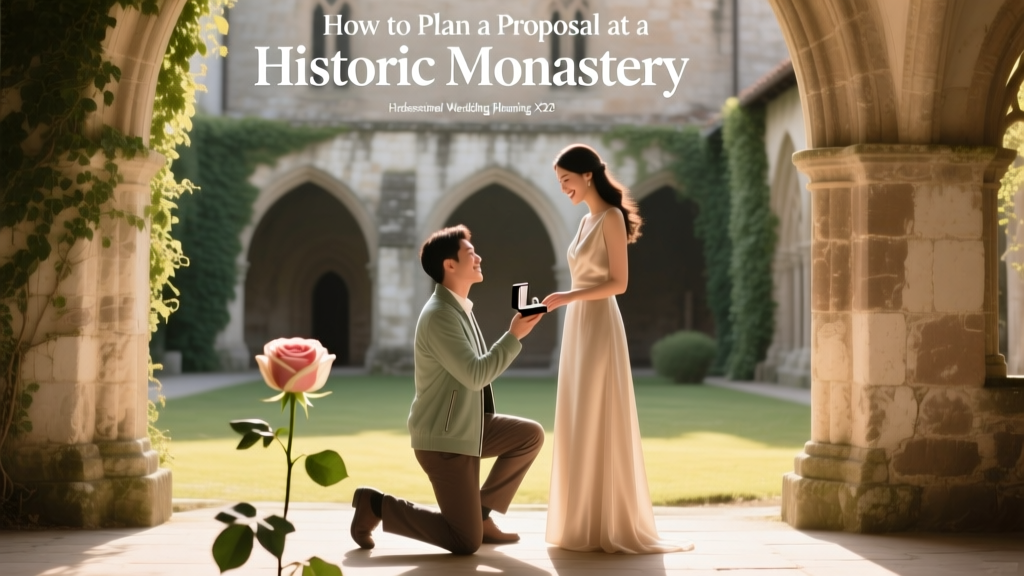
How to Plan a Proposal at a Historic Monastery
There’s something about a historic monastery that makes your heart slow down in the best way. The hush of old stone corridors, the glow of candlelight, the scent of gardens that have been cared for for centuries—everything feels intentional. If you’re dreaming of a proposal that’s romantic, meaningful, and quietly breathtaking, a monastery proposal can feel like you’re stepping into your own love story.
Monasteries also have a way of holding emotion without demanding attention. You don’t need fireworks or a flash mob to make it special (though we’ll talk trends in a minute). The setting does the heavy lifting—so your words, your commitment, and that moment when you ask “Will you marry me?” can land with real weight.
Whether you’re planning a surprise engagement or you’ve already talked about marriage and want a beautiful, unforgettable proposal idea, here’s how to plan a proposal at a historic monastery—practical steps, creative inspiration, and the kind of real-world advice you’ll be grateful for on the day.
Why a Historic Monastery Makes a Powerful Proposal Location
A monastery proposal is timeless because it blends beauty and meaning. It’s not just a pretty backdrop; it’s a place built for reflection, vows, and devotion. Many couples are leaning into “experience-first” engagements right now—think meaningful locations, private moments, and a mini getaway feel rather than a staged spectacle. A historic monastery fits that trend perfectly.
- Atmosphere: Cloisters, archways, stone courtyards, frescoes, quiet chapels.
- Built-in symbolism: Commitment, intention, legacy, and the feeling of choosing something lasting.
- Natural privacy: Many monasteries have secluded gardens and peaceful paths ideal for an intimate engagement moment.
Step-by-Step: Planning Your Monastery Proposal
1) Choose the Right Monastery (and the Right Vibe)
Start by deciding what kind of proposal moment you want: private and quiet, or shared with a few loved ones. Some monasteries function as active religious sites, others are museums, ruins, hotels, or event venues. Your options will shape the tone and the logistics.
Practical checklist:
- Accessibility: Parking, walking distance, stairs, uneven stone paths.
- Rules and etiquette: Photography permits, quiet zones, dress code, no-go areas.
- Best proposal spots: Courtyard at golden hour, cloister walkway, garden overlook, bell tower view (if open).
- Crowds: Tour schedules, school groups, weekends vs. weekdays.
Authentic scenario: You find a monastery that offers afternoon guided tours. Instead of proposing mid-tour, you plan to “linger” after the group moves on, leading your partner to a small herb garden courtyard you scoped earlier—quiet, sunlit, and away from foot traffic.
2) Contact the Site Early and Ask the Right Questions
Even if you’re aiming for a simple engagement proposal, a quick call or email can save you from awkward surprises. Ask if proposals are allowed, whether you can reserve a small area, and what photography rules apply.
- Can we bring a photographer? If yes, does the photographer need a permit?
- Are there quiet hours or times to avoid ceremonies?
- Is there a private garden, courtyard, or room that can be reserved?
- What’s the weather backup plan if outdoor areas close?
Many venues appreciate honesty. You don’t need to overshare—just say you’re planning a marriage proposal and want to be respectful.
3) Build a Simple Timeline That Feels Natural
The best proposals don’t feel like a performance. They feel like a moment that was always meant to happen.
Sample timeline (classic and smooth):
- Late afternoon: Arrive for a tour or a casual visit.
- Golden hour: Suggest a walk through the cloister or gardens “before we go.”
- The moment: Pause at a pre-chosen spot with great light and privacy.
- After: Celebrate with a planned dinner reservation or a nearby hotel stay.
Trend-friendly twist: Many couples are doing “proposal weekends” now—one day for the proposal, one day for a mini engagement photoshoot, and one day to call family and friends without feeling rushed. A monastery visit pairs beautifully with that slower pace.
Creative Proposal Ideas That Suit a Monastery Setting
A Private Vow-Style Proposal (Modern Trend, Timeless Feeling)
Instead of a long speech, write a short vow—five or six lines that feel like you. In a monastery courtyard, words land differently. Keep it personal: a promise, a memory, and a clear ask.
Example structure: “I love who I am with you… I choose you in the ordinary days… I want a life that feels like home… Will you marry me?”
The “Hidden Letter” Walk
Bring a small envelope with a letter and tell your partner you found a quiet spot to read something you wrote. Hand it over, let them read, then get down on one knee. It feels intimate and cinematic without being loud.
A Subtle Photo Setup (So You Actually Have Pictures)
If you want engagement photos but don’t want to tip them off, hire a photographer as a “travel photographer” or “site photographer” who blends in. Another trend: couples love candid-style proposal photography—real reactions, not staged poses.
Execution tip: Share one clear identifying detail with the photographer (what you’ll be wearing, where you’ll stand, and a signal like touching your watch) so they don’t miss it.
Incorporate a Meaningful Object, Not a Big Production
Monasteries already bring drama and romance—keep your add-ons intentional:
- A small family heirloom tucked into a ring box
- A pressed flower from a trip you took together
- A tiny ribbon on the ring box in your wedding colors
- A playlist for the drive there with “your” songs
Personalization Tips That Make It Feel Like You Two
- Choose a detail that matches your relationship: If you love books, pick a monastery with a historic library exhibit. If you love hiking, choose one with hillside views.
- Anchor the moment to a shared memory: “This place reminds me of that quiet morning in Lisbon when we talked about the future…”
- Think about how your partner receives love: If they’re private, keep it just you two. If they love community, plan a small celebration afterward.
Real-world scenario: Your partner values family deeply but hates public attention. You propose privately in the monastery garden, then meet both sets of parents for dessert nearby—simple, thoughtful, and completely aligned with who they are.
Things to Consider: Timing, Logistics, and Backup Plans
Best Time of Day
- Golden hour: Warm light on stone, fewer crowds, best for photos.
- Early morning: Quiet and peaceful, but check opening times.
- Weekdays: Less busy, easier to find private corners.
Weather and Plan B
If your ideal spot is outdoors, plan a backup indoor location: an arched hallway, a covered cloister, or a quiet room permitted for visitors. If the site closes due to weather, have a nearby alternative—an old stone bridge, a cathedral square, or a cozy restaurant where you can still propose.
Ring Safety and Comfort
- Use a secure ring box that won’t slip out of a pocket.
- Avoid placing the ring on ledges, fountains, or near drains.
- If you’re traveling, consider ring insurance and keep it in your carry-on.
Respect the Space
Monasteries can be sacred spaces. Keep voices low, avoid blocking pathways, and follow any guidelines. A respectful proposal is more romantic than any elaborate setup.
Common Proposal (and Early Engagement) Mistakes to Avoid
- Over-planning the “perfect” moment: If you’re tense, your partner will feel it. Plan the essentials, then stay present.
- Choosing a location that doesn’t fit your partner: A monastery is stunning, but if they’re uncomfortable in quiet religious spaces, pick a historic estate or garden instead.
- Forgetting the after-plan: Even a simple reservation or a champagne toast back at your hotel helps the engagement feel celebrated.
- Not considering crowds: A gorgeous courtyard can fill up fast. Scout a second spot on-site.
- Sharing the news in a stressful rush: Build in time to breathe before calling family and friends. Your engagement deserves a calm, happy first hour.
Closing Thoughts: A Proposal That Feels Like a Beginning
A historic monastery proposal isn’t about making a big scene—it’s about creating a moment that feels grounded, beautiful, and true. When you choose a place with history in its walls and peace in its corners, your engagement story gains a kind of quiet magic. The ring matters, the photos matter, the plan matters—but the way you look at each other afterward, knowing your lives just changed, matters most.
Trust your instincts, keep it personal, and give yourselves room to soak it in. And when you’re ready for more proposal ideas, engagement planning tips, and heartfelt inspiration, explore more engagement content on weddingsift.com.
More Articles
 How to Plan a Proposal at a Rooftop Glass House
 How to Plan a Proposal at a Vineyard at Sunset
 What to Do If You Drop the Ring During the Proposal
 Engagement Photo Outfit Tips: Look Your Best
 Creative Ways to Pop the Question Without a Ring
 Engagement Ring vs Wedding Band: What to Know (2026)
 Proposal at a Moonlit Forest Path Enchanted Walk
 Outdoor Proposal Ideas That Feel Natural
 Proposal During a Sunrise Fresh New Beginning
 Train Journey Proposal Scenic and Romantic