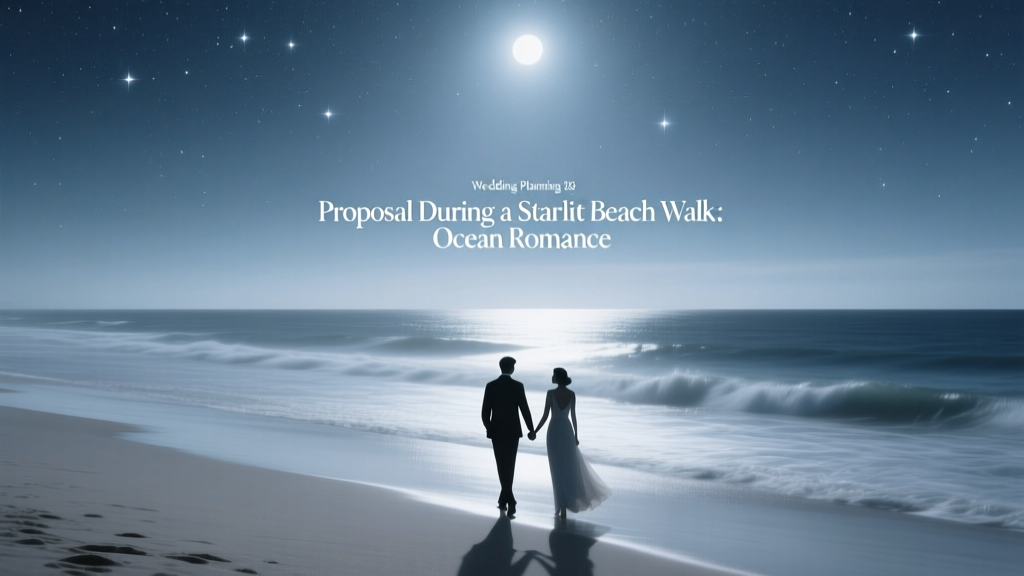
Proposal During a Starlit Beach Walk Ocean Romance
There’s something about the ocean at night that makes every feeling louder—in the best way. The day winds down, the air turns soft, and the shoreline becomes your own private aisle. A starlit beach walk proposal is romantic in that effortless, cinematic way… but it can also be surprisingly practical. No reservations to juggle, no crowded tables, no one shushing your nerves. Just you, your person, and the steady rhythm of waves that somehow makes the moment feel both calm and monumental.
If you’re planning a beach proposal (or you’ve just gotten engaged and want your story to feel as special as it was), this kind of setting is a gift. It’s timeless—like handwritten vows and happy tears—but it also fits current proposal trends: intimate experiences, thoughtful personalization, and meaningful photos that don’t look staged. The secret is planning enough that it feels seamless, while leaving room for the real, unscripted magic.
Here’s how to create a starlit beach proposal that feels natural, heartfelt, and memorable—from the first step onto the sand to the “we’re engaged!” glow afterward.
Why a Starlit Beach Walk Proposal Works So Well
Beach proposals are popular for a reason: they combine natural beauty with a sense of escape. At night, the beach becomes even more intimate. You’re not competing with bright sun, busy crowds, or the pressure to “perform.” Instead, it feels like a shared secret.
- Built-in romance: Waves, moonlight, and open sky do half the work.
- Low-pressure vibe: A walk feels natural, even if your partner suspects something.
- Great for personalization: You can keep it simple or layer in details (music, notes, keepsakes).
- Aligned with modern trends: Experience-first proposals and candid photography are everywhere right now—and the beach at night delivers both.
Step-by-Step Plan for a Starlit Ocean Proposal
1) Choose the Right Beach (Privacy Beats “Famous”)
When you picture your ideal proposal setting, you might think of a well-known beach. But for a starlit proposal, quieter usually wins. Look for:
- A beach with easy night access (legal parking, open hours, safe paths).
- Low light pollution if you want true stars (check a light pollution map if you’re extra like that—in a good way).
- Natural landmarks like dunes, a jetty, tide pools, or a gentle curve in the shore that feels private.
Real scenario: One couple chose a popular boardwalk beach and realized the nighttime crowd never really thinned. They pivoted to a smaller beach ten minutes away with a short trail to the sand—still beautiful, instantly calmer, and the proposal felt like it belonged to them.
2) Pick a Timing Window (Not Just a Date)
Timing is everything, especially near the ocean.
- Tide: Check tide charts. High tide can shrink your walking space and limit privacy.
- Moon phase: A bright moon adds glow (great for photos), while a darker sky shows more stars (great for stargazing).
- Weather: Wind can be romantic… until it blows hair into faces and knocks over candles.
A good rule: plan a 60–90 minute window that ends at your ideal “proposal spot” time. That way you’re not rushing, and you can adjust if the beach is busier than expected.
3) Decide Your Proposal Style: Simple, Styled, or Story-Driven
There’s no “correct” way to propose. Choose what matches your relationship.
- Simple: A walk, a pause, a heartfelt speech, and the ring. Clean, intimate, powerful.
- Styled: Add a blanket, lanterns, a small picnic, or a hidden “Will you marry me?” moment.
- Story-driven: Build a mini journey—like reading notes at different points of the walk that lead to the final question.
Authentic example: If you’re the kind of couple who saves movie tickets and writes in birthday cards, a note-led beach walk is perfect. If you’re both more “keep it real,” a simple pause under the stars with honest words will land harder than any elaborate setup.
4) Plan the Exact Moment (Yes, Really)
On the beach at night, your partner might not see the moment coming—even if they suspect a proposal is coming eventually. Think through:
- Where you’ll stop: Near the waterline? By dunes? Under a darker patch of sky?
- How you’ll transition: “Can we stop for a second?” or “Look at the sky right there.”
- What you’ll say: Not a speech you have to memorize—just a few true lines you can deliver even with shaky hands.
Try a simple structure: what you love → what you’re promising → the question.
Creative, Personal Touches That Feel Natural
Lanterns Instead of Candles
Candles are pretty but fussy in wind. Battery lanterns or warm LED tea lights inside glass jars look romantic and behave better. A small cluster can mark your proposal spot without screaming “photoshoot.”
A Pocket Playlist (One Earbud Each)
If you want music without speakers (and without bothering anyone), share one earbud each. Choose 2–3 meaningful songs: one for walking, one for the pause, one for the “after.”
A “Future Letter”
Write a short letter that starts with: “When you read this, we’ll be engaged.” Hand it to them right after they say yes. It becomes an instant keepsake—timeless, personal, and very on-trend with couples who want meaningful mementos.
Hidden Photographer—But Make It Subtle
Proposal photography is a major trend, and for good reason. If you want it, hire someone experienced with low light. Have them pose as a nightscape photographer or “just taking beach photos.” Share a reference photo of the exact spot in daylight so they can plan angles.
Real-World Execution Tips (Because Sand Has Opinions)
- Ring safety: Keep the ring in a secure box. Consider a slim ring box that fits in a zipped pocket. Avoid placing it on a blanket “for a photo.” Sand is fast.
- Clothing: Bring a light layer. Night beach air turns cool quickly, and shivering isn’t the vibe.
- Footwear plan: Walk in sandals, propose barefoot if you want, but stash a pair for the walk back if the sand is cold or the path is rough.
- Lighting: A tiny flashlight or phone light helps you navigate without killing the mood. Keep it tucked away until you need it.
- Post-proposal plan: Decide what happens next—late dinner, a nearby hotel, or a cozy toast at home. Your partner will ask, “What now?” even if just with their eyes.
Things to Consider: Timing, Location, Personalization, Backup Plans
Timing
If your partner loves quiet, go later. If safety or access is a concern, choose early evening when there are still people nearby but the sky is dark enough for stars.
Location
Know the rules: some beaches don’t allow glass, alcohol, or certain setups. If you’re planning décor, keep it minimal and easy to remove. Leave no trace—romance is better when it’s respectful.
Personalization
The best engagement stories aren’t the flashiest; they’re the most “them.” Use details your partner will recognize: a phrase you always say, a shared memory, or a nod to your first trip together.
Backup Plan
Have a Plan B that still feels romantic:
- Wind too strong? Propose near a sheltered dune or overlook.
- Rain? Keep the beach walk earlier, then propose under cover—like a seaside gazebo, your car with a warm playlist, or a hotel balcony facing the ocean.
- Crowded beach? Walk a little farther than you think you need. Ten extra minutes can change everything.
Common Mistakes to Avoid During Proposals and Early Engagement
- Over-scripting: If you’re trying to hit perfect lines, you’ll miss the moment. Speak from the heart; imperfect is memorable.
- Ignoring comfort: Cold, hunger, or sore feet can distract from the engagement. Handle basics first.
- No communication afterward: Right after the “yes,” talk about what you both want next—who to tell first, whether you want a quiet night, and how public you want the news.
- Forgetting the ring fit reality: If you’re unsure of size, plan for resizing. Don’t let that stress steal the joy.
- Early engagement overwhelm: The morning after, you might feel pressure to start planning everything. Give yourselves a few days to celebrate before diving into venues and budgets.
Closing Thoughts: Your Ocean Love Story Starts Here
A starlit beach walk proposal isn’t just a pretty setting—it’s a feeling. It’s choosing a moment that’s big enough for your love, but quiet enough to hear your hearts racing. Whether you go simple with a whispered question at the water’s edge or add thoughtful details like lanterns and a letter, the best proposal is the one that sounds like you two.
Take a breath, trust your plan, and let the ocean do what it does best: make everything feel timeless. And when the ring is on and the happy shock finally turns into that warm, steady joy—soak it in. This is the beginning of a whole new chapter.
If you’re collecting ideas for your engagement, proposal planning, or what comes next, explore more inspiring guides and real-life engagement stories on weddingsift.com.
More Articles
 The Best Safety Question: Why 'What Could Go Wrong?' Outperforms All Others in High-Risk Industries
 Unique Proposal Ideas for the Adventurous Couple
 What to Wear to an Engagement Party (2026)
 Planning a 150 Person Engagement Party
 Proposal Planning Timeline When to Start Preparing
 How to Plan a Proposal at a Rooftop Candlelit Dinner
 How To Repair Size: A Practical, Data-Driven Guide for Apparel Brands and Retailers
 Fall Engagement Photo Outfit Ideas
 How To Repair Romance: Evidence-Based Strategies That Restore Intimacy and Trust
 What to Say During Your Proposal Speech Guide