## The Ring Order Question Every Bride Asks
You've said yes, you're planning the wedding, and suddenly someone asks: *which ring goes on first?* It sounds simple, but this question trips up nearly every bride. Get it wrong on your wedding day and you may feel self-conscious in every photo for years. The good news: there's a clear traditional answer — and a modern one — and both are completely valid.
---
## The Traditional Order: Wedding Band Closest to the Heart
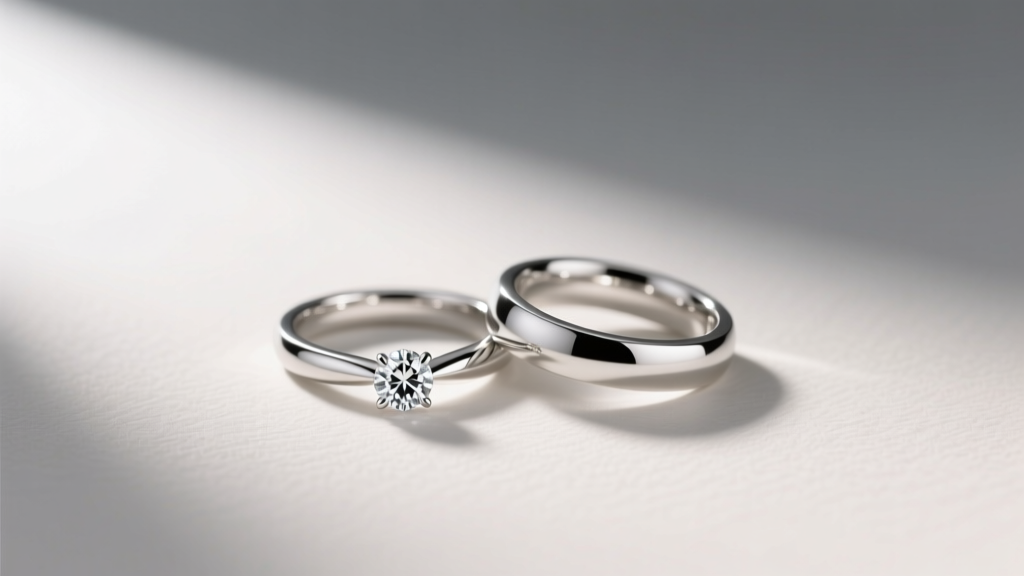
The long-standing Western tradition holds that the **wedding band goes on first**, placed closest to your heart (nearest the base of your finger), with the engagement ring stacked on top.
This custom dates to the belief that the wedding band should sit on the "vena amoris" — the vein of love — thought to run directly from the ring finger to the heart. By placing the wedding band innermost, it symbolizes the unbreakable bond of marriage beneath the promise of the engagement.
**How brides handle this on the wedding day:**
1. The night before (or morning of) the wedding, move your engagement ring to your **right hand**.
2. During the ceremony, your partner places the wedding band on your left ring finger.
3. After the ceremony, slide your engagement ring back on top of the wedding band.
This keeps the ceremony clean and ensures the band lands in its traditional position without fumbling.
---
## The Modern Approach: Engagement Ring First, Band on Top
Many contemporary couples flip the order — wearing the engagement ring closest to the hand and the wedding band on the outside. This is especially common when:
- The engagement ring has a raised setting that makes stacking awkward
- The wedding band is a statement piece meant to be seen
- The couple simply prefers the look
There is **no rule** that says you must follow tradition. What matters is that the rings feel comfortable, look the way you want, and hold meaning for you.
**Practical tip:** Before the wedding, stack both rings in both orders and wear them for a day. Comfort and aesthetics will tell you which arrangement is right for your hand.
---
## Soldered Rings: The Permanent Solution
If you want to settle the debate forever, consider having your jeweler **solder the two rings together**. This is increasingly popular because:
- Eliminates daily repositioning
- Prevents the rings from spinning or separating
- Creates a cohesive, custom look
Soldering typically costs **$45–$100** and takes 1–2 weeks. The only downside: resizing later requires unsoldering, which adds cost. If your ring size is stable, soldering is a smart long-term choice.
---
## Common Myths About Ring Order
**Myth 1: "There's only one correct way to wear them."**
False. While tradition favors the wedding band innermost, there is no universal law — religious, legal, or otherwise — that mandates a specific order. Etiquette guides vary by culture, and many countries have entirely different customs (in some European traditions, the engagement ring is worn on the right hand entirely).
**Myth 2: "Switching the order after the wedding is bad luck."**
Also false. This superstition has no historical basis. Many brides rearrange their rings regularly — for comfort, for cleaning, or simply because they changed their mind about the look. Your marriage is not at risk because of ring placement.
---
## What to Do Next
The answer to *wedding band or engagement ring first* comes down to one thing: **your preference**. Tradition says band innermost; modern style says wear what looks and feels best.
Before your wedding day:
- Stack both rings in both orders and live with each for 24 hours
- Ask your jeweler about soldering if you want a permanent, fuss-free solution
- Brief your partner on the ceremony plan so the ring exchange goes smoothly
Choose the order that makes you smile every time you look at your hand — that's the only rule that matters.
 Vera Wang Engagement Rings: How They’re Designed
 Venues For Beginners: Practical, Budget-Savvy Choices for First-Time Event Planners
 $5,000 Engagement Ring Budget Guide (2026)
 Proposal Planning: 4-Week Timeline
 Match vs. Tested: A Rigorous, Data-Driven Comparison of Two Leading Engagement Platforms
 Budget Wedding Decisions: Value Guide
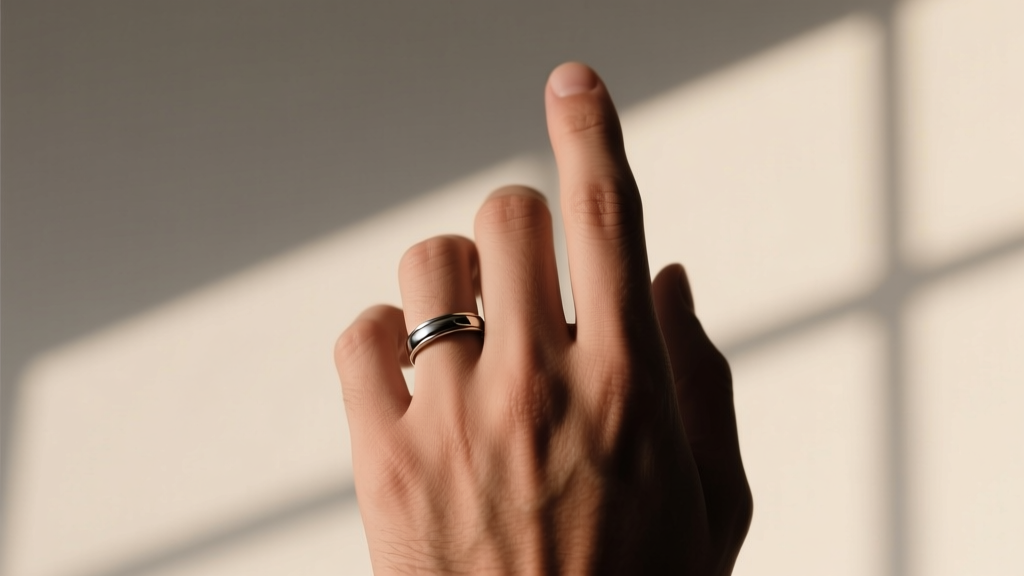 Do Men Wear Wedding Bands When Engaged? (2026)
 How to Plan a Proposal at a Private Island
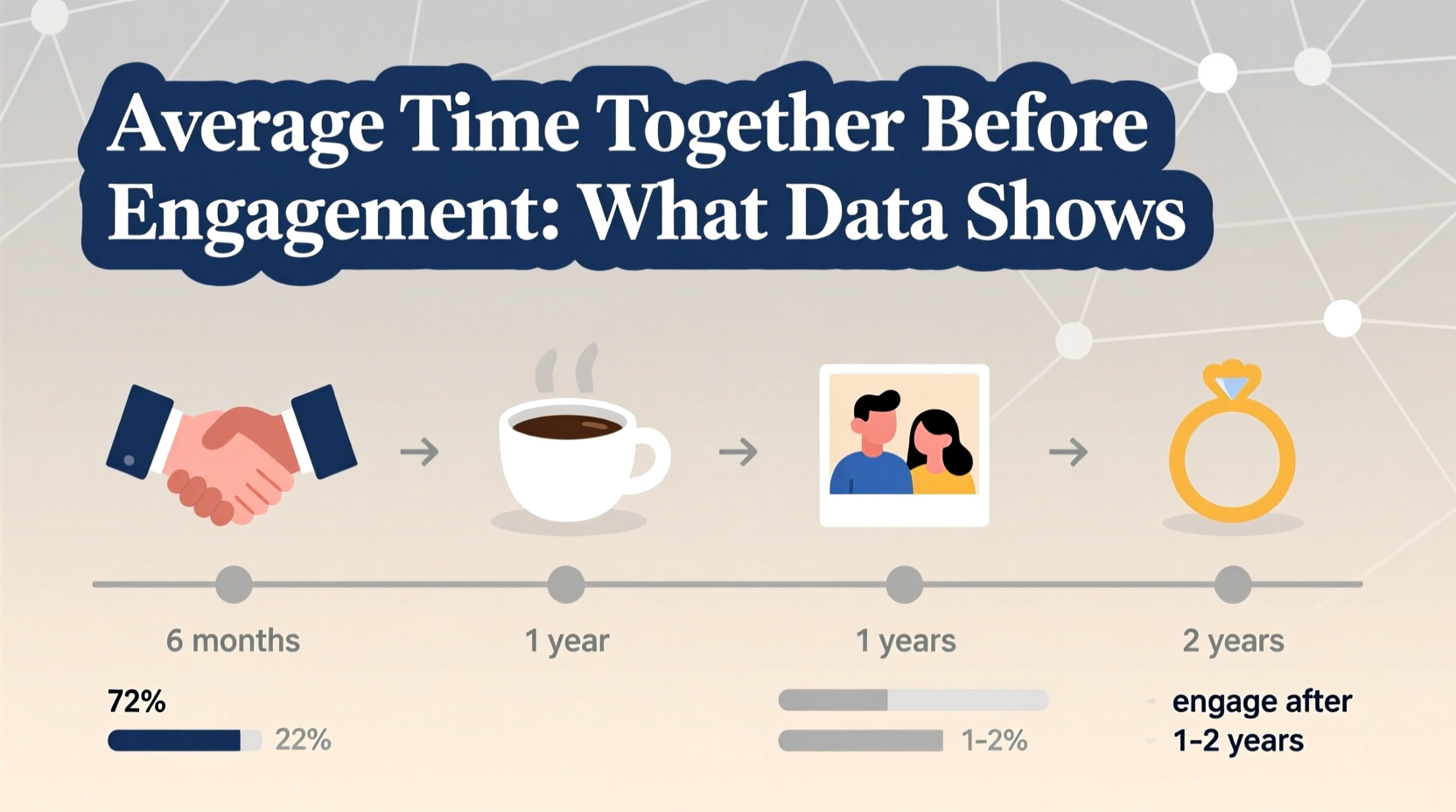 Average Dating Length Before Engagement (2026)
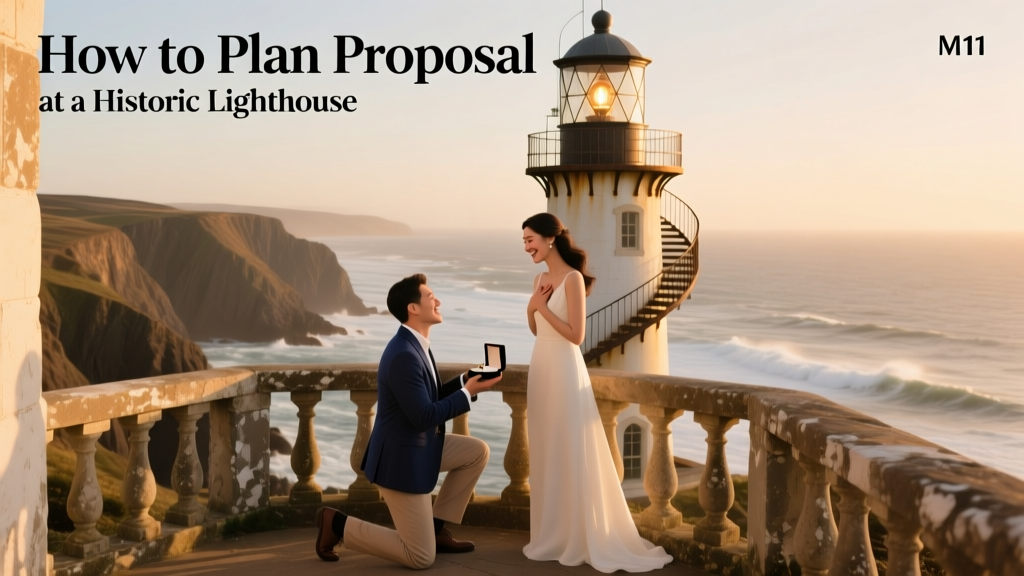 How to Plan a Proposal at a Historic Lighthouse