# Can You Wear a Wedding Ring in an MRI? What You Must Know Before Your Scan
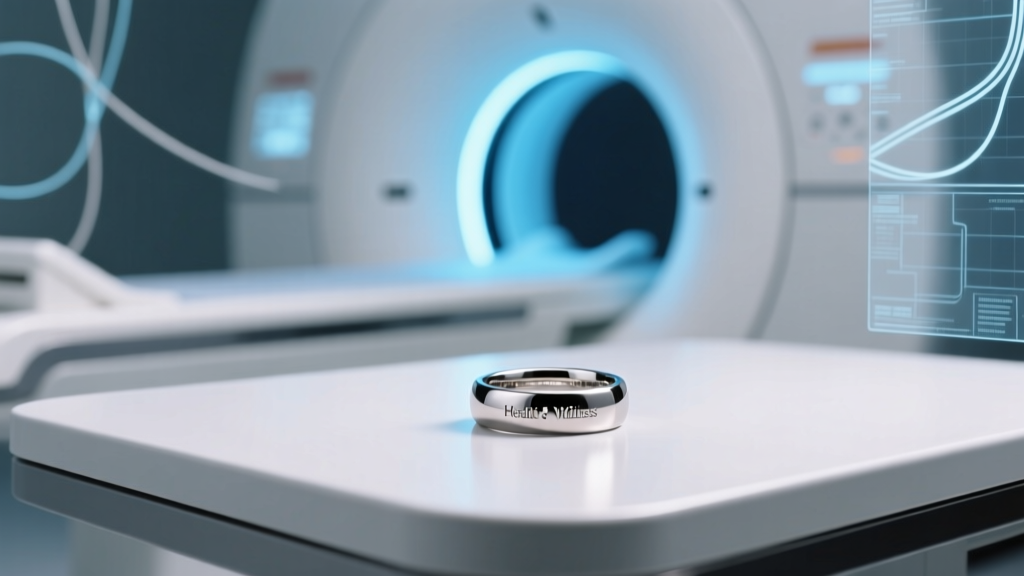
You're scheduled for an MRI and suddenly realize you're wearing your wedding ring. Panic sets in. Do you have to take it off? Will it fly across the room? Could it burn you? These are legitimate concerns — and the answers depend on what your ring is actually made of. Here's everything you need to know before you walk into that scanner.
## Why MRI Machines and Metal Don't Always Mix
MRI (Magnetic Resonance Imaging) machines use an extraordinarily powerful magnetic field — typically 1.5 to 3 Tesla, which is 30,000 to 60,000 times stronger than Earth's magnetic field. This field can interact with metal objects in two dangerous ways:
**Projectile effect:** Ferromagnetic metals (iron, nickel, cobalt) are strongly attracted to the magnet and can become dangerous projectiles. Objects have been pulled from patients' bodies and sent flying across MRI rooms at high speed.
**Heating effect:** Even non-ferromagnetic metals can conduct the radiofrequency energy used during scanning, causing localized heating. This can result in burns, particularly where metal contacts skin.
The MRI technologist will always ask you to remove metal jewelry — and this isn't just protocol. It's a genuine safety requirement backed by decades of incident reports.
## Which Wedding Ring Metals Are Actually Dangerous
Not all metals behave the same in an MRI. Here's a practical breakdown:
**High risk — always remove:**
- **Steel and stainless steel** (common in fashion rings and some men's bands): strongly ferromagnetic, significant projectile and heating risk
- **Cobalt-chrome alloys**: used in some modern men's rings, highly magnetic
- **Nickel alloys**: ferromagnetic, also a common allergen
**Lower risk but still remove:**
- **Gold (10k, 14k, 18k, 24k)**: non-ferromagnetic, but gold alloys often contain other metals. Pure gold is safe; alloyed gold may have trace ferromagnetic content depending on the mix
- **Platinum**: generally non-magnetic and considered MRI-safe, but still generates some heating at high field strengths
- **Titanium**: non-ferromagnetic and widely considered MRI-safe, but can still cause image artifacts near the scan site
- **Silver**: non-ferromagnetic but can heat slightly
**The bottom line:** Even if your ring is technically non-ferromagnetic, most radiologists and MRI technologists will ask you to remove all jewelry as standard practice. Image quality is also affected by metal near the scan area.
## What Happens If You Can't Remove Your Ring
Some rings genuinely cannot be removed — swollen fingers, rings that have been on for decades, or rings that have been sized down over time. If this is your situation:
1. **Tell the technologist immediately.** They need to know before the scan begins, not after.
2. **Identify your ring's metal.** If you have documentation from the jeweler, bring it. Knowing the exact alloy matters.
3. **Ask about MRI-safe tape or padding.** For non-ferromagnetic rings, technologists can sometimes wrap the ring to reduce heating risk and minimize image artifacts.
4. **Consider the scan location.** A ring on your finger poses minimal risk for a brain or chest MRI, but is a significant concern for a hand or wrist scan.
5. **Emergency ring removal:** Hospitals have ring cutters. If your ring cannot come off and poses a genuine risk, cutting it may be the only option. Most jewelers can resize or repair a cut ring.
Never attempt to hide a ring from MRI staff. The consequences — burns, projectile injury, or compromised diagnostic images — are not worth it.
## Common Misconceptions About Wedding Rings and MRI
**Misconception #1: "Gold rings are always safe in an MRI."**
This is partially true but dangerously oversimplified. Pure 24k gold is non-ferromagnetic, but most wedding rings are 10k, 14k, or 18k gold — meaning they contain significant amounts of other metals including copper, zinc, and sometimes nickel. The alloy composition determines the actual risk, not just the gold content. Always disclose your ring's karat and, if possible, its full metal composition.
**Misconception #2: "If I've had MRIs before with my ring on, it must be fine."**
Past experience is not a reliable safety indicator. MRI field strengths vary between machines (1.5T vs. 3T vs. 7T), and higher-field scanners pose greater risks. A ring that caused no issues in a 1.5T scanner could behave differently in a 3T machine. Additionally, heating effects can be cumulative or depend on scan duration and sequence type.
## Conclusion: When in Doubt, Take It Off
The safest answer to "can you wear a wedding ring in an MRI" is simple: remove it if you possibly can. Store it securely with your belongings or leave it at home on scan day. Your ring is replaceable. Burns and injuries are not.
If removal isn't possible, be completely transparent with your MRI technologist. They are trained to assess the risk and find solutions — but only if they know the full picture.
Before your next MRI, check your ring's metal composition with your jeweler and keep that information handy. It's a five-minute task that could make your scan safer and your images clearer.
*Have an upcoming MRI and unsure about your specific ring? Ask your radiologist's office in advance — most are happy to advise based on your ring's exact materials.*
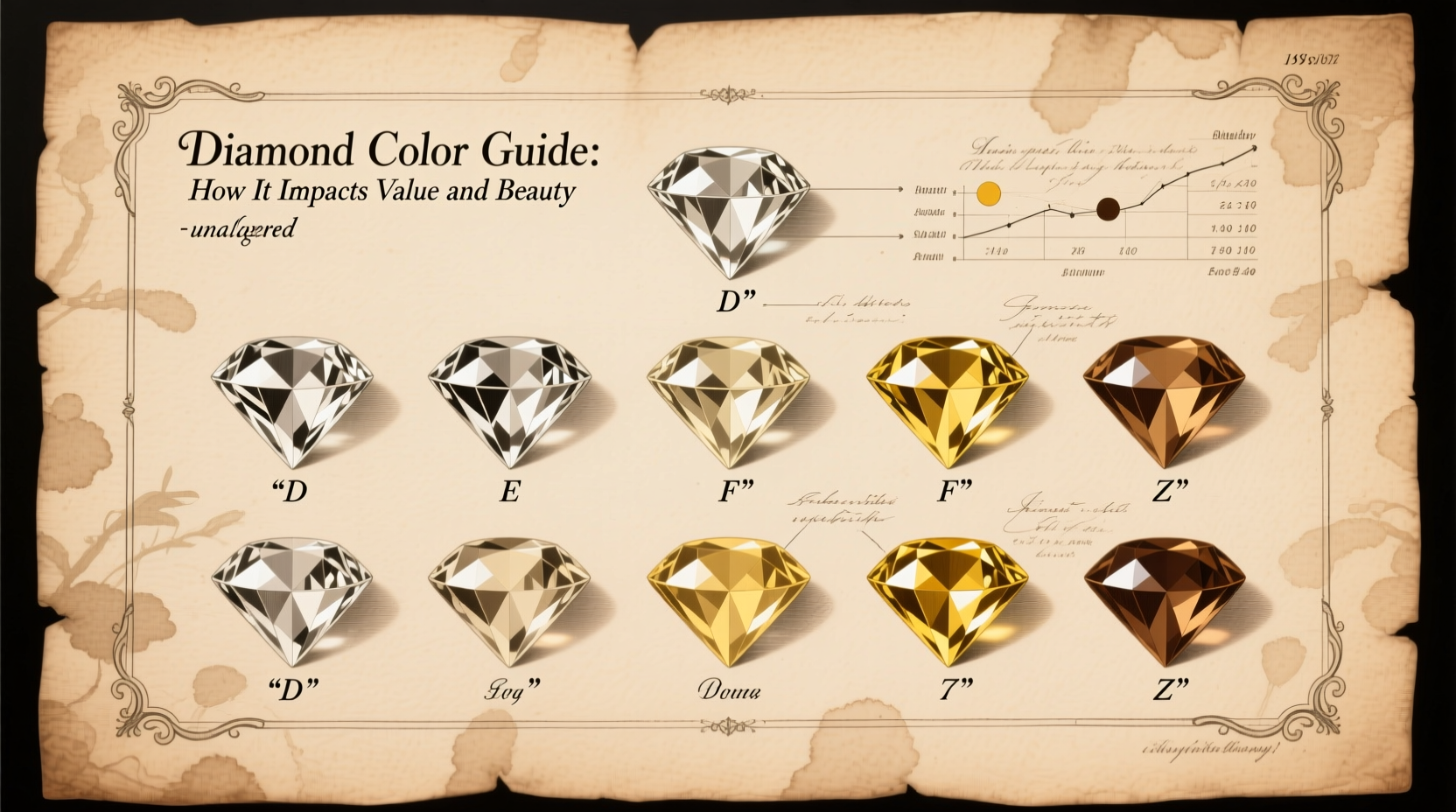 Diamond Color Scale: What G vs I Really Means
 Best Engagement Rings for Custom Jewelry Projects: A Metalsmith’s Practical Guide
 Turquoise Engagement Rings Southwestern Charm
 Wedding Jewelry Timeline: When to Buy Each Piece
 How to Clean Gold Wedding Ring at Home Safely
 Cheap vs Premium Historic Jewelry: Material Integrity, Craftsmanship, and Long-Term Value
 How to Buy a Wedding Ring Online Without Getting Burned
 How to Choose a Wedding Band With a Tungsten Carbide
 Two-Piece Wedding Ring Rules (2026)
 Wedding Ring Fit: Science-Backed Standards for Lifelong Wear