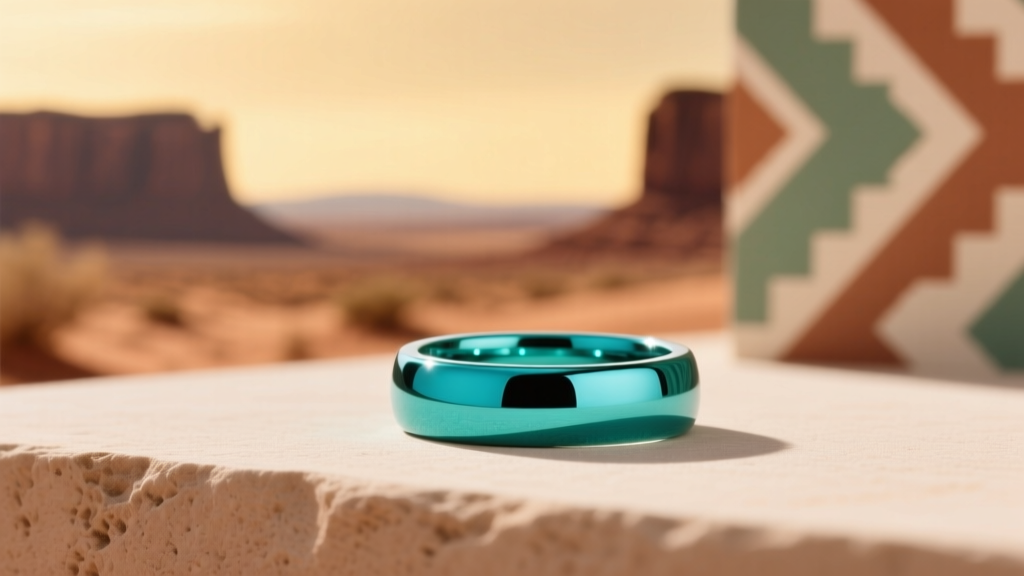
Turquoise Engagement Rings Southwestern Charm
Turquoise engagement rings have a way of stopping people mid-sentence. The color is unmistakable—ranging from clear robin’s-egg blue to deep green-blue with dramatic matrix veining—and the vibe feels both romantic and grounded. For couples drawn to nature, travel, desert landscapes, or meaningful symbolism, a turquoise ring can feel more personal than a traditional diamond solitaire.
That said, turquoise is a different kind of gemstone, and it deserves a different kind of shopping strategy. Durability, sourcing, stabilization, and setting style all matter more than most first-time buyers realize. If you want a ring that looks stunning today and still wears beautifully years from now, it helps to approach turquoise like a jeweler would: understand the material, choose the right metal and setting, and know what quality markers separate heirloom-worthy craftsmanship from fast fashion.
This guide breaks down turquoise engagement ring styles—especially Southwestern and Navajo-inspired looks—along with quality factors, pricing, care, and the most common mistakes couples make when shopping for turquoise wedding jewelry.
Why Turquoise Works for Engagement Rings
Turquoise has been prized for centuries across cultures, and in Southwestern jewelry it carries a strong heritage of artistry. As an engagement stone, it offers three big advantages:
- Distinctive color: Turquoise stands out against both warm and cool metals, and it pairs beautifully with diamonds or white sapphires for sparkle.
- Meaning and symbolism: Many people associate turquoise with protection, harmony, and love—qualities that fit an engagement ring naturally.
- Style flexibility: It can look rustic and bold in a chunky sterling silver setting, or refined and modern in a sleek bezel with 14k gold.
The trade-off is that turquoise is softer than diamonds, sapphires, or moissanite. The right design choices—especially setting type and profile—make all the difference for everyday wear.
Understanding Turquoise: Color, Matrix, and Treatment
Color: From “Sleeping Beauty” Blue to Earthy Green
Color is the first thing you’ll notice and often the biggest driver of price. Highly saturated sky-blue turquoise is frequently the most sought-after, but green-blue stones can be equally beautiful and often feel more “Southwestern.” Uniform color can look clean and contemporary; nuanced color variation can feel organic and one-of-a-kind.
Matrix: The Stone’s Natural Signature
Matrix refers to the veining or webbing running through the turquoise. Some buyers want a pure, solid color; others love the character of spiderweb matrix. Neither is automatically “better,” but matrix should look intentional and attractive rather than muddy or fractured.
Natural vs. Stabilized vs. Reconstituted Turquoise
This is where turquoise shopping becomes more technical:
- Natural turquoise: Untreated or minimally treated stone. It can be rare and more expensive. Some natural turquoise is porous and may shift color with oils and chemicals, so it’s not always the best for daily wear unless the stone is dense and the setting is protective.
- Stabilized turquoise: Turquoise infused with resin to improve durability and reduce porosity. Stabilized stones are common in fine jewelry and can be an excellent choice for engagement rings because they hold up better over time.
- Reconstituted (or compressed) turquoise: Small fragments pressed together with binding agents, sometimes dyed. It can look attractive but is generally lower value and may not wear as well, especially with heavy daily use.
If a listing doesn’t mention treatment, ask. A reputable jeweler will explain whether the turquoise is natural, stabilized, or dyed. For an engagement ring you’ll wear constantly, high-quality stabilized turquoise is often the most practical balance of beauty and longevity.
Popular Southwestern Engagement Ring Styles
1) Turquoise Cabochon Rings (Classic Southwestern)
The most iconic look is a smooth cabochon (domed, not faceted) turquoise set in silver. Cabochons protect the stone better than exposed edges and highlight color and matrix. Expect hand-applied details like rope borders, leaf motifs, and stamped patterns.
2) Bezel-Set Turquoise Engagement Rings (Best for Daily Wear)
A bezel setting wraps metal around the stone’s edge, shielding it from chips. If you love turquoise but want an engagement ring that’s more “wear-it-and-forget-it,” a low-profile bezel is your best friend. This style also looks modern and minimal in 14k gold or platinum.
3) Turquoise and Diamond Accents (Bridal Sparkle, Desert Soul)
Adding diamond side stones or a diamond halo bridges tradition with Southwestern charm. Look for small round brilliant diamonds, baguettes, or even salt-and-pepper diamonds for a more earthy, on-trend look. White sapphire and moissanite are also popular accents for budget-friendly sparkle.
4) Cluster and Multi-Stone Rings (Vintage Western Romance)
Cluster rings with multiple turquoise stones—or turquoise combined with coral, onyx, or mother-of-pearl—have a bold vintage feel. These designs are statement-making, but keep in mind that more stones mean more edges and more potential wear points.
5) Signet and Band-Style Turquoise Rings (Modern Unisex Trend)
One of today’s strongest engagement ring trends is the non-traditional, gender-neutral ring: signets, cigar bands, and low-profile settings with a turquoise inlay or bezel. These styles pair easily with wedding bands and are comfortable for daily life.
Choosing the Right Metal: Silver, Gold, and Beyond
Sterling Silver (The Traditional Choice)
Sterling silver is classic for Southwestern jewelry and complements turquoise beautifully. It’s also more affordable than gold. The downside: silver can tarnish and may scratch more easily. If you like a lived-in look, silver is perfect; if you want low maintenance, consider gold.
Yellow Gold (Warm, Luxe, Timeless)
14k or 18k yellow gold makes turquoise pop and feels elevated while still earthy. 14k gold is usually the better choice for durability. Gold bezels are particularly protective for turquoise cabochons.
White Gold and Platinum (Crisp Contrast)
White metals create a cooler, cleaner contrast. Platinum is the most durable but also the most expensive. If you choose white gold, ask about rhodium plating maintenance over time.
Rose Gold (On-Trend, Romantic)
Rose gold adds a soft blush warmth and is a current favorite for couples who want something modern and distinctive. It pairs best with mid-tone to green-blue turquoise.
Quality Factors: What Separates “Pretty” from “Keepsake”
- Stone cut and polish: A well-cut cabochon is symmetrical with a smooth, even dome and a high polish. Flat spots, poor symmetry, or dull polish can make a ring look inexpensive.
- Setting craftsmanship: Check prongs or bezel edges for clean finishing and secure contact. A bezel should be snug without crushing the stone.
- Low-profile design: Turquoise is safer when it sits lower on the finger, reducing snagging and impact.
- Band thickness: Engagement rings take daily knocks. Thin bands (especially under 1.8mm) can bend over time; a sturdier band is a better long-term investment.
- Hallmarks and metal quality: Look for “925” for sterling silver and “14K/18K” for gold. For artisan pieces, maker’s marks can add value and traceability.
Turquoise Engagement Rings and Wedding Band Pairing
Because many turquoise rings have larger settings, pairing a wedding band takes planning. Consider:
- Contour bands: A curved or notched band hugs a turquoise setting without gaps.
- Stacking bands: Thin gold or silver bands can frame a statement ring and create a custom bridal set.
- Simple metal bands: For bold turquoise rings, a plain wedding band often looks the most balanced and timeless.
If you want a perfect fit, shop for the engagement ring and wedding band together, or choose a jeweler who can custom shape a band to your setting.
Price Range and Value Tips
Turquoise engagement rings span a wide range based on metal, craftsmanship, and whether the piece is handmade or mass-produced:
- $100–$300: Sterling silver rings with stabilized or reconstituted turquoise, often simple settings. Best for occasional wear or as a travel ring.
- $300–$900: Higher-quality sterling silver, better stones, more detailed work, and some artisan-style settings. Many couples find the best value here.
- $900–$2,500+: 14k gold or platinum, premium turquoise, diamond accents, and custom or handcrafted work. Ideal for a long-term daily-wear engagement ring.
Value tip: Put budget into the setting and durability first (bezel, solid band, good finish). Turquoise itself varies, but a well-made ring protects the stone and lasts longer—often saving money over time.
Buying Tips: How to Shop Smart
- Ask about treatment: For daily wear, stabilized turquoise is often the most reliable. Make sure you know what you’re buying.
- Choose a protective setting: Bezel settings and low profiles reduce chips and cracks.
- Confirm return, resize, and repair policies: Some turquoise designs are harder to resize, especially inlay or wide bands.
- Request photos in natural light: Turquoise can look dramatically different under warm indoor lighting versus daylight.
- Consider lifestyle: If you work with your hands, go for a low-profile bezel and avoid high domes or exposed edges.
Care and Maintenance for Turquoise Wedding Jewelry
Turquoise is porous and sensitive to chemicals, heat, and impact. With the right habits, it can stay beautiful for years.
- Remove your ring for: workouts, swimming, cleaning, gardening, and any hands-on work.
- Avoid chemicals: perfume, lotion, hairspray, sanitizer, chlorine, and household cleaners can dull or discolor turquoise.
- Clean gently: Use a soft, damp cloth. If needed, a mild soap with quick rinsing—then dry immediately. Avoid ultrasonic cleaners and steam cleaning.
- Store separately: Keep turquoise away from harder gems (like diamonds) that can scratch it.
- Annual check: Have a jeweler inspect the bezel or prongs and the band for wear, especially if the ring is sterling silver.
Common Mistakes to Avoid
- Choosing an exposed stone edge: Prong-only settings or high-set cabochons are more likely to chip.
- Not asking about dyed or reconstituted material: If you’re paying premium pricing, confirm you’re not getting a low-value composite.
- Assuming all turquoise is equal: Color, matrix, density, and treatment affect durability and price.
- Buying too delicate a band: A thin shank may bend, causing the stone to loosen.
- Wearing it through harsh conditions: Turquoise doesn’t forgive chemicals and impact the way diamonds do.
FAQ: Turquoise Engagement Rings
Are turquoise engagement rings durable enough for everyday wear?
They can be, if you choose a protective design. Look for a low-profile bezel setting, a thicker band, and ideally stabilized turquoise. Remove the ring for workouts, cleaning, and any heavy hand use.
What metal looks best with turquoise: silver or gold?
Sterling silver is the classic Southwestern pairing and highlights turquoise’s cool tones. Yellow gold looks richer and more bridal, while rose gold is a modern favorite. The “best” choice is the one that matches your style and maintenance preferences.
Can I pair a turquoise engagement ring with a traditional wedding band?
Yes. Many couples pair a bold turquoise ring with a plain gold or silver band for a timeless look. If your turquoise setting is large, a contoured wedding band may fit more comfortably and look more seamless.
How can I tell if turquoise is real?
Buy from a reputable jeweler and ask directly about material and treatment. “Real turquoise” may still be stabilized. Be cautious with deals that seem too good to be true, overly uniform bright color, or listings that avoid specifying treatment.
Does turquoise change color over time?
It can. Natural porous turquoise may darken or shift with oils, lotions, and sunlight exposure. Stabilized turquoise is more color-stable, which is one reason it’s popular for engagement rings.
Is turquoise a good choice for a non-traditional engagement ring?
Absolutely. Turquoise is one of the most recognizable alternative engagement ring stones and fits major trends like colorful center stones, vintage-inspired settings, and gender-neutral band styles—while still feeling timeless.
Where Southwestern Charm Meets Lifetime Wear
A turquoise engagement ring is at its best when it reflects both your story and your daily life. If you love the romance of the Southwest, start with a well-cut cabochon in a sturdy, low-profile bezel, choose a metal that fits your lifestyle, and plan your wedding band pairing early. You’ll get a ring that feels distinctive, meaningful, and unmistakably yours.
For more guidance on gemstone engagement rings, wedding bands, and bridal jewelry trends—explore the latest jewelry guides on weddingsift.com.
More Articles
 How to Choose an Engagement Ring With a Flush Setting
 Wedding Ring Fit Test: Avoid Regret (2026)
 How to Wear Wedding Ring Set: A Definitive Guide
 Pear-Shaped Diamonds Teardrop Elegance
 Diamond vs Moissanite Which Is the Better Choice
 Stackable Wedding Rings How to Create the Perfect Look
 How to Choose a Wedding Band With a Braided Design
 Meteorite Wedding Bands Out-of-This-World Material
 Engagement Ring Trends for 2026
 Engagement Ring Trends 2026 | What's In and Out