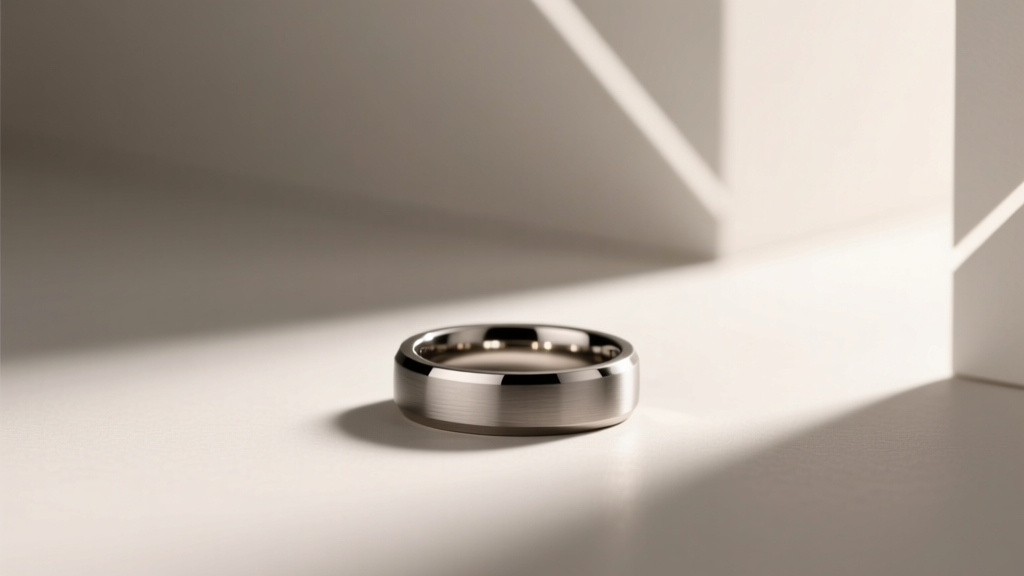
How to Choose a Wedding Band With a Tungsten Carbide
Choosing a wedding band is one of those decisions that feels simple—until you start shopping. You want something that looks great every day, fits your lifestyle, and still feels special years from now. For many couples, tungsten carbide wedding bands hit that sweet spot: bold, modern, and impressively durable.
Tungsten rings have become a go-to in today’s wedding jewelry trends, especially for couples who prefer a sleek, contemporary aesthetic or need a low-maintenance band for an active routine. But “tungsten carbide” isn’t a one-size-fits-all material. The best choice depends on how it’s made, how it’s finished, whether it includes gemstones, and how it pairs with an engagement ring.
This guide breaks down what tungsten carbide really is, how to judge quality, the most popular styles and settings, and how to avoid common shopping mistakes—so you can choose a wedding band that feels right the moment it goes on.
What Is Tungsten Carbide (and Why Couples Love It)?
Tungsten carbide is a highly durable compound made from tungsten and carbon, typically bound with a small percentage of a metal binder. In wedding rings, it’s valued for its weighty feel, exceptional scratch resistance, and crisp, modern finishes.
Key benefits of tungsten wedding bands
- Scratch resistance: Tungsten carbide is far more scratch-resistant than gold, platinum, or titanium. It holds its polish and crisp edges extremely well.
- Hefty, premium feel: Many people love the solid weight compared to lighter metals.
- Style versatility: Available in classic domes, flat profiles, beveled edges, and two-tone designs with inlays like wood, carbon fiber, meteorite, and opal.
- Affordability: You can often get a substantial, well-finished band at a lower price than precious metals.
A realistic trade-off: hardness vs. resizing
Tungsten carbide’s hardness makes it highly resistant to scratching, but it also means it typically can’t be resized like gold or platinum. Many jewelers offer size exchanges instead. This single factor should shape how you shop—especially if you’re between sizes or expect finger size changes over time.
Understanding Tungsten Quality: What to Look For
Not all tungsten carbide wedding bands are made the same. When quality differs, it usually shows up in the ring’s finish longevity, comfort, and durability against chipping.
1) Binder metal: cobalt vs. nickel
Tungsten carbide jewelry uses a binder to hold the material together. The two most common are cobalt and nickel:
- Nickel binder: Generally preferred for jewelry because it offers better corrosion resistance and is more likely to keep its color over time.
- Cobalt binder: Can be more prone to reacting with moisture and skin oils, sometimes causing a cloudy or “greying” appearance over time. It may also be more likely to trigger skin sensitivity for some wearers.
If you have sensitive skin, ask specifically about the binder and look for “nickel-binder tungsten carbide” from a reputable seller.
2) Finish and plating: natural tungsten vs. coated “black tungsten”
Classic tungsten usually appears in a gunmetal gray or bright polished tone. Black tungsten rings are popular—especially in modern men’s wedding band trends—but many black finishes rely on coatings (such as PVD). Coatings can wear with years of hard use, especially on edges.
- Natural polished tungsten: Excellent long-term look, very stable.
- Matte/brushed tungsten: Contemporary and fingerprint-resistant; may show shiny “high spots” over time with heavy wear.
- Black coated tungsten: Stylish and bold, but choose high-quality coatings and consider your lifestyle if you work with tools or do heavy lifting.
3) Craftsmanship details that signal a better ring
- Comfort-fit interior: A gently rounded inner edge that feels smoother and can be easier to slide on/off.
- Clean edge work: Beveled edges should be crisp and symmetrical, not sharp or uneven.
- Consistent inlays: If your ring has an inlay (wood, opal, meteorite), it should sit flush without gaps or visible adhesive.
Choosing the Right Style: Classic, Modern, and On-Trend
Tungsten carbide lends itself to both timeless classics and current wedding ring trends. Think about what you’ll want to see on your hand every day—and what will still feel like “you” in ten years.
Profile and shape: how it looks from every angle
- Dome (classic): Slightly rounded exterior, traditional look, comfortable and forgiving visually.
- Flat (modern): Clean, architectural lines—popular in contemporary wedding bands.
- Beveled edge: A sharp, tailored look that catches light beautifully; great for a refined modern vibe.
- Step edge: A more geometric, structured profile—bold and masculine, but also stylish for anyone who loves crisp design.
Width: balancing presence and comfort
Most tungsten wedding bands range from 4mm to 10mm:
- 4mm–5mm: Sleek, minimal, great for smaller hands or anyone who prefers a subtle band.
- 6mm–8mm: The most popular “everyday” range; noticeable but not bulky.
- 9mm–10mm: Statement look; best if you like a bold band and have the finger length to carry it comfortably.
Two-tone and inlay trends
Some of the most requested tungsten carbide wedding band styles include:
- Rose gold-tone inlays: A warm, romantic accent that nods to the rose gold engagement ring trend while keeping tungsten durability.
- Wood inlays: Popular for rustic weddings and nature-inspired couples; look for sealed, well-finished wood for moisture resistance.
- Carbon fiber: A sleek, technical look that pairs well with brushed finishes.
- Meteorite inlays: A conversation-starting choice with a distinctive pattern; requires good sealing and careful craftsmanship.
- Opal inlays: Iridescent color play—beautiful but best for couples who can commit to gentle care and avoiding harsh impacts.
Gemstones and Settings in Tungsten Bands
While many tungsten bands are plain metal, gemstone accents are increasingly popular—especially tiny diamond or moissanite details for a touch of sparkle.
Best gemstone choices for tungsten wedding bands
- Diamonds: The classic choice for durability and timeless appeal. Look for well-matched stones and secure setting work.
- Moissanite: Brilliant sparkle and excellent toughness for daily wear; often a strong value alternative to diamond.
- Lab-grown diamonds: A current trend that pairs modern values with classic beauty; ask about grading and certification.
Setting styles to consider
- Flush (gypsy) setting: The stone sits level with the band—ideal for active lifestyles because there’s little to snag.
- Bezel setting: A rim of metal surrounds the stone; secure and sleek.
- Channel setting: A row of stones set between walls of metal; looks luxurious, but make sure the channel edges are smooth and well-finished.
Because tungsten is difficult to work with compared to gold or platinum, gemstone settings in tungsten require precise manufacturing. Buy from sellers known for consistent craftsmanship, and confirm what the warranty covers if a stone comes loose.
How Tungsten Compares to Gold, Platinum, Titanium, and Ceramic
Many couples shop across materials before deciding. Here’s how tungsten carbide generally stacks up in real-world wear:
- Vs. gold (10K/14K/18K): Gold is easy to resize and repair, but it scratches more easily. Tungsten stays looking “new” longer, but doesn’t resize.
- Vs. platinum: Platinum is prestigious, dense, and long-lasting, but develops patina and costs more. Tungsten offers a similar heft at a lower price.
- Vs. titanium: Titanium is lightweight and tough, but scratches more easily than tungsten. Choose titanium if you want feather-light comfort.
- Vs. ceramic: Ceramic is lightweight and scratch-resistant, but can chip. Tungsten is also chip-prone in rare situations (hard impact on tile/concrete), but tends to feel more substantial.
Getting the Fit Right: Sizing Tips for Tungsten Wedding Bands
Since most tungsten carbide rings can’t be resized, sizing is not the place to guess.
- Get sized in person at a jeweler if possible, ideally later in the day when fingers are slightly larger.
- Match the band width when sizing. Wider bands (8mm+) can feel tighter; you may need a slightly larger size.
- Consider comfort-fit if your knuckles are larger than the base of your finger.
- Ask about exchange policies and keep packaging until you’re sure the fit is perfect.
Care and Maintenance: Keeping Tungsten Looking Its Best
Tungsten carbide is low maintenance, but not zero maintenance.
- Cleaning: Use warm water, mild dish soap, and a soft cloth. Rinse and dry thoroughly.
- Avoid harsh chemicals: Remove your ring when using bleach, strong cleaners, or when swimming in heavily chlorinated pools—especially if your ring has inlays or gemstones.
- Protect against hard impacts: Tungsten is very hard but can chip if dropped on tile or hit sharply against concrete or metal edges.
- Storage: Store separately from softer jewelry (like gold) to prevent tungsten from scratching other pieces.
Price Range and Value Tips
Tungsten wedding bands are known for strong value. Typical pricing depends on brand, design complexity, and whether gemstones or specialty inlays are included.
- Simple classic tungsten bands: Often around $50–$200 depending on finish and workmanship.
- Two-tone or inlay styles (wood, carbon fiber, brushed/polished combos): Commonly $150–$400.
- Gemstone-accented tungsten bands (diamond/moissanite) or premium inlays (meteorite, opal): Often $250–$800+ depending on stone quality and setting complexity.
Value tip: Pay for craftsmanship, not gimmicks. A well-made comfort-fit band with a durable finish and a clear exchange/warranty policy is often a better long-term choice than a cheaper ring with questionable plating or poorly sealed inlays.
Common Mistakes to Avoid When Shopping for Tungsten Carbide Wedding Bands
- Guessing your size: The #1 issue with tungsten rings. Get measured and confirm exchange terms.
- Overlooking coatings: If you love black tungsten, ask whether it’s coated and what the warranty covers if the finish wears.
- Choosing style over lifestyle: Deep grooves, sharp step edges, and delicate inlays can collect debris or show wear depending on your daily routine.
- Ignoring engagement ring pairing: Tungsten is harder than many metals. If you stack it against a gold or platinum engagement ring, it can cause wear on the softer ring. Consider a small spacer band or wear them on separate hands.
- Not checking gemstone security: Tiny stones should be set cleanly and securely. Favor flush or bezel settings for daily wear.
FAQ: Tungsten Carbide Wedding Bands
Are tungsten carbide wedding bands good for everyday wear?
Yes. Tungsten carbide is one of the best choices for everyday wear if you want a ring that resists scratches and keeps a clean, polished look with minimal maintenance. Just avoid hard impacts and remove it for heavy-duty work if you’re prone to knocking your hands against hard surfaces.
Can a tungsten wedding band be resized later?
Most tungsten carbide rings can’t be resized due to the material’s hardness. Many couples choose retailers that offer a size exchange program, which is often the simplest solution.
Do tungsten rings crack or break?
Tungsten carbide is extremely hard, but it can chip or crack if hit sharply against very hard surfaces. That’s uncommon in normal wear, but it’s a reason to remove your ring for activities involving heavy impact.
What gemstones work best in tungsten wedding bands?
Diamonds, lab-grown diamonds, and moissanite are the most popular because they handle daily wear well and pair beautifully with tungsten’s modern shine. Look for secure settings like flush, bezel, or well-finished channel settings.
Will a tungsten ring set off metal detectors or cause skin reactions?
Tungsten rings can sometimes trigger metal detectors, though it varies. Skin reactions are uncommon, but if you have sensitivities, choose a ring made with a nickel binder and buy from a reputable jeweler who discloses materials.
How do I match a tungsten band with an engagement ring?
For a cohesive look, match finishes (polished with polished, brushed with brushed) and consider band width relative to the engagement ring. If stacking, be cautious pairing tungsten directly against softer metals like gold—using a thin spacer band can help protect the engagement ring from wear.
Choosing the Right Tungsten Band: A Confident Next Step
A great tungsten carbide wedding band should feel comfortable, look intentional with your overall style, and hold up to real life—not just the wedding photos. Prioritize accurate sizing, comfort-fit shaping, reliable finish quality, and craftsmanship (especially for inlays and gemstone settings). If you want a timeless classic, a polished dome or beveled-edge band is hard to beat. If you love current wedding ring trends, consider black finishes, mixed textures, or a refined inlay—just choose designs built for daily wear.
When you’re ready, explore more jewelry guides on weddingsift.com to compare metals, engagement ring settings, gemstone choices, and wedding band styles that fit your story and your budget.
More Articles
 How to Choose a Wedding Band With an Art Deco Design
 How Much Is My Wedding Band Worth? (2026)
 Wedding Ring vs Engagement Ring: Key Differences
 Lab Diamond vs Moissanite: Honest Comparison
 Clean Diamond Wedding Band: 5 Mistakes & Quick Fixes (2026)
 Wedding Ring Fit: Science-Backed Standards for Lifelong Wear
 Are Wedding Bands Solid Gold? Truth & Buying Tips
 Engagement Ring Trends 2026 | What's In and Out
 How to Remove a Stuck Wedding Ring Safely
 Jewelry Care FAQ: Wear and Sizing Guide