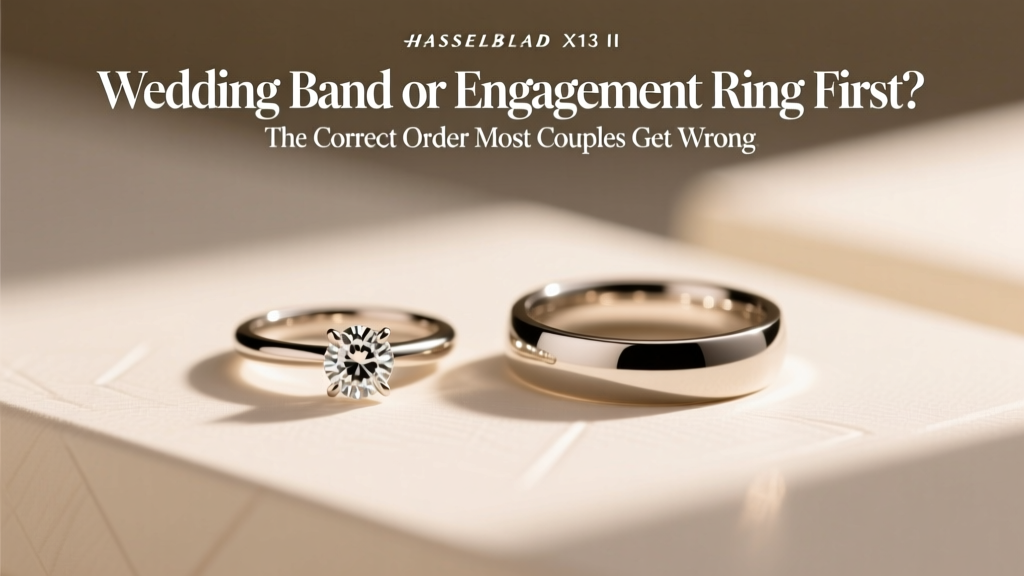
# Wedding Band or Engagement Ring First? The Correct Order Most Couples Get Wrong
You've said "I do," the rings are on your finger — but are they in the right order? Surprisingly, this small detail trips up a lot of couples. Whether you care about tradition or just want your rings to sit comfortably, the order matters more than you might think. Here's everything you need to know.
## The Traditional Rule: Wedding Band Goes Closest to Your Heart
According to longstanding Western tradition, the **wedding band should be worn closest to the heart** — meaning it goes on the finger *first*, sitting below the engagement ring. The logic traces back to the belief that the ring finger contains the "vena amoris" (vein of love) running directly to the heart.
In practice, this means:
- During the ceremony, the engagement ring is temporarily moved to the right hand
- The officiant places the wedding band on the bare left ring finger
- After the ceremony, the engagement ring is moved back on top of the wedding band
This is the order jewelers and etiquette experts consistently recommend.
## Why the Order Actually Matters Practically
Beyond tradition, there are real functional reasons to follow this sequence:
**Ring security:** The wedding band acts as a guard ring, helping keep the engagement ring from spinning or sliding off.
**Metal wear:** When rings rub against each other, softer metals scratch. Placing the smoother wedding band on the bottom reduces friction on the more ornate engagement ring setting.
**Comfort:** Many couples find that wearing the band closest to the hand feels more secure and comfortable day-to-day, especially if the engagement ring has a high-profile setting.
**Soldering consideration:** Couples who choose to solder their rings together must get the order right before the jeweler permanently joins them — typically band on bottom, engagement ring on top.
## Modern Alternatives: Rules Are Made to Be Broken
Many modern couples skip tradition entirely, and that's perfectly valid:
- **Engagement ring on bottom:** Some prefer the look of the engagement ring sitting closer to the hand, especially with a flush-fit or contoured band.
- **Separate hands:** Wear the engagement ring on the right hand and the wedding band on the left — common in several European and Latin American cultures.
- **Stack freely:** Some couples add multiple bands and wear them in whatever order looks best aesthetically.
- **Solo band:** Not everyone wears an engagement ring at all. A single wedding band is a completely legitimate choice.
The "right" order is ultimately the one that feels right to you.
## Common Mistakes to Avoid
**Myth #1: You must wear both rings at all times.**
False. Many people remove their engagement ring during activities like cooking, exercising, or sleeping to protect the setting and stones. Your wedding band alone is a perfectly complete symbol of your commitment.
**Myth #2: The order is set in stone after the wedding.**
Not true. You can rearrange your rings at any time. If you didn't follow the traditional order during the ceremony, simply slide the engagement ring off and put it back on in your preferred position. No ceremony required.
## Conclusion
The traditional answer is clear: **wedding band first (closest to the hand), engagement ring second**. This honors convention, protects your rings, and keeps them secure. But modern couples have the freedom to wear their rings however feels most comfortable and meaningful.
Before your wedding day, practice the ring swap so it goes smoothly at the altar — and if you're unsure about sizing or stacking, visit your jeweler for a professional fitting. Your rings should feel as good as they look.
 Wedding Ring Metals Compared: Platinum vs Gold in 2026
 Wedding Ring Fit: The 7-Second Sizing Test (2026)
 Is It Bad Luck to Keep Your Wedding Ring After Divorce?
 Can You Claim a Lost Wedding Ring on Home Insurance?
 Bridal Jewelry: Rent vs Buy 2026
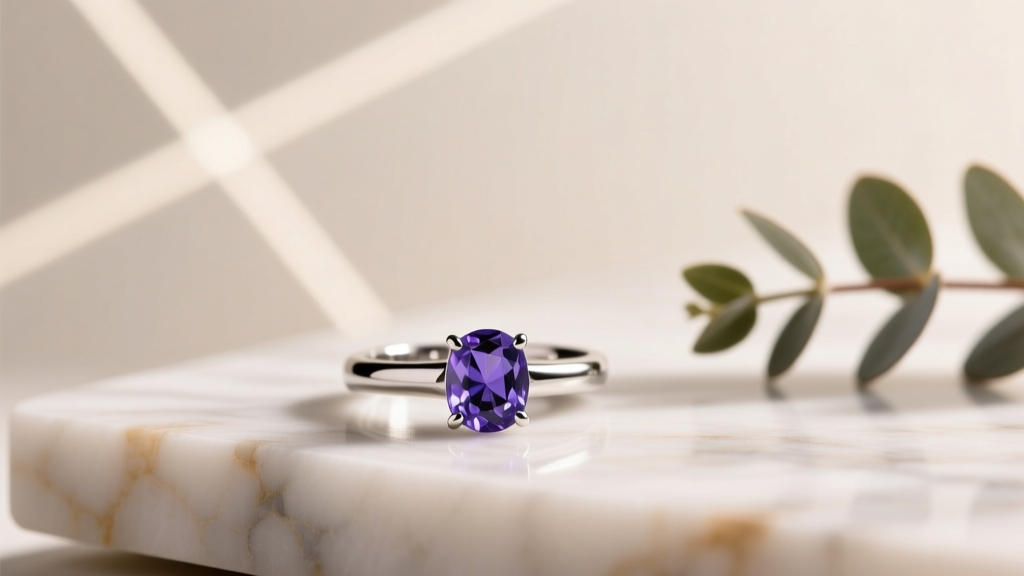 Iolite Engagement Rings Violet Blue Cordierite
 Who Wears a Wedding Band on the Right Hand and Why
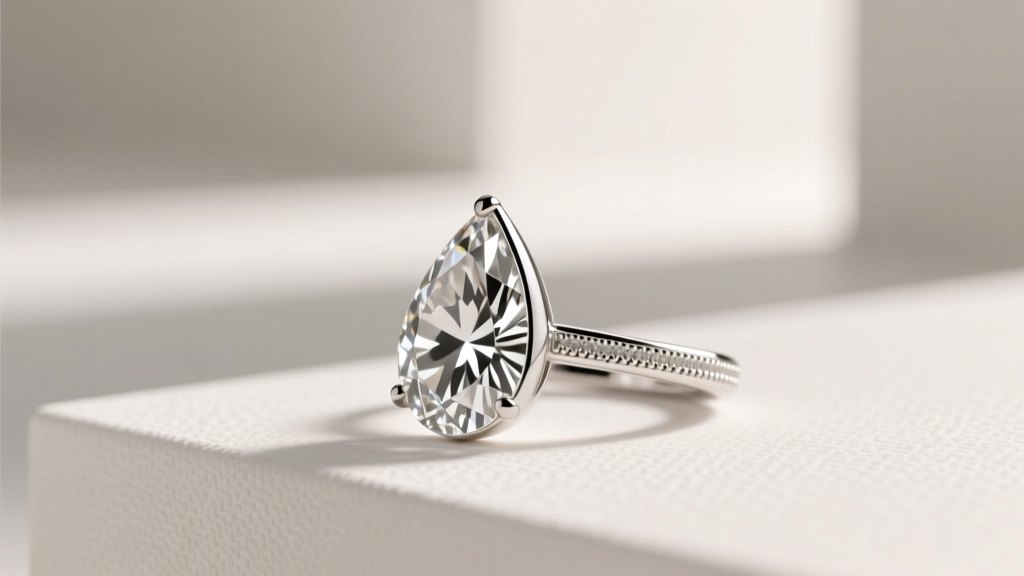 Pear-Shaped Diamonds Teardrop Elegance
 Wedding Ring Fit Test: Avoid Regret (2026)
 Venues vs. Step: A Metalsmith’s Deep-Dive Comparison of Two Iconic Diamond Cuts