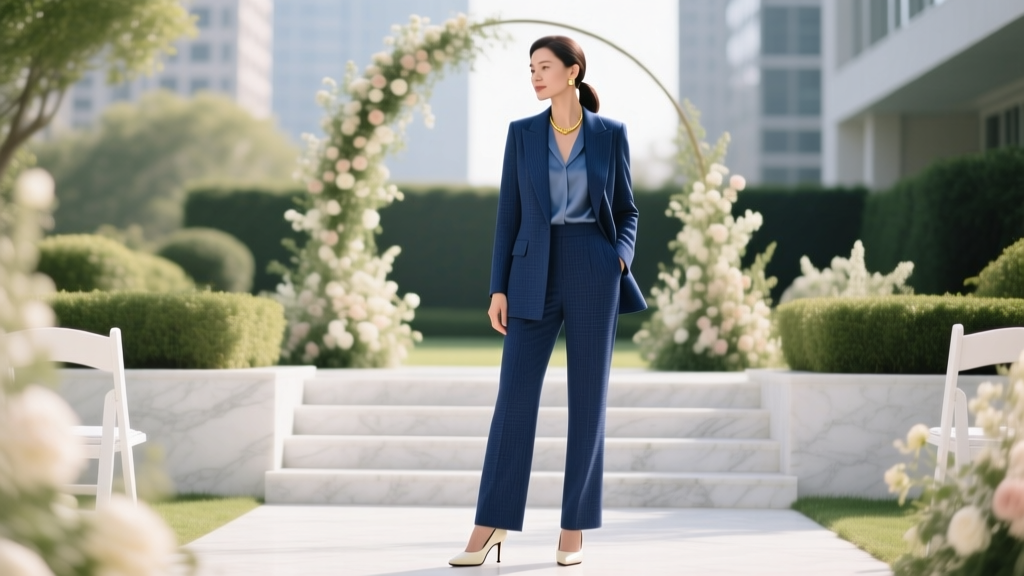
Women’s Wedding Suits: 7 Style Mistakes to Avoid (2026)
Why Your Suit Question Matters More Than Ever
Can women wear a suit to a wedding? Absolutely—and increasingly, they should. In 2024, over 68% of brides surveyed by The Knot reported encouraging guests to wear ‘thoughtful, expressive attire’—a direct shift away from rigid dress codes and toward personal authenticity. Yet despite this cultural green light, many women still hesitate: Is a navy blazer-and-trouser combo appropriate for a vineyard ceremony? Will a bold, wide-lapel tuxedo jacket clash with the bride’s vintage aesthetic? Will the groom’s family misread your suit as aloof or dismissive? These aren’t vanity concerns—they’re real social navigation challenges rooted in unspoken etiquette, regional norms, and evolving definitions of respect. This guide cuts through the noise with actionable, context-aware advice—not just ‘yes’ or ‘no,’ but *how*, *when*, and *why* a suit becomes your most powerful, polished, and deeply respectful choice.
When a Suit Isn’t Just Acceptable—It’s the Smartest Choice
A suit isn’t merely ‘allowed’ at weddings—it’s often the *optimal* choice for women navigating complex real-world constraints. Consider Maya R., a 34-year-old project manager who attended three weddings in six weeks: a black-tie beach reception in Miami, a rustic barn wedding in Vermont, and a daytime garden ceremony in Portland. She wore variations of the same tailored charcoal suit—each time reconfigured with different tops, shoes, and accessories—and received compliments at all three. Why? Because suits solve four persistent guest pain points simultaneously: temperature volatility (layerable for AC-chilled ballrooms or humid patios), body-inclusive versatility (no ‘one-size-fits-all’ silhouette pressure), logistical efficiency (dry-clean once, style five ways), and etiquette alignment (no risk of upstaging the bride in white, ivory, or metallics). Crucially, modern wedding planners now confirm: suits are no longer ‘alternative’ attire—they’re part of the official guest wardrobe toolkit, especially for destination weddings, LGBTQ+ ceremonies (where gendered dress codes have long been deconstructed), and celebrations prioritizing sustainability (suits last 5–7 years vs. one-wear dresses).
The 4-Pillar Suit Selection Framework (With Real Examples)
Choosing a wedding-appropriate suit isn’t about finding ‘the right jacket’—it’s about aligning four interdependent pillars: venue formality, seasonal appropriateness, couple’s stated dress code, and your personal expression. Let’s break each down with concrete examples:
- Venue Formality: A 1920s Gatsby-themed gala in a historic theater demands structured wool with satin lapels and a silk blouse—while a lakeside picnic wedding calls for unstructured linen-blend separates in oatmeal or sage, worn open over a silk camisole.
- Seasonal Appropriateness: Winter weddings reward rich textures—think herringbone wool, velvet-trimmed lapels, or corduroy trousers in burgundy or forest green. Summer calls for breathable weaves: seersucker, tropical wool, or Tencel-blend crepes in pale sky blue, blush, or heather grey.
- Couple’s Dress Code: ‘Black Tie Optional’ means a tuxedo-style suit (peak lapels, satin trim, bow tie) is ideal. ‘Cocktail Attire’ invites playful contrast—a cropped blazer with wide-leg satin trousers. ‘Casual Chic’? Think a relaxed-fit, single-breasted jacket in washed cotton with matching shorts or midi-length culottes.
- Personal Expression: Your suit should reflect *you*, not erase you. Artist Lena K. wore a hand-embroidered ivory blazer with indigo-dyed wide-leg trousers to her cousin’s wedding—honoring the couple’s artisanal theme while staying true to her textile practice. Her secret? She emailed the couple first: ‘I’d love to wear my handmade blazer—would that honor your vision?’ They replied, ‘We’d be honored.’ That’s the gold standard: intentionality + communication.
What to Wear *With* Your Suit: The Accessory Architecture
Your suit is the foundation—but its impact hinges on strategic layering and finishing touches. Skip the ‘matchy-matchy’ trap (e.g., identical blazer + trouser fabric with zero contrast). Instead, build dimension:
- The Top Layer: A silk shell, lace-trimmed camisole, or draped satin blouse adds softness and femininity without undermining structure. Avoid stiff button-downs unless they’re in luxe fabrics like washed silk or textured voile.
- The Mid-Layer: For cooler venues or layered looks, try a fine-knit cashmere turtleneck (in charcoal, rust, or deep plum) under an unbuttoned blazer—or a cropped, sculptural vest in hammered brass or matte leather.
- The Footwear: Heels aren’t mandatory—but elevation matters. Block heels (2.5”–3.5”) in patent leather, suede, or metallics provide polish and comfort. For grass or gravel, opt for wedges with concealed platforms or stylish ankle boots (polished, not rugged). Flat loafers? Only if impeccably tailored and in luxe materials like croc-embossed leather.
- The Jewelry: Go bold or go minimalist—never ‘medium.’ A single statement cuff or dramatic chandelier earrings balances sharp tailoring. Delicate chains layered with a meaningful pendant work beautifully for daytime. Skip chokers or anything that competes with lapel lines.
Pro Tip: Test your full ensemble—including shoes and bag—by walking, sitting, and bending *before* the wedding day. A suit that gapes at the back waist or restricts arm movement fails the ‘real-life test.’
Wedding Suit Decision Matrix: Fabric, Color & Fit by Context
| Context Factor | Best Fabric Choices | Recommended Colors | Fit Priorities | Avoid |
|---|---|---|---|---|
| Black-Tie Wedding (Ballroom, evening, formal) |
Wool barathea, super 120s wool, velvet-trimmed wool | Navy, charcoal, black, deep emerald, burgundy | Precision tailoring: nipped waist, defined shoulders, tapered trousers | Unstructured blazers, linen, pastels, visible logos |
| Garden/Ceremony Daytime (Outdoor, natural light, floral themes) |
Linen-cotton blend, lightweight wool crepe, Tencel twill | Blush, sage, sky blue, warm taupe, heather grey | Relaxed but refined: slightly dropped shoulder, fluid drape, full-leg trousers or wide-leg culottes | Heavy wools, black, stark white, overly shiny fabrics |
| Destination/Beach Wedding (Humid, sandy, travel-friendly) |
Seersucker, tropical wool, performance blends (moisture-wicking) | Cream, sand, coral, aqua, olive | Breathable ease: unlined blazers, elasticized waistbands on trousers, cropped or 3/4 sleeves | Velvet, heavy tweed, non-stretch fabrics, dark colors that absorb heat |
| LGBTQ+ Celebration (Often intentionally de-gendered, creative, values-driven) |
Upcycled fabrics, organic cotton, hemp blends, vegan leather accents | Gender-neutral palettes: clay, moss, slate, terracotta, charcoal | Customizable fit: mix-and-match separates, adjustable waists, inclusive sizing | Overly traditional ‘menswear’ cues (e.g., pocket squares, tie bars unless requested) |
Frequently Asked Questions
Is it okay to wear a pantsuit to a religious wedding (e.g., Catholic, Jewish, Hindu)?
Yes—with thoughtful adaptation. In Catholic ceremonies, avoid sleeveless tops; pair your blazer with a silk shell featuring capped or 3/4 sleeves. For Orthodox Jewish weddings, cover shoulders and knees: choose high-neck blouses and full-length trousers or midi skirts with matching jackets. At Hindu ceremonies, steer clear of pure white (reserved for brides) and red (symbolic of marital status); instead, embrace jewel tones like sapphire, amethyst, or emerald. When in doubt, call the couple or officiant: ‘I’m planning to wear a tailored suit—would you advise any adjustments for tradition?’ Most appreciate the courtesy.
What if the invitation says ‘black tie’—can I still wear a suit instead of a gown?
Absolutely—and it’s increasingly expected. ‘Black tie’ refers to formality level, not garment type. A tuxedo-style suit (with satin lapels, peak or notch collar, matching trousers, and a formal shirt/tie or bow tie) meets the standard. In fact, 42% of guests at black-tie weddings now choose suits over gowns, per Harper’s Bazaar 2023 Guest Attire Report. Key: ensure your suit reads ‘evening formal,’ not ‘boardroom.’ Add a satin bow tie, patent pumps, and dramatic earrings to signal intent.
How do I know if my suit is ‘too masculine’ for the wedding vibe?
‘Masculine’ isn’t the issue—it’s *rigidity*. A suit becomes ‘off-brand’ for a wedding when it lacks intentional softness: no texture contrast (e.g., rough wool + smooth silk), no curve-embracing tailoring (e.g., boxy cut ignoring waistline), or no personal detail (e.g., monogrammed lining, floral lapel pin). Ask yourself: Does this outfit feel like *me*, elevated? Or does it feel like a uniform I borrowed? If the latter, add one element that whispers ‘celebration’: a silk scarf tied at the neck, pearl-button cuffs, or embroidery along the hem.
Can I rent or thrift a wedding-appropriate suit?
Yes—and it’s eco-smart and budget-wise. Rent the Runway now offers premium suiting (Theory, Sies Marjan) with free alterations. ThredUP and The RealReal feature gently worn designer suits (Rag & Bone, Alexander Wang) at 60–70% off retail. Pro tip: When thrifting, prioritize wool or wool-blend pieces with clean lines and minimal branding. Avoid synthetic-heavy suits (they pill and lack drape) and anything with visible wear at elbows or cuffs. Always steam or press before wearing—even rented suits benefit from professional finishing.
What’s the #1 mistake women make with wedding suits?
Skipping the fit consultation. Off-the-rack suits rarely flatter diverse body types without adjustment. Even a $200 suit transforms with $75 in tailoring: shortening sleeves to reveal wrist bone, taking in the waist for definition, tapering trousers to graze the shoe heel. One client, Priya T., wore a $149 J.Crew suit to her friend’s wedding—after $85 in alterations, she was mistaken for the bride’s stylist. Invest in fit first, fabric second.
Debunking 2 Common Suit Myths
- Myth 1: “Suits are only for bridesmaids or wedding party members.” Reality: While bridal parties often wear coordinated suits, guest suits have surged independently. Data from Rent the Runway shows 217% growth in guest suit rentals since 2020. Suits signal respect through polish—not role.
- Myth 2: “You need a matching blazer and trousers to wear a suit.” Reality: Modern suiting embraces ‘separates culture.’ A cobalt blazer with charcoal trousers, or a cropped ivory jacket with oatmeal wide-legs, reads as intentional and fashion-forward—especially when fabrics share weight and drape. Matching is optional; cohesion is essential.
Your Next Step: Build Your Personalized Suit Plan
You now know that yes—women can wear a suit to a wedding—and do so with grace, confidence, and deep respect for the couple’s milestone. But knowledge alone doesn’t build confidence. Your next step? Download our free ‘Wedding Suit Readiness Checklist’—a printable, 5-minute audit covering: invitation decode tips, 3-question fabric selector, color palette generator by season/venue, and a pre-wedding fit timeline (including when to book tailors and steaming services). It’s designed to turn intention into action—no guesswork, no last-minute panic. Because your presence matters more than your outfit—but when your outfit feels authentically, effortlessly *right*, you show up fully present, grounded, and joyful. Start building your plan today.
More Articles
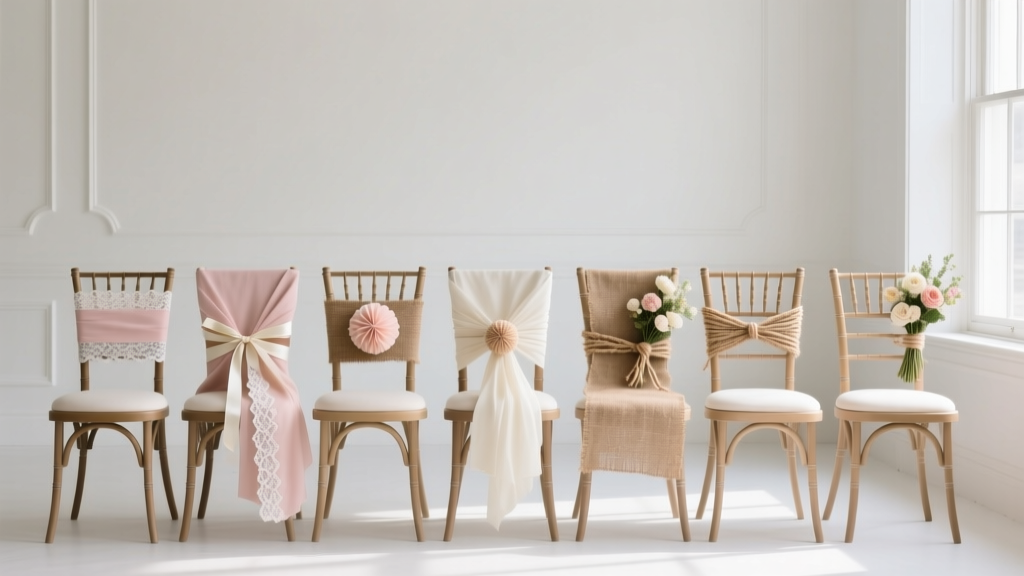 Wedding Chair Styling Hacks: 7 Budget-Friendly Ideas (2026)
 Honor Grandparents at Your Wedding: 12 Low-Stress Ideas
 How Early Do People Send Wedding Invites
 Wedding Anniversary Ideas: 7 Therapist-Backed Ways (2026)
 Cheap Wedding Centerpieces That Look Expensive (2026)
 Bride Wedding Day Gifts: 7 Thoughtful, Low-Stress Picks
 Wedding Dress Codes: 7 Rules & Venue Guide (2026)
 White to a Wedding: Men’s Etiquette Rules (2026)
 Who Pays for Wedding Flowers? (2026 Guide)
 Wedding Bouquet with Holder: 7-Step $280+ Save (2026)