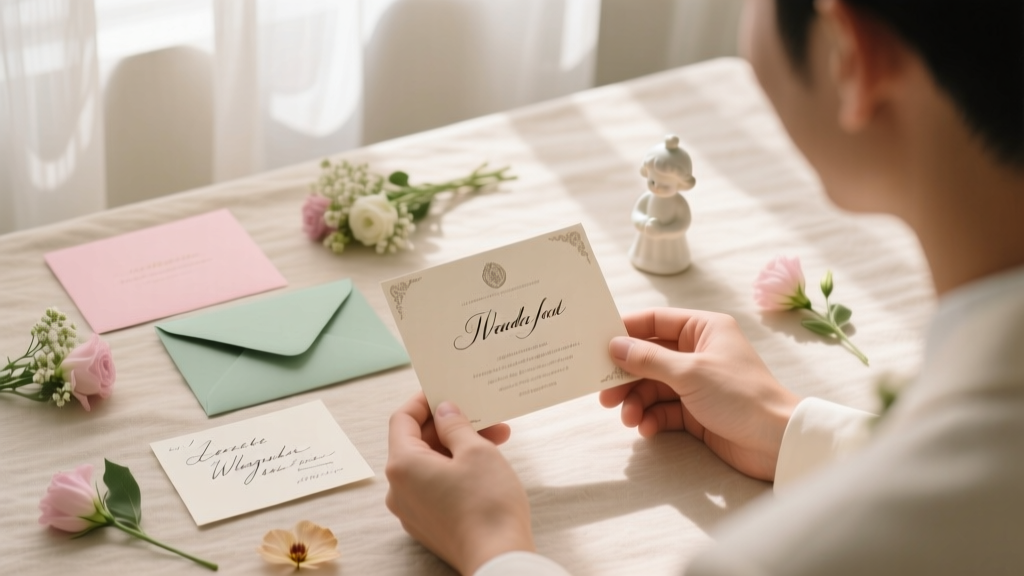
How to Plan a Wedding That Feels Uniquely Yours
You got engaged, you told your favorite people, and now the questions are coming in fast: “Have you picked a date?” “Where will it be?” “What’s your theme?” It can feel exciting and overwhelming at the same time—especially when every scroll shows a new “must-have” trend and every well-meaning relative has an opinion.
Here’s the reassuring truth: a wedding that feels uniquely yours isn’t about having the most original idea on the internet. It’s about making a series of intentional choices that reflect who you are as a couple—your priorities, your people, your story, and your comfort level. That’s what guests remember, and that’s what you’ll cherish years from now.
This guide will walk you through a practical, planner-approved process to design a wedding that feels personal (not performative), balanced (not chaotic), and joyful (not stressful)—with clear steps, budget considerations, timeline tips, real-world examples, and common mistakes to avoid.
Start With Your “Wedding Values” (The Secret to a Personal, Stress-Lower Wedding)
Before you talk to venues or start a Pinterest board, define what “uniquely yours” means. When couples skip this step, they often end up planning a wedding that looks great—but feels like someone else’s event.
The 20-minute values exercise
- Individually, each partner writes down 5 words you want your wedding to feel like (examples: relaxed, elegant, playful, intimate, cultural, outdoorsy, candlelit, high-energy).
- Together, circle the overlap and narrow it to 3 core values.
- Write one sentence for each value describing what it looks like in real life.
Example: If your values are “warm,” “uncomplicated,” and “food-forward,” that might translate to a shorter ceremony, family-style dinner, a cozy venue, and more budget for catering than for décor.
Turn values into decision filters
- If it doesn’t support your 3 values, it’s optional.
- If it costs money but doesn’t increase your joy, skip it.
- If it creates stress with little payoff, simplify it.
Build a Wedding Vision That’s About You (Not a Trend Cycle)
Your wedding style doesn’t need a label. Instead, create a “vision spine” that guides everything from venue to stationery to attire.
Three ways to find a vision that feels authentic
- Start with your story: Where did you meet? What do you do on a perfect Saturday? What do your friends say is “so you”?
- Use real-life inspiration: Your home aesthetic, favorite restaurant, travel memories, family traditions, your culture(s), your hobbies.
- Choose 2–3 design anchors: A color palette, a texture/material (linen, wood, metal), and a mood (garden party, modern minimal, old-world romance).
Scenario couples relate to: You love minimalist style, but your families expect a lively celebration. Your solution could be a clean, modern venue and palette—paired with energetic cultural music, a packed dance floor, and late-night comfort food. Personal doesn’t have to mean “quiet.”
Budget for What Matters (So Your “Unique” Wedding Doesn’t Become “Over Budget”)
A personal wedding is usually a prioritized wedding. Your budget is the tool that protects your priorities.
Step-by-step: set a practical wedding budget
- Decide who’s contributing and how much—before booking anything.
- Estimate guest count (even a rough range helps: 60 vs. 160 changes everything).
- Pick your top 3 spending priorities (common ones: food/bar, photography, entertainment, venue, attire).
- Add a contingency fund of 5–10% for surprises (service charges, overtime, weather backups).
Planner tip: use a “priority swap” method
If you want to splurge on one thing, name what you’re willing to simplify to balance it.
- Splurge: live band → Simplify: fewer florals, more candles/greenery
- Splurge: luxury venue → Simplify: smaller guest list or brunch wedding
- Splurge: couture attire → Simplify: digital RSVPs and minimal paper goods
Budget reality check (common hidden costs)
- Service fees, gratuities, and sales tax (can add 20–35% depending on vendors and location)
- Rentals beyond tables/chairs (glassware, flatware, linens, heaters, tents)
- Delivery fees and setup/strike labor
- Alterations for wedding attire
- Day-of timeline overtime (photography, venue, DJ/band)
Create a Timeline That Protects Your Peace
Your wedding planning timeline should support your real life, not take it over. Use this as a flexible guide.
12–18 months out (foundation)
- Choose wedding month/season and general location
- Set budget and rough guest count
- Book venue(s)
- Hire key vendors: planner/coordinator, photographer, catering (if not in-house)
8–12 months out (the “big pieces”)
- Book entertainment (DJ/band), florist, videographer (if wanted)
- Choose wedding party (if having one)
- Start attire shopping (and schedule fittings)
- Plan ceremony structure (religious, cultural, personal vows, readings)
4–7 months out (details)
- Send save-the-dates (especially for destination or peak seasons)
- Finalize menu direction and bar plan
- Choose stationery design and finalize guest list
- Book hair/makeup and transportation as needed
1–3 months out (finalizing)
- Send invitations and track RSVPs
- Create seating plan and floor plan
- Final vendor confirmations, payments, and insurance (if required)
- Create a day-of timeline and share with vendors
Final 2 weeks (calm, not chaos)
- Final headcount to caterer/venue
- Confirm timeline, deliveries, and contact list
- Pack wedding day emergency kit and personal items
- Delegate: assign someone to handle gifts/cards, vendor tips, and last-minute questions
Personal Touches That Feel Meaningful (Not Like a Craft Project Marathon)
You don’t need 50 DIY elements to make the day feel personal. Aim for a few high-impact touches that guests will actually experience.
Meaningful ideas guests notice
- Ceremony choices: a family blessing, cultural tradition, a short story of how you met, a loved one officiating
- Music: processional that’s “your song,” dinner playlist inspired by road trips, a parent’s favorite song for a surprise dance
- Food and drink: signature cocktails tied to your first date, late-night snacks from your hometown, dessert you genuinely love
- Guest experience: comfortable seating areas, clear signage, thoughtful pacing (not too many long gaps)
- Personal notes: a handwritten line on place cards for immediate family and wedding party
Real-world example: the “two cultures” wedding
One partner’s family expects a traditional ceremony; the other wants a modern reception. A balanced plan could include:
- A ceremony incorporating both traditions with a clear program so guests understand what’s happening
- Outfit change after the ceremony to honor both styles
- Music that includes both languages/genres
- A menu that blends favorite dishes from each family
Pro tip: choose personal touches that reduce stress
- Instead of complex favors, donate to a cause you care about and print a small card
- Instead of elaborate décor everywhere, invest in one “wow moment” (ceremony backdrop, entrance, lighting)
- Instead of a massive wedding party, keep it small and make the morning smoother
Make Guest Count and Traditions Work for You
Nothing shapes a wedding more than the guest list. If you want an intimate wedding, protecting the guest count is essential.
A practical guest list checklist
- Must-invite: immediate family, closest friends, core community
- Should-invite: relatives you see regularly, mentors, meaningful plus-ones
- Optional: coworkers, distant relatives, courtesy invites
Traditions: keep, tweak, or skip
For each tradition (first dance, bouquet toss, parent dances, speeches), decide:
- Keep if it feels fun and true to you
- Tweak if you like the idea but want it to fit your personalities (shorter dances, private first dance, joint parent dance)
- Skip if it adds stress or feels performative
Scenario: You hate being the center of attention. Consider a private vow exchange before the ceremony, fewer spotlight moments, and more time mingling during cocktail hour.
Step-by-Step: The “Uniquely Yours” Wedding Planning Checklist
Use this as a quick roadmap to keep your planning grounded and personal.
- Write your 3 wedding values and post them somewhere visible.
- Set budget + guest count range before touring venues.
- Book a venue that matches your values (logistics matter as much as aesthetics).
- Hire vendors who “get” you—ask how they personalize weddings, not just what packages they offer.
- Choose 3 signature moments (example: ceremony ritual, food moment, dance floor moment).
- Plan your day-of flow for comfort: shade, warmth, seating, clear timing, accessible options.
- Communicate boundaries early with family and wedding party (more on this below).
- Do a final edit: remove any detail that’s costing money or energy without adding joy.
Common Mistakes to Avoid (And What Planners Do Instead)
Mistake 1: Booking a venue before knowing your guest count
Planner move: decide your range first. A beautiful space that doesn’t fit your people or budget creates ripple-effect stress.
Mistake 2: Trying to make every decision “fair”
Planner move: aim for “aligned.” You can honor families without turning the day into a committee project.
Mistake 3: Overcommitting to DIY
Planner move: DIY only what you enjoy and can finish 30 days before the wedding. If it has to be assembled at midnight the week-of, it’s not worth it.
Mistake 4: Not reading contracts closely
Planner move: confirm payment schedules, cancellation terms, overtime rates, what’s included, and who provides what (rentals, setup, cleanup).
Mistake 5: Forgetting the guest experience
Planner move: prioritize comfort and clarity: signage, timeline pacing, enough food, enough seating, and a rain plan.
Planner Pro Tips for a Wedding That Feels Like You
- Choose vendors based on vibe and communication, not just Instagram. Your photographer and planner/coordinator shape your day more than most décor choices.
- Write a “one-page wedding brief”: your values, priorities, must-plays for music, family dynamics to be sensitive to, and what you want guests to feel.
- Protect your morning: build in buffer time, eat real food, and limit the number of people in the getting-ready space.
- Plan for weather even indoors: umbrellas, transportation timing, coat check, hydration options.
- Consider a day-of coordinator even for small weddings. You deserve to be present, not managing deliveries.
FAQ: Planning a Wedding That Feels Uniquely Yours
How do we make our wedding feel personal if we’re on a tight budget?
Focus on experience-based personalization: meaningful ceremony words, a playlist that tells your story, favorite foods, and a warm timeline that prioritizes connection. Personal doesn’t require expensive décor—often it’s the intentional moments that land most.
What if our families want a traditional wedding but we don’t?
Pick 1–2 traditions you’re happy to include, then set kind boundaries on the rest. You can say, “We want to honor what matters to you, and we’re also planning a day that feels like us.” Offering options (like a family blessing, cultural music, or a special toast) helps families feel included without taking over.
How far in advance should we start wedding planning?
Many couples start 12–18 months out, especially for popular venues and peak seasons. If you have 6 months or less, it’s still doable—simplify the guest list, choose an all-inclusive venue, and book priority vendors quickly.
What are the top 3 things guests remember most?
Usually: how welcome they felt, how well they were fed (and how long they waited for food), and the overall energy—music, pacing, and whether the couple seemed present and happy.
How do we choose a wedding theme without it feeling forced?
Skip “themes” and choose a mood plus a few design anchors (colors, textures, lighting). When your venue and values lead, the look naturally comes together without feeling like a costume.
Is it okay to skip wedding traditions like favors, bouquet toss, or a wedding party?
Absolutely. Many modern weddings skip these to reduce cost and stress. If you want a substitute, consider a heartfelt toast, a group photo moment, or a late-night snack instead of favors.
Your Next Steps (Simple, Doable, and Grounded)
If you want your wedding to feel uniquely yours, start small and specific. This week, do these three things:
- Choose your 3 wedding values and write them down.
- Decide your guest count range and a budget comfort zone.
- Pick three signature moments you want to build the day around (food, music, ceremony, guest experience).
From there, every decision gets easier because you’ll have a clear “yes/no” filter. You’re not trying to plan the internet’s favorite wedding—you’re planning the day your relationship deserves.
Want more support as you plan? Explore more planning guides, checklists, and wedding ideas on weddingsift.com.
More Articles
 White Shoes to Wedding: Etiquette Rules (2026)
 Is "Guest" Capitalized on Wedding Invitations?
 Wedding Dance Planning: Stress-Free Framework (2026)
 How to Iron a Wedding Dress Safely (2026)
 Wedding Venue Payment Plans: 5 Terms That Save $3,200
 Zoom for Wedding: 7-Step Setup (2026)
 Change Last Name Before Wedding: Legal Steps (2026)
 Wedges to a Wedding: 7 Rules You Must Know (2026)
 How to Write a Wedding Love Letter (2026)
 Return Address on Wedding Invitations: 7-Step Checklist