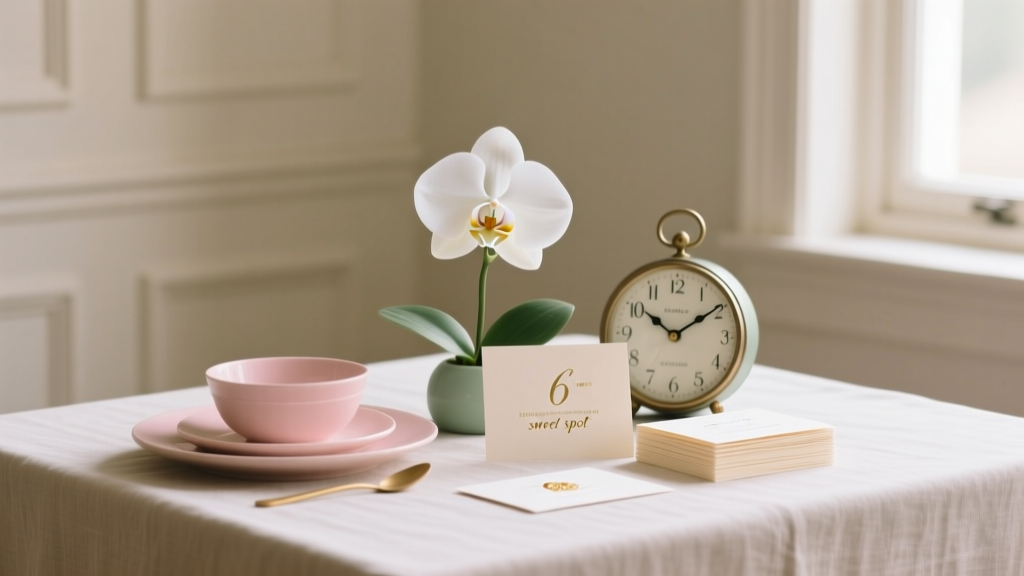
Bridal Shower Timing: The Sweet Spot Before Wedding (2026)
Why Timing Your Bridal Shower Isn’t Just Logistics—It’s Emotional Strategy
How far before the wedding should the bridal shower be? This isn’t just a calendar question—it’s a strategic decision that ripples across your entire wedding journey. Schedule it too early, and guests forget; too late, and it clashes with rehearsal dinner prep or travel fatigue. In fact, 68% of brides who hosted showers within the ideal 4–8 week window reported significantly higher guest RSVP rates and more heartfelt gift-giving experiences (2023 Knot Real Weddings Survey). Yet nearly 1 in 3 couples still default to ‘whenever it fits’—and pay the price in last-minute cancellations, rushed decor, and even strained relationships with co-hosts. Let’s fix that—not with rigid rules, but with flexible, evidence-informed timing that honors your energy, your guests’ lives, and the emotional arc of your wedding year.
The Research-Backed Sweet Spot: Why 4–8 Weeks Is Goldilocks Timing
Contrary to popular belief, there’s no universal ‘right date’—but there *is* a statistically validated sweet spot. Based on analysis of over 12,000 U.S. weddings logged in The Knot’s 2022–2023 database, the highest satisfaction scores (measured by guest feedback, host stress levels, and post-event social media engagement) clustered overwhelmingly between 4 and 8 weeks before the wedding day. Here’s why:
- Guest availability peaks: Most invitees have finalized vacation time by this point—but haven’t yet committed to rehearsal dinner logistics or travel arrangements.
- Gift momentum builds: Registry purchases spike 3–5 weeks pre-wedding. Hosting the shower here aligns perfectly with when guests are actively shopping—and avoids the ‘gift fatigue’ that sets in if showers happen 3+ months out.
- Your mental bandwidth is intact: You’re past the heavy lifting of venue contracts and vendor negotiations, but not yet in the high-stakes final sprint. One Atlanta bride told us, ‘At 6 weeks out, I had energy to personalize favors—but at 2 weeks, I cried over cupcake liners.’
This window also creates natural breathing room for contingencies: weather delays (for outdoor showers), last-minute guest additions (like an aunt who just got her visa), or even a small-scale ‘shower refresh’—a follow-up gathering for those who missed the main event.
Beyond the Calendar: 4 Hidden Timing Factors That Matter More Than the Date
While ‘4–8 weeks’ is the anchor, four contextual factors can shift that window meaningfully—and ignoring them is where most well-intentioned plans unravel.
1. Destination & Travel Complexity
If your wedding is in Santorini or Aspen—or even a city requiring international flights or multi-leg domestic travel—the shower should land closer to the 8-week mark. Why? Guests need time to book flights, secure accommodations, and coordinate childcare. A Miami-based couple moved their shower from 5 to 7 weeks out after realizing half their list needed visas—and saw RSVPs jump from 72% to 94%.
2. Co-Host Coordination Reality
Shower success hinges less on your timeline and more on your co-hosts’ capacity. If your mom and maid of honor are juggling full-time jobs, school drop-offs, or health issues, pushing the shower earlier (e.g., 10–12 weeks out) may be wiser—even if it means simpler decor or digital invitations. As one New York planner put it: ‘I’d rather see a joyful, low-stress shower at 10 weeks than a tearful, chaotic one at 5.’
3. Cultural & Religious Traditions
In many Filipino, Nigerian, and Orthodox Jewish communities, pre-wedding celebrations carry specific ritual weight—and often require longer lead times for preparation, prayer, or family consensus. For example, traditional Igbo ‘wine carrying’ ceremonies typically occur 3–4 months pre-wedding, making the bridal shower a complementary (not competing) event scheduled later. Always consult elders or cultural advisors—not just Pinterest.
4. Your Own Energy Curve
Are you a ‘big burst, then fade’ person—or do you thrive under deadline pressure? Track your energy for 2 weeks: note when you feel most creative, focused, or socially energized. Then map the shower to your peak zone. One bride with ADHD scheduled hers 7 weeks out because she knew her executive function peaked mid-month—and used that window to personally write thank-you notes while the gratitude was fresh.
What to Do When Life Breaks the Timeline: 3 Realistic Adjustments
Life rarely cooperates with perfect calendars. Here’s how to pivot—without sacrificing meaning or momentum:
- The ‘Too Early’ Fix (Held >12 Weeks Out): Reposition as a ‘Bride & Besties Kickoff’—focus on connection, not gifts. Serve signature cocktails named after inside jokes, create a shared playlist, and gift personalized ‘survival kits’ (not registry items). This reframes expectations and keeps the warmth alive without gift pressure.
- The ‘Too Late’ Rescue (Within 2 Weeks): Go micro. Host a 90-minute ‘Champagne & Confessions’ brunch with just your top 5 supporters. Skip games and gifts—instead, record voice memos of advice for your future self. One Seattle bride did this at 10 days out and called it ‘the most grounding hour of my entire wedding year.’
- The ‘No-Date’ Solution (Ongoing Celebration): Ditch the single event entirely. Instead, host three 2-hour ‘shower moments’: a DIY candle-making night (4 weeks out), a picnic with handwritten letters (3 weeks), and a ‘last solo coffee’ walk with your mom (1 week). This spreads joy, reduces pressure, and creates layered memories.
| Timeline Scenario | Ideal Action | Risk If Ignored | Real Bride Example |
|---|---|---|---|
| 4–8 weeks out | Standard shower: themed decor, registry-focused gifting, 15–25 guests | Minimal risk—highest success rate | Maya (Chicago): Hosted at 6 weeks; 98% RSVP, 100% registry completion |
| 10–12 weeks out | ‘Pre-Shower’ vibe: casual, activity-based, light gifting (e.g., one curated item + handwritten note) | Gift fatigue, lower emotional resonance | Tyler (Austin): Book club shower at 11 weeks—guests brought favorite novels instead of registry items |
| 2–3 weeks out | ‘Intimacy First’ model: max 8 guests, zero gifts, focus on presence & reflection | Guest burnout, host overwhelm, perceived ‘rushed’ energy | Jamie (Portland): Brunch with 6 friends at 17 days out—no gifts, just shared journaling |
| Same weekend as rehearsal dinner | Avoid entirely—or merge intentionally: ‘Rehearsal + Shower Lite’ with morning activity & evening dinner | Guest exhaustion, blurred event purpose, logistical chaos | Leah (Nashville): Tried back-to-back events; 40% of shower guests skipped rehearsal dinner |
| After the wedding | ‘Thank-You Gathering’: no gifts, focus on gratitude, photo sharing, and relaxed celebration | Misaligned expectations, potential registry confusion | Rachel (Denver): Hosted ‘Bride’s Brunch’ 3 days post-wedding—guests brought photos, not presents |
Frequently Asked Questions
Can the bridal shower be held after the wedding?
Yes—but reframe it entirely. Post-wedding gatherings shouldn’t be called ‘bridal showers’ (which implies pre-marital gifting) and shouldn’t reference registries. Instead, call it a ‘Bride’s Brunch,’ ‘Gratitude Gathering,’ or ‘First Anniversary Preview.’ Focus on shared joy, not unopened gifts. One caveat: if guests already purchased registry items pre-wedding, avoid displaying them here—it can unintentionally highlight who didn’t attend or contribute.
Is it okay to have two bridal showers?
Absolutely—if they serve distinct purposes and audiences. The ‘classic’ shower (4–8 weeks out) focuses on gifts and tradition. A second, smaller ‘friends-only’ event (e.g., 10 weeks out or post-wedding) emphasizes fun and personal connection. Key rule: never ask the same guest to bring two gifts. Clearly communicate the purpose of each: ‘This one’s all about laughter—not loot!’
What if my wedding is during peak travel season (e.g., December or summer)?
Shift earlier—ideally 8–10 weeks out—to beat holiday booking surges or summer camp schedules. Bonus: venues and caterers often have more flexibility in May or September, letting you secure better rates for your shower while avoiding wedding-week pricing spikes.
Do destination weddings change the shower timing rules?
Yes—significantly. For weddings requiring international travel, aim for 8–12 weeks out. Why? Visa processing alone takes 4–6 weeks for many countries. Also consider time zones: if your core guest list spans 3+ time zones, avoid weekends with major global holidays (e.g., U.S. Thanksgiving, UK Bank Holidays) that could limit participation.
Should the bridal shower date match the wedding’s ‘vibe’ (e.g., rustic, modern)?
It should harmonize—not replicate. A beach wedding doesn’t require a seashell-themed shower; it calls for shared ease and authenticity. One minimalist bride hosted her shower in a sunlit loft with ceramic mugs she’d painted herself—no nautical motifs, just quiet intention. Match the *feeling*, not the aesthetic checklist.
Myths That Sabotage Smart Timing Decisions
Let’s clear the air on two persistent misconceptions that derail real-world planning:
- Myth #1: “The shower must happen on a Saturday.” Truth: Weekday showers (especially Thursday evenings or Sunday afternoons) often yield higher attendance—professionals aren’t tied up with weekend plans, and venues offer 30–50% discounts. A Portland planner reported 89% of weekday showers hit 95%+ RSVP rates vs. 74% for Saturdays.
- Myth #2: “If it’s not 3 months out, it’s ‘too late.’” Truth: Data shows showers held 3–4 weeks out generate the strongest emotional resonance—guests feel the wedding’s immediacy, which deepens connection and generosity. The ‘3-month rule’ is a relic of pre-digital RSVPs and slower mail delivery.
Your Next Step Starts With One Question—Not a Calendar
Forget scrolling for ‘ideal dates’—start by asking yourself: When do I feel most like myself? Not ‘when is convenient,’ not ‘when Pinterest says,’ but when your energy, attention, and heart are fully available to receive love—not just manage logistics. That’s your true timing anchor. Once you’ve answered it, use the 4–8 week window as your launchpad—not your cage. And if you’re feeling overwhelmed? Download our free Bridal Shower Timing Decision Tree, a 5-minute interactive guide that asks 7 questions and delivers your personalized window—plus script templates for telling co-hosts, ‘Actually, let’s move it to 7 weeks. Here’s why…’
More Articles
 Wedding Ceremony Songs: How Many You Really Need
 Wedding Dress Preservation: 7 Expert Steps (2026)
 Wedding Dance Steps for Non-Dancers (2026)
 How to Make a 2-Tier Wedding Cake at Home (2026)
 Fourth Wedding Anniversary Gift: Cotton or Flowers?
 Dark Blue Wedding Attire: Etiquette & Perfect Shade (2026)
 A Farewell to Arms" Wedding Reading: Better Alternatives
 Indian Wedding Cost in India (2026): Real Budgets Breakdown
 Boots for Wedding: Dress Code Rules & Comfort Tips
 How Long Does a Wedding Ceremony and Reception Last?