## Stop Guessing: The Exact Wedding Invitation Timeline You Need
One of the most common stress points for couples in the planning process is timing the invitations. Send too early and guests forget; send too late and people can't make arrangements. Getting this right isn't just about etiquette — it directly affects your RSVP rate, your catering headcount, and your overall wedding-day experience.
---
## The Standard Timeline: When to Send Wedding Invitations
For a traditional domestic wedding, the general rule is straightforward:
- **Save-the-dates:** 6–8 months before the wedding
- **Formal invitations:** 6–8 weeks before the wedding
- **RSVP deadline:** 2–3 weeks before the wedding
This window gives guests enough time to request time off work, book travel if needed, and buy a gift — without so much lead time that the event slips their mind.
If your wedding falls on or near a major holiday (Thanksgiving weekend, Fourth of July, New Year's Eve), add an extra 2–4 weeks to each milestone. Holiday weekends mean guests are juggling competing plans, and earlier notice dramatically improves attendance.
---
## Destination Weddings: A Different Timeline Entirely
If you're asking how long before a destination wedding you should send invitations, the answer shifts significantly:
- **Save-the-dates:** 9–12 months out
- **Formal invitations:** 3–4 months before the date
- **RSVP deadline:** 6–8 weeks before the wedding
Guests need time to apply for passports, book international flights, arrange accommodations, and request extended leave from work. Sending a save-the-date a full year in advance is not excessive — it's considerate.
Include a wedding website link with your save-the-date so guests can start researching travel options immediately.
---
## What to Include and When to Order
To hit your mailing window, work backwards from your send date:
1. **Finalize your guest list** — at least 10 weeks before you plan to mail invitations
2. **Order invitations** — 8–10 weeks before your send date (allow for printing, proofing, and shipping)
3. **Address and assemble** — 2 weeks before mailing
4. **Mail invitations** — 6–8 weeks before the wedding
For digital invitations (via platforms like Paperless Post or Zola), you can compress this timeline slightly, but still aim to send no later than 5 weeks out for domestic weddings.
**Pro tip:** Mail your invitations on a Tuesday or Wednesday. Weekend mail often sits in sorting facilities longer, and you want your envelope to arrive looking crisp, not crumpled.
---
## RSVP Deadlines: How to Set One That Actually Works
Set your RSVP deadline 2–3 weeks before the wedding — not 1 week. You'll need that buffer to:
- Chase non-responders (plan on following up with 20–30% of guests)
- Submit final headcount to your caterer (most require numbers 1–2 weeks out)
- Finalize seating arrangements
- Confirm meal choices if applicable
If your caterer requires a final count 10 days before the wedding, set your RSVP deadline at 14 days out. Always build in a cushion.
---
## Common Myths About Wedding Invitation Timing
**Myth 1: "Sending invitations too early is rude or presumptuous."**
This is outdated advice. Modern guests — especially those with families, demanding jobs, or travel requirements — appreciate maximum notice. Six to eight weeks is the floor, not the ceiling. Earlier is almost always better, particularly for out-of-town guests.
**Myth 2: "A save-the-date means you don't need to send a formal invitation."**
Save-the-dates and formal invitations serve different purposes. The save-the-date reserves the date; the formal invitation provides logistics — venue address, ceremony time, dress code, meal options, and RSVP instructions. You need both. Skipping the formal invitation leaves guests without critical details and signals a lack of organization.
---
## Your Next Step
If your wedding is within the next 12 months, open your calendar right now and set three reminders: one for your save-the-date mail date, one for your invitation order deadline, and one for your RSVP cutoff. The couples who nail invitation timing aren't more organized by nature — they just planned the milestones in advance and stuck to them.
Start with your wedding date and work backwards. Everything else follows from there.

 What to Wear at a Chinese Wedding (2026)
 Can I Wear Slacks to a Wedding? (2026 Guide)
 Wedding Guest Count: Budget, Rules & Logistics (2026)
 How Many Sweets for Wedding Sweet Table? (2026)
 Wedding Ring & Engagement Ring Stacking: 2026 Guide
 Wedding Address Collection: Stress-Free System (2026)
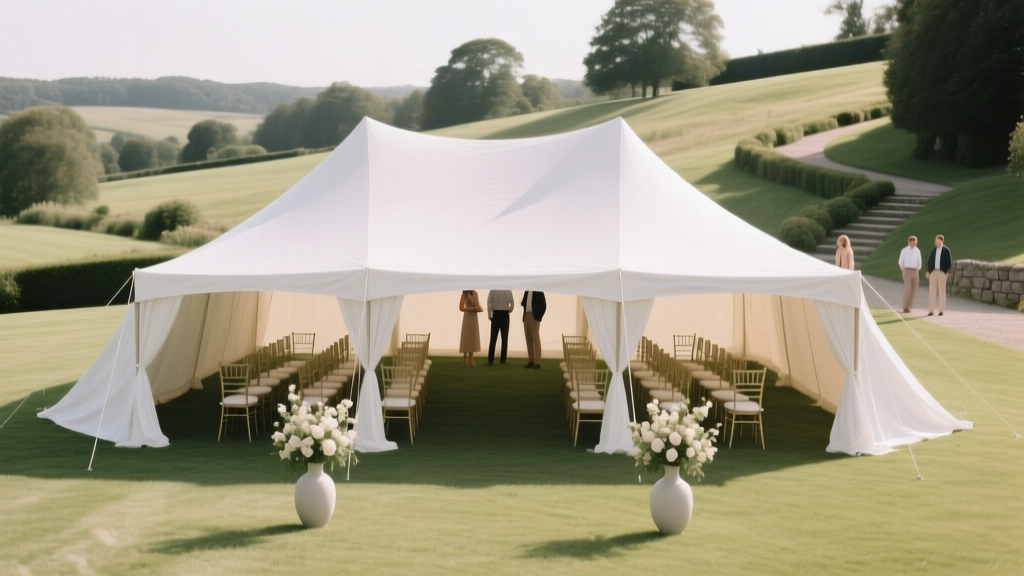 Wedding Tent Size Calculator: Exact Square Footage (2026)
 Groom Wedding Outfit Guide: Style Tips & Mistakes to Avoid
 Wedding Photography: 7 Pro Steps You’re Skipping (2026)
 Wedding Processional Timing: Exact Blueprint (2026)