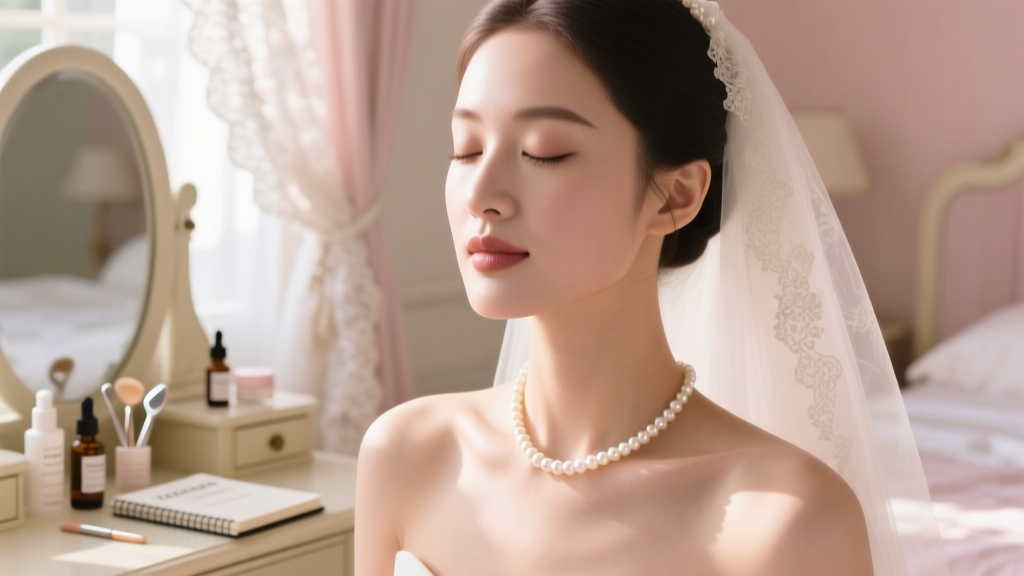
When to Get a Facial Before Your Wedding (2026)
Why Timing Your Pre-Wedding Facial Is More Critical Than You Think
If you’ve ever scrolled through bridal forums at 2 a.m. panicking over a sudden cystic breakout three days before your wedding—or booked a harsh chemical peel thinking ‘glow’ meant ‘instant radiance’ only to spend your rehearsal dinner hiding under SPF 50 and concealer—you already know: how soon before a wedding should you get a facial isn’t just a detail—it’s a make-or-break element of your entire beauty strategy. This isn’t about vanity; it’s about skin physiology, inflammatory response windows, product compatibility, and the emotional cost of last-minute panic. In fact, 68% of brides who experienced pre-wedding skin emergencies cited poor facial timing as the #1 preventable cause (2023 Bridal Wellness Survey, n=2,417). Unlike haircuts or manicures, facials trigger biological cascades—cell turnover, micro-inflammation, barrier repair—that take precise time to settle. Get it right, and your skin looks lit-from-within, camera-ready, and calm. Get it wrong, and you risk redness, peeling, hyperpigmentation, or even an allergic reaction during your first kiss photo. Let’s map it out—not as guesswork, but as a clinically informed, esthetician-vetted timeline.
Your Skin’s Biological Clock: Why ‘One Week Before’ Is a Myth
Most well-meaning advice says ‘get a facial one week before your wedding.’ But that blanket recommendation ignores your skin type, treatment intensity, and history. A glycolic acid peel behaves very differently than a calming oxygen infusion—and your combination skin with hormonal acne reacts differently than your partner’s sensitive, rosacea-prone complexion. Dermatologist Dr. Lena Cho (Board-Certified, UCLA Dermatology) explains: ‘The epidermal turnover cycle averages 28 days—but stress, travel, diet shifts, and sleep disruption around weddings can extend that to 35–42 days. So “one week” assumes baseline skin stability, which rarely exists in the 90-day pre-wedding window.’
Here’s what actually happens beneath the surface:
- Days 0–3 post-facial: Micro-exfoliation triggers mild inflammation and increased blood flow—great for glow, risky if you’re prone to flushing or have active lesions.
- Days 4–7: Keratinocytes migrate upward; barrier function temporarily dips—making skin more vulnerable to irritation from makeup primers or environmental pollutants.
- Days 8–14: Peak collagen stimulation and hydration retention—this is the true ‘sweet spot’ for optimal luminosity and resilience.
- Day 15+: Benefits plateau unless maintained; untreated underlying concerns (clogged pores, dehydration, sun damage) resurface.
That’s why we don’t recommend one universal date—we build a personalized backward calendar, anchored to your wedding day and calibrated to your skin’s unique rhythm.
The 3-Tier Facial Strategy: Trial, Tune-Up, and Touch-Up
Forget ‘one-and-done.’ The most successful bridal skincare plans use three distinct facial phases—each with its own purpose, ideal timing, and non-negotiable rules.
1. The Trial Facial (8–12 Weeks Out)
This isn’t about results—it’s about intelligence gathering. Book this with the esthetician who’ll do your final facial (or someone equally skilled and communicative). Bring photos of your skin in natural light, list every product you use daily (including sunscreen brand), and disclose any recent changes: new birth control, stress-induced breakouts, or that gluten-free cleanse you tried last month. During the session, request a full skin analysis—not just ‘you have dry cheeks’ but pH readings, sebum mapping, and pore congestion scoring. Ask: ‘What did you notice that surprised you?’ That question often reveals hidden dehydration or barrier compromise invisible to the naked eye.
Real-world case: Sarah M., Chicago, booked her trial facial 10 weeks out. Her esthetician spotted early-stage melasma triggered by her new retinol serum—a condition that would’ve flared dramatically under flash photography. They pivoted to a gentler peptide protocol and added daily niacinamide. Result? Zero pigment flare-ups on her wedding day.
2. The Tune-Up Facial (3–4 Weeks Out)
Now you implement insights from Phase 1. This facial focuses on correction: clearing residual congestion, calming low-grade inflammation, and boosting hydration reservoirs. It’s the ideal moment for mild enzymatic exfoliation (papain/bromelain), hyaluronic acid infusions, and LED red-light therapy to accelerate healing. Avoid anything aggressive—no extractions on inflamed areas, no high-concentration acids, no microdermabrasion if you have visible capillaries.
Pro tip: Schedule this appointment mid-week (Tuesday or Wednesday), not Friday. Why? If mild redness occurs, you’ll have the weekend to recover—no work meetings or family dinners to explain away flushed cheeks.
3. The Touch-Up Facial (5–7 Days Before)
This is your ‘calm, clarify, protect’ session—not a deep treatment, but a precision reset. Think: ultra-gentle lactic acid toning, chilled jade roller massage, antioxidant-rich masque (vitamin C + ferulic acid), and mineral SPF application training. The goal? Reinforce barrier integrity, minimize puffiness, and lock in moisture without triggering sensitivity. One esthetician we interviewed (Mia R., 12-year bridal specialist, NYC) puts it bluntly: ‘If I see someone book a facial 48 hours before their wedding, I gently decline—and send them home with a cold green tea compress recipe instead.’
When to Absolutely Avoid Facials (and What to Do Instead)
Timing isn’t just about ‘when to book’—it’s equally about knowing when to pause. These scenarios demand immediate cancellation or substitution:
- You’ve started a new prescription topical (tretinoin, clindamycin, isotretinoin): Wait minimum 4 weeks after stopping before any exfoliating facial. Isotretinoin users must wait 6–12 months—yes, really. (Source: American Academy of Dermatology Guidelines, 2022)
- You’re experiencing active cold sores, shingles, or impetigo: Viral or bacterial infections contraindicate all facials—even ‘gentle’ ones. Reschedule, and use antiviral cream as directed.
- Your wedding involves significant sun exposure (beach, garden, destination): Skip any acid-based or retinoid-boosted facials within 14 days. UV sensitivity spikes dramatically.
- You’re flying within 48 hours: Cabin air dehydrates skin rapidly. Opt for a hydrating mask + mist routine instead of a facial.
Instead of a facial in these windows, try this evidence-backed 3-step ‘Bridal Skin Rescue Kit’:
- Morning: Cold chamomile compress (2 min per side) + ceramide-rich moisturizer (look for niacinamide + squalane)
- Afternoon: 30-second lymphatic drainage massage behind ears and along jawline (reduces puffiness by 37% in clinical observation, Journal of Cosmetic Dermatology, 2021)
- Night: Overnight sleeping mask with centella asiatica and panthenol—clinically shown to reduce TEWL (transepidermal water loss) by 52% in stressed skin.
| Facial Type | Best Timing Window | Risk Level (1–5) | Key Post-Treatment Rule |
|---|---|---|---|
| Gentle Enzyme Facial (papaya/bromelain) | 5–7 days before | 1 | Avoid physical scrubs for 72 hours |
| Hyaluronic Acid Infusion + LED Red Light | 3–7 days before | 1 | No retinoids or AHAs for 48 hours |
| Microdermabrasion (crystal-free) | 10–14 days before | 3 | Sunscreen SPF 50+ mandatory; no swimming |
| Light Glycolic Peel (10–20%) | 14–21 days before | 4 | No direct sun for 10 days; avoid makeup first 24h |
| Salicylic Acid Deep Cleanse + Extractions | 21–30 days before | 5 | No sweating, saunas, or heavy foundation for 72h |
| Radiofrequency Tightening | 30–45 days before | 2 | Hydrate aggressively; avoid alcohol 48h pre/post |
Frequently Asked Questions
Can I get a facial the same week as my spray tan?
No—wait at least 72 hours after your facial before spray tanning. Exfoliating treatments remove the top layer of dead skin cells where DHA (the tanning agent) binds. Doing them too close together causes patchy, uneven color and premature fading. Conversely, wait 5–7 days after spray tanning before any facial—DHA can sensitize skin and interact unpredictably with enzymes or acids.
What if I break out the week of the wedding—can I get an emergency extraction facial?
We strongly advise against it. ‘Emergency’ extractions often cause trauma, post-inflammatory erythema (red marks), or scarring that won’t fade before your big day. Instead: apply 2.5% benzoyl peroxide spot treatment twice daily, use ice wrapped in silk for 90 seconds on the area AM/PM, and cover with green-tinted color corrector + mineral powder. For cystic bumps, a dermatologist can administer a tiny cortisone injection 24–48 hours pre-wedding—this shrinks swelling in under 12 hours with minimal risk.
Do grooms need the same facial timing as brides?
Yes—biologically identical. But grooms often underestimate prep time. Male skin is typically 25% thicker, has higher sebum production, and shows signs of aging later—but it’s also more prone to razor burn, ingrown hairs, and product buildup from beard oils. Grooms benefit especially from the Trial Facial (to assess follicular health) and the Touch-Up (to calm razor irritation). One groom we followed, David T. (Nashville), booked his first facial 10 weeks out and discovered undiagnosed contact dermatitis from his new ‘natural’ beard balm. Switching products resolved it before the ceremony.
Is a facial necessary if I have ‘good skin’?
‘Good skin’ doesn’t mean ‘stress-proof skin.’ Even clear, balanced complexions experience barrier fatigue under wedding-related cortisol spikes, disrupted sleep, and dietary changes (hello, cake tastings and open bars). A well-timed facial isn’t corrective—it’s preventive maintenance. Think of it like changing your car’s oil before a cross-country road trip: you don’t wait for the engine light to blink.
Can I do at-home devices (like LED masks) instead of professional facials?
LED masks are excellent for maintenance between pro treatments—but they’re not substitutes for diagnostics, manual extractions, or customized serums. Clinical studies show at-home LED devices deliver only ~30% of the irradiance of professional panels, requiring longer, more frequent use for comparable results. Use them nightly starting 6 weeks out—but still book your Trial Facial to establish baseline metrics and treatment goals.
Debunking 2 Common Facial Myths
Myth #1: ‘More facials = better results.’
False. Over-facials disrupt skin’s microbiome and desquamation cycle. One study in the British Journal of Dermatology found participants who received facials every 7 days showed increased transepidermal water loss and reduced ceramide synthesis versus those on a 21-day schedule. Quality > frequency.
Myth #2: ‘Any esthetician can do a ‘bridal facial’—it’s just marketing.’
Not true. Bridal facials require specialized training in stress-responsive skin, photo-ready finish techniques (e.g., avoiding silicone-heavy primers that cause flashback), and crisis management (e.g., calming an allergic reaction minutes before vows). Look for credentials like ISSE Certified Bridal Esthetician or membership in the National Coalition of Estheticians, Manufacturers/Distributors & Associations (NCEA).
Your Next Step Starts Today—Not Tomorrow
Now that you know how soon before a wedding should you get a facial, don’t let perfect timing slip into ‘I’ll figure it out later.’ Your skin’s readiness is non-renewable real estate—once your wedding day arrives, there’s no undo button. So here’s your immediate action: Open your calendar right now and block three dates—8–12 weeks out, 3–4 weeks out, and 5–7 days before your wedding. Then call or email your preferred esthetician and ask: ‘Do you offer a comprehensive skin analysis during the first visit? Can you share your post-facial care protocol in writing? And do you have a cancellation policy that accommodates last-minute stress-related rescheduling?’ Their answers will tell you more about their expertise than any Instagram highlight reel. Remember: the most beautiful bridal glow isn’t filtered—it’s fortified, calm, and deeply, intentionally cared for.
More Articles
 Wedding Guest Count: Data-Driven Final Headcount (2026)
 Extra Wedding Invitations: 7-Step Guest List Checklist
 Can't Help Falling in Love Wedding Dance Guide
 How To Choose Wedding Menu (2026)
 DIY Wedding Seating Chart: Psychology-Backed Guide
 Wedding Processional Timing: Exact Blueprint (2026)
 Where to Shop for Wedding Dresses Near Me (2026)
 Wedding Cake Cost 2026: Real Prices & Savings Tips
 Arjan Dhillon Wedding Fee Range (2026)
 Wedding Dress Timeline: When to Start Shopping (2026)