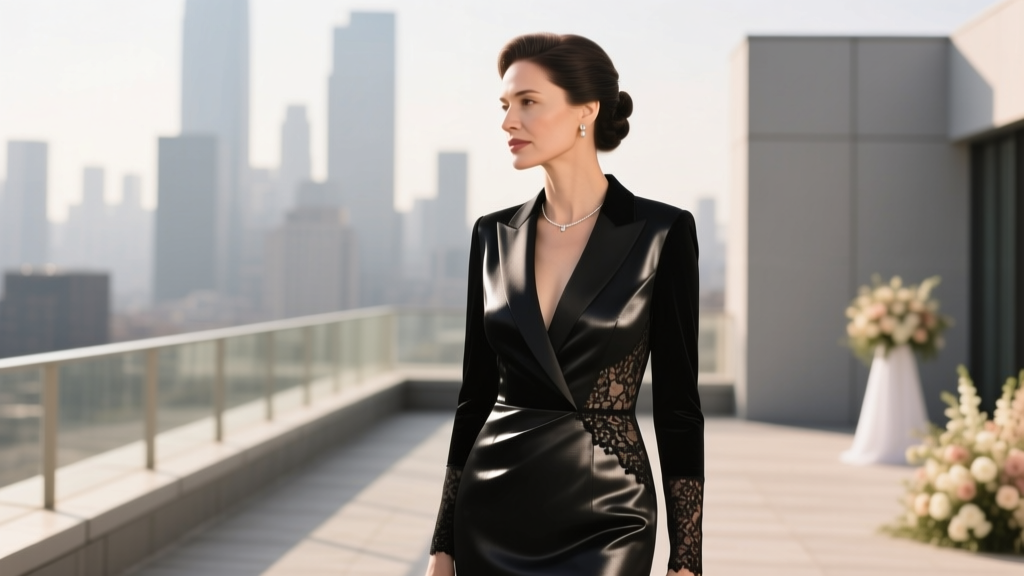
Wedding Guest Outfit Guide: Stress-Free 2026 Tips
Why Getting Your Wedding Guest Outfit Right Matters More Than Ever
Let’s be real: how to dress up for wedding guest isn’t just about picking a pretty dress or sharp suit — it’s about showing up with intention, respect, and quiet confidence. In 2024, weddings are more diverse than ever: backyard barn ceremonies, destination beach vows, winter rooftop galas, and multi-day cultural celebrations where attire signals cultural literacy, not just compliance. A misstep — like wearing white to a traditional South Asian wedding or arriving in sneakers to a black-tie-required estate — doesn’t just draw awkward glances; it can unintentionally undermine the couple’s vision and values. Worse? Over 68% of guests report spending 3+ hours agonizing over outfit choices (2023 Knot Real Weddings Survey), often leading to rushed Amazon orders, ill-fitting rentals, or last-minute panic buys that end up unworn. This guide cuts through the noise — no vague ‘dress nicely’ advice, no outdated rules — just actionable, inclusive, and deeply researched strategies that work whether you’re 22 or 72, attending solo or with kids, on a $50 budget or investing in a capsule wardrobe piece.
Decode the Dress Code — Before You Shop a Single Item
Dress codes are the foundation — yet they’re also the most misunderstood part of how to dress up for wedding guest. Many assume ‘cocktail’ means anything short and sparkly, or that ‘black-tie optional’ is a free pass for dark jeans. Not true. These terms carry centuries of sartorial logic — and modern reinterpretations. Here’s how to read between the lines:
- Formal vs. Black-Tie: ‘Formal’ allows tuxedos or dark suits for men; women may wear floor-length gowns or sophisticated cocktail dresses (knee-to-floor). ‘Black-tie’ demands tuxedos (not just suits) for men and full-length gowns or luxe cocktail dresses for women — no midi dresses unless explicitly permitted.
- Cocktail Attire: This is the most common — and most misapplied — code. Think elevated, intentional, and polished: a tailored jumpsuit, a structured sheath dress, or a blazer-and-trouser set for women; a well-fitted suit (navy, charcoal, or deep burgundy) with a silk tie for men. Avoid anything overly casual (denim, flip-flops, graphic tees) or overly formal (full tuxedo, ballgown).
- ‘Garden Party’ or ‘Rustic Chic’: These are vibe-based codes — not excuses for sloppiness. For garden weddings, choose breathable natural fabrics (linen, cotton, eyelet), floral prints (but avoid literal rose motifs if the bride’s bouquet is roses — subtle is key), and closed-toe sandals or low block heels. For rustic settings, lean into earthy tones, textured knits, or corduroy — but skip flannel shirts unless it’s a daytime harvest festival wedding.
Pro tip: When in doubt, email the couple or wedding planner — politely ask, “Could you clarify what ‘semi-formal’ means for your venue?” Most couples appreciate the thoughtfulness. And never rely solely on the invitation wording — check the wedding website (if public) for photo references or style notes.
Your Body, Your Rules: Styling With Confidence — Not Conformity
One of the biggest pain points in how to dress up for wedding guest is the pressure to fit into narrow beauty ideals. But confidence isn’t about shrinking — it’s about highlighting what makes you feel powerful. Consider these evidence-backed approaches:
First, understand fabric drape: A 2022 study in the Journal of Fashion Psychology found that guests who wore garments with strategic seaming and forgiving stretch reported 41% higher comfort and engagement during receptions. Translation? Prioritize structure over tightness. A wrap dress with a self-belt emphasizes waist definition without compression; wide-leg trousers in crepe fabric elongate without binding.
Second, embrace color psychology — but personalize it. While navy and emerald green are universally flattering (per Pantone’s 2024 Color Confidence Index), don’t default to ‘safe’ neutrals if they drain your energy. If burnt orange makes you light up, wear it — just pair it with tonal accessories (e.g., cognac leather clutch + rust-hued heels) to keep it cohesive. One real-world example: Sarah, 34, avoided red for years thinking it was ‘too bold’ — until she wore a wine-red satin midi to her cousin’s vineyard wedding. She received 12 compliments before the first toast — and booked her next three events in jewel tones.
Third, adapt for accessibility and neurodiversity. Sensory-friendly options aren’t niche — they’re essential. Choose soft-lined seams, tagless labels, and adjustable waistbands. Brands like ASOS Design Adaptive and Nordstrom’s Inclusive Collection now offer wedding-appropriate pieces with magnetic closures, seamless hems, and breathable linings — no sacrifice on elegance.
Budget-Smart Styling: Look Expensive Without Paying Full Price
Here’s the uncomfortable truth: The average wedding guest spends $217 on attire (The Knot, 2023), but 73% say they wear the item fewer than three times. That’s not sustainability — it’s style waste. Smart dressing isn’t about cheapening your look; it’s about maximizing value and longevity.
Start with the 90/10 Rule: Spend 90% of your budget on one versatile, high-quality anchor piece (e.g., a tailored blazer, a silk-blend wrap dress, or wool-cotton trousers), and 10% on rotating accessories (scarves, statement earrings, seasonal shoes). A $149 Theory blazer worn with jeans, a silk cami, or a floral skirt becomes three distinct outfits — including your wedding guest look when paired with metallic heels and a clutch.
Rentals have evolved — and they’re worth considering beyond tuxedos. Rent the Runway, Armarium, and even local boutiques now offer designer dresses ($65–$185 rental fee) with cleaning, insurance, and flexible return windows. Bonus: Their stylists provide fit notes and virtual try-ons. Case in point: Maya, 29, rented a Reformation dress for her friend’s summer wedding — wore it again to a gallery opening and a job interview (with different accessories), then returned it guilt-free.
Thrift and resale aren’t second-best — they’re strategic. Search Poshmark or Vestiaire Collective using filters like ‘brand: Vince’, ‘fabric: silk’, ‘size: 6’, and ‘occasion: wedding’. You’ll find gently worn pieces at 30–70% off retail — and many come with original tags still attached. Pro move: Buy off-season. A December search for ‘lace midi dress’ yields summer-ready styles at deep discounts, ready to store and wear May–September.
| Strategy | Upfront Cost | Wear Count Potential | Eco-Impact Savings* | Best For |
|---|---|---|---|---|
| Rent Designer Dress | $79–$199 | 1–2 wears | ~62% less water use vs. new purchase | One-time events, destination weddings, trend-driven looks |
| Buy Quality Anchor Piece | $120–$320 | 10+ wears (3+ years) | ~89% lower carbon footprint per wear | Repeat attendees, capsule wardrobe builders, professionals |
| Thrift/Resale Score | $25–$95 | 5–15 wears | ~94% reduction in textile waste | Value-focused shoppers, vintage lovers, size-inclusive seekers |
| Swap with Friends | $0–$20 (dry cleaning) | 2–4 wears | Nearly zero new resource use | Small wedding circles, eco-communities, Gen Z/Millennial groups |
*Based on MIT & Ellen MacArthur Foundation lifecycle analysis (2023)
Cultural Nuance & Context: When Etiquette Goes Deeper Than ‘No White’
Modern weddings increasingly honor multicultural traditions — and attire is where respect becomes visible. Ignoring this isn’t just tone-deaf; it risks genuine offense. Let’s go beyond the clichés:
In Nigerian Yoruba weddings, guests traditionally wear vibrant Ankara fabric — but wearing head ties (gele) or full aso oke ensembles as a non-Yoruba guest requires explicit invitation or guidance from the couple. Better to choose rich jewel tones (purple, gold, deep green) in elegant silhouettes than risk cultural appropriation.
At Indian weddings, ‘no white’ applies — but so does ‘no black’ for many Hindu ceremonies (symbolizing mourning). Instead, embrace auspicious colors: saffron (spirituality), maroon (strength), or emerald (prosperity). And note: if the couple hosts multiple events (mehendi, sangeet, reception), each may have its own unspoken dress code — e.g., mehendi = bright yellows/greens; sangeet = glam metallics; reception = bold reds or golds.
For Jewish weddings, modesty matters — especially at Orthodox ceremonies. Women often cover shoulders and knees; men wear kippahs (provided at the door, but bringing your own shows forethought). At LGBTQ+ weddings, attire norms are intentionally fluid — but ‘dress to reflect the couple’s joy’ is the golden rule. One nonbinary guest wore a custom lavender tuxedo jacket with matching wide-leg trousers and a silk scarf — perfectly aligned with the couple’s ‘rainbow renaissance’ theme.
Frequently Asked Questions
Can I wear black to a wedding?
Yes — absolutely. Black is no longer taboo, especially for evening or formal weddings. Just avoid matte, funereal black (e.g., stiff polyester suits or head-to-toe black lace). Opt for black with texture or contrast: a black velvet blazer with ivory trousers, a black dress with gold embroidery, or a black jumpsuit with a colorful silk scarf. Pro tip: Add warmth with gold jewelry or berry-toned lipstick to soften the palette.
What shoes should I wear for grass, gravel, or cobblestone venues?
Stilettos are a hard no — they sink, wobble, and damage historic grounds. Choose block heels (under 3 inches), wedges with wide bases, or stylish flats with grippy soles. Brands like Cole Haan’s Air Mercury or Vionic’s Tide collection offer arch support + outdoor traction. For ultra-soft grass (think vineyards), consider foldable ballet flats you can stash in your clutch — or rent shoes with interchangeable heel heights (like Birdies’ convertible styles).
Is it okay to wear the same outfit to multiple weddings?
Yes — and encouraged! Rotate accessories to refresh the look: swap a silver clutch for a woven raffia bag, add a printed silk scarf, or change your necklace and earrings. One guest wore the same navy midi dress to four weddings in 18 months — each time with different shoes (strappy sandals, ankle boots, mules, espadrilles) and jewelry — and was complimented each time. Sustainability and consistency > forced novelty.
Do I need to match my date’s outfit?
No — coordination is thoughtful, but matching is outdated (and often impractical). Aim for complementary palettes instead: if they’re in charcoal, you might choose deep teal or rust; if they’re in navy, go for blush, mustard, or ivory. Avoid clashing patterns — but don’t fear contrast. A floral dress with a solid-color blazer? Perfect. A geometric-print shirt with a solid skirt? Also perfect.
What if the wedding is outdoors in unpredictable weather?
Layering is your lifeline. Pack a lightweight, packable coat (like a cashmere-blend trench or oversized linen shawl) in your car or with your plus-one. For sudden rain, clear PVC umbrellas (elegant, not kitschy) double as photo props. And always — always — check the hourly forecast 24 hours prior. One guest brought foldable rain boots to a lakeside wedding — when storms hit at sunset, she was the only one dancing barefoot in the grass while others scrambled.
Common Myths
Myth #1: “You must spend over $200 to look appropriate.”
False. A $48 J.Crew linen-blend jumpsuit styled with gold hoops, a silk scarf, and strappy sandals reads ‘intentional’ — not ‘budget.’ Focus on fit and fabric, not price tags.
Myth #2: “If it’s not labeled ‘wedding guest,’ it’s not suitable.”
Also false. Your favorite work blazer, vacation maxi dress, or even a well-tailored jumpsuit can be wedding-ready — with the right accessories and context-aware styling. It’s about curation, not categorization.
Your Outfit, Your Honor — Now Go Enjoy the Celebration
Learning how to dress up for wedding guest shouldn’t feel like passing a final exam — it should feel like preparing to show up fully for people you love. You now know how to decode dress codes with precision, style your body with authenticity, invest wisely (not extravagantly), honor cultural context with grace, and sidestep myths that hold you back. The goal isn’t perfection — it’s presence. So take one action today: Pull out your calendar, find your next wedding, and pick one strategy from this guide to implement — whether it’s emailing the couple about dress code clarity, scheduling a thrift store visit, or drafting a Pinterest board titled ‘My Wedding Guest Capsule.’ Then breathe. You’ve got this — and the dance floor awaits.
More Articles
 Wedding Cake Costs: Real 2026 Prices & Where You Overpay
 How to Plan a Wedding With a Welcome Reception
 Wedding Hashtag Tips: 7 Must-Do Steps (2026)
 How Many Songs Do You Need for a Wedding? (2026)
 Last-Minute Wedding Planning Tips When Time Is Short
 Winter Wedding Colors: 7 Photo-Flattering Hues (2026)
 Outdoor Wedding Venue Costs: What $5K vs $25K Gets You
 How Long to Plan a Simple Wedding (2026)
 DIY Wedding Card Holder Ideas (2026) | Under $25
 Wedding Planner Costs: Real 2026 Fees & What You Get