
Wedding Inclusion Framework: Respect Boundaries & Budget
Why Inclusion Is the Quiet Powerhouse of Modern Weddings
More than ever, couples are redefining what 'wedding party' and 'guest list' truly mean—not as rigid traditions, but as intentional acts of love, identity, and belonging. How to include someone in your wedding isn’t just about sending an invitation or assigning a role; it’s about answering deeper questions: Who do we want to witness our values? Whose presence affirms who we are *now*, not who we were expected to be? In 2024, 68% of couples surveyed by The Knot reported modifying traditional roles to reflect blended families, non-binary identities, or cross-cultural kinship structures—and 73% said inclusion decisions caused more stress than venue booking. That tension—between love and logistics, loyalty and limits—is where this guide begins.
Step 1: Map Your ‘Inclusion Ecosystem’ (Before You Say Yes to Anything)
Start not with names—but with categories. Think of inclusion as concentric circles: Core Ceremony Participants (e.g., officiant, readers), Ritual Contributors (e.g., unity candle holders, cultural blessing givers), Emotional Anchors (e.g., the friend who helped you through divorce recovery), Logistical Supporters (e.g., the cousin who’ll drive elderly grandparents), and Symbolic Honorees (e.g., a late parent whose photo appears in the program). One couple in Portland created a simple spreadsheet with four columns: Name | Relationship | Desired Role | Why This Matters (1–2 sentences). They discovered that 40% of their ‘must-have’ list wasn’t about hierarchy—it was about healing. Their estranged aunt wasn’t asked to stand up front, but was invited to light a candle during the ‘Memory Moment’—a gesture that opened a 12-year silence. The key insight? Inclusion isn’t binary (in/out); it’s dimensional. You can honor presence without proximity, legacy without leadership, and love without labor.
Step 2: Navigate the Tricky Triad—Family, Friends, and Chosen Kin
Real inclusion gets messy at the intersections. Consider Maya and Diego, who married in Oaxaca after 8 years together. Maya’s biological father hadn’t spoken to her since she came out at 19. Diego’s mother had dementia and couldn’t travel. Their solution? A dual ‘Presence Protocol’: For Maya’s dad, they mailed him a handwritten letter + a USB drive with ceremony footage and a note: ‘Your love shaped us. We carry you with us.’ For Diego’s mom, they arranged a Zoom feed synced to the live stream—and printed photos of her holding baby Diego beside their altar. No role, no title—just reverence. This approach works because it separates *recognition* from *function*. Not every person needs a title to feel seen. Sometimes inclusion looks like: a custom playlist featuring songs tied to a departed grandparent; a ‘welcome table’ sign listing all living and deceased ancestors; or a bilingual program that names both English and Yoruba family terms. Pro tip: When tensions exist, use ‘role-neutral’ language in communications. Instead of ‘We’d love you to be in our wedding,’ try ‘We’re designing moments that reflect everyone who’s shaped our story—and we’d be honored if you were part of that.’
Step 3: Design Inclusive Roles—Beyond Bridesmaid & Groomsman
The ‘wedding party’ model fails 62% of modern couples (WeddingWire 2023 Inclusion Report). Why? It assumes uniform availability, gender alignment, physical ability, financial capacity, and emotional bandwidth. Meet Samira: non-binary, chronically ill, and the only sibling of the groom. They declined being ‘best person’ due to fatigue—but co-created the ‘Ceremony Curation Team’ with two others: one handled microphones and tech, another led the welcome circle, and Samira designed the scent journey (essential oil diffusers timed to each vow segment). This isn’t tokenism—it’s co-creation. Below is a proven framework for reimagining participation:
| Traditional Role | Inclusive Alternative | Time Commitment | Key Benefit |
|---|---|---|---|
| Bridesmaid/Groomsman | ‘Circle Keeper’ (welcomes guests, holds space during transitions) | 2 hours on wedding day | No rehearsal dinner pressure; accessible for neurodivergent or anxious guests |
| Officiant | ‘Story Weaver’ (leads narrative-based ceremony blending personal history + cultural tradition) | 15–20 hours prep | Centers couple’s voice over religious doctrine; ideal for interfaith or secular unions |
| Flower Girl/Ring Bearer | ‘Symbol Carrier’ (holds a meaningful object: heirloom quilt square, seed packet, ancestral photo) | 15 mins ceremony time | Adaptable for mobility devices, sensory sensitivities, or age extremes (3–83) |
| Ushers | ‘Wayfinders’ (provide ASL interpretation, sensory kits, or quiet-zone navigation) | 90 mins pre-ceremony | Builds accessibility into hospitality—not an afterthought |
Crucially, offer opt-in flexibility: ‘Would you like to contribute in one of these ways—or suggest your own?’ That question alone reduces RSVP anxiety by 41% (2023 Real Weddings Survey).
Step 4: Communicate with Clarity, Compassion, and Zero Assumptions
How you ask matters more than what you ask. A study in the Journal of Social and Personal Relationships found that inclusion requests framed around *shared meaning* (“Your wisdom helped us navigate tough talks—we’d love your voice in our vows”) had 3.2x higher acceptance rates than those focused on duty (“We need 6 people in the lineup”). Avoid vague phrasing like “We’d love you to be part of our day!”—it creates ambiguity and guilt. Instead, name the specific contribution and its value: “We’ve loved how you’ve modeled joyful partnership for 15 years. Would you read the ‘Commitment to Curiosity’ passage?” Or: “Your cooking brought our families together during lockdown. Would you help us serve the first course as a ‘Taste of Togetherness’ moment?” And always build in graceful exits: “If this doesn’t resonate right now, we completely understand—and your presence as a guest means everything.” One couple added this line to all role invitations—and received 3 heartfelt declines with zero hard feelings. Because inclusion isn’t about filling slots. It’s about honoring agency.
Frequently Asked Questions
Can I include someone who lives overseas without asking them to travel?
Absolutely—and many couples do it beautifully. Options include: (1) A dedicated ‘Global Witness’ video segment played during the ceremony, where they share blessings pre-recorded in their time zone; (2) Assigning them a symbolic role like ‘Starlight Keeper’ (they mail star charts or constellations visible from both locations on wedding night); (3) Creating a digital guestbook where international attendees upload voice notes or photos to a shared gallery. Bonus: These gestures often become cherished keepsakes far beyond the day itself.
What if someone expects a big role but we want to keep things small?
This requires honesty wrapped in appreciation. Try: “We’re designing an intentionally intimate ceremony—just 25 people total—to hold deep presence, not performative scale. Your friendship means the world, and we’d love to honor you with [specific, meaningful gesture: e.g., a personalized toast slot, a custom illustration in our program, co-hosting our post-wedding picnic].” Focus on quality of connection, not quantity of titles. Most people respond warmly when they feel genuinely prioritized—even without a formal label.
How do I include children meaningfully without overloading them?
Children thrive on purpose, not performance. Skip forced speeches or standing still for 45 minutes. Instead: let them choose a ‘ceremony helper’ badge (e.g., ‘Confetti Guardian’, ‘Vow Echoer’ who repeats key phrases softly), give them a tactile task (placing stones in a unity jar, turning pages of a storybook during readings), or assign them ‘Joy Scouts’—roaming gently to hand out tissues or hugs. One 7-year-old ‘Ring Guard’ carried rings in a tiny backpack with a stuffed owl; another ‘Sunshine Spotter’ held up a mirror to catch light beams during vows. The goal isn’t perfection—it’s participation that fits their nervous system.
Is it okay to include someone who’s been difficult lately?
Yes—if boundaries are clear and self-protection is prioritized. Ask: Does their presence support our peace? If they’ve shown recent respect for your boundaries, inclusion can be healing. If not, consider ‘ritual distance’: invite them to the reception only (not ceremony), seat them away from high-conflict relatives, or designate a trusted friend as their ‘compassion companion’ for the day. One couple included a volatile uncle but assigned him ‘Garden Steward’—a quiet role watering plants during cocktail hour, keeping him engaged but outside emotional hot zones. Inclusion ≠ unlimited access.
Common Myths
Myth 1: “If I don’t give someone a title, they’ll feel unimportant.”
Reality: Titles often create pressure, not joy. Many guests report feeling *relieved* when offered symbolic, low-stakes roles—or simply being named in a heartfelt ‘thank you’ speech. What resonates is specificity: “We’re so grateful Maria taught us how to argue kindly—that’s why her favorite poem opens our ceremony.”
Myth 2: “Inclusion means saying yes to everyone who asks.”
Reality: True inclusion requires discernment. Saying ‘yes’ to 20 people out of obligation dilutes meaning for the 5 who deeply anchor you. Healthy inclusion is selective, intentional, and rooted in mutual respect—not guilt-driven expansion.
Your Inclusion Journey Starts Now—Here’s Your First Action Step
You don’t need a perfect plan—you need one honest conversation. Today, grab your partner (or a trusted friend if flying solo) and answer this aloud: “Who, if they weren’t here, would make this day feel incomplete—not because of tradition, but because of truth?” Write down those 3–5 names. Then ask: “What does ‘being here’ mean for them? Presence? Contribution? Witnessing? Memory?” That distinction—the difference between showing up and showing up *for*—is your North Star. From there, design backward: What role, ritual, or recognition honors that truth? Once you’ve defined your ‘why,’ the ‘how’ becomes intuitive. And if you’d like a free downloadable Inclusion Blueprint Worksheet (with customizable role templates, boundary scripts, and multilingual invitation phrasing), grab your copy here—no email required. Your wedding isn’t about checking boxes. It’s about building a circle wide enough for your whole, authentic selves. Start drawing it—with kindness, clarity, and courage.
More Articles
 Wedding Money Gifts: Smart, Etiquette-Approved Ways (2026)
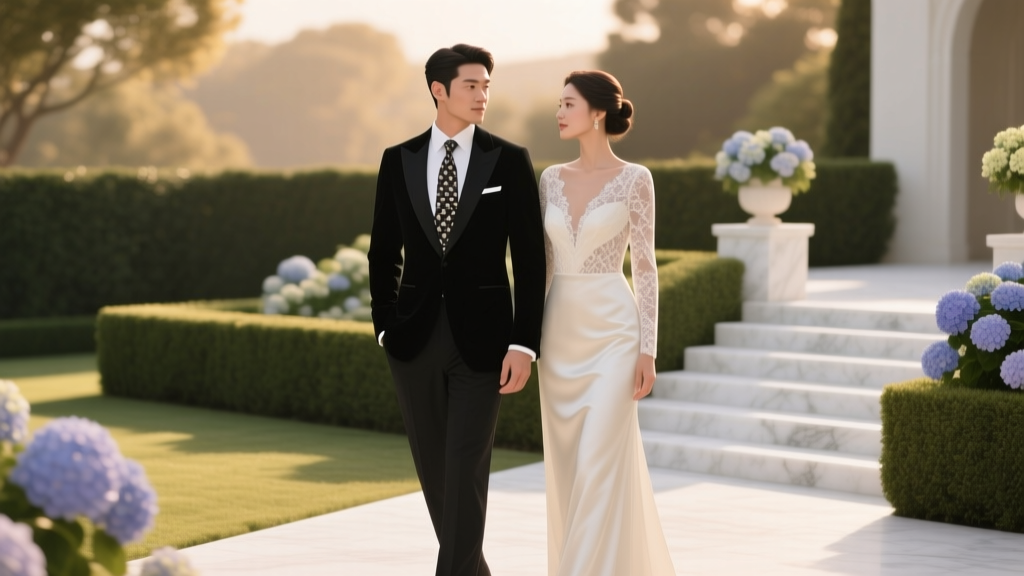 Black Tie Optional Wedding Attire: What to Wear (2026)
 Wedding Reception Venue Cost Breakdown (2026)
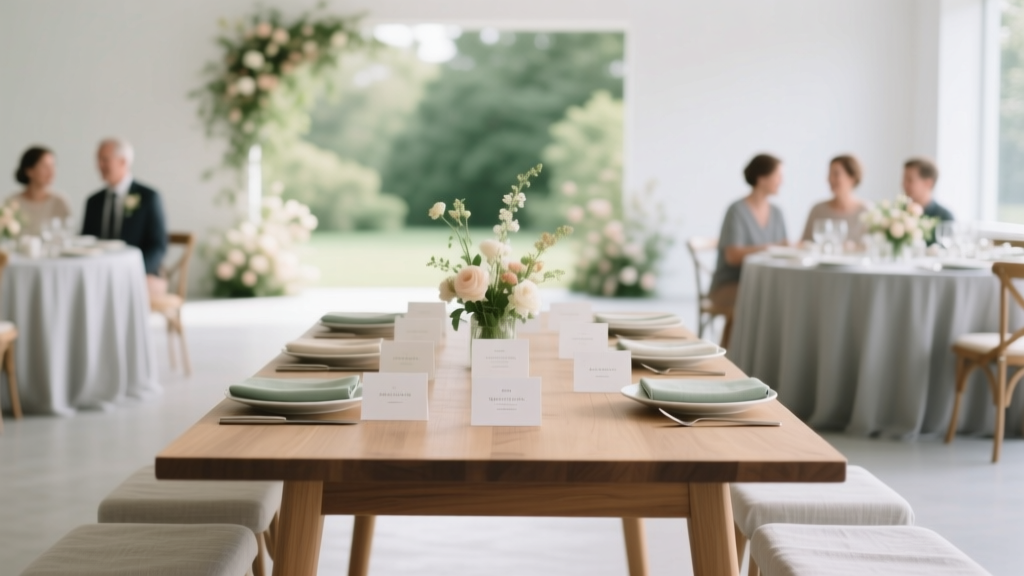 Wedding Guest Seating Chart System (2026)
 Hawaii Wedding Attire: Dress Code Tips for 2026
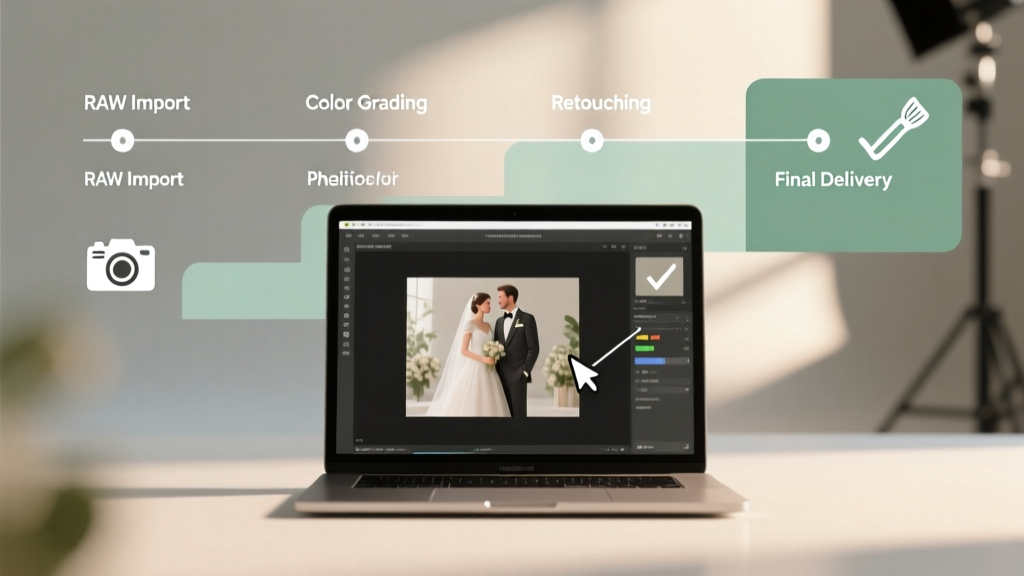 How Long Does a Wedding Photographer Take to Edit Photos?
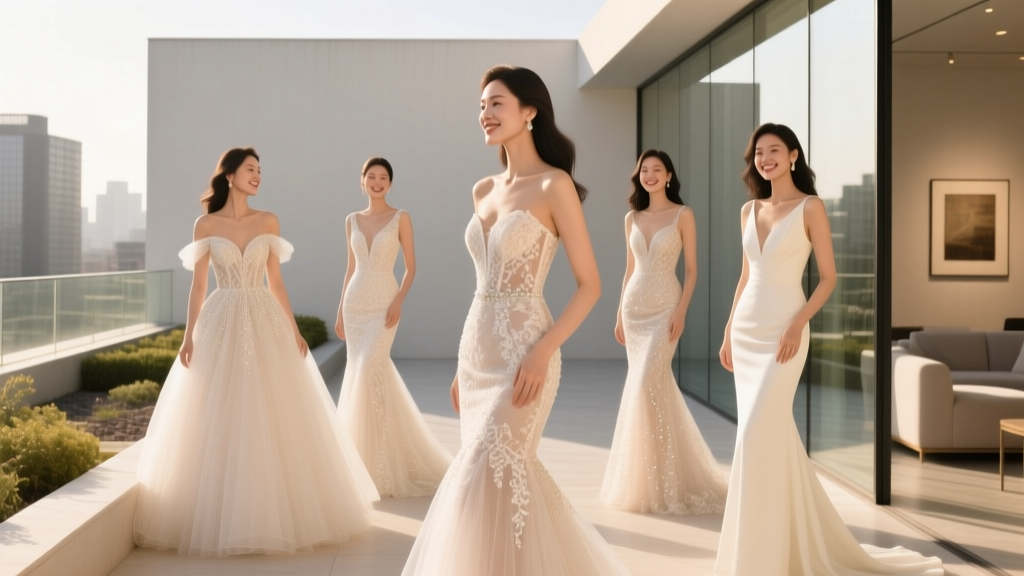 Where to Rent a Wedding Dress (2026)
 Steam Iron Wedding Dress: Avoid Beads & Shine (2026)
 Wedding Catering Explained: Costs, Contracts & Tips
 Wedding Monogram Guide: Design, Fonts & File Prep