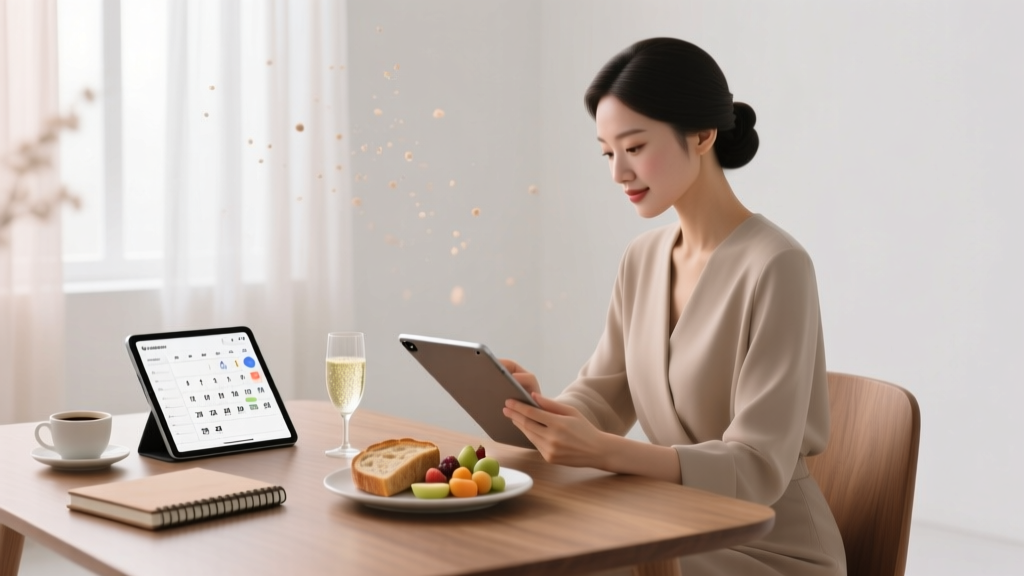
Wedding Day Vendor Meal Breaks Scheduling Guide
You’ve probably spent hours thinking about your guest experience: the ceremony timing, the cocktail hour vibe, the perfect dinner menu, and how to keep the dance floor full. One detail that often gets overlooked (until it becomes stressful) is when and how your wedding vendors will eat.
Here’s the truth: your photographer, DJ, coordinator, videographer, and other pros are working long hours so your day feels effortless. Building in vendor meal breaks is one of the simplest ways to support the team that’s supporting you—while also protecting your timeline from avoidable delays.
This guide will walk you through exactly how to schedule vendor meal breaks, what to ask in contracts, how to budget for meals, and how to avoid the most common pitfalls. Think of it as the behind-the-scenes planning that makes everything run smoothly in plain sight.
What Are Vendor Meal Breaks (and Why They Matter)?
A vendor meal break is a planned window for your wedding professionals to eat during your reception. Most vendors are onsite for 6–12+ hours, often without easy access to food. Feeding them isn’t just kind—it’s practical.
How vendor meal breaks protect your wedding day
- They keep your timeline on track: A fed vendor can work continuously; an unfed vendor may need to step away unexpectedly.
- They improve service quality: Your photo team, coordinator, and DJ are sharper (and more patient) when they’ve had a real break.
- They reduce risk: Hungry vendors are more likely to make mistakes, miss cues, or experience fatigue during key moments.
- They can be a contract requirement: Many vendor agreements specify a meal after a certain number of hours.
Which vendors typically need meals?
It varies by contract and hours worked, but commonly:
- Photography team (lead + second shooter)
- Videography team
- Wedding planner/coordinator and assistants
- DJ or band members (especially for long receptions)
- Photo booth attendant
- Content creator
- Live painter
- Officiant (if staying through reception, less common)
Hair and makeup artists typically finish before dinner, so meals are less common unless they’re staying for touch-ups.
First Step: Check Contracts Before You Build the Timeline
Before you finalize your wedding day schedule, pull up each vendor contract and look for meal and break language. If you don’t see it, ask. It’s much easier to plan meal timing upfront than to scramble later.
Contract details to look for
- Meal requirement: “Hot meal” vs. “vendor meal” vs. “access to cocktail hour food”
- Timing: Often specified as “after X hours of coverage”
- Length of break: Commonly 20–30 minutes
- Non-working break: Some contracts state they won’t work (or won’t be liable for missed moments) during the meal
- Overtime triggers: If a break isn’t provided, they may bill overtime or add fees
Quick script to email vendors
If you want a simple way to ask:
“Hi [Vendor Name], we’re finalizing our reception timeline. Could you confirm your meal break requirements (timing and length) and whether you need a hot meal? Thank you!”
Budgeting for Vendor Meals (Without Blowing the Catering Total)
Vendor meals are a real line item, and they add up—especially with a photo/video team. The good news: you usually have options.
Typical cost range
- Vendor meal pricing: Often 30–60% of a guest plate (venue/caterer dependent)
- Buffet vs. plated: Buffets can be more flexible and sometimes cheaper for vendor meals
- Children’s meals: Some caterers allow vendors to receive the kids’ meal price (ask politely—no assumptions)
Ways couples keep vendor meals budget-friendly
- Ask your caterer about a “vendor meal” option: Many offer a simpler entrée than the guest meal.
- Offer the same meal as guests when possible: It’s easiest logistically and avoids confusion.
- Count vendor meals early: Add them to your headcount from the start so you’re not surprised at final numbers.
- Confirm dietary restrictions: Avoid last-minute special orders (which can cost more).
Planning tip: If your catering is per-person and you’re trying to trim costs, you’ll usually get more value cutting one guest invite than cutting meals for the team responsible for your photos, timeline, and music.
When Should Vendors Eat? The Best Timing Options
The goal is simple: vendors eat when it won’t disrupt coverage—and when food is actually available. There are three common approaches.
Option 1: Vendors eat when guests are served (most common)
This works well for photographers/videographers because dinner is usually a “low-action” portion of the reception.
- Best for: Plated dinners, formal timelines, multi-course meals
- Watch out for: Vendors being served last (which delays their return to work)
Pro recommendation: Ask the caterer to serve vendors immediately after the couple is served (or right after head table). That way the team finishes eating before toasts, first dance, or parent dances begin.
Option 2: Vendors eat during cocktail hour
Sometimes couples prefer vendors to eat earlier so they’re fully available during dinner events (toasts, table visits, sunset portraits).
- Best for: Heavy reception programming during dinner
- Watch out for: Your photo/video team may need to capture cocktail hour details and candids
If you choose this option, consider assigning your second shooter or assistant to keep working while someone eats, then swap.
Option 3: Staggered meals (best for continuous coverage)
Staggering means one person eats while another stays “on,” then they switch. This is common for photo/video teams and coordination teams.
- Best for: Two-person (or larger) teams, packed timelines, cultural wedding schedules
- Watch out for: Caterers needing clear instructions so meals don’t arrive all at once
How to Build Vendor Meal Breaks into Your Wedding Timeline
Use this as a checklist-style process while you’re creating your reception timeline (or while reviewing one from your planner/coordinator).
Step-by-step scheduling checklist
- List every vendor onsite during dinner. Include assistants and second shooters.
- Confirm meal requirements and break length. Use contracts + a quick email check.
- Choose a meal timing strategy. Same time as guests, cocktail hour, or staggered.
- Place “Vendor Meal Break” on the timeline. Yes—literally write it in, like any other event.
- Protect key moments. Avoid scheduling toasts, first dance, or parent dances during the first 10–15 minutes of vendor meals.
- Coordinate with catering. Provide a vendor meal count and preferred serving time.
- Confirm where vendors will sit. A designated vendor table is ideal (more on that below).
- Communicate the plan. Share with planner/coordinator, catering manager, DJ/band leader, and photo/video leads.
A sample reception timeline with vendor meals built in
Here’s a realistic example for a 5:30 PM ceremony and plated dinner:
- 5:30 PM Ceremony
- 6:00 PM Cocktail hour (vendors working)
- 7:00 PM Guests invited to dinner
- 7:10 PM Couple served dinner
- 7:15 PM Vendors served dinner (goal: immediately after couple)
- 7:45 PM Toasts begin (vendors finished eating and ready)
- 8:05 PM First dance + parent dances
- 8:20 PM Open dancing
That small tweak—serving vendors early—prevents the classic issue where toasts start and your photographer is still waiting on food.
Vendor Seating and Logistics: Where Do They Eat?
Where vendors eat impacts how quickly they can get back to work. It also affects how comfortable they feel while taking a short break.
Best practice: A dedicated vendor table
- Close enough to return quickly: Ideally near the reception room, but not in the center of guest seating
- Out of guest traffic: Not next to the DJ speakers or a busy service door
- Proper chairs and table space: Vendors often need to sit for a moment, hydrate, and reset batteries/cards
Real-world scenario: If your photographer is seated in a far back room with no view of the reception, they may miss the start of a surprise toast or a spontaneous moment. A nearby vendor table reduces that risk.
Should vendors eat the same meal as guests?
Many couples choose the same entrée for simplicity. Others request a vendor meal (simpler plate). Either is fine as long as it’s filling and served on time.
What to avoid: Offering only leftover appetizers or a “grab something when you can” approach. It sounds flexible, but it often leads to vendors not eating at all.
Real-World Scheduling Scenarios Couples Run Into
Scenario A: Plated dinner with multiple courses and long speeches
If you have salad, entrée, and dessert plus several toasts, dinner can stretch longer than expected. That’s a big deal for vendor meal timing.
- Solution: Ask catering to serve vendors right after the couple’s entrée is served (not after all guests).
- Timeline tip: Schedule toasts between courses only if vendors are already done eating.
Scenario B: Sunset portraits during dinner
You want golden hour photos, but dinner is when the light is best.
- Solution: Stagger meals for the photo/video team.
- Example: Second shooter eats while lead captures dinner candids, then lead eats while you step out for sunset portraits.
Scenario C: Cultural wedding with extended reception programming
For weddings with multiple outfit changes, performances, or a longer program, breaks need to be intentional.
- Solution: Build two short breaks into the day (for example, a meal break plus a later snack break).
- Bonus tip: Consider adding vendor snacks and water backstage or in the vendor room.
Scenario D: Food truck or casual dinner setup
Food trucks can be fun, but lines can be unpredictable.
- Solution: Provide vendor meal tickets or coordinate with the truck to serve vendors at a designated time.
- Timeline tip: Don’t schedule toasts until vendors have actually eaten—food truck service delays are common.
Common Mistakes to Avoid (and How to Fix Them)
- Mistake: Forgetting vendor meals in the final headcount.
Fix: Add vendors to your catering count from day one; confirm again at the RSVP deadline. - Mistake: Serving vendors last.
Fix: Request vendor plates be served immediately after the couple (or with head table). - Mistake: Scheduling speeches right as dinner is served.
Fix: Start toasts 30–45 minutes after vendor meals begin, or after you confirm vendors have finished. - Mistake: No designated place for vendors to eat.
Fix: Assign a vendor table in the reception space or a nearby room with quick access. - Mistake: Assuming “they can just eat during downtime.”
Fix: Put a real meal break on the timeline and communicate it to the team.
Wedding Planner Pro Tips for Smooth Vendor Meal Breaks
- Build a 10-minute buffer after dinner service starts. Dinner rarely begins exactly on time. A buffer prevents your whole reception from feeling rushed.
- Keep vendors in the loop on program changes. If toasts move earlier, tell your coordinator and photo lead so meal timing can adjust.
- Provide water and a quick snack stash. A small basket with water, granola bars, and fruit in the vendor area can be a lifesaver—especially for summer weddings.
- Confirm dietary needs early. Vegetarian, gluten-free, or allergies should be shared with catering before the final planning meeting.
- Consider a “vendor captain.” If you have a planner, they can coordinate meal timing with catering. If not, assign a trusted point person (not you) to handle questions.
Vendor Meal Planning Quick Checklist
- Count all vendors onsite during dinner (including assistants)
- Check contracts for meal/break requirements
- Confirm dietary restrictions
- Choose meal timing: with guests, cocktail hour, or staggered
- Request vendors be served right after the couple
- Add “Vendor Meal Break” to your reception timeline
- Assign a vendor table/location
- Share the plan with your coordinator and caterer
FAQ: Wedding Day Vendor Meal Breaks
Do I have to feed my wedding vendors?
You’re not legally required in most places, but many vendor contracts require a meal for events over a certain length (often 6+ hours). Even when not required, feeding vendors helps protect your timeline and the quality of their work.
How many vendor meals should I budget for?
Start with every professional who will be onsite during dinner service, including assistants. A common total is 4–10 meals depending on your team size (photo + video alone can be 2–5). Your planner/coordinator can help you confirm.
When should vendors be served dinner?
Best practice is to serve vendors right after the couple is served, so they can eat quickly and be ready for toasts, dances, and other reception events.
Can vendors eat the same meal as guests?
Yes, and it’s often the simplest option. Some caterers offer a reduced “vendor meal” that’s different from guest plates. Either works as long as it’s a filling meal and served on time.
Do vendors need a seat at a guest table?
A dedicated vendor table is usually better than placing vendors at guest tables. It gives them a quick, comfortable break without interrupting guest conversation—and helps them return to work faster.
What if we’re doing a buffet or food truck?
Buffets are generally easy for vendor meals, but food trucks can create long lines. Plan a specific serving time for vendors or provide meal tickets and ask the truck to serve vendors promptly to avoid coverage gaps.
Next Steps: Make This One Small Plan and Feel the Difference
If you’re building your wedding reception timeline right now, add one line: “Vendor Meal Break”—then confirm the serving plan with your caterer. That simple step can prevent delays, protect your photo/video coverage, and help your whole vendor team show up at their best.
Want to keep planning with less stress and more confidence? Explore more practical wedding planning guides on weddingsift.com—we’re here to help you feel supported from the big decisions down to the tiny timeline details.
More Articles
 Wedding Guest Seating Chart System (2026)
 Pop for Wedding: Exact Calculation Formula (2026)
 How to Write Late Father's Name on Wedding Card
 Wedding Invitation Envelope Labeling: 7-Step Checklist
 Sell Wedding Rings Near Me: Top 7 Local Options (2026)
 When to Buy Wedding Dress: The Optimal Timeline
 27 Wedding Types: Find Your Perfect Style (2026)
 Wedding Ring Cost: Real-World Prices (2026)
 Long Hair Wedding Styles: 7 Heat-Free, 12+ Hour Looks (2026)
 Wedding Invites Timeline: Backward-Planned from Date (2026)