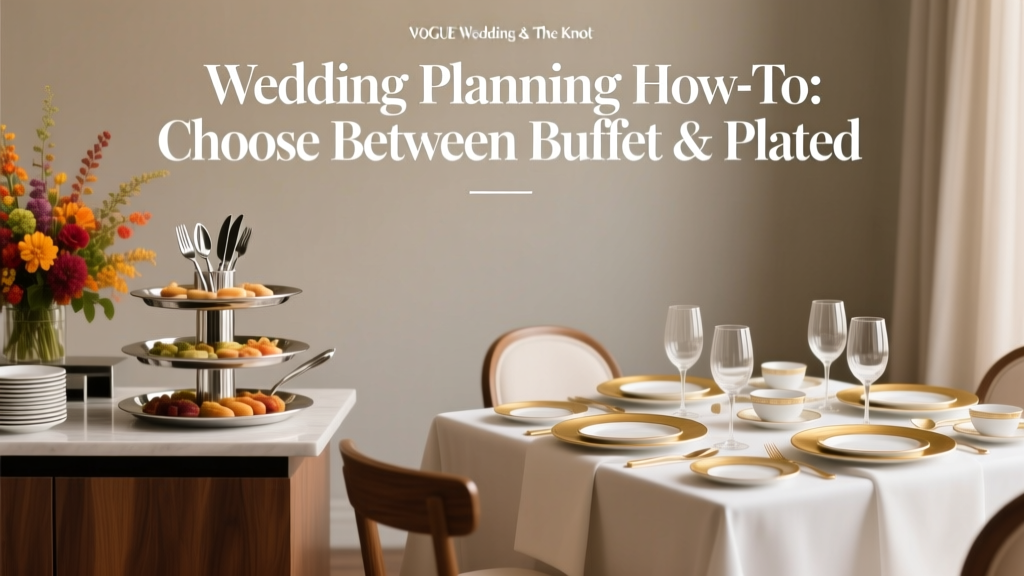
Wedding Planning How to Choose Between Buffet and Plated
You’ve picked a date, you’re dreaming about the first dance, and then—bam—the reception meal question lands on your to-do list: buffet or plated? It sounds like a simple catering choice, but it can shape your entire wedding reception flow: the timeline, the vibe, the guest experience, and yes, your budget.
If you’re feeling torn, you’re not alone. Many couples want a meal that feels special and “wedding-worthy,” while also keeping guests happy (and making sure Aunt Linda can eat gluten-free without stress). The good news: there isn’t one “right” answer—there’s the right fit for your guest list, venue, and priorities.
This guide breaks down buffet vs. plated dinner in a practical, real-world way, like a planner friend walking you through the pros, the tradeoffs, and the details that rarely show up on a catering proposal.
Buffet vs. Plated: The Real Difference (Beyond the Food)
On paper, the difference is straightforward:
- Buffet: Guests serve themselves from a set of stations or a main buffet line (sometimes assisted by staff).
- Plated: Guests are served a pre-selected meal at the table (often with a choice collected in advance).
In practice, the choice affects:
- Timing: How quickly guests get fed and how predictable your reception timeline will be
- Atmosphere: Formal, relaxed, social, or “dinner party” vibes
- Staffing: Servers, bussers, chefs, and setup needs
- Guest comfort: Mobility needs, long lines, dietary restrictions, and portion preferences
- Budget: Catering pricing, rentals, and labor can swing either way depending on your setup
Start Here: A Quick Decision Checklist
If you want a fast gut-check, use this shortlist. Tally which side you lean toward more often.
You may prefer a buffet if you want:
- A relaxed, social feel (guests mingle and move around)
- More variety and flexible portion sizes
- Easier accommodation for picky eaters (especially kids)
- A menu that highlights comfort foods or regional favorites
- A way to stretch your catering budget in the right venue and setup
You may prefer plated if you want:
- A more formal, polished guest experience
- A predictable schedule for speeches, dances, and photography
- Guests seated and served (great for older guests or limited mobility)
- Less traffic and fewer lines in the reception space
- A “restaurant-style” presentation and portion control
Budget Considerations: What Actually Changes the Cost
Couples often assume buffets are always cheaper. Sometimes they are. Sometimes they aren’t. Here’s what tends to move the budget either way.
What can make a buffet more affordable
- Fewer servers per guest (especially in venues that allow a streamlined service plan)
- Menus built for volume (pastas, roasted chicken, seasonal vegetables, salad bars)
- Reduced plating labor in the kitchen during service
What can make a buffet cost more than expected
- Extra food quantities to ensure the buffet stays full and looks abundant
- Attended stations (carving stations, taco stations, pasta action stations)
- Rentals for chafers, serving pieces, station décor, or extra tables
- More space needs (which can increase venue costs or layout complexity)
What can make plated dinners more expensive
- Higher staffing requirements for synchronized service and table clearing
- More prep and timing precision (especially with multiple entrée options)
- Additional course structure (salad course, soup course, intermezzo, etc.)
Where plated can save money
- Tighter portion control and less “just in case” food
- Less need for large buffet setups and equipment
- More predictable waste (especially with accurate RSVPs)
Planner tip: Ask your caterer for an “apples to apples” comparison: buffet vs. plated for the same menu quality, including labor, rentals, service charges, and staffing. The line items matter.
Guest Experience: Comfort, Accessibility, and Flow
Your guests will remember if the meal felt easy. Not fancy—easy. Think through these guest comfort factors.
Mobility and accessibility
- Plated is usually easier for older guests, pregnant guests, and anyone using mobility aids.
- Buffet can still work beautifully if you offer table-side assistance or have staff serve guests in line.
Dietary restrictions
Both styles can accommodate allergies and dietary needs, but the execution differs:
- Plated: You can assign meals by place card (e.g., “Chicken,” “Vegan,” “GF”). This tends to reduce anxiety for guests with severe allergies.
- Buffet: Requires excellent labeling, separate serving utensils, and a plan to prevent cross-contamination. Consider having a staff member serve restricted plates directly from the kitchen.
Lines and wait time
Buffet lines can be smooth—or they can drag. The difference is usually logistics:
- Number of guests (80 vs. 220 feels very different)
- One buffet line vs. two-sided stations vs. multiple stations
- Room layout and table spacing
Real-world scenario: A 150-guest wedding with one buffet line often creates a 20–35 minute stagger between first and last tables being served. With two identical buffet lines or two-sided access, you can often cut that in half.
Timeline Impact: How Dinner Style Shapes the Reception
If you’re building a wedding reception timeline, dinner service is one of the biggest schedule anchors.
Typical time ranges (very general)
- Buffet: 45–90 minutes total dinner window (depends heavily on lines and speeches)
- Plated: 60–120 minutes (depends on number of courses and kitchen speed)
Speeches: before, during, or after dinner?
- Buffet: Speeches are often best after most guests have food. Otherwise, you’ll pause lines or speak over clattering plates.
- Plated: Speeches can work between courses (salad served, then toasts, then entrée). This is a classic approach for a formal wedding.
Photo timing considerations
If you’re doing sunset photos, plated service can be easier to predict—your photographer can plan around specific course timing. With buffets, you can still make it work, but you’ll want your coordinator to cue tables quickly and keep service moving.
Planner tip: No matter which style you choose, build a 10–15 minute buffer into the dinner portion of your timeline. Kitchens run on real life, not spreadsheets.
Menu and Vibe: What Feels Like “You”?
The best wedding meal feels like it belongs at your wedding—not a generic banquet decision. Use your vibe as a compass.
Buffet tends to pair well with:
- Outdoor weddings, barns, vineyards, backyards
- Family-style comfort food menus
- Cultural spreads (Mediterranean, Indian, Filipino, BBQ) where variety is part of the joy
- Brunch weddings (waffle bars, omelet stations, pastries)
Plated tends to pair well with:
- Black-tie or formal weddings
- Ballrooms, museums, upscale city venues
- Couples who love the “hosted dinner party” feeling
- Menus where presentation is a centerpiece (steak, seafood, composed plates)
Real-world scenario: If you’re hosting a 90-person wedding in a modern art gallery with a full bar and candlelit tables, plated service can match the sleek vibe. If you’re hosting 180 people on a farm with lawn games and late-night dancing, a buffet (or stations) can keep the energy relaxed and social.
Step-by-Step: How to Decide Between Buffet and Plated
Use this simple planning process to choose with confidence.
-
Confirm your venue constraints.
- Is there space for a buffet line without bottlenecks?
- Does the venue require a specific caterer or staffing ratio?
- Are there kitchen limitations (warming ovens, prep area, access points)?
-
List your guest needs.
- Number of guests over 70
- Mobility/accessibility needs
- Dietary restrictions and allergy severity
- Kids attending and picky eater factor
-
Define your top three priorities.
- Keeping the timeline tight?
- Maximizing food variety?
- Keeping costs steady?
- Creating a formal experience?
-
Request two catering quotes.
- Same menu quality, two service styles
- Ask for full totals including service charges, gratuity guidance, rentals, and staffing
-
Map your reception timeline around dinner.
- When will you enter?
- When will dinner be served?
- When will toasts happen?
- When do you want dancing to start?
-
Pressure-test your plan with one “messy” scenario.
- What if dinner runs 20 minutes late?
- What if it rains and you move indoors?
- What if your vegetarian count doubles at the last minute?
Hybrid Options Couples Love (If You Want the Best of Both)
If buffet vs. plated feels too rigid, you have options. Many modern wedding receptions use a hybrid format.
- Plated salad + buffet entrée: Keeps the start of dinner elegant while speeding up the main service.
- Buffet with staff serving: Guests move through a line, but servers portion and plate for a cleaner look and better hygiene.
- Stations: Multiple smaller “mini buffets” (tacos, pasta, carving, Mediterranean) to reduce long lines.
- Family-style: Platters on the table, guests serve each other. This can feel warm and communal (and requires the right table size and staffing).
Planner pro tip: If you love stations, keep them cohesive. Three to four well-executed stations usually feels more intentional than six scattered ones that create confusion.
Common Mistakes to Avoid (And How to Fix Them)
Mistake #1: Underestimating buffet line logistics
Fix: Add a second line, make it two-sided, or do stations. Also assign tables to be released (don’t let everyone jump up at once).
Mistake #2: Offering too many plated entrée choices
Fix: Two entrée choices plus a vegetarian/vegan option is often the sweet spot. More options can slow service and increase errors.
Mistake #3: Not having a clear plan for dietary restriction meals
Fix: For plated service, mark place cards and create a meal chart. For buffet, pre-plate allergy meals in the kitchen and have servers deliver them directly.
Mistake #4: Forgetting the guest experience at the table
Fix: If you choose buffet, ensure guests have time to return to the table before speeches. If you choose plated, ensure tables aren’t waiting too long between courses (bread service and water refills help).
Mistake #5: Building a timeline that only works “if everything goes perfectly”
Fix: Add buffers, keep transitions simple, and let dinner be dinner. Your guests will feel less rushed, and your vendors will perform better.
Planner-Level Pro Tips for a Smooth Dinner Service
- Do a room layout check early: Buffet tables need breathing room on all sides. Tight layouts create traffic jams.
- Ask about staffing ratios: Your caterer can recommend the right number of servers for plated timing or buffet maintenance.
- Use escort cards for plated meals: Include a subtle indicator (colored dot or small icon) for entrée selection to reduce confusion.
- Keep kids’ meals simple: If many families are attending, consider pre-plated kids’ meals even with a buffet.
- Plan a late-night snack: If dinner is earlier or lighter, add pizza, sliders, or a dessert bar later. Guests love it, and it helps the dance floor.
FAQ: Buffet vs. Plated Wedding Dinner
Is a buffet cheaper than a plated dinner?
Sometimes, but not always. Buffets can require extra food quantity and rentals, while plated dinners often require more staff. The most accurate approach is to request two full quotes that include labor, service charges, rentals, and taxes.
Which option is faster for feeding guests?
Plated service can be faster and more predictable when the catering team is well staffed and the kitchen is strong. Buffets can be efficient too, but speed depends on the number of lines/stations and how tables are released.
What’s best for guests with dietary restrictions?
Plated service is usually more reassuring for guests with allergies because meals can be controlled and delivered directly. Buffets can still work if items are clearly labeled and allergy meals are handled separately by staff.
Is a buffet considered less “formal”?
It can feel more relaxed, but it doesn’t have to feel casual. Elevated menus, beautiful stations, attended service, and thoughtful rentals (linens, risers, signage) can make a buffet feel polished and wedding-worthy.
How many entrée choices should we offer for plated dinners?
Two choices plus a vegetarian/vegan option is a common, guest-friendly setup. More options can increase cost and the chance of mistakes during service.
Can we do a buffet and still have a structured timeline?
Yes. The key is logistics: multiple lines or stations, a clear table-release plan, and scheduling toasts after most guests are seated with food.
Next Steps: Make Your Choice Feel Easy
If you’re close to deciding, here’s your practical action plan for this week:
- Ask your venue about space constraints, staffing rules, and recommended service styles.
- Contact your caterer for two detailed quotes (buffet vs. plated) using comparable menus.
- Review your guest list for accessibility needs and dietary restrictions, and share that info early.
- Draft a reception timeline with a 10–15 minute buffer around dinner service.
- Choose the experience you want: relaxed and social, or structured and formal—both can be beautiful.
Whatever you choose, your guests are going to remember how welcomed they felt at your tables. A thoughtful meal plan—buffet or plated—creates that comfort and sets the tone for an amazing night.
Want more support as you plan? Explore more practical wedding planning guides on weddingsift.com to keep your next decisions just as clear and stress-free.
More Articles
 Wood Wedding Signs: 7 Foolproof Steps (2026)
 PO Box on Wedding Invitations: USPS Rules & Fixes (2026)
 Semi-Formal Attire on Wedding Invites (2026)
 Wedding Invite Family Addressing: Stress-Free 2026 Guide
 Wedding Ring Exchange: 7-Step Ceremony Blueprint (2026)
 Sony a6400 for Wedding Photography (2026)
 Wedding Toast Prep: 7-Minute Framework (2026)
 What Colour Tights with Navy Dress for Wedding (2026)
 Can I Bring A Date To A Wedding (2026)
 Off-Season Weddings: Save $8K–$15K in 2026