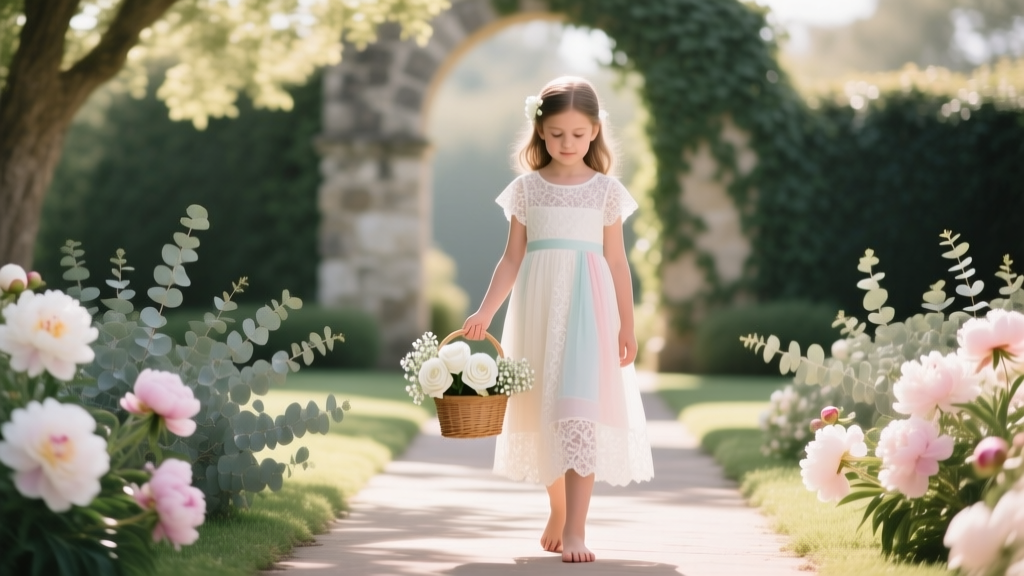
Wedding Planning How to Manage the Flower Girl
If you’re planning a wedding and you’ve asked a little one to be your flower girl, you’ve probably felt a mix of excitement and mild panic. She’s going to be adorable—no question. But she’s also a tiny human with her own mood swings, snack requirements, and strong opinions about shoes.
The good news: managing the flower girl doesn’t have to be stressful. With the right preparation, a simple plan, and a few realistic expectations, you can set her (and you) up for a sweet, picture-perfect moment—whether she confidently leads the processional or shyly clings to a parent’s leg.
This guide walks you through exactly how to manage the flower girl experience from start to finish: choosing the right child, communicating with parents, planning outfits and petals, practicing the walk, and troubleshooting real-world scenarios that happen at actual weddings.
What Does the Flower Girl Actually Do?
The flower girl’s “job” is simple: she walks down the aisle before the bride (or right before the wedding party) and brings a touch of charm and celebration. Traditions vary, and your wedding ceremony can be as formal or relaxed as you like.
Common flower girl roles
- Tossing petals down the aisle (if the venue allows it).
- Carrying a flower basket, hoop wreath, or pomander ball.
- Walking with a ring bearer (or a junior bridesmaid).
- Holding a sign (“Here comes the bride”)—cute, but optional.
- Simply walking and smiling/waving while guests melt.
Pro tip from wedding planners
For younger flower girls (ages 2–4), “walk down the aisle” is usually plenty. Petal tossing can be a bonus, not a requirement.
Choosing the Right Flower Girl (And Setting Expectations)
Many couples choose a niece, cousin, godchild, or close family friend. The best choice is often less about “who should” and more about “who will enjoy it.”
Age guidelines that help with planning
- Ages 2–3: Adorable, unpredictable. May need a parent escort or “flower girl buddy.”
- Ages 4–6: Often the sweet spot—can follow instructions, still very cute.
- Ages 7–10: More independent. Can manage a longer aisle and more formal responsibilities.
Real-world scenario
Scenario: You have two nieces—one is 3 and shy, the other is 7 and confident. Consider having both as flower girls, with the older one leading. This reduces pressure on the younger child and often creates the sweetest photos.
Quick expectations checklist (for you)
- She might not toss petals perfectly.
- She may stop to wave at guests (or stare silently).
- She may refuse to walk unless someone she trusts is nearby.
- All of this is normal—and guests will find it endearing.
Talk to the Parents Early (This Prevents Most Problems)
The biggest flower girl planning stress usually comes from unclear communication. A warm, early conversation with the parents or guardians makes everything easier—timeline, budget, outfit, naps, and expectations.
What to discuss (copy/paste checklist)
- Outfit budget: Who is purchasing the dress, shoes, tights, and accessories?
- Comfort needs: Sensory sensitivities, preferred fabrics, hair tolerances, and shoe preferences.
- Schedule: Ceremony time, rehearsal time, and how long she’s expected to be present on wedding day.
- Snacks and naps: Confirm nap windows and what keeps her happiest.
- “If she melts down” plan: Who will step in and guide her?
- Photos: When and how long she’ll be needed for portraits.
Pro tip
If parents are traveling, ask about time zones and sleep disruption. A child who is normally easygoing can get overwhelmed fast when routines change.
Timeline: When to Plan Flower Girl Details
A clear wedding planning timeline keeps this part from becoming a last-minute scramble.
3–6 months before the wedding
- Confirm who your flower girl(s) will be.
- Talk to parents about budget and comfort preferences.
- Choose a general style (formal, boho, garden, modern).
8–12 weeks before
- Order the dress (earlier if custom or from Etsy).
- Choose shoes that are broken-in and ceremony-appropriate.
- Decide on petals vs. alternatives (bubbles, ribbon wand, etc.).
4–6 weeks before
- Do a low-pressure practice walk at home.
- Confirm aisle “route” and where she’ll sit/stand during the ceremony.
- Decide who will escort her if needed.
Week of the wedding
- Have a final outfit try-on (including shoes).
- Prep an emergency kit (see below).
- Keep instructions simple and positive.
Outfits, Comfort, and Budget Considerations
Flower girl fashion is adorable, but comfort is what gets her down the aisle smiling. Plan a look that matches your wedding style without turning the outfit into a battle.
Typical flower girl outfit costs
- Dress: $40–$150 (more for designer/custom)
- Shoes: $20–$60
- Accessories: $10–$40 (hairpiece, cardigan, tights)
- Basket/hoop: $10–$35
Ways to save (without looking “cheap”)
- Choose a simple dress and add one elevated detail (a sash, floral crown, or capelet).
- Use shoes she already owns in a neutral shade.
- Borrow a basket from a friend or reuse from another family wedding.
- Skip real petals and use a reusable flower hoop (great for keepsakes).
Comfort-first outfit checklist
- Soft, non-itchy fabrics (lined tulle is worth it)
- Weather plan: cardigan, cape, or tights for chilly venues
- Secure shoes (straps > slippery flats)
- No fussy hairpieces that poke or pinch
- Bring backup options: a second pair of shoes, a stain remover pen, a spare dress if possible
Petals, Alternatives, and Venue Rules
Before you order petals, check your ceremony venue rules. Many indoor venues (and some outdoor locations) restrict petals due to cleanup and slip concerns.
Petal options
- Fresh petals: Beautiful, but can be pricey and perishable.
- Dried petals: Romantic look, often easier to prep—confirm cleanup rules.
- Silk petals: Reusable and venue-friendly, but can look less natural up close.
Venue-friendly alternatives
- Ribbon wand (no mess, super photogenic)
- Mini bouquet or flower hoop wreath
- Bubbles (great outdoors; check if allowed indoors)
- LED “fairy” petals for evening celebrations (only if it fits your wedding style)
Pro tip
If you’re set on petals but the venue is strict, ask about a compromise: a small handful at the aisle entrance only, or petals in an outdoor ceremony space.
How to Practice Without Stressing Her Out
A flower girl rehearsal shouldn’t feel like training for a performance. Think: playful practice, short sessions, lots of praise.
Simple step-by-step practice plan
- Show her a photo of a flower girl and explain her “special walk.”
- Practice at home with a short “aisle” (hallway works).
- Teach one job only: walk to a person she knows and stop.
- Add petals later (if she’s into it) and keep it light.
- Do one final run-through at the rehearsal if she’ll attend—then let it go.
Real-world scenario
Scenario: Your flower girl gets stage fright at the rehearsal and refuses to walk. Instead of forcing it, have her walk with a parent once, then stop. On wedding day, she may surprise everyone and walk solo—or she may need that escort again. Both outcomes are completely fine.
Create a Wedding-Day Plan for the Flower Girl (So You’re Not Managing It)
You should not be the one worrying about snacks and bathroom trips on your wedding day. Assign a point person and build a realistic schedule around the ceremony.
Assign a “Flower Girl Captain”
This can be a parent, aunt, older cousin, bridesmaid, or trusted friend. Pick someone calm who can redirect gently and handle small emergencies.
Flower girl wedding-day checklist
- Comfortable getting-ready outfit (not the dress yet)
- Snacks that won’t stain (goldfish, pretzels, apple slices)
- Water bottle
- Wipes and tissues
- Band-aids
- Small quiet toy/book for waiting
- Backup tights/socks
- Emergency stain remover pen
- Mini hairbrush and extra hair ties
Timing advice that works
- Put her in the dress as late as possible to avoid spills and wrinkles.
- Plan her arrival 45–60 minutes before the ceremony (not 3 hours).
- If she’s young, keep photos short: 10–15 minutes at a time.
Common Flower Girl Challenges (And What to Do)
She refuses to walk
- Have a parent or the “Flower Girl Captain” walk with her.
- Let her carry something comforting (a small bouquet or plush).
- Position her closer to the aisle entrance so it’s a shorter walk.
She runs down the aisle
- It’s normal—don’t chase her from the front.
- Ask the captain to be waiting at the end of the aisle with open arms.
- Consider giving her a ribbon wand instead of petals (less to manage while sprinting).
She tosses all petals at once
- Choose a smaller basket or pre-portion petals in a small pouch.
- Tell her one simple line: “Sprinkle, sprinkle as you walk.”
She cries right before the ceremony
- Don’t make her the center of attention—quietly pivot to an escort plan.
- Let her sit with her parent and skip the walk if needed.
- Remember: guests are there for your marriage, not a perfect processional.
Common Mistakes to Avoid
- Over-rehearsing: Too much practice can create pressure and resistance.
- Choosing a fussy outfit: Itchy fabric and tight shoes are a guaranteed meltdown trigger.
- No backup plan: Always plan for an escort option.
- Scheduling her all day: Long gaps and late nights are hard for kids (and parents).
- Assuming petals are allowed: Confirm with your venue and florist before purchasing.
Wedding Planner Pro Tips for a Smooth Processional
- Use a familiar “finish line”: Have her walk toward someone she loves—parent, grandparent, or the captain.
- Pick the right song timing: A slower, steady tempo helps little legs and nerves.
- Stand her with the wedding party only if she’s comfortable: Otherwise, seat her with family after she walks.
- Consider two flower girls: Pairing a younger child with an older one is one of the easiest ways to reduce anxiety.
- Ask your photographer to be ready: The flower girl moment is fast and often happens once.
FAQ: Managing the Flower Girl
Do we need a flower girl at our wedding?
No. A flower girl is a sweet tradition, not a requirement. If you don’t have a child in mind—or your ceremony is very formal—you can skip the role or replace it with something else (like a junior attendant or a floral moment with your processional).
Who pays for the flower girl dress?
It varies by family and region. Some couples pay as part of wedding party attire; often parents pay. The smoothest approach is to discuss it early and set a budget range everyone is comfortable with.
What if our venue doesn’t allow flower petals?
Go with a ribbon wand, flower hoop, mini bouquet, or bubbles (if allowed). Many couples choose a no-mess option and guests never miss the petals.
Should the flower girl attend the rehearsal?
If she’s local and her schedule allows, it can help—especially for ages 4+. For toddlers, it’s optional. Sometimes skipping the rehearsal keeps them less tired and more cooperative on wedding day.
What’s the best way to handle a shy flower girl?
Give her an escort plan, keep the walk short, and let her hold something comforting. Avoid making a big deal out of it—calm confidence from adults is contagious.
Can an older child be a flower girl?
Absolutely. Older children often do beautifully, especially if you’d like a more polished processional. You can also call the role “junior attendant” or “junior bridesmaid” depending on your wedding style.
Next Steps: A Simple Plan You Can Use Right Away
- Confirm your flower girl and talk to her parents about budget, comfort, and schedule.
- Choose a venue-approved option: petals, ribbon wand, or hoop.
- Assign a “Flower Girl Captain” so you’re not managing details on wedding day.
- Plan one short practice session and a clear escort backup plan.
- Keep expectations sweet and flexible—the goal is a happy child, not perfection.
Your flower girl moment doesn’t have to be flawless to be memorable. The little wobble, wave, or giggle is often what guests talk about for years—and it adds heart to your wedding ceremony.
For more calm, practical wedding planning help, explore more guides on weddingsift.com.
More Articles
 How to Plan a Winter Wedding on a Budget
 Wedding Alcohol Cost for 150 Guests (2026)
 Wedding Per Head Cost in 2026: Real Data & Savings
 Wedding Day Words for Your Son: 7 Powerful Phrases (2026)
 Indian Wedding Costs: 12 Real Budgets (2026)
 Sparkler Wedding Photos: Pro Tips for Perfect Shots
 How to Nicely Say No to Plus Ones at Wedding
 Men's Wedding Ring Costs (2026) | What Actually Drives Price
 Wedding Cake Cost Breakdown: What Drives Your 2026 Bill
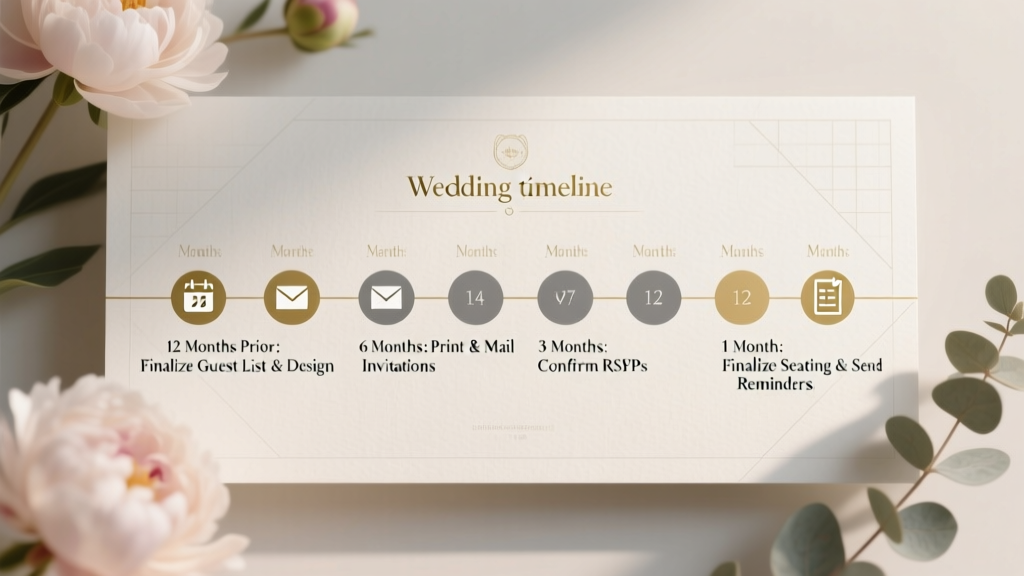 How Long In Advance Should Wedding Invitations Be Sent