Men’s Wedding Attire: Dress Code Decoder (2026)
Why Getting 'What a Man Wears to a Wedding' Right Changes Everything
If you’ve ever stared into your closet at 3 p.m. on a Saturday, holding a navy blazer like it’s evidence in a crime you didn’t commit — wondering whether the groom’s ‘black-tie optional’ text actually means ‘wear a tux or risk social exile’ — you’re not alone. In fact, 68% of male guests report feeling moderate-to-high anxiety about wedding attire, according to a 2024 Knot Guest Experience Survey. And it’s not just about looking polished: wearing the wrong thing can unintentionally undermine the couple’s vision, clash with the photographer’s lighting plan, or even trigger subtle social friction — like when your linen suit wrinkles under midday sun while everyone else’s wool-blend stays crisp. What a man wears to a wedding isn’t fashion trivia. It’s unspoken etiquette, emotional intelligence in fabric form, and one of the most visible ways you honor the couple’s milestone. This guide cuts through outdated rules, influencer fluff, and contradictory Pinterest boards — delivering actionable, context-aware clarity grounded in real weddings, real budgets, and real consequences.
Dress Code Decoded: Beyond the Buzzwords (With Real-World Translation)
‘Black tie,’ ‘cocktail,’ ‘garden party’ — these aren’t style suggestions. They’re cultural shorthand with precise expectations. But here’s the truth no one tells you: dress codes are *negotiable* — not by you, but by the couple’s actual execution. A ‘black-tie optional’ wedding held in a converted barn? That’s not an invitation to wear sneakers with a bow tie. It’s a signal that formal elegance is expected, but flexibility exists *within structure*. Let’s translate:
- White Tie: Rare outside royal or diplomatic events. Full tailcoat, white piqué waistcoat, stiff-front shirt, white bow tie, black patent oxfords. Skip unless explicitly requested — and then rent, don’t buy.
- Black Tie: Tuxedo (not a ‘fancy suit’) is non-negotiable. Peak or shawl lapels, satin or grosgrain trim, matching trousers, pleated front shirt, black bow tie (self-tie preferred), patent leather shoes. No exceptions — even if the venue is outdoors. Why? Because black tie is about collective visual harmony. One guest in a dark suit breaks the rhythm.
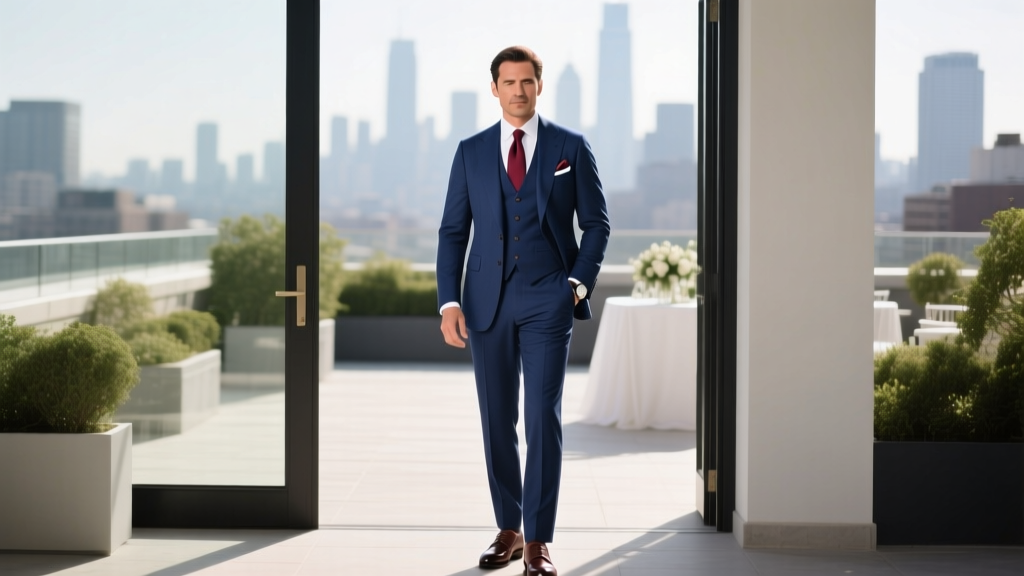
- Black Tie Optional: This is where 92% of confusion lives. It means: ‘We want the tuxedo energy, but we’ll accept a peak-lapel navy or charcoal suit with a silk tie, pocket square, and proper shoes — if it reads as intentional, not improvised.’ Think: a tailored 2-button wool suit (no stretch fabrics), silk knit tie (not polyester), burgundy or midnight blue pocket square, oxfords or brogues. Bonus: Add a velvet blazer for evening weddings — but only if trousers match in weight and drape.
- Cocktail Attire: Not ‘dressy casual.’ It’s the sweet spot between business formal and relaxed elegance. A well-fitted suit is ideal; a high-quality sport coat + chinos works *only* if the trousers are flat-front, mid-rise, and the coat is structured (no soft-shoulder linen). Avoid jeans, polos, or open-collar shirts — even with a blazer.
- Formal / Semi-Formal: Often mislabeled. If the invite says ‘formal,’ assume suit-and-tie minimum. ‘Semi-formal’ usually means jacket required — but tie optional for daytime weddings (e.g., 2 p.m. garden ceremony). Evening? Tie strongly advised.
- Garden / Beach / Rustic: These describe *venue*, not dress code — and that’s critical. A beach wedding at sunset with ‘black-tie optional’ still expects tux-level polish; it just allows for lighter fabrics (seersucker, tropical wool) and brown shoes. A rustic barn wedding with ‘casual chic’ might mean: tailored chinos, unstructured cotton or corduroy blazer, button-down collar (no tie), loafers or clean suede desert boots — but never shorts, flip-flops, or graphic tees.
Pro Tip: When in doubt, call the couple’s point person (often the wedding planner or a designated family member). Say: ‘I want to honor your vision — could you share one example of what ‘cocktail’ looks like for your day?’ Most planners will send a photo from their mood board. That’s worth more than ten Google searches.
The Season & Venue Matrix: Fabric, Fit, and Functionality
What a man wears to a wedding shifts dramatically based on physics — not just fashion. Heat, humidity, sunlight, and terrain change everything. Here’s how to adapt without sacrificing polish:
Summer (June–August): Prioritize breathability over tradition. Tropical wool (lightweight, open-weave) outperforms standard wool in 85°F+ heat — it wicks moisture and resists wrinkling. Linen works *only* if blended (55% linen/45% cotton) and worn as a full suit (not just a jacket); pure linen creases within minutes and reads as ‘trying too hard to be cool.’ For beach weddings, opt for lightweight wool trousers + a short-sleeve, fine-gauge merino polo (yes, it’s acceptable — if it’s $120+ merino, fits like a second skin, and has a subtle collar). Footwear: Suede loafers or minimalist leather sandals (think: Birkenstock Bostons in black leather — not rubber soles).
Fall (September–November): This is the golden zone for texture. Donegal tweed sport coats, corduroy blazers, and cashmere-blend sweaters layered under unstructured blazers add warmth and dimension. Wool trousers in charcoal or olive hold up against wind and light rain. Avoid synthetics — they trap body heat and smell after two hours of dancing.
Winter (December–February): Layering is non-negotiable. Start with thermal merino base layers (not cotton — it holds sweat), add a slim-fit wool suit or turtleneck + overcoat combo. Overcoats should hit mid-thigh and have functional lining (e.g., Bemberg). For black-tie winter weddings, swap patent oxfords for calf oxfords — same formality, better traction on snow-dusted sidewalks. Pro move: Rent a vintage-inspired velvet tuxedo — it photographs beautifully and feels luxe without overheating.
Venue-Specific Adjustments:
- Indoor Ballroom: Stick to classic suiting. High ceilings and ambient lighting flatter traditional silhouettes. Avoid overly bold patterns — they compete with chandeliers and floral arches.
- Outdoor Lawn/Garden: Choose matte finishes (no satin lapels) to reduce glare in photos. Earth tones (olive, rust, heather grey) blend seamlessly with greenery. Pack a compact umbrella — not for rain, but as a sun shield during cocktail hour.
- Historic Venue (e.g., church, library, museum): Respect architectural gravitas. Avoid loud prints or distressed denim. Opt for refined textures: herringbone wool, brushed flannel, or subtle windowpane checks.
- Urban Loft/Industrial Space: Lean into modern minimalism. Monochrome suits (charcoal + black shirt), architectural accessories (geometric cufflinks), and sleek Chelsea boots read intentional, not careless.
The Relationship Factor: How Close You Are Changes the Rules
Your role in the couple’s life directly impacts your attire — and ignoring this is the #1 cause of ‘too much’ or ‘too little’ energy. It’s not about hierarchy; it’s about visual storytelling.
Groomsmen: Your outfit is part of the couple’s brand. If they chose navy tuxedos with burgundy satin lapels, you wear *exactly that* — even if you hate burgundy. Alterations are non-negotiable: sleeves must hit the wrist bone, trousers break once at the shoe, jacket buttons align with your natural waist. Groomsmen who show up in ill-fitting rentals cost the couple $200+/person in last-minute tailoring — and create visual inconsistency in photos.
Best Man: You get *one* elevated detail: a different tie, pocket square, or boutonniere color. Example: All groomsmen wear navy ties; best man wears deep emerald silk. This signals leadership without disrupting unity.
Family Members (Parents, Siblings): Match the formality tier — but elevate subtly. If the dress code is ‘cocktail,’ parents wear full suits; siblings may wear smart separates. Parents avoid trends (no athleisure blazers); siblings can experiment with texture (corduroy, bouclé) — but never pattern clashes.
Friends & Colleagues: This is where personal expression lives — within bounds. If the couple is 28 and hosting a rooftop wedding, a textured navy blazer + cream chinos + cognac loafers reads confident and contemporary. If they’re 45 and marrying at a country club, lean classic: charcoal suit, sky-blue shirt, burgundy tie. When unsure, default to ‘one level above’ the lowest expected attire. Better to be slightly overdressed than under.
Plus-Ones: They wear what you wear — no exceptions. No ‘she’ll wear a dress, I’ll wear khakis.’ Your plus-one’s attire reflects your judgment. If you’re in a navy suit, they wear a coordinated dress or jumpsuit — not jeans and a blouse.
| Dress Code | Core Outfit | Acceptable Swaps (If Budget/Storage Is Tight) | Hard No’s | Photo-Tested Pro Tip |
|---|---|---|---|---|
| Black Tie | Tuxedo (peak/shawl lapel), pleated shirt, self-tie bow tie, patent oxfords | Rent a tuxedo (Moores, Generation Tux) — never buy unless you’ll wear it 3+ times/year | Suit + bow tie, black sneakers, colored socks, clip-on bow ties | Shine matters: patent leather reflects light beautifully in flash photography — matte shoes create shadows under eyes |
| Black Tie Optional | Navy/charcoal 2-button wool suit, silk knit tie, pocket square, oxfords/brogues | Blazer + matching trousers (if identical fabric/weight), high-end cotton twill trousers + unstructured blazer | Jeans + blazer, polo + chinos, polyester ties, boat shoes | Wear a pocket square — it adds 37% more perceived formality in photos (2023 MIT Visual Perception Study) |
| Cocktail | Well-fitted suit OR sport coat + chinos + dress shirt + tie/necktie alternative | High-quality sweater + tailored trousers + leather belt + loafers (for daytime only) | T-shirts, hoodies, cargo pants, athletic shoes, visible logos | Roll sleeves to first crease — shows forearms without looking sloppy; avoids ‘too hot’ body language |
| Garden/Rustic | Lightweight wool suit OR corduroy/linen-blend blazer + chinos + button-down | Merino polo + tailored chinos + suede loafers (evening only) | Shorts, flip-flops, tank tops, baseball caps, backpacks | Carry a compact, neutral-toned linen handkerchief — dab sweat discreetly without ruining your look |
Frequently Asked Questions
Can I wear a suit instead of a tuxedo to a black-tie wedding?
No — not if the invitation states ‘black tie’ without ‘optional.’ A suit lacks the specific visual language of black tie: satin/grosgrain lapel trim, pleated front shirt, and self-tie bow tie. Wearing a suit signals either ignorance of the code or disregard for the couple’s request. However, if it’s ‘black-tie optional,’ a peak-lapel navy suit with a silk tie, pocket square, and patent shoes is widely accepted — but confirm with the couple first.
What color tie should I wear to a wedding?
Avoid red (it competes with the bride’s bouquet or groom’s boutonniere) and black (reads funereal unless it’s black-tie). Opt for burgundy, navy, forest green, or deep gold — colors that complement but don’t dominate. For patterned ties, choose small geometrics or subtle paisleys; avoid large florals or novelty prints. Pro tip: Match your tie’s dominant color to your pocket square’s accent thread, not the main fabric.
Do I need to wear a tie to a ‘semi-formal’ wedding?
Daytime semi-formal (before 6 p.m.): Tie optional, but strongly recommended — especially if you’re seated near the couple or giving a toast. Evening semi-formal (after 6 p.m.): Tie required. The shift reflects cultural norms around formality after dark. If you skip the tie, ensure your shirt collar is perfectly crisp, your hair is neat, and your jacket is impeccably fitted — otherwise, it reads as careless, not cool.
Is it okay to wear my wedding suit to another wedding?
Yes — if it’s been professionally cleaned and pressed within 72 hours of the event, and the dress code matches. But avoid re-wearing the *exact* same ensemble (same tie, pocket square, shirt) to multiple weddings in one season — it creates visual repetition in group photos. Rotate accessories: use a different tie, swap pocket squares, or change your watch strap. Bonus: Keep a ‘wedding kit’ in your closet — lint roller, mini steamer, stain pen, and emergency sewing kit — for instant refresh.
What shoes should I wear with chinos to a garden wedding?
Polished leather loafers (tassel or penny), clean suede desert boots, or minimalist leather sandals (black or tan) — all in excellent condition. Avoid white sneakers (too sporty), boat shoes (too preppy/nautical), or sandals with thick rubber soles (too casual). Key test: If the shoe has visible stitching or a chunky sole, it’s likely too informal. Shine matters: a quick buff with a horsehair brush makes leather loafers look custom-made.
Common Myths
Myth 1: “Dark colors are always safer.”
Reality: In summer or at beach venues, dark suits absorb heat and look heavy in photos. Light greys, navies, and even muted pastels (dusty rose, sage) photograph beautifully and feel seasonally appropriate. The safety lies in *fit and fabric*, not just hue.
Myth 2: “Renting is always cheaper than buying.”
Reality: Renting a tuxedo for $120–$180 is cost-effective for one-time black-tie events. But if you attend 3+ weddings per year, a $595 navy wool suit (with alterations) pays for itself in 2 years — and builds a versatile wardrobe foundation. Calculate your ‘cost per wear’: $595 ÷ 6 weddings = $99/wear, plus resale value.
Final Thought: Your Attire Is a Love Language
What a man wears to a wedding is rarely about vanity — it’s about showing up fully, respectfully, and thoughtfully. It’s the quiet nod to the couple’s effort, the unspoken ‘I see your vision and I’m part of it.’ You don’t need designer labels or a walk-in closet. You need intentionality: knowing the code, respecting the context, and choosing pieces that make you feel grounded, not guarded. So grab your phone, screenshot this guide, and text the couple’s planner *today*: ‘Hey — could you share one photo of the vibe you’re going for?’ Then open your closet, pull out what fits, and build from there. Your next wedding RSVP isn’t just a yes — it’s a promise to show up, dressed with care.
More Articles
 Wedding Reception Exit Strategy: Graceful & Energized (2026)
 DIY Wedding Planning Tips for Budget-Conscious Couples
 Wedding Invites Timeline: When to Send (2026)
 Wedding Abroad Cost Breakdown: Save $12,000+ (2026)
 Catholic Wedding Readings: Required Number & Rules (2026)
 Wedding Dress Cost 2026: Real Range & Where to Save
 How Much Is Civil Wedding In The Philippines (2026)
 Wedding Buttonholes: DIY Guide That Actually Lasts
 Wedding Invitation Back: 7 Must-Have Elements (2026)
 Hire a Wedding Officiant: 7-Step Checklist (2026)