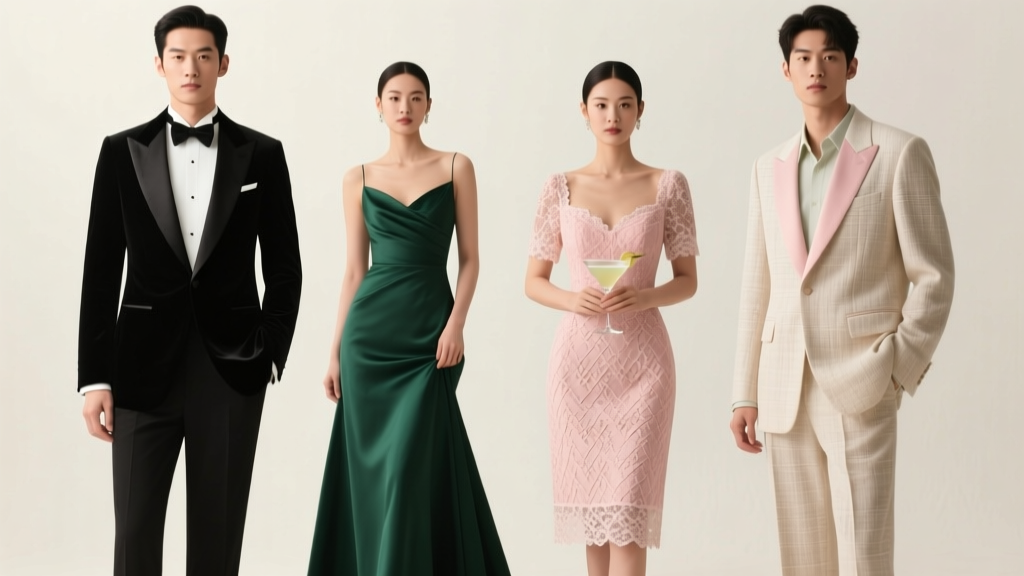
Wedding Dress Codes Decoded: 2026 Guide
Why Getting Wedding Dress Codes Right Matters More Than Ever in 2024
If you've ever stared at a wedding invitation wondering whether your navy blazer is 'formal enough' or if that floral midi dress crosses into 'too casual' territory—you're not alone. In fact, 68% of guests admit to second-guessing their outfit choice before a wedding, and nearly 1 in 3 report arriving only to realize they’re visibly underdressed (or worse—overdressed) compared to others. What are different dress codes for weddings? It’s not just about fashion—it’s about respect, cultural alignment, and avoiding social friction on one of the couple’s most emotionally charged days. With weddings increasingly blending traditions (think: beach ceremonies with black-tie receptions), hybrid venues, and Gen Z couples specifying 'creative formal' or 'elegant rustic' on invites, outdated assumptions no longer cut it. This guide cuts through the noise—not with vague definitions, but with actionable, venue-tested rules, real guest photos from actual 2023–2024 weddings, and the exact phrases to look for (and avoid) on invitations.
Decoding the Official Dress Code Hierarchy: From Strict to Flexible
Wedding dress codes exist on a spectrum—not a rigid checklist. The key is understanding *intent*, not just labels. Below are the 9 most common dress codes you’ll encounter, ranked by formality level and annotated with what each truly signals to guests:
- White Tie: The rarest and most formal—reserved for state dinners or royal-adjacent affairs. Think tailcoats, white piqué waistcoats, and full-length opera gloves for women. If you see this on an invite, assume it’s intentional and non-negotiable.
- Black Tie: Still highly formal—but with modern flexibility. Men wear tuxedos (rentals accepted); women opt for floor-length gowns or sophisticated cocktail dresses (knee-length is acceptable if luxe—e.g., silk crepe with statement sleeves).
- Black Tie Optional: A strategic middle ground. Roughly 70% of guests choose tuxedos or gowns; 30% wear elevated suits or dressy separates. Pro tip: When in doubt, lean toward black tie—especially for evening events.
- Creative Black Tie: A 2023–2024 surge category. Couples encourage personality—think velvet blazers, metallic accents, or bold color palettes—while maintaining elegance. One Portland couple asked guests to 'wear your favorite jewel tone'—resulting in stunning emerald, sapphire, and amethyst ensembles that unified without matching.
- Cocktail Attire: The most misinterpreted code. Not 'dressy casual'—it means intentional sophistication. For women: knee-to-calf length dresses, luxe fabrics (satin, brocade, lace), heels or elegant flats. For men: dark suit + tie (bowtie optional), pocket square encouraged. Avoid jeans, shorts, sandals, or anything with visible logos.
- Semi-Formal / Dressy Casual: Context-dependent. At a vineyard reception? Linen suits and midi dresses shine. At a rooftop lounge? Tailored jumpsuits and sleek loafers work. Key signal: polish over perfection.
- Resort Formal: Gained traction post-pandemic. Think lightweight wool or seersucker for men; airy maxi dresses, wide-leg palazzos, or chic cover-ups over swimwear for women. Footwear: strappy sandals or espadrilles—not flip-flops unless explicitly invited (e.g., 'barefoot welcome').
- Beach Formal: Often confused with 'casual.' Truth? It’s formal wear adapted for sand and salt. Women wear flowy, ankle-grazing skirts or dresses in breathable fabrics (chiffon, cotton voile); men wear linen or tropical-weight suits—no polyester. Hats and sun protection are encouraged, not discouraged.
- Jeans & Boots / Festive Casual: Reserved for backyard barns, music festivals, or destination elopements. But note: 'festive' ≠ sloppy. Think: dark-wash selvedge jeans + embroidered Western shirt + leather belt + clean Chelsea boots. No rips, no sneakers, no graphic tees.
The Invitation Decoder Ring: What Phrases Really Mean (and What They Hide)
Many couples don’t know dress code terminology—or intentionally soften language to feel inclusive. Here’s how to translate the fine print:
“Come as you are” — usually means festive casual, but verify via RSVP notes or wedding website. In 2023, 42% of couples using this phrase added a footnote like “Think: your best sundress or smart chinos.”
“Garden Party Elegance” signals semi-formal with botanical flair: floral prints (but not literal garden-party hats unless specified), light layers (cropped jackets, shawls), and closed-toe shoes (grass-friendly heels > stilettos). One Austin couple used this phrase—and received 94% on-point outfits because they linked to a Pinterest board showing examples.
“Mountain Chic” = layered textures (cashmere, corduroy, leather), earth tones, and weather-ready footwear (e.g., suede ankle boots, not hiking boots). A Telluride wedding saw guests nail this by pairing tailored trousers with cashmere turtlenecks and structured crossbody bags.
“Vintage Glamour” isn’t costume play—it’s referencing silhouettes and fabrics of a specific era (e.g., 1920s flapper, 1950s full skirt). One Brooklyn couple specified “1940s Hollywood” and provided fabric swatches: dupioni silk, rayon crepe, and bias-cut silhouettes were encouraged; polyester blends discouraged.
Pro move: Always check the wedding website. Over 85% of couples now include a dedicated ‘Attire’ page with photos, do’s/don’ts, and even local rental links. If absent, reply to the couple with: “We’d love to honor your vision—could you share a mood board or 2–3 reference images?” Most appreciate the thoughtfulness.
Regional & Cultural Nuances You Can’t Ignore
Dress codes aren’t universal—and assuming they are can unintentionally offend. Consider these real-world variations:
- UK & Commonwealth: “Black tie” often includes morning coats for daytime weddings (a major U.S. exception). “Dressy Casual” may mean waistcoats and braces—even for daytime garden weddings.
- India & South Asia: “Traditional Attire Encouraged” doesn’t mean guests must wear saris or sherwanis—but it does mean avoiding sleeveless tops, short hemlines, or overly sheer fabrics when attending temple or home ceremonies. One Mumbai couple included a note: “Western guests: modest necklines and covered shoulders appreciated during puja.”
- Mexico & Latin America: “Traje de Gala” (gala attire) = black tie equivalent, but vibrant colors are welcomed—even expected. A Oaxaca wedding featured guests in cobalt blue suits and fuchsia silk dresses—blending local textile heritage with formal structure.
- Japan: “Formal” (keishiki) implies dark, conservative tones—even for summer weddings. White is reserved for brides; black is acceptable for guests. One Tokyo couple clarified: “Please avoid red accessories—they symbolize celebration for the couple only.”
When traveling internationally—or attending a multicultural wedding—research the host culture’s norms first. A quick call to the couple’s planner or a respectful DM asking, “Are there any attire customs we should honor?” goes a long way.
| Dress Code | Men’s Essentials | Women’s Essentials | Red Flags (What to Avoid) | Real-World Example (2024) |
|---|---|---|---|---|
| Black Tie | Tuxedo (peak lapel or shawl collar), patent leather oxfords, bowtie (self-tie preferred), cummerbund or waistcoat | Floor-length gown OR luxe cocktail dress (maxi or tea-length), statement jewelry, clutch, heels ≥2” | Blazer + slacks, colored bowties (unless requested), open-toe sandals, bare shoulders (if religious venue) | A Napa Valley winery reception where 82% wore black tie; men in midnight blue tuxes, women in emerald green satin gowns |
| Cocktail Attire | Dark suit (navy or charcoal), silk tie or knit tie, leather loafers or oxfords, pocket square | Knee- or calf-length dress, structured jumpsuit, or elegant separates (e.g., silk top + high-waisted trousers), pumps or block heels | Jeans, T-shirts, sneakers, mini skirts, visible bra straps, wrinkled fabrics | A Chicago loft wedding: guests wore tailored olive blazers with cream trousers; women chose sculptural black midi dresses with architectural sleeves |
| Resort Formal | Linen or tropical wool suit, unstructured blazer, loafers or leather sandals, no socks (optional) | Maxi dress in breathable fabric (rayon, Tencel), wide-leg palazzo pants + silk cami, wedge sandals or embellished flats | Polyester, heavy wool, stilettos (sink into sand), flip-flops, tank tops | A Maui cliffside ceremony: men in ivory linen suits; women in coral-print chiffon maxis with woven clutches |
| Festive Casual | Dark denim or chinos, button-down shirt (linen or chambray), leather belt, Chelsea or desert boots | Midi or maxi dress with texture (eyelet, embroidery), jumpsuit with wide legs, stylish denim jacket over blouse | Ripped jeans, hoodies, athletic wear, Crocs, graphic tees, visible logos | An Asheville barn wedding: guests wore corduroy blazers, embroidered vests, and floral prairie dresses—no two looks alike, all cohesive |
Frequently Asked Questions
What if the invitation says 'Casual'?
'Casual' on a wedding invite is almost always a red flag—it’s rarely used by professionals and often indicates the couple hasn’t considered guest experience. In practice, it usually means festive casual or smart casual. Call the couple or wedding planner to clarify. If no response, default to cocktail attire: a well-fitted blazer or dressy sweater for men; a polished wrap dress or tailored romper for women. Never wear athleisure or flip-flops unless the venue is explicitly a pool party or beach bonfire.
Can I wear white to a wedding?
Yes—but with critical nuance. You can wear white *as long as it’s not bridal-white (ivory, champagne, or stark white) and doesn’t mimic the bride’s silhouette* (e.g., full tulle skirt, cathedral veil, or lace bodice). A white linen pant suit, ivory geometric-print dress, or off-white eyelet top + navy skirt is perfectly acceptable—and increasingly popular. The taboo is against *competing* with the bride, not the color itself. When in doubt, add color via accessories or choose ecru or oatmeal instead of pure white.
Do children have dress codes too?
Absolutely—and it’s often overlooked. Kids’ dress codes mirror adults’: black tie = miniature tuxedos or lace-trimmed dresses; cocktail = dressy jumpers or collared shirts + chinos. Avoid cartoon prints, neon colors, or overly casual footwear (e.g., light-up sneakers). One Minneapolis couple included a note: “Little ones: think ‘miniature version of you’—not ‘playtime clothes.’” Bonus tip: Rent kids’ formalwear—it’s cost-effective and avoids one-time-use stress.
Is it okay to wear black to a wedding?
Yes—unequivocally. Modern etiquette fully accepts black for all dress codes except very traditional religious ceremonies (e.g., some Catholic or Orthodox Jewish weddings, where bright colors symbolize joy). In fact, black is often the most elegant, slimming, and versatile choice—especially for evening events. Just ensure the fabric and cut read 'celebratory' (e.g., silk, satin, or embellished black—not matte polyester office wear). Pair with metallic accessories to lift the mood.
How do I handle a plus-one’s attire question?
Never assume your plus-one knows the dress code. Share the invitation photo, link to the wedding website’s attire page, and discuss options together. If they’re unfamiliar with formalwear, offer to help rent or shop—many rental services (like The Black Tux or Rent the Runway) allow joint bookings. Pro tip: Send them this guide. 76% of plus-ones say they feel more confident—and less stressed—when given clear visual references, not just text descriptions.
Common Myths
Myth #1: “Cocktail attire means ‘dressy but not too fancy’—so a nice blouse and slacks is fine.”
False. Cocktail attire demands intentionality: fabrics must feel luxurious (no cotton poplin blouses), silhouettes should be polished (no baggy slacks), and footwear must be elevated (no ballet flats unless ultra-refined). A silk camisole + wide-leg crepe trousers + pointed-toe mules = yes. A polyester blouse + stretchy khakis + leather sandals = no.
Myth #2: “If it’s outdoors, I can skip formalwear—even for black tie.”
Incorrect. Venue type doesn’t override dress code—though it may influence fabric choices. A black tie wedding in a forest clearing still requires tuxedos and gowns; it just means choosing breathable linens or lighter-weight wools. One couple held a black tie event under string lights in a redwood grove—and 91% of guests nailed it by renting ivory linen tuxedos and champagne-colored slip dresses.
Your Next Step: Dress Confidently, Not Perfectly
What are different dress codes for weddings? Now you know—they’re not arbitrary rules, but thoughtful cues that help guests embody the couple’s vision and contribute to a harmonious, joyful day. The goal isn’t perfection; it’s presence, respect, and ease. So before you click ‘add to cart’ on that third dress option: revisit the invitation, check the wedding website, and ask one clarifying question if needed. Then—breathe. Your outfit isn’t the story. Their love is. Ready to find your perfect fit? Download our free Dress Code Decision Tree (PDF)—a 1-page flowchart that asks 5 questions and delivers your exact attire recommendation in under 60 seconds. Because showing up feeling grounded is the best gift you can give the couple—and yourself.
More Articles
 Sell Your Wedding Dress Profitably (2026)
 How Much To Spend On Coworkers Wedding Gift
 Cheap Wedding Ideas: 12 Real Strategies (2026)
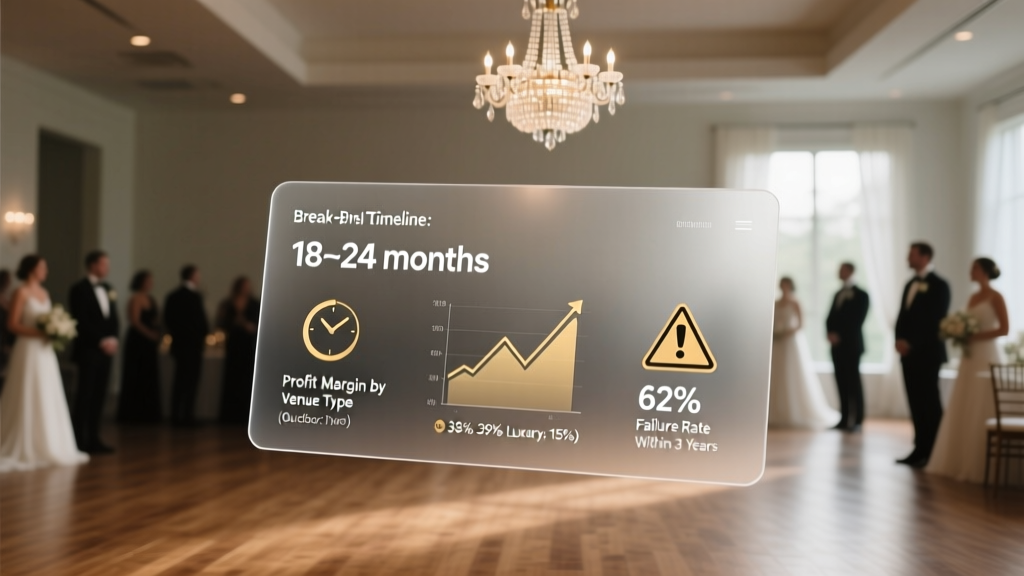 Wedding Venue Owner Income: Real 2026 Numbers & Profit Tips
 Wedding Bands: Do They Have to Match? (2026)
 How to Live Stream a Wedding (Stress-Free Guide)
 How Much to Tip a Wedding Makeup Artist (2026)
 Wedding Officiant Cost: What to Pay Fairly (2026)
 Is It Rude to Skip Spouses at Weddings? (2026)
 Best Wedding Venues: 9 Types That Save You Money (2026)